
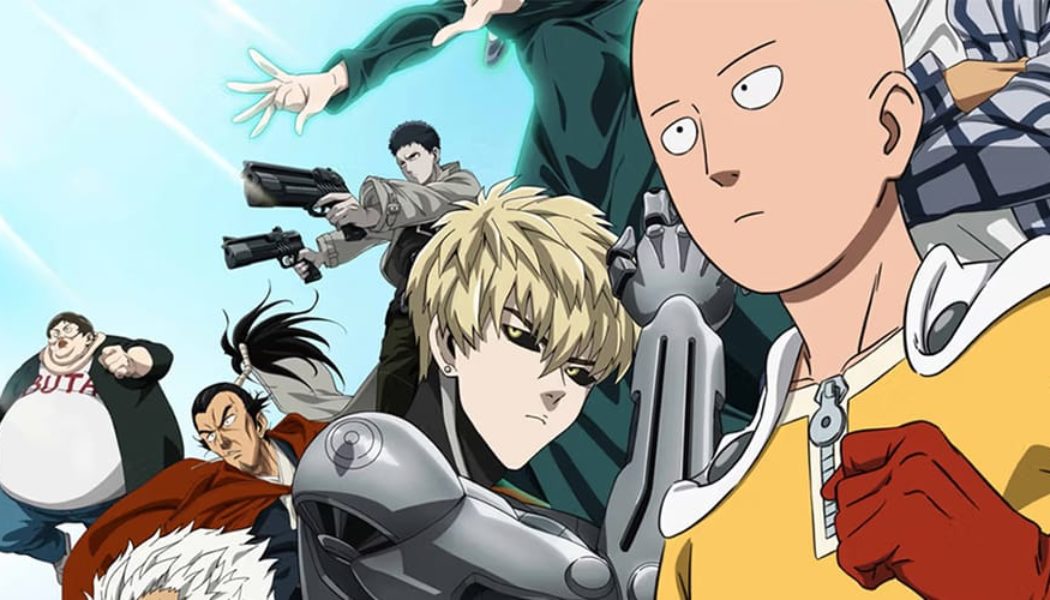
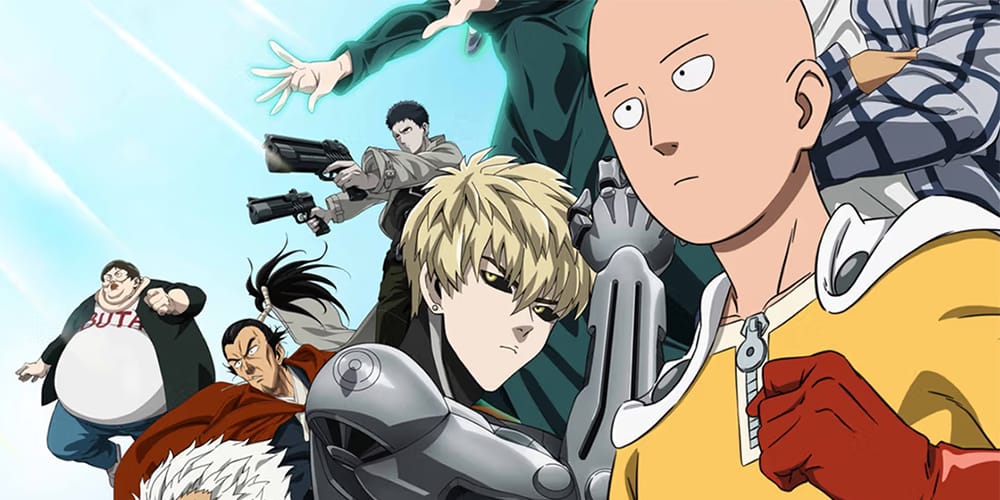
The first season of One-Punch Man is widely regarded as one of the most iconic shonen anime of the 2010s. Its original webcomic and manga were already popular, but the series’ meteoric rise was significantly fueled by the overwhelmingly positive feedback to its Season 1 anime, released ten years ago in 2015. Produced by Madhouse and directed by Shingo Natsume, Season 1 was lauded for its incredibly fluid and dynamic action sequences, particularly the memorable battle between Saitama and Genos, which remains visually impressive a decade later.
However, the release of Season 3 in October 2025 — after a six-year wait since the second season — was met with enormous disappointment and a flood of negative reviews from the fanbase. The widespread sentiment was reflected in the abysmal IMDb ratings: at the time of writing, Season 3’s average score through episode 7 was barely above 3/10. This stands in stark contrast to Season 1, where every episode scored at least 8/10, with some even reaching 9/10.
The most talked-about and criticized examples of poor animation quality include the infamous “Garou Slide” in episode 2. In this scene, the “hero hunter” Garou’s movement down a hill lacked the fluidity and energy of the original manga scene; instead, it resembled a clunky PowerPoint transition. This low-quality animation is also evident in other scenes, such as the “Atomic Samurai Hair Clip” meme in episode 6, which originated from an unacceptable editing mistake where a part of Atomic Samurai’s hair was accidentally missing.
One Punch Man Season 3 Episode 2
Everyone is talking about this scene. Garou is not walking in this scene, watch the manga.
In the manga we see him sliding on the grass.
But in the anime episode the sliding on the grass is not animated.#OnePunchManFollow Me For OPM Update pic.twitter.com/CwNy4ecxcN
— Antør (@_the_antor) October 20, 2025
This decline in animation quality, along with fervent negative fan reception, raises a critical question: how did a once-insanely well-produced anime devolve into what was presented in Season 3? The answer points not only to the production company but, more significantly, to a deep-seated, long-existing issue within the anime industry.
A key reason often cited by fans for the downgrade in anime quality is the shift in production studios: from Madhouse (Season 1) to J.C. Staff (Seasons 2 and 3). Madhouse had a strong history of producing action-oriented anime prior to One-Punch Man, such as Hunter x Hunter (2011) and No Game No Life (2014). Conversely, J.C. Staff, while having produced many great series, has a less extensive record in the action category. This difference in specialized experience may be a contributing factor to the decline in animation quality.
In addition, Madhouse’s initial success with One-Punch Man Season 1 was supported by a relatively manageable production schedule, with only two other anime in production in 2015. In contrast, J.C. Staff’s challenges appear to stem from an overwhelming workload. In 2025 alone, the studio was reportedly handling five anime projects, including One-Punch Man Season 3, Shinjiteita Nakama tachi and Chichi Wa Eiyuu, all of which were released in the same season. This heavy scheduling and workload made it difficult to fully invest the time and resources necessary to perfect any single anime, leading to disappointing results.
While J.C. Staff shoulders some responsibility for the poor animation, the fundamental issue lies in the Japanese anime industry’s system. As the former One Piece animator Vincent Chansard noted, “I think a lot of people blame J.C. Staff, but it’s a bit more complex. Sometimes, it’s not about the animation studio; sometimes it’s about the production committee that is on top of everything.”
In fact, the production committees are a coalition that dictates factors like funding, scheduling, and general decision-making. Their primary function is to mitigate risk and maximize profits, often prioritizing a quick return over genuine content quality. In this system, the animation studio itself often has little influence over major decisions. At the same time, to maximize output, committees frequently impose impossible deadlines on studios.
It’s over for jujutsu kaisen season 2 from episode 18 . The production committee denied a break and a lot of animators are expressing their disappointment for their working conditions in mappa #jjk pic.twitter.com/Chgnkfzm3H
— Sam (@sammy_here_) November 14, 2023
A clear example of this strain is seen with MAPPA during the production of Jujutsu Kaisen Season 2. Tasked with releasing eight anime in 2023, the production schedule was so demanding that many MAPPA animators expressed their fatigue and stress on social media, sparking rumors of a mid-season cancellation. Although Jujutsu Kaisen Season 2 was eventually released without major quality flaws, it underscores the inherent problem of a company undertaking too many simultaneous projects.
Ultimately, the problem with One-Punch Man Season 3 is not isolated to one specific company or director. The core problems stem from the selection of an ill-suited production company for the anime’s category and a broader industry pattern that prioritizes profit and output over the art of animation. If this phenomenon persists, the industry risks losing its most valuable asset: talent. This continuous erosion of talent, driven by a poor, intense work environment and a lack of creative freedom, can put the anime industry on a path toward self-destruction.
However, the future of the anime industry doesn’t have to be entirely bleak, as demonstrated by the success of Attack on Titan: The Final Season. The series managed to maintain consistent quality even with a studio transition from Wit Studio to MAPPA. Despite MAPPA’s demanding workload, the company handled its strict schedule by releasing the Final Season in multiple installments between 2020 and 2023. Given MAPPA’s expertise with action-oriented anime, the quality of the action sequences remained high. This case proves that with the right team, plan and sufficient funding, a series can successfully maintain its standards after a production studio change. Hopefully, the industry can learn from both cases to prevent future quality setbacks like the one seen with One-Punch Man Season 3.