
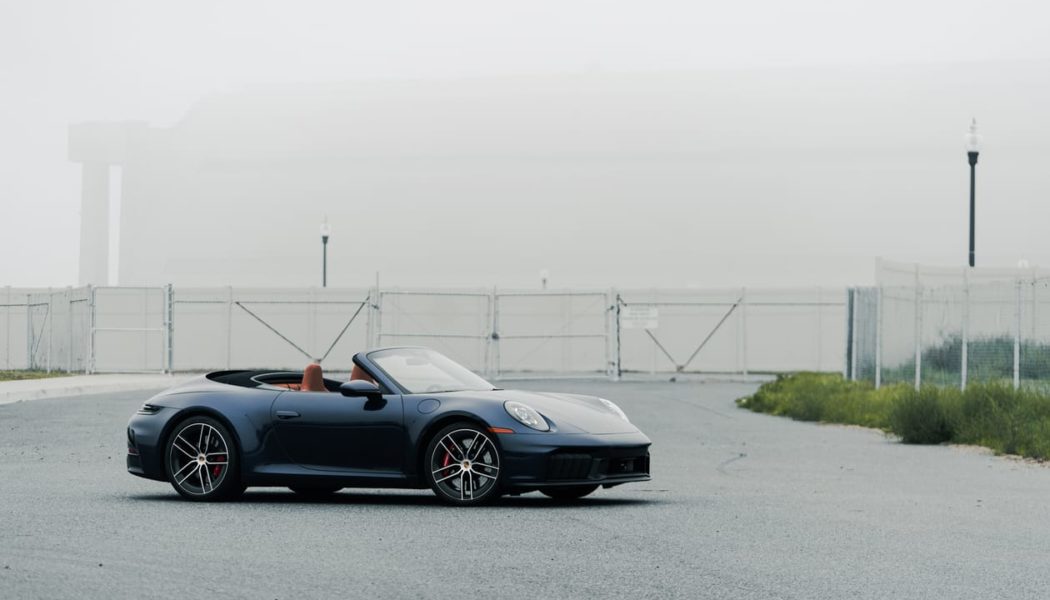
The world is a better place with Porsche 911s.
It’s a very powerful way of essentially saying that the Porsche 911 is a benchmark sports car, ironic since it’s counter to the “Sports Car Formula” – mid-engined, rear wheel drive. For decades, the 911 has however stuck to its guns with the rear-engined RWD format and through evolution produced arguably the most coveted car on the road. The key aspect of that claim though is “evolution” – it took decades of engineering, design, and marketing for the Porsche flagship vehicle to reach the coveted status it has today.
The latest Porsche 911 – generation 992.2 – maintains the core characteristics of the car with changes that some would argue are dramatic. After our review time, we came to the conclusion that it was less dramatic and more linear, adding new technologies which to those unfamiliar with the 911 history would seem monumental. But the Porsche 911 has gone through these updates before, with each generation either adding advancements or replacing with innovation. Engine updates, new transmissions, driver aids, quality of life improvements – these have all been prevalent between model generations, and the 992.2 is another example.
With experience driving – and owning – past Porsche 911s, we objectively arrived at a positive review of the Porsche 911 Carrera 4 GTS Cabriolet to the best of our ability. But be warned; if you’ve ever sat behind the wheel of the Stuttgart crest, it’ll be difficult for you to not be biased towards the previous gen models.
The Design
Eddie Eng/Hypedrive
Eddie Eng/Hypedrive
Eddie Eng/Hypedrive
Eddie Eng/Hypedrive
Eddie Eng/Hypedrive
Eddie Eng/Hypedrive
Eddie Eng/Hypedrive
Eddie Eng/Hypedrive
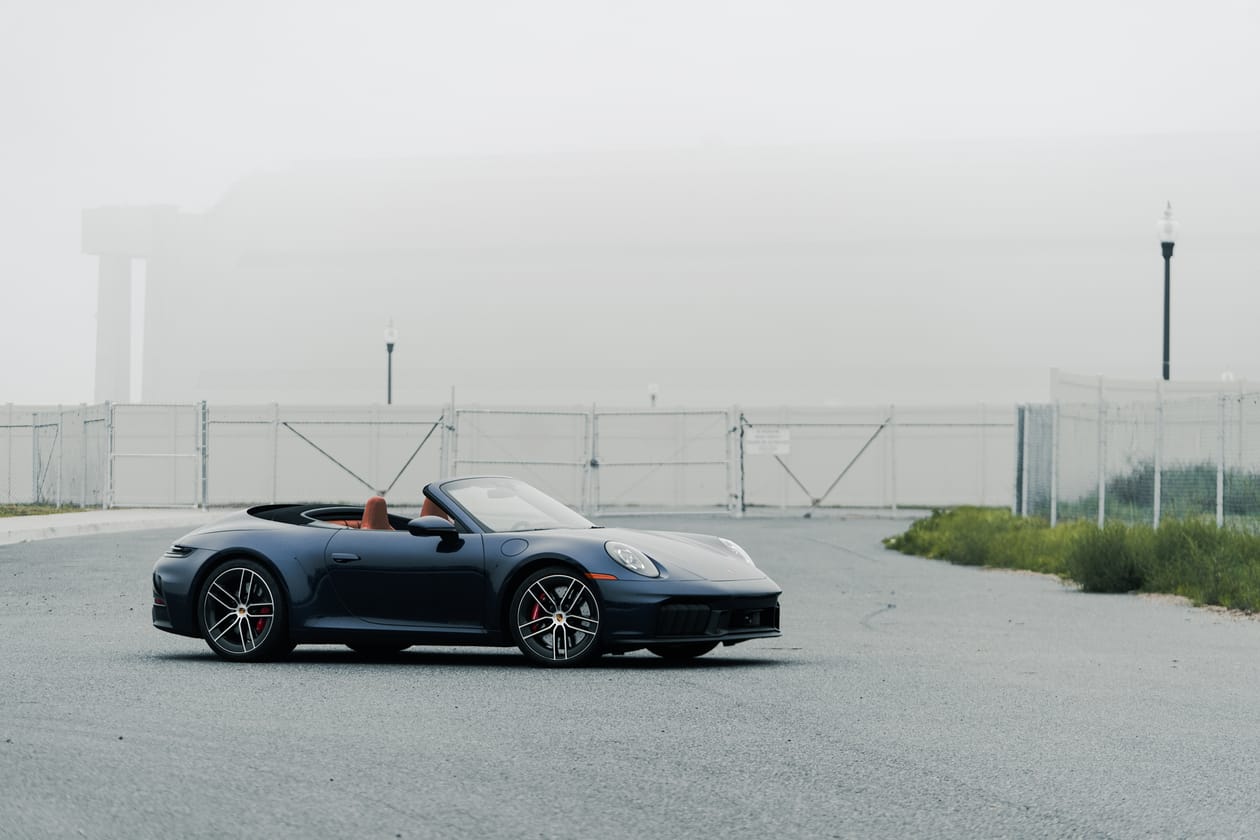
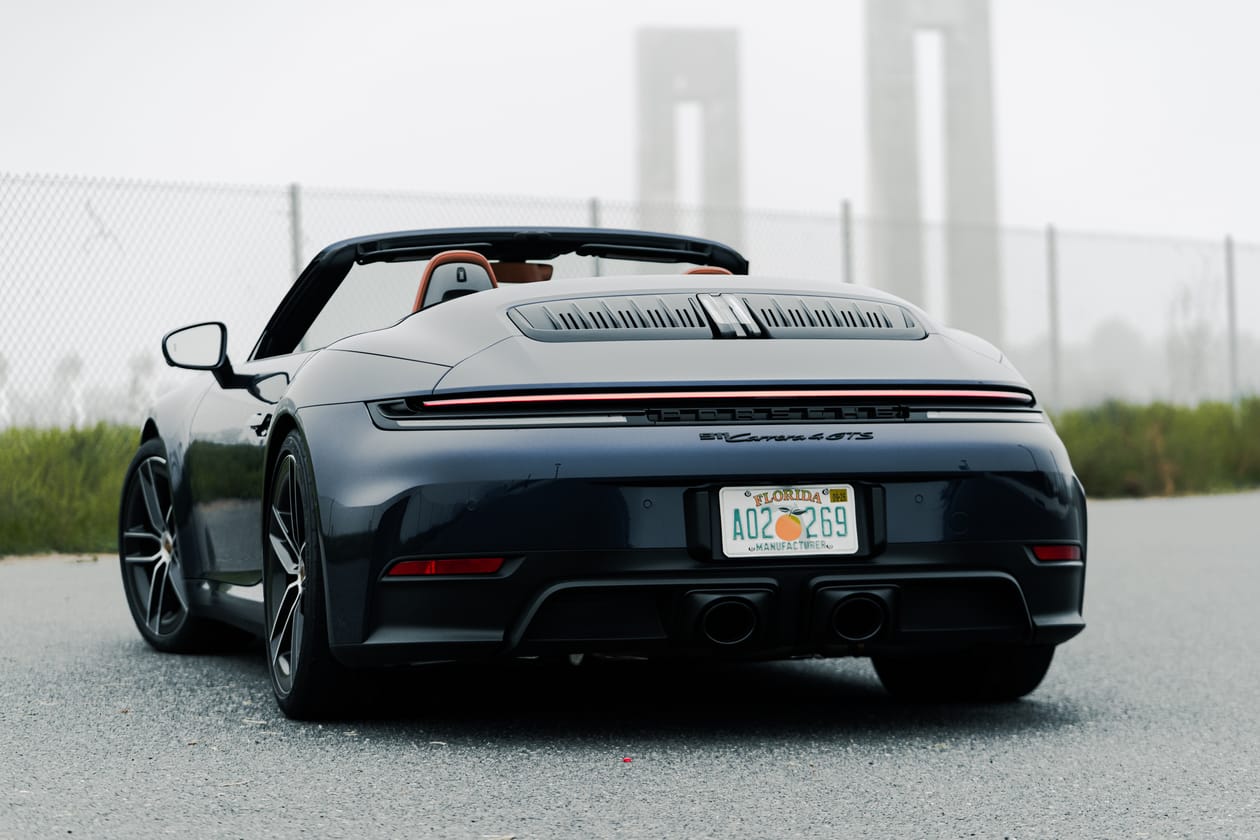
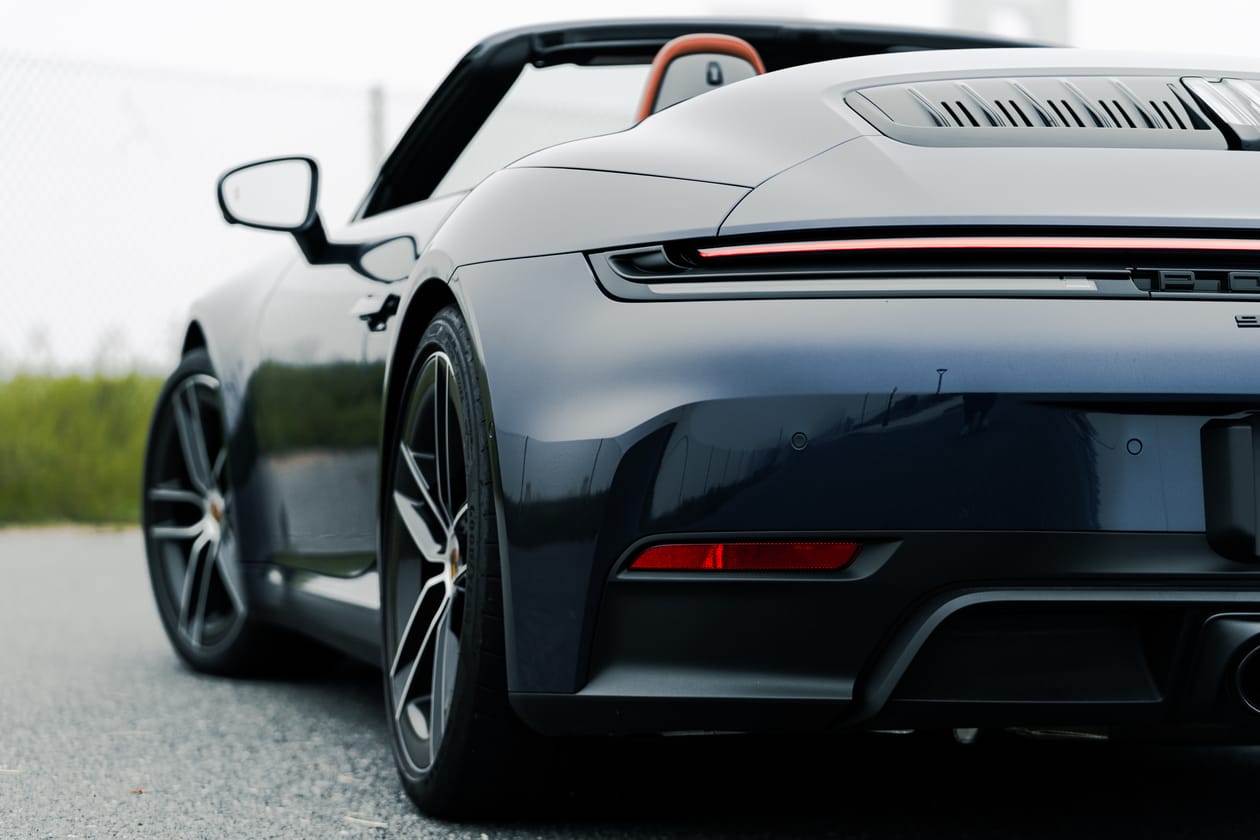
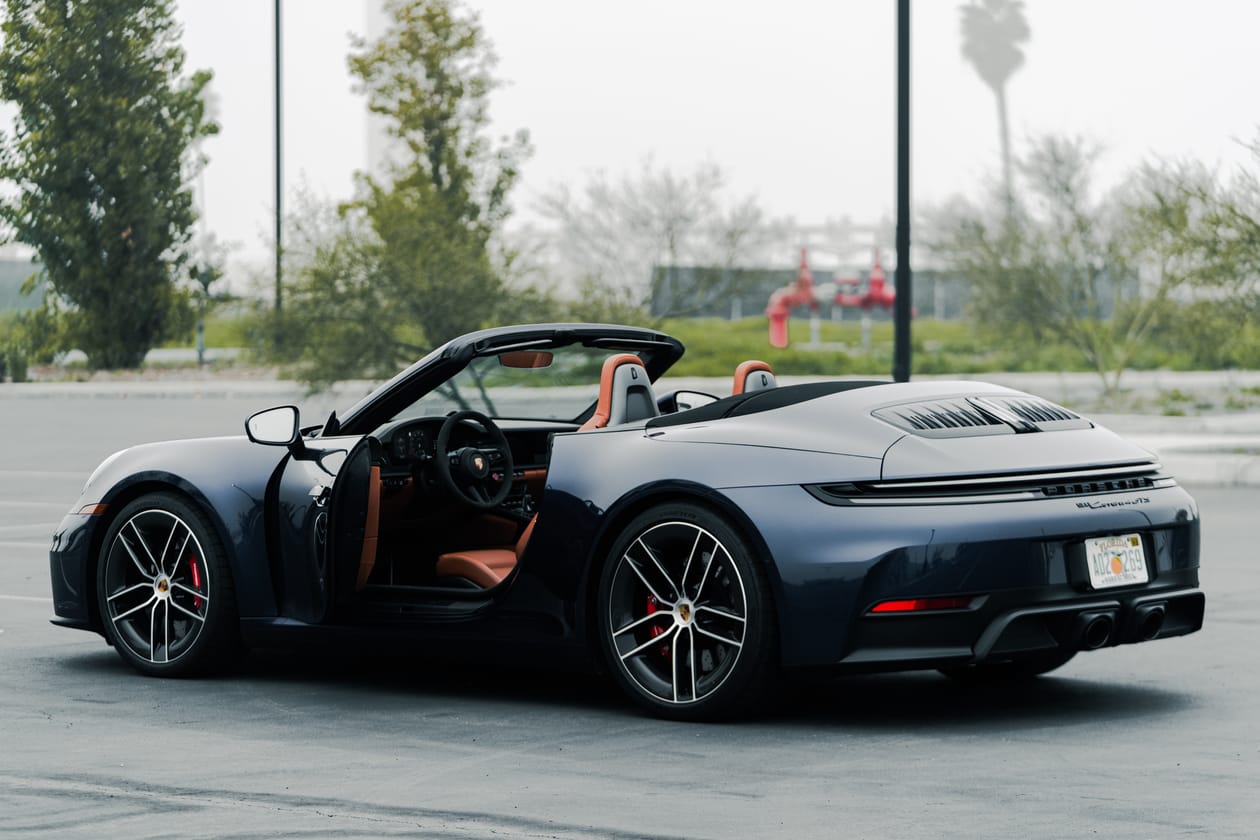
This is something Porsche has been stubborn about since the 911’s inception in the early 60s: short wheelbase, swooping rear window, exaggerated fender arches. Thankfully, this hasn’t changed much in the 992 generation.
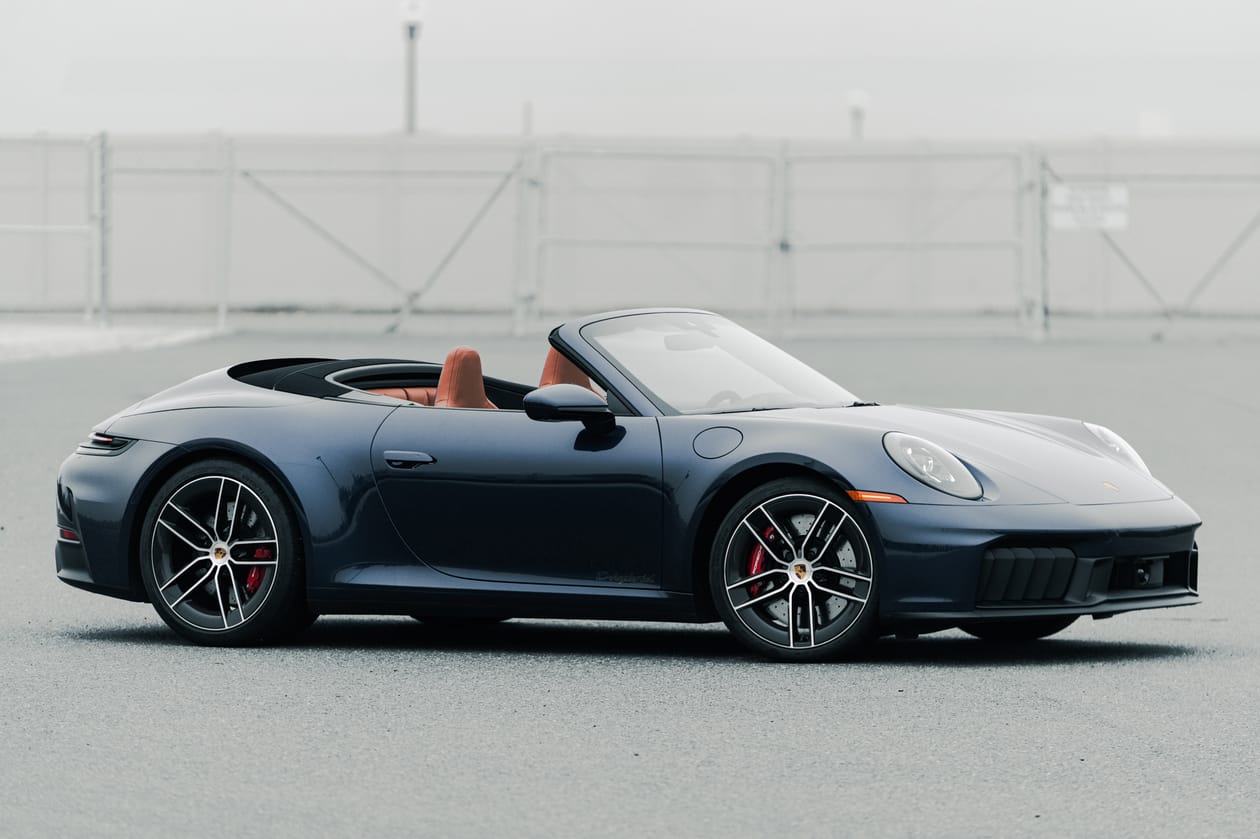
Our review loaner arrived in the guise of a 911 Carrera 4 GTS Cabriolet – we’ll address the “4” later and focus more on the lattermost. Obviously, the drop-top nature of the car gives both positive and negative characteristics for any sports car owner. On one hand, there’s nothing like the infinite sky above you, the feeling of wind in your hair, and the noises you hear from both the car and the road. To some, this is a must. To others, it’s a flaw in the overall shape, and a huge disruption to the flow of the roof. We’re in the latter camp. The saving grace however is modern 911s – since the 991 in fact – has had lightweight panel bows that stretch the roof so tightly that they follow the contours of the car. In pitch blackness, the silhouette of the coupe and the cabriolet with the top up is nearly indistinguishable.
Beauty is in the eye of the beholder, but we must admit the 992.2 has dropped a few points from our favorite generation – the 993 – and even from the 997, the “modern classic” favorite now for enthusiasts.
Historically, the Porsche 911 had body variations between “narrow” and “wide,” with Carrera S cars during the 993 air-cooled generations and the four-wheel drive (the “4”s) editions adopting bigger hips. Since the 992 however, everything is now “wide.” Owners were divided by this decision a bit, since the distinction between narrow and wide was often a topic of conversation, pride and, of course, personal taste. While we found ourselves pleased with the curves of the 992.2, it was unsatisfying to know that “they all look like this now,” with only roof choice – cab, coupe, or targa – and color being your options for differentiating body.
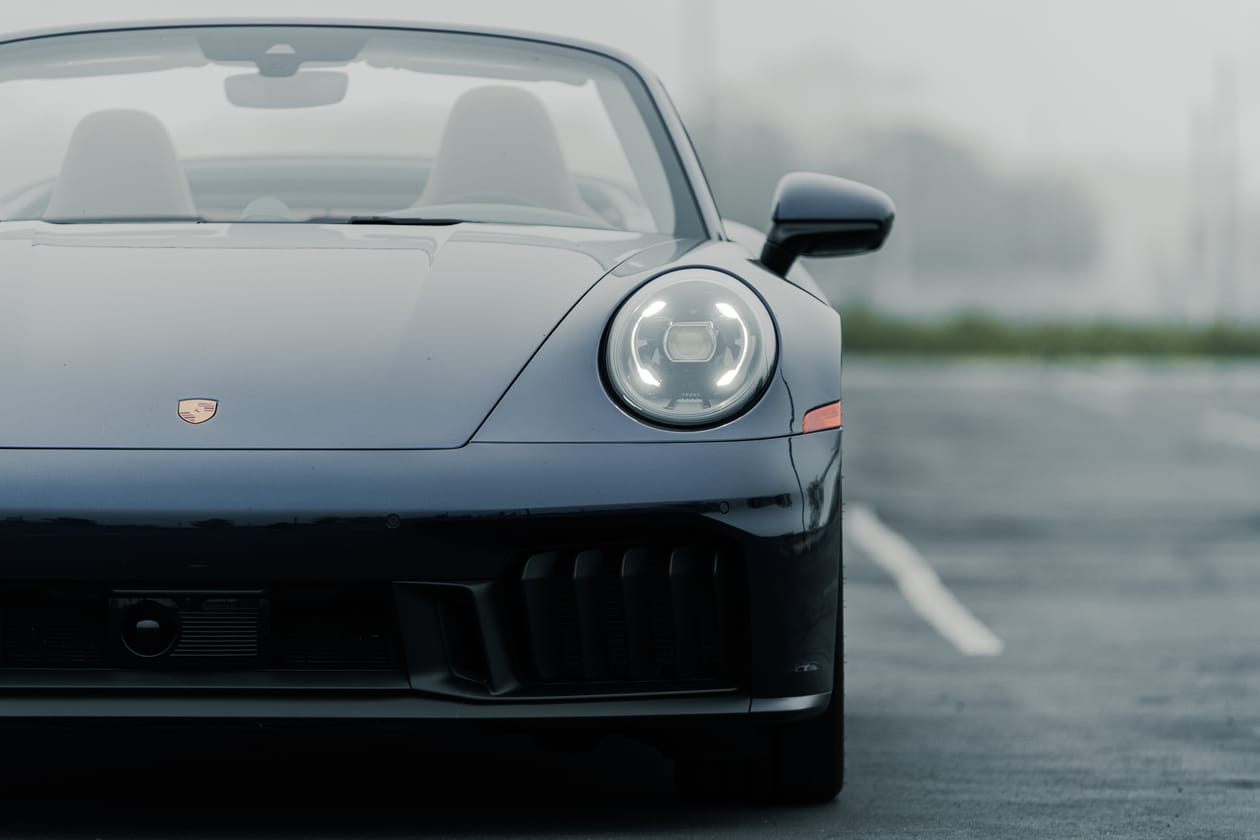
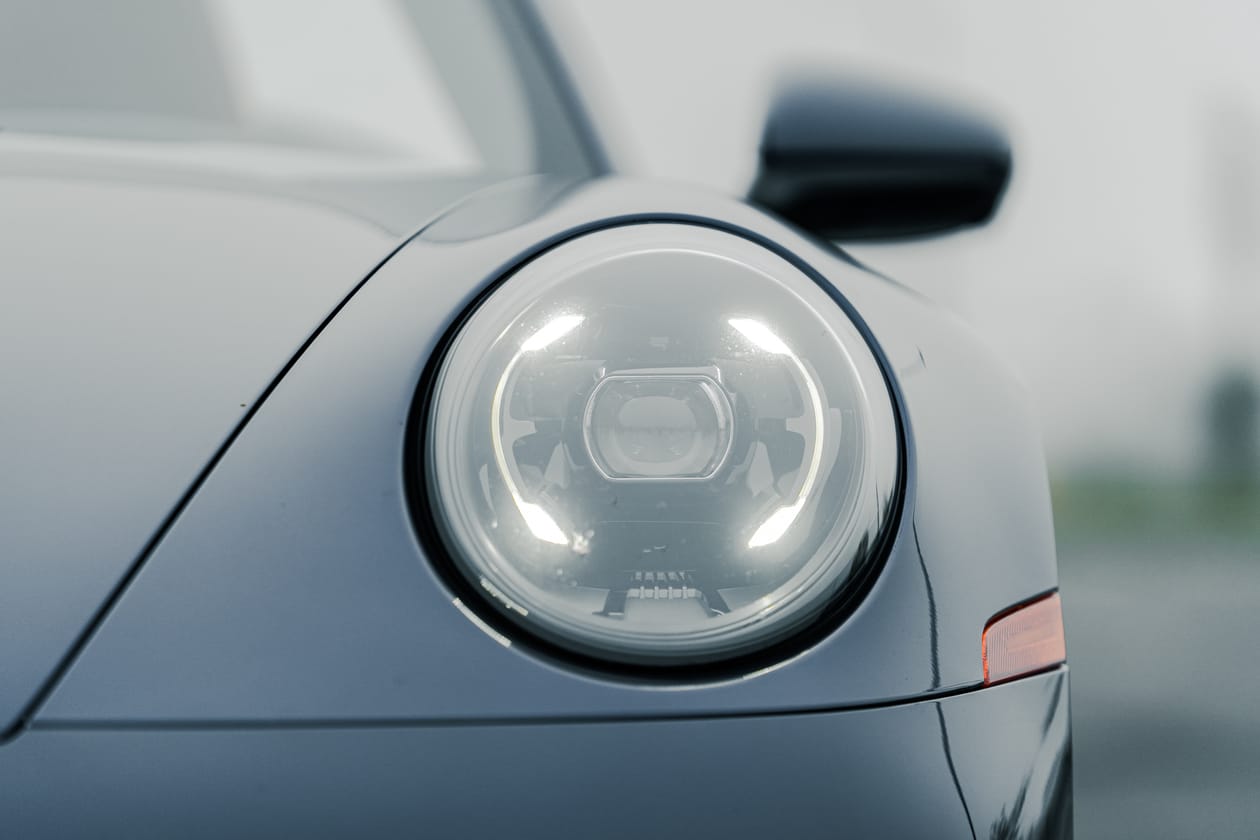
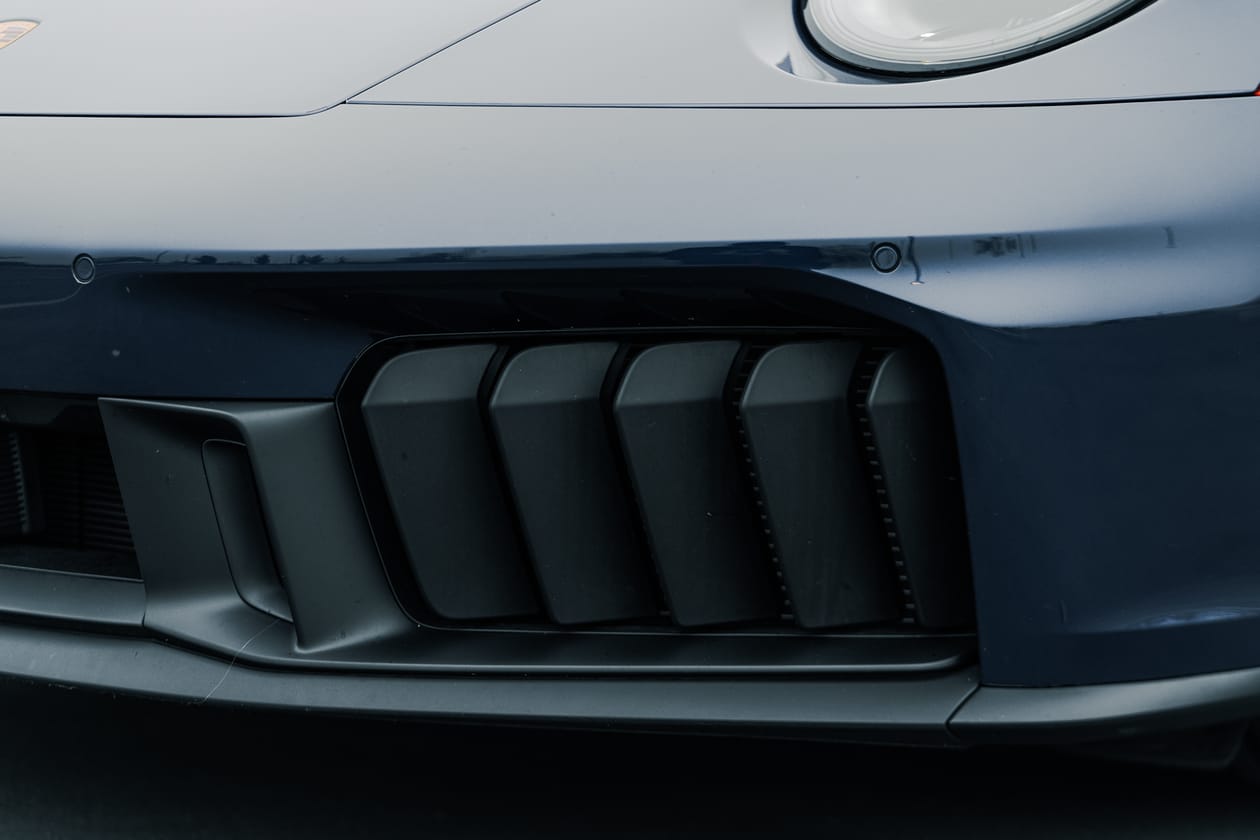
The 992.2, specifically the GTS, has more divisive design elements. PDLS – Porsche’s “Dynamic Lighting System” – gives the headlights the “X” factor, literally. They’re bright and the best option for lighting up the street, but our opinion is that they are less elegant of a set of eyes than just standard LED lights that fill the iconic round headlights, so we’d opt away from them. The GTS also features active aero flaps embedded into the front bumper, that open and close to optimize aero, or airflow under demanding conditions. Again, while functional, they are quite an eyesore. Match them with a gaping black “mouth” and the 992.2 GTS is the least sleek and sexy 911 of all its previous generations. The suspension – even with GTS’s lower height – still put the car “up on a pedestal,” with a very unflattering wheel gap at the front even on its lowest setting. The saving grace however are the 20” + 21” staggered wheels, with carbon fiber blades between the spokes that gave it a really distinctive look.
Beauty is in the eye of the beholder, but we must admit the 992.2 has dropped a few points from our favorite generation – the 993 – and even from the 997, the “modern classic” favorite for enthusiasts. It’s not the ugly duckling for sure, but looks alone are no longer a defining reason for buying a Porsche 911.
The Drive
Eddie Eng/Hypedrive
Eddie Eng/Hypedrive
Eddie Eng/Hypedrive
Eddie Eng/Hypedrive
Eddie Eng/Hypedrive
Eddie Eng/Hypedrive
Eddie Eng/Hypedrive
Eddie Eng/Hypedrive
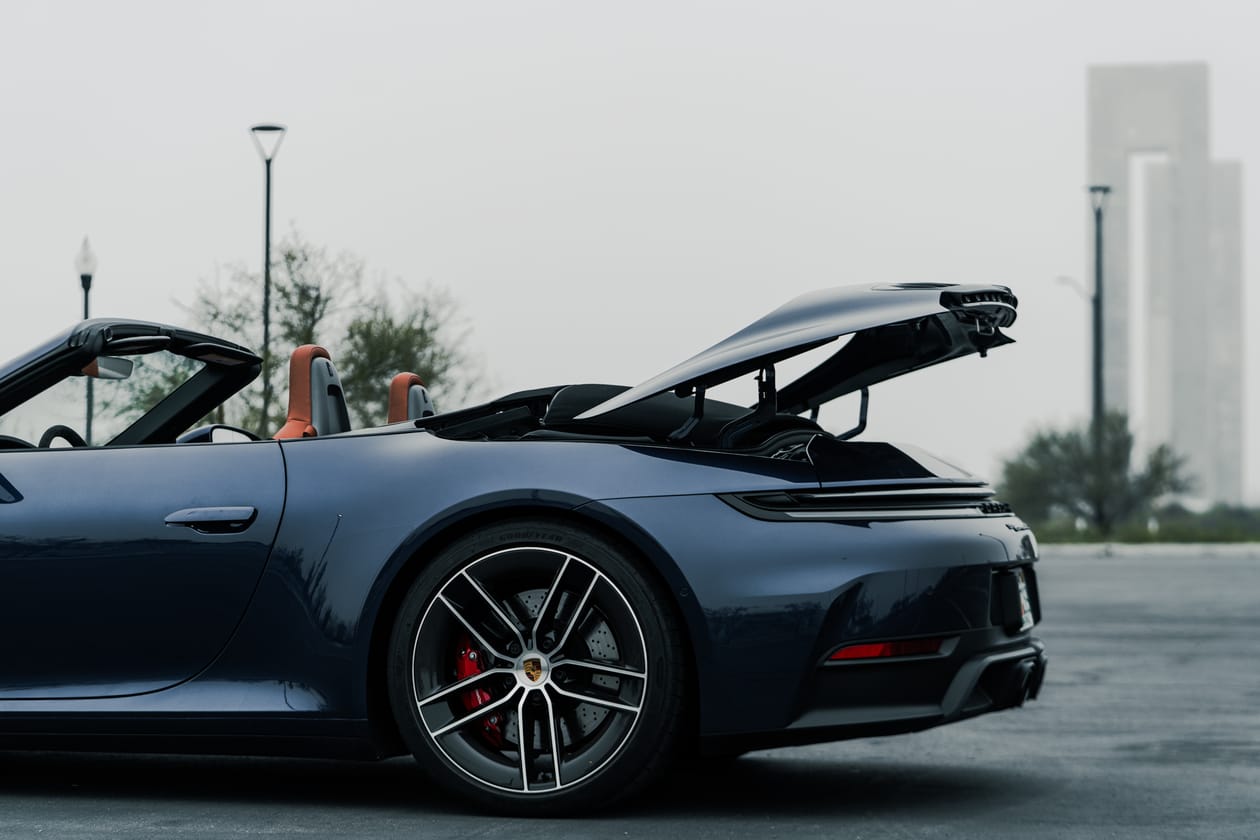
Thankfully, the 992.2 drove exactly how we’d expect it: like every other 911 before it.
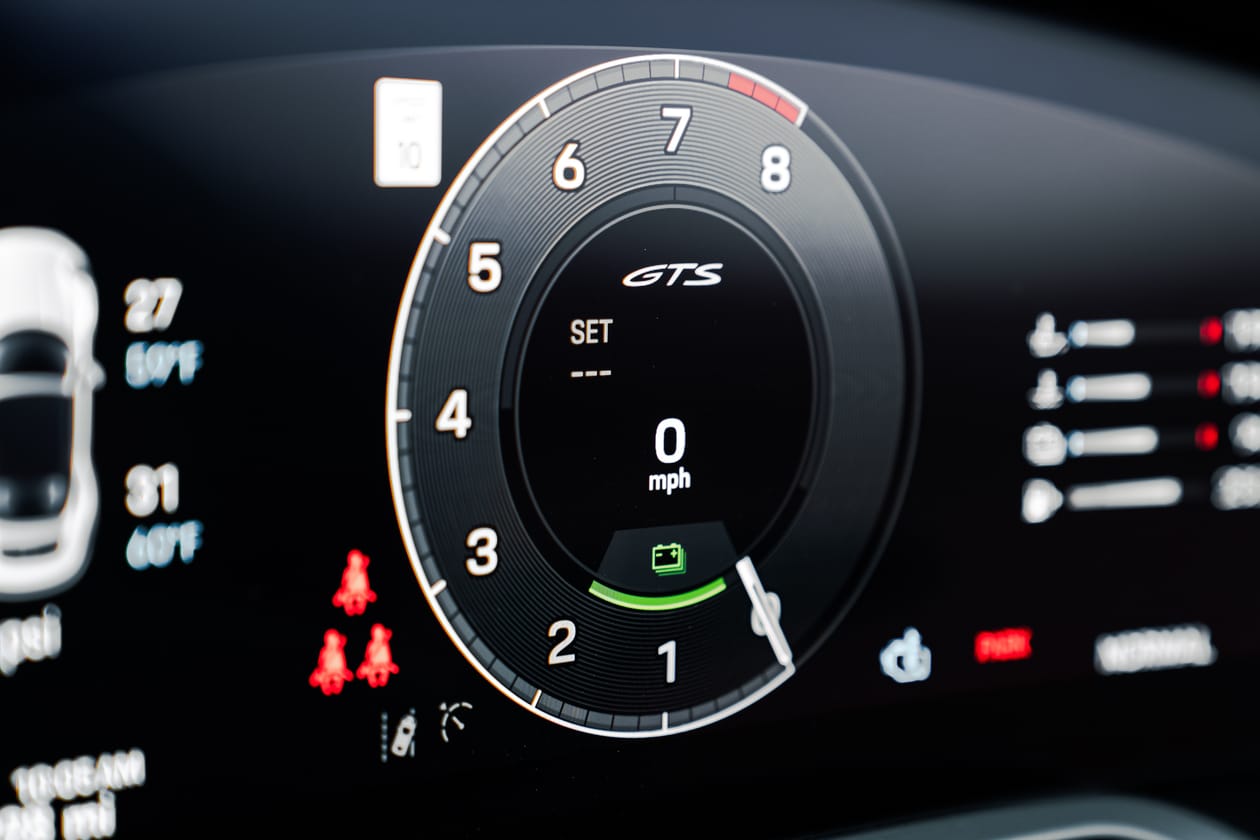
Naturally the rear-engine design gave the Carrera GTS 992.2 its characteristic lightweight front end and immense traction at the rear, rewarding the driver with the best handling you can ever ask for in a sports car. Our example came equipped with rear-wheel steering – standard on the GTS – and really helped make the car feel much nimbler and agile, especially at lower corner speeds. The suspension felt compromised, but in the best way – sporty during spirited driving and fairly compliant around town and on bumpy highway roads. Besides a few confusing elements with the interior functions which we’ll get to later, the cabin felt very straight forward and had everything that grants a fantastic drive while staying comfortable and properly entertained. And one of our favorite characteristics of a Porsche 911 that’s often overlooked – visibility – is still excellent. Porsche bestows upon the driver ultimate confidence when driving a 911, and that philosophy remains in the 992.2. All positives aside, there were a few things that left us wanting with the current 911, or for the first example, not wanting.
We’ll address the size first. The Porsche 911 992.2 is fairly large, mostly in overall length. On paper, it comes in at 178.8” inches in length, more than 3.3” inches from a 2005 997.1 (175.5”) and nearly a full foot more than the classic 993 (167.7”). Girth as well is something you’ll immediately notice if you have ever owned a previous generation – the body is simply… bigger. Window structures, rooflines, hoods, front and rear fenders – everything is enlarged. While a 911 is still unmistakeable in a parking lot, a key charm it had was its compact size and modest appearance – this simply isn’t the case anymore and it’s sadly a byproduct of automotive regulation and safety measures that’s just unavoidable.
Porsche bestows upon the driver ultimate confidence when driving a 911, and that philosophy remains in the 992.2.
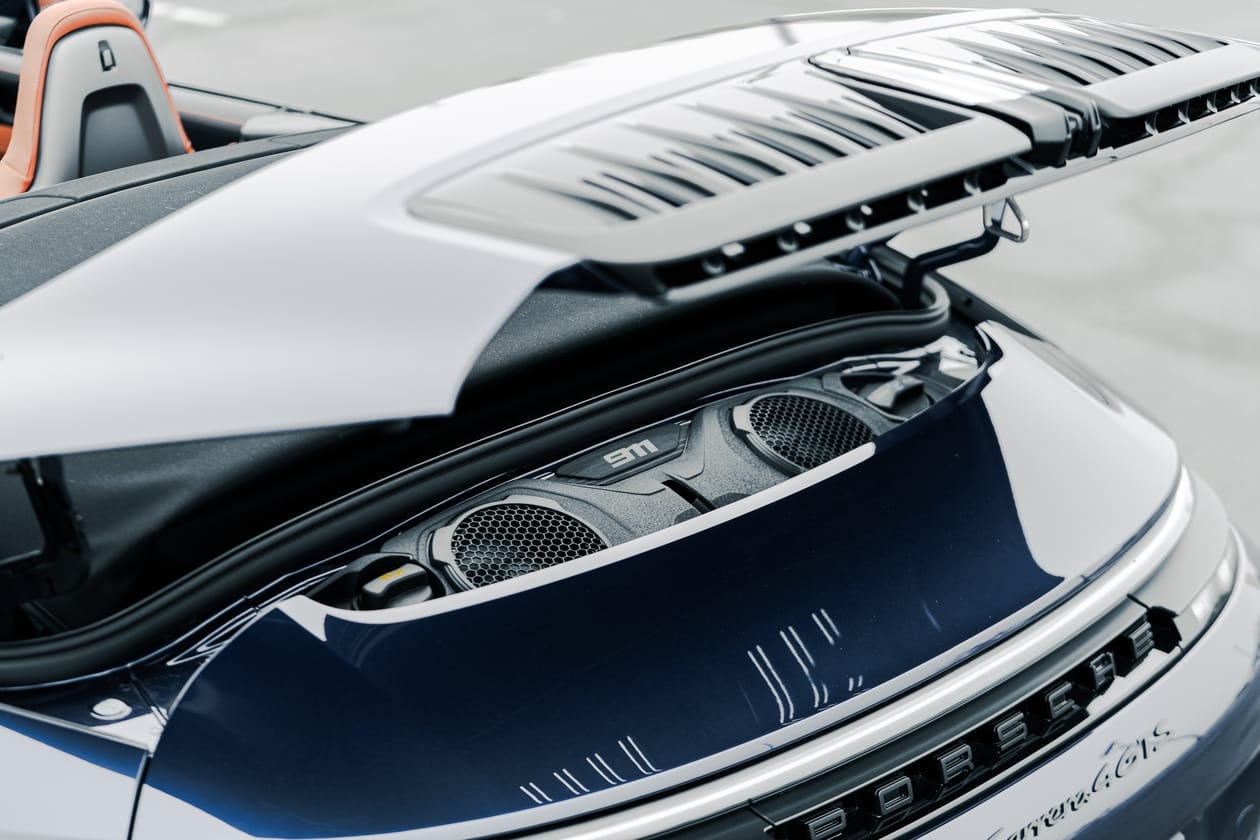
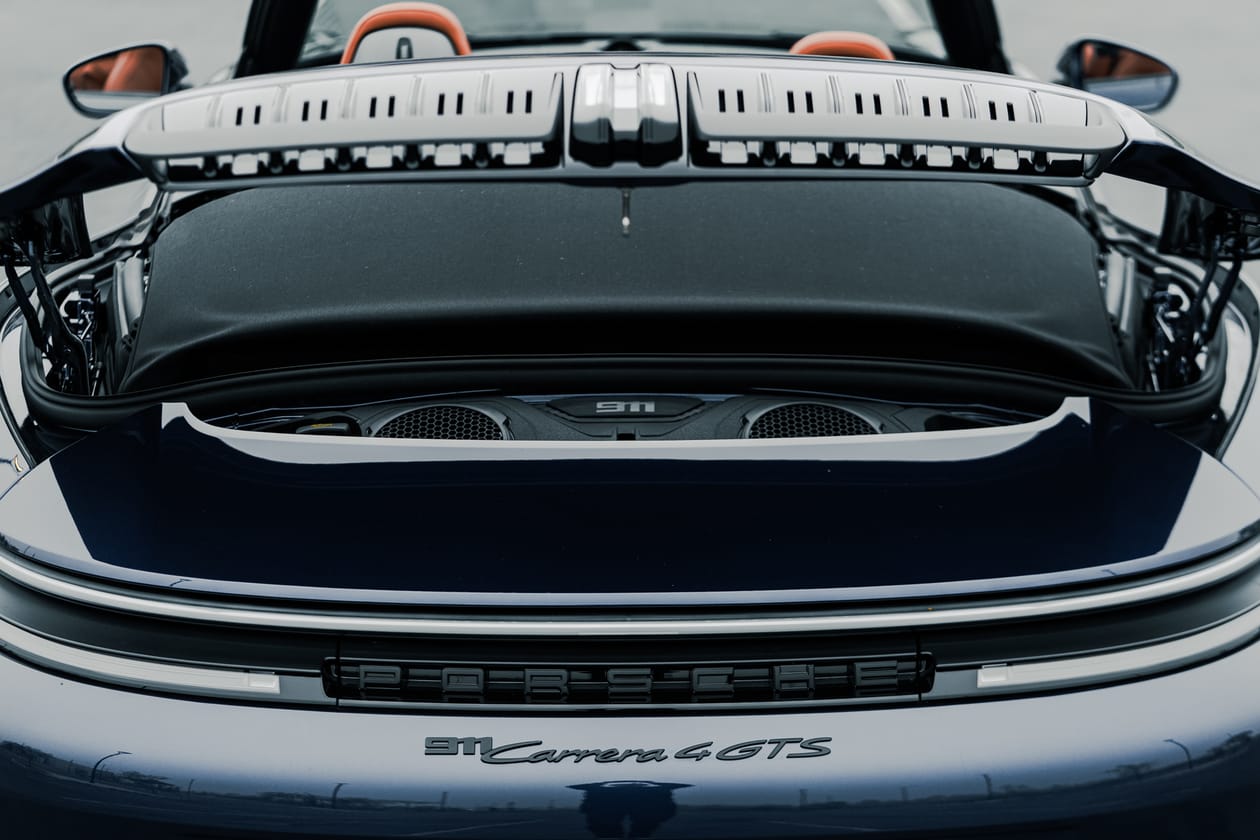
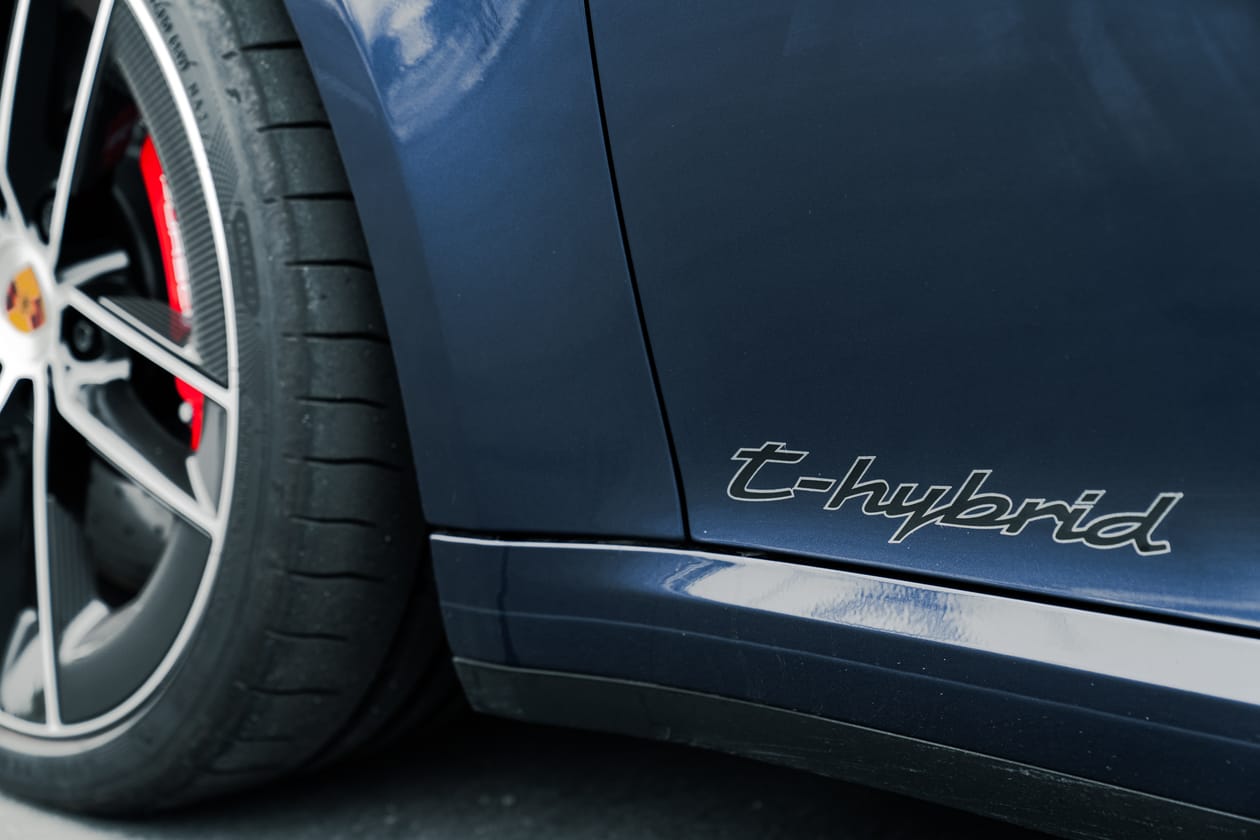
Next, we wanted to remark on the power. The GTS utilizes Porsche’s latest T-hybrid system, which uses an electric motor within the PDK transmission to aid in the transition of power from the 3.6L flat-six’s revs and the turbochargers. There’s also an electric motor within the turbochargers themselves, assisting in turbo spool and alleviating turbo lag. The system worked well for us, making the car feel very much like a supercar GT. Acceleration also felt very much instantaneous, and linear across the rev band. If you’re concerned about exhilaration, you won’t be disappointed with the new 911.
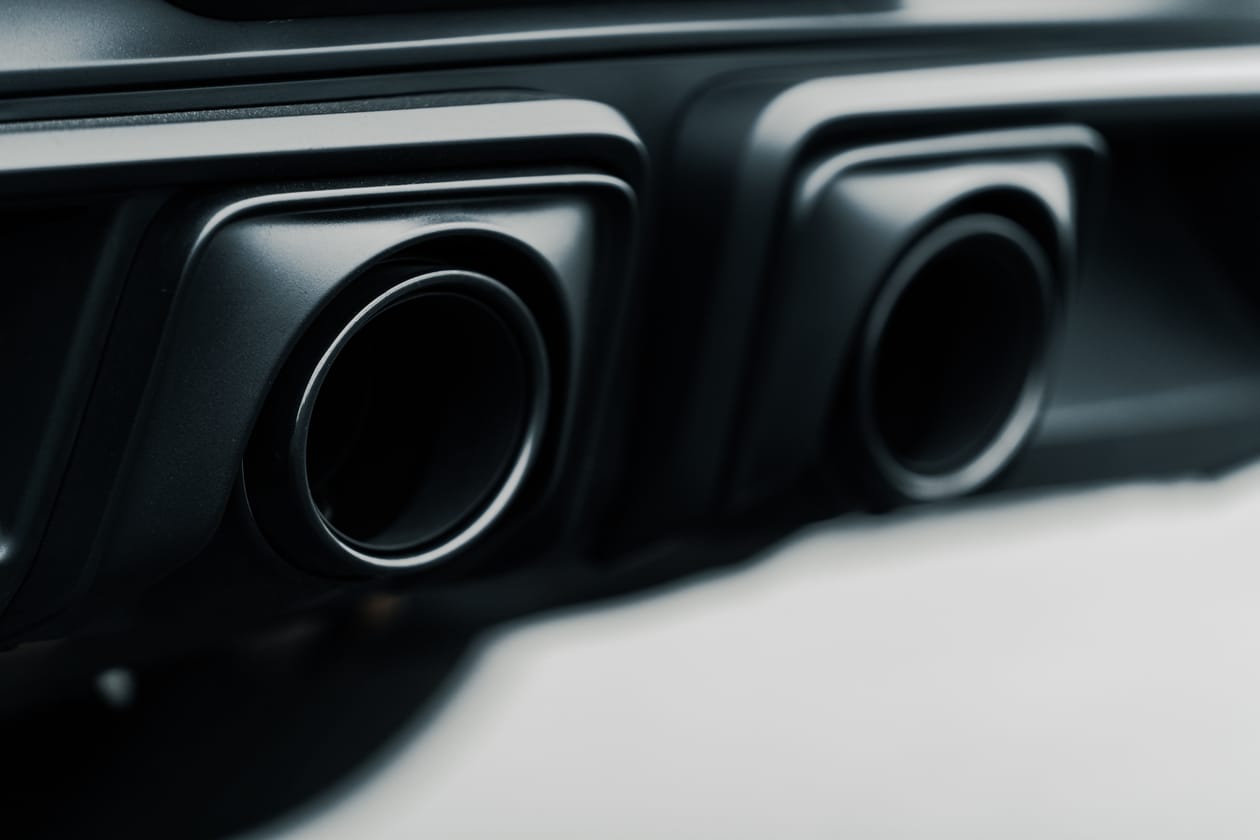
The problem however, lies in the not what you feel, but what you hear. One of the definitive aspects of the Porsche 911 was the flat-six rasp, something classic in the air-cooled days and still prevalent in the water-cooled era as well. There was always an inherent metallic tone to the revs, most notable in the 5k to 7/8/9k range, depending on your model 911. The 992.2 GTS for however, as strange as this may seem, sounded more like a V8. It was deep and growl-esque, with a higher pitch as the RPMs climbed. And while we might be ok with this at the end of the day – V8s can sound great – it definitely didn’t fit the tone of the car. Perhaps it’s more because we’re so used to the raspy scream of the older models, but this was our least favorite aspect of our 911 loan.
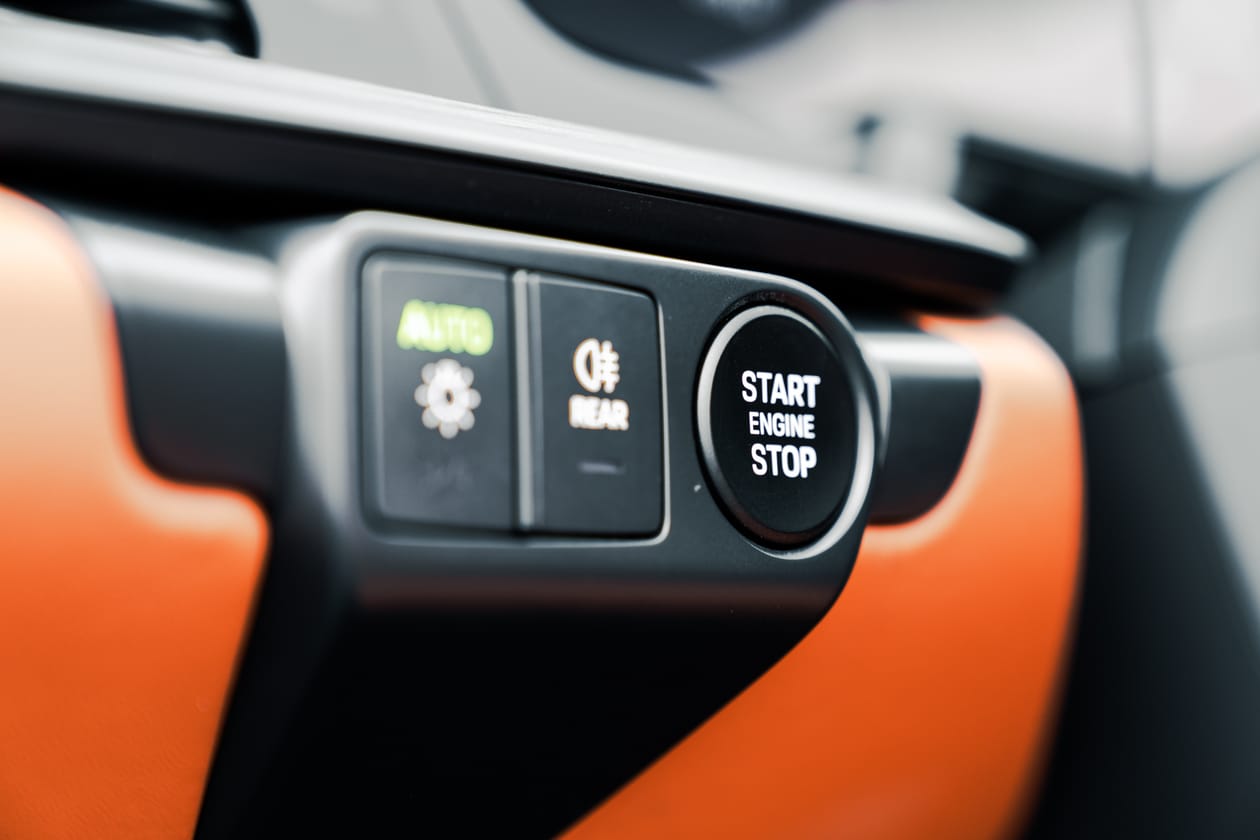
Other minor let downs include: Auto Start/Stop can’t be defeated, so your only choice is to assign it to the steering wheel’s “♢” hotkey; same with A/C off, which was only accessible through the touch screen HVAC menus; we did receive “Smart Lift” errors where the car wouldn’t automatically lower back after axle lifting, possibly due to obstructed GPS signals. Nevertheless, these didn’t deter us from agreeing that how it drove is our defining takeaway from the Porsche 911 992.2, and we’re perfectly ok with that.
The Luxury and Image
Eddie Eng/Hypedrive
Eddie Eng/Hypedrive
Eddie Eng/Hypedrive
Eddie Eng/Hypedrive
Eddie Eng/Hypedrive
Eddie Eng/Hypedrive
Eddie Eng/Hypedrive
Eddie Eng/Hypedrive
The luxury – and as a byproduct, the image – of the Porsche 911 992.2 remains strong and similar to previous generations.
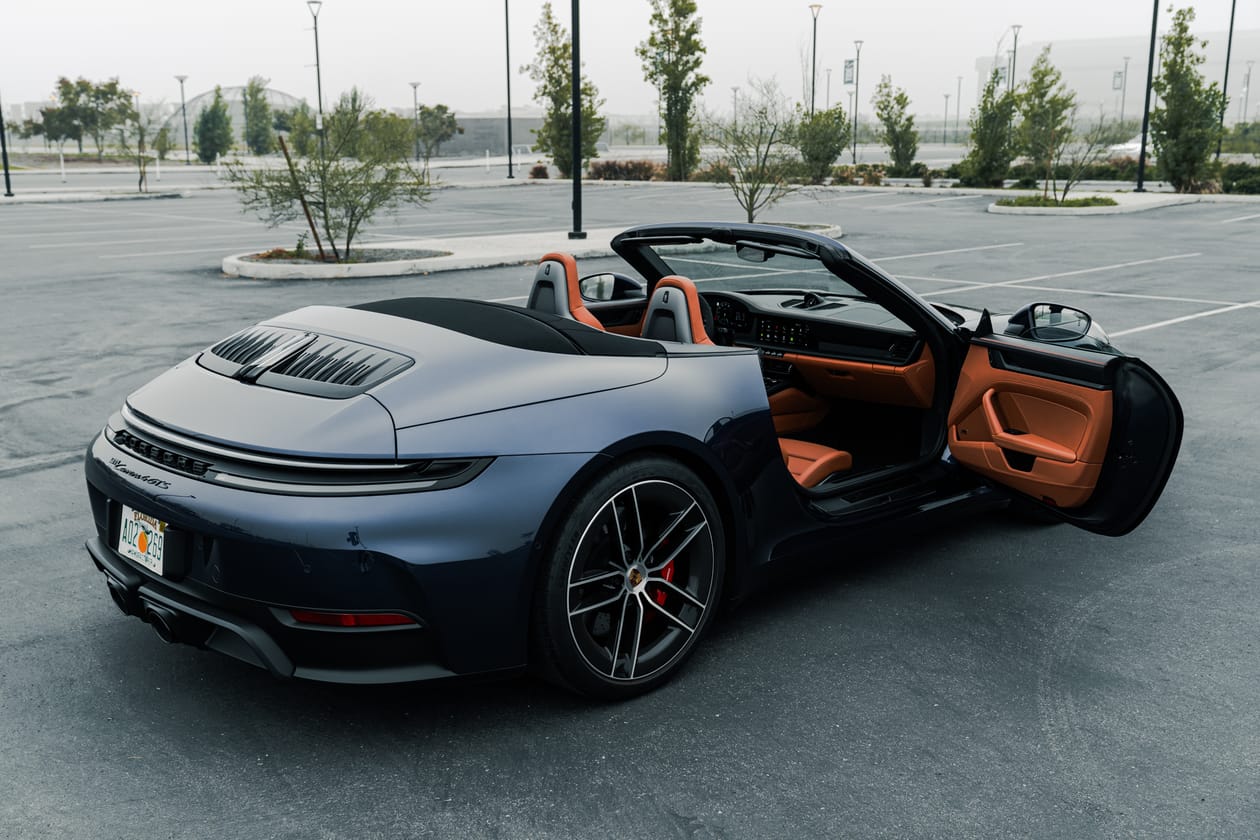
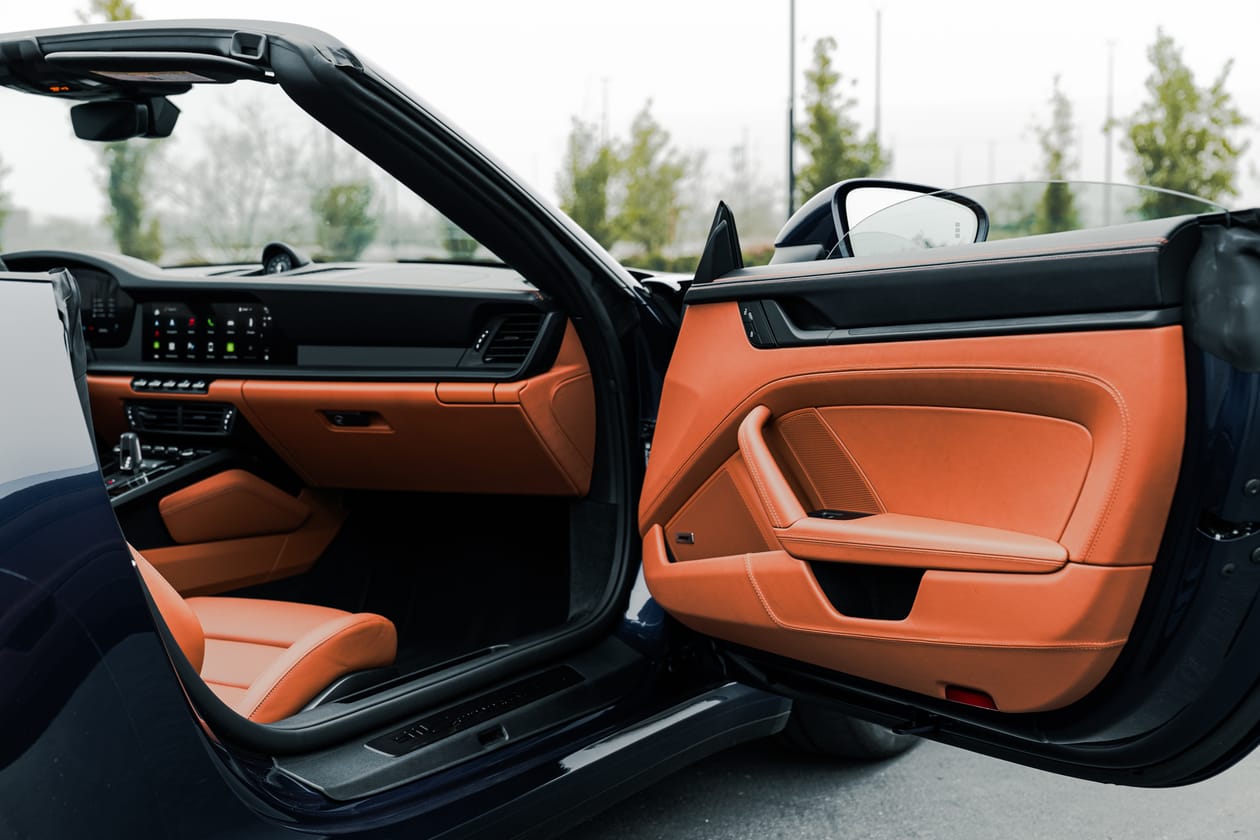
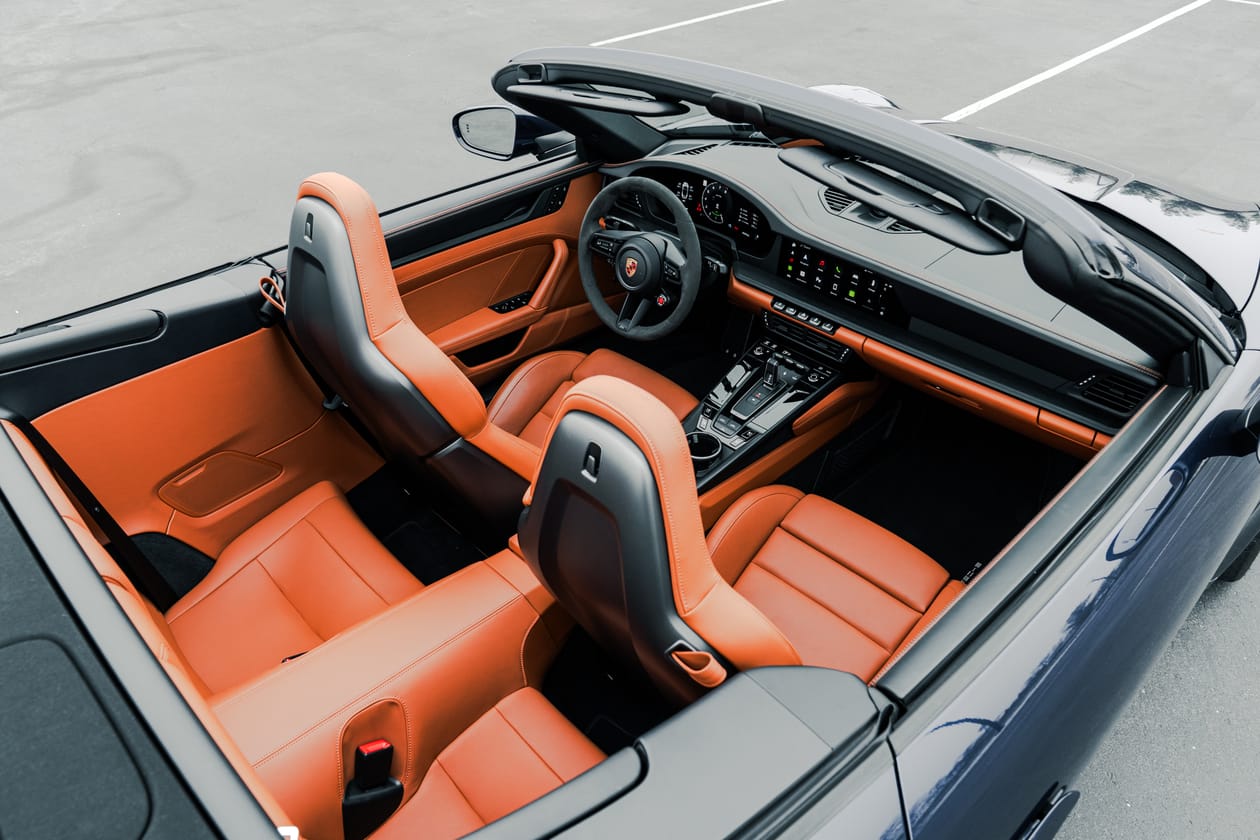
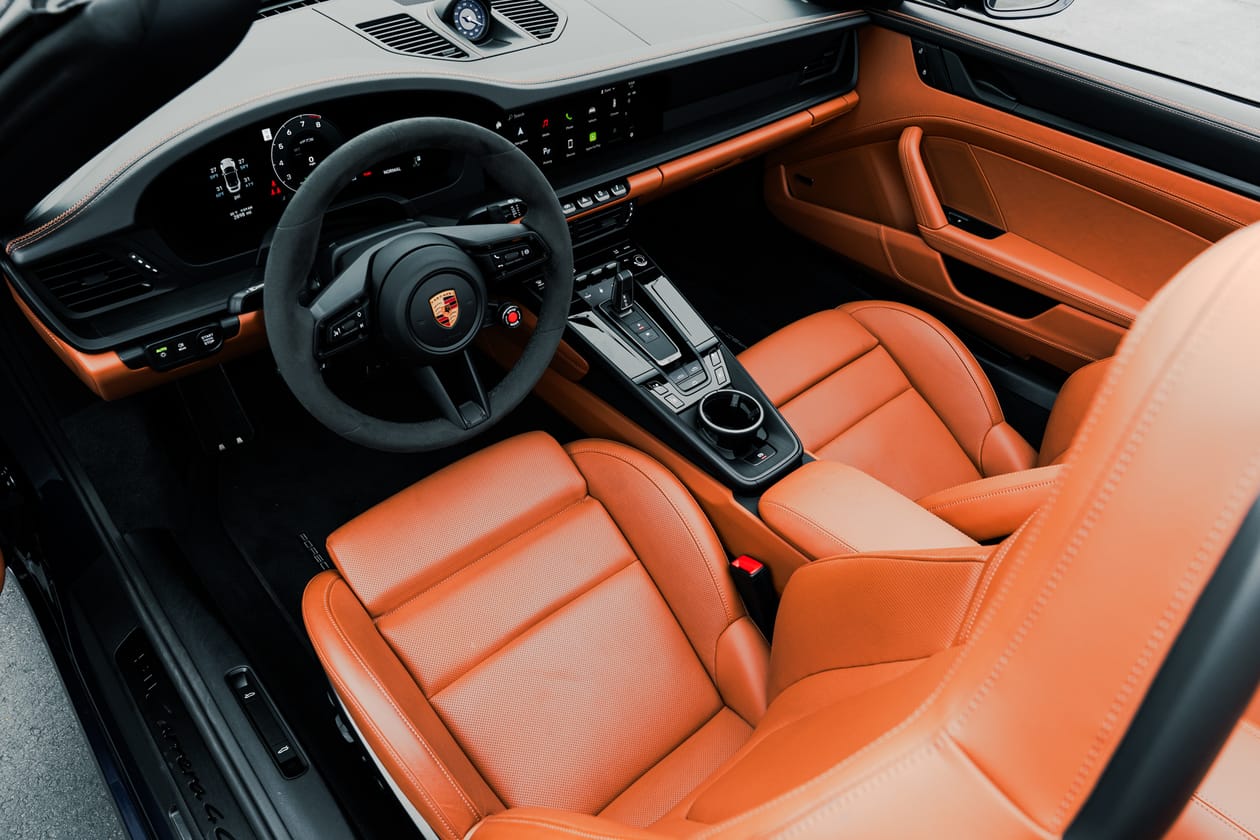
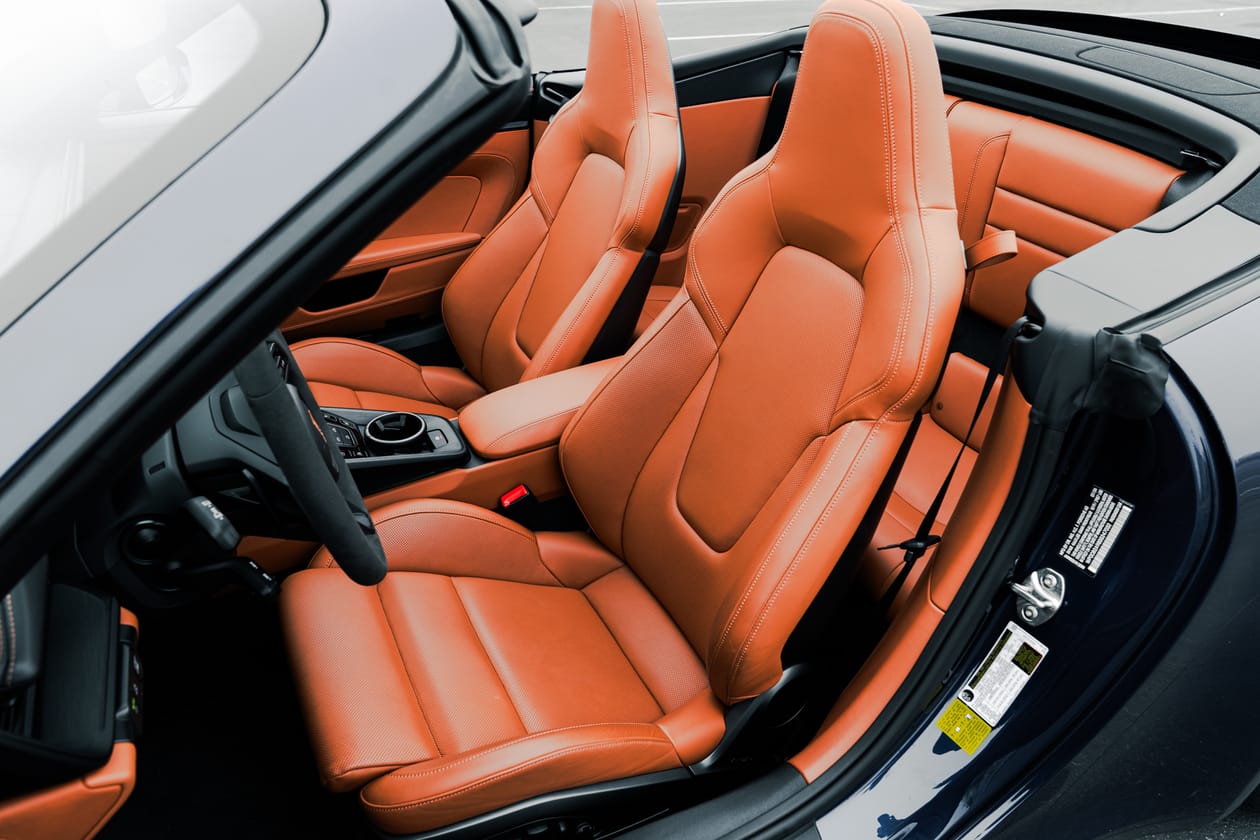
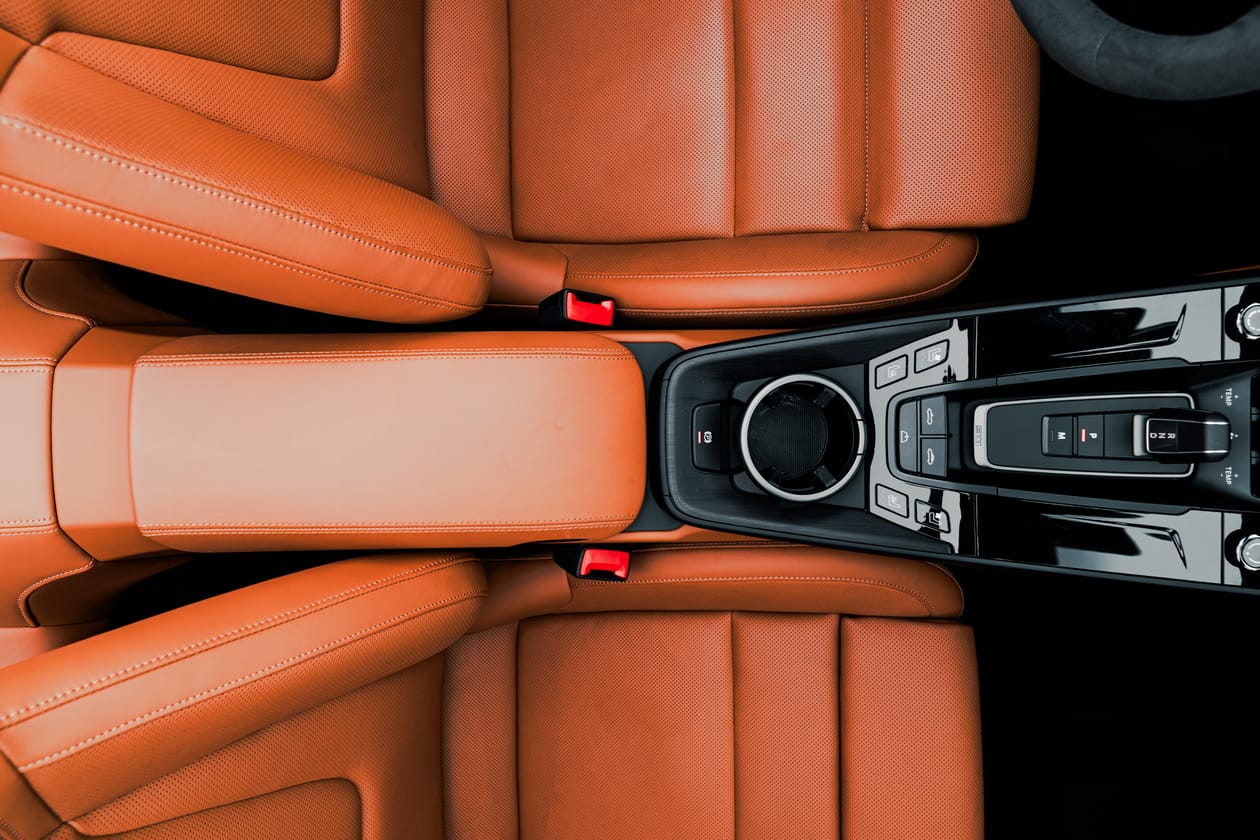
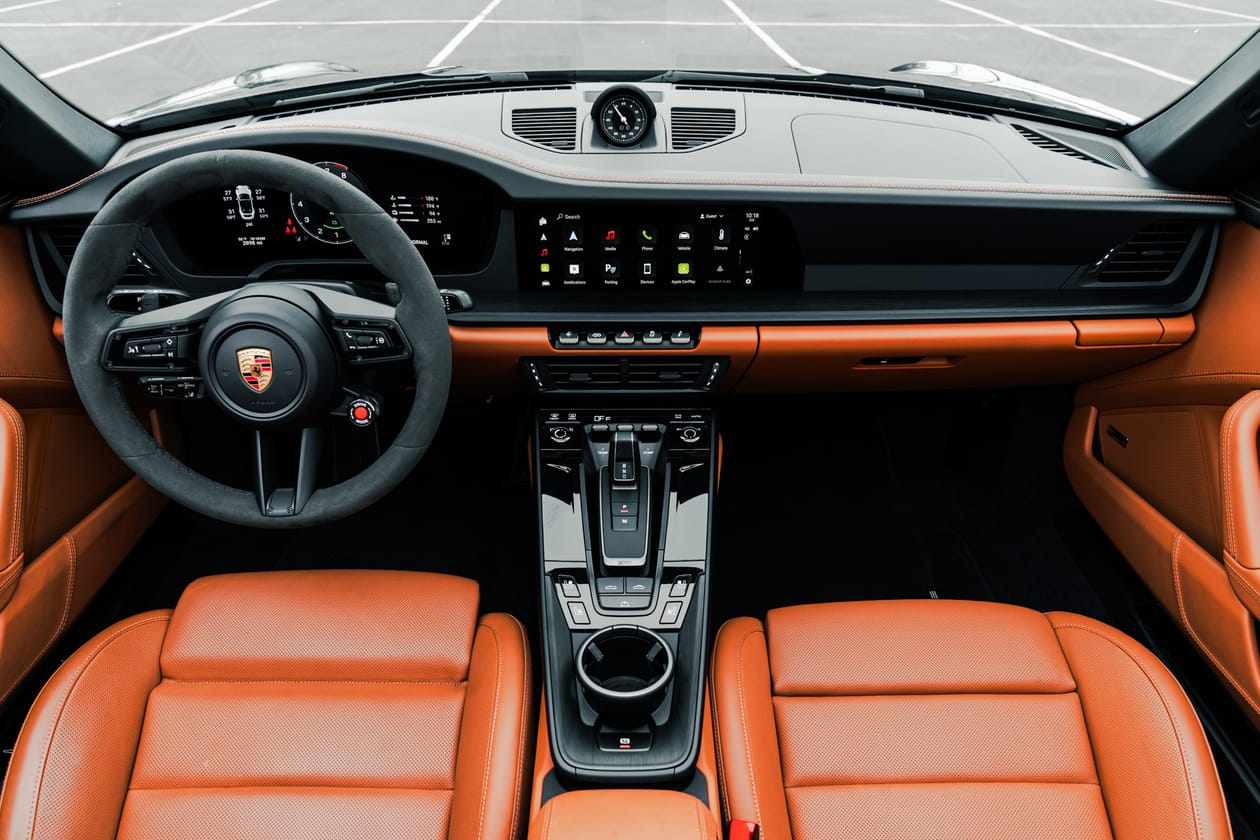
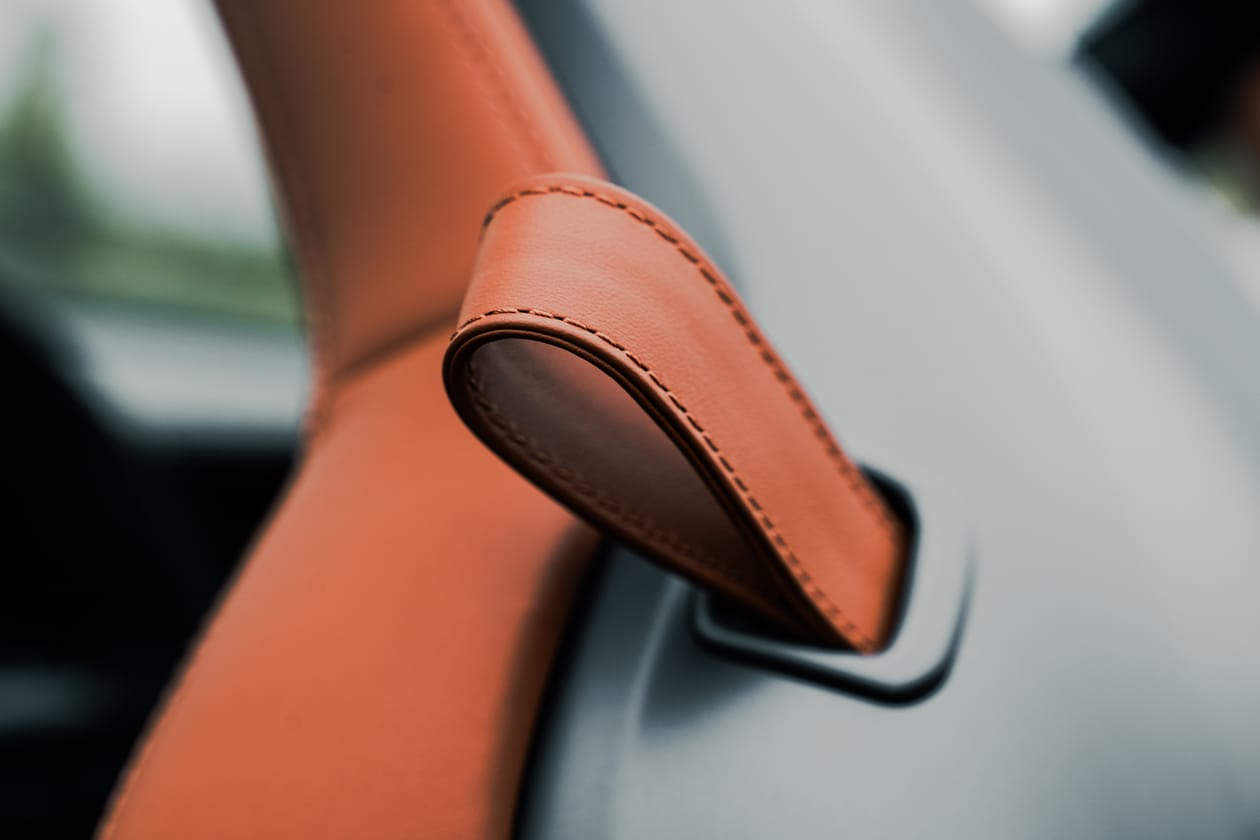
Our GTS came with a fairly classic color combo of Gentian Blue Metallic over Truffle Brown full leather interior. The deep blue paint was flawless, irregardless of the car’s credential as the press car and its numerous test drives from other publications. Brown isn’t the first choice for a lot of people but Porsche has always embraced the shade, not only as a color choice for specific paint jobs, but in our opinion a nod to their past – something Porsche obvious does a lot throughout the 911’s life. Switches and buttons, and the haptics and clicks all feel exceptionally solid and well made which actually is an improvement over previous generations – 996 and 997 specifically. We still feel like a million bucks driving this down the road, and with the top down it’s only compounded exponentially. Nothing from the car feels “cheap” or “corner-cut.”
So is this new for a Porsche 911? Not quite. The 911 has had a personality change halfway through its upbringing, with the earliest examples dating back to the “901” era to the 993 as a purpose-built sports car for the discerning individual. The 996 was the catalyst for the shift, as Porsche was undergoing a downturn in the business. The radical design (largely just the now infamous “runny egg” headlights), the corner cutting of sharing Boxster parts, and the switch to more efficient water-cooled engines gave devoted fans some things to turn their noses up to. This would be followed by incremental “improvements” that the community once again scorned as departures from purity: direct fuel injection in the 997.2, electronic power steering in the 991.1, and ultimately turbocharging in the 991.2.
While all of these affect drive, visceral feel, and emotional engagement with the driver, none of it ever drew away from the luxury image that remained across all Porsche 911s. Perhaps the only feeling that has changed over the generations is a realignment towards functionality, and a more forgiving nature towards “innovation” against tradition. There’s a lot of regulatory changes within the automotive industry that every automaker must eventually abide by, and Porsche is no different, with pushback, reportedly. But the 911 has found ways of lessening those demands by finding minimal ways of disruption – using hybrid technology to aid performance and rather tuning the engine more so for fuel efficiency, for example. This methodology has kept the image of the 911 intact.
Eddie Eng/Hypedrive
Eddie Eng/Hypedrive
Eddie Eng/Hypedrive
The 911 has found ways of lessening [industry] demands by finding minimal ways of disruption. This methodology has kept the image of the 911 intact.
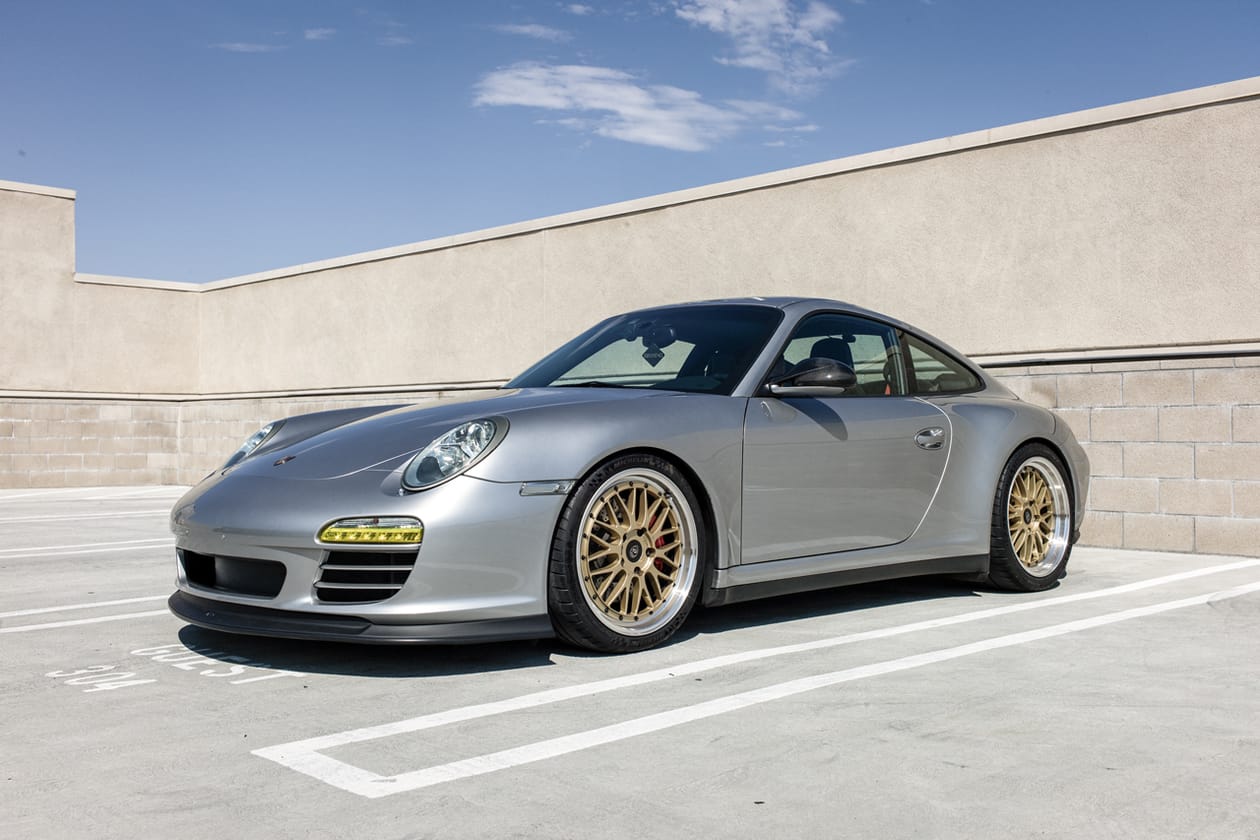
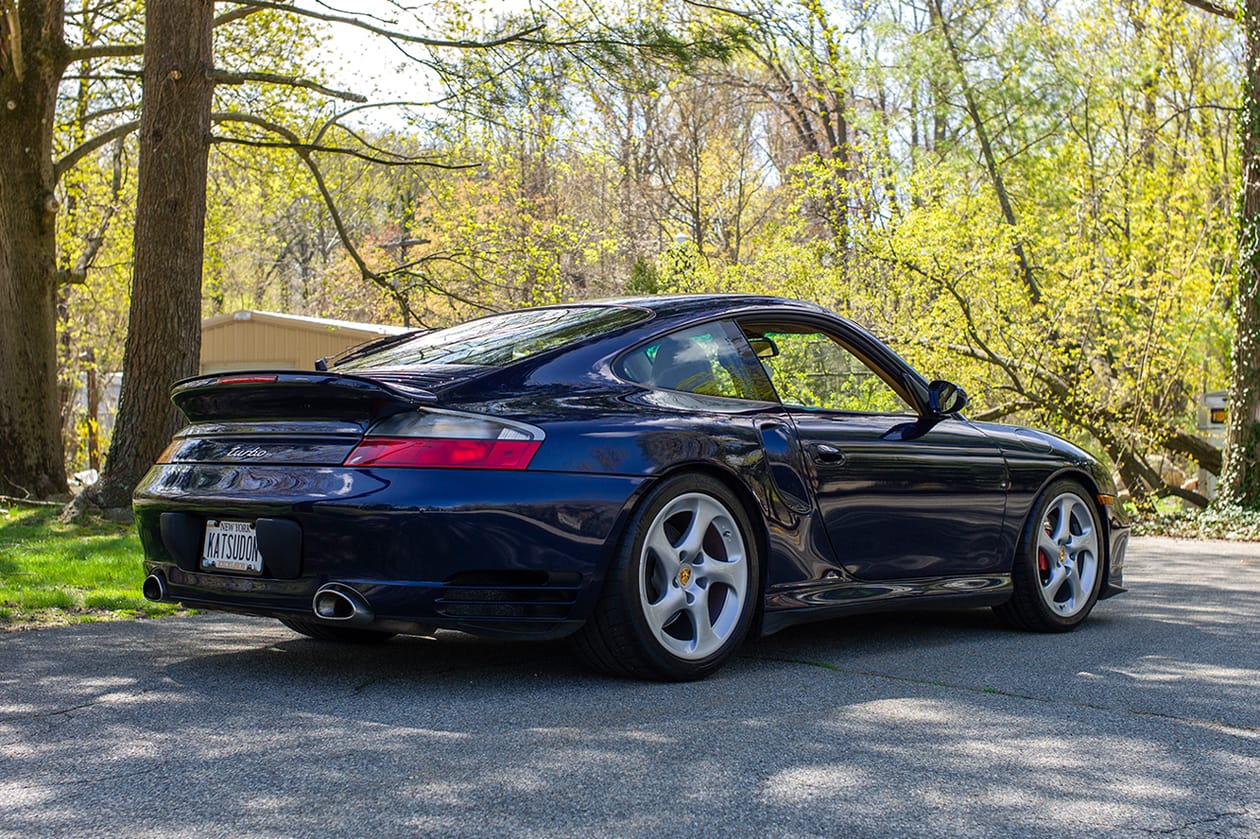
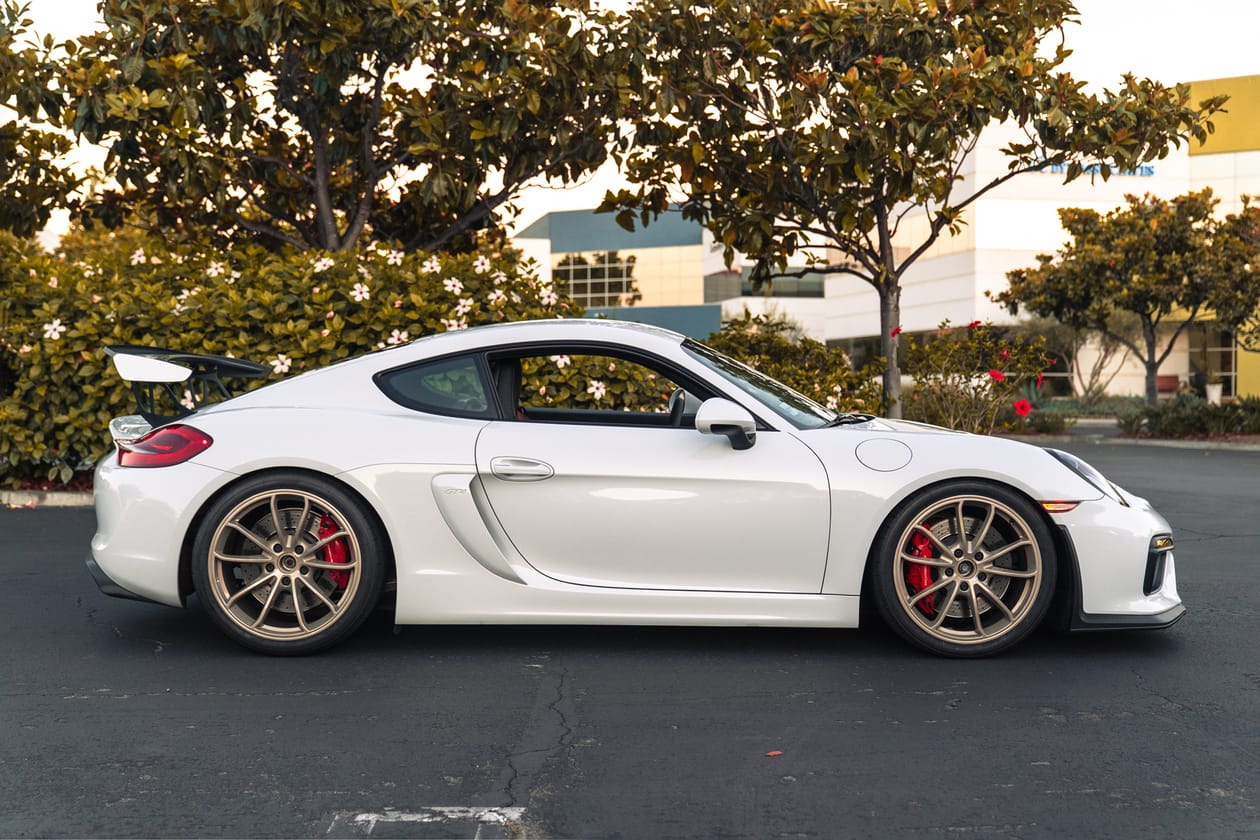
As an owner of a few Porsches, this review was a bit hard to write. It’s difficult to separate biases and comparisons, largely because those cars made such an impact as an owner and enthusiast. It was tricky to try to disregard the steering feel, since the 997.2’s steering rack returned so much more feedback through our fingers. It was a true challenge to put aside the small size of the 996 Turbo. And, while technically a different beast, it was a hurdle to hold back on comparing the weight difference alongside a sub-3,000 lb. 981 GT4. But alas, we were focused on the task at hand.
If we were to summarize the 992.2 in one word, it would be “incremental.” The improvements are linear with the ones we saw with the 997, 991, and 992.1 – there and noticeable, but just one step above its predecessor. Sure, if you’re jumping generations and comparing a 992.2 to a 997.1 or even 993s and 964s, it’s apples and oranges. And that’s the only headwind in our opinion of Porsche’s competitor to the current 911 – the older 911s. If you’ve ever owned one before, the latest probably isn’t to your liking. But objectively, the 992.2 is an incredible car that’s fast, fashionable, and forever “Porsche 911.”