After hallyu hit the global stage, South Korea’s creative imprint is ever-present. From the boom of Korean cinema and K-pop to the Gwangju Biennale if you lean more art connoisseur, the so-called soft powerhouse has proven a finesse on all cultural fronts. At the Smithsonian‘s National Museum of Asian Art, a new exhibition is turning back the clock to chart the artistic evolution that made this moment possible.
Korean Treasures: Collected, Cherished, Shared marks the first major of US exhibition of works hailing from the renowned collection of Lee Kun-Hee, the 23,000-piece strong trove assembled by the late Samsung chairman over seven decades. With over 200 works, including 14 designated National Treasures, on view, the showcase offers a rare look into one of Asia’s most significant private art holdings, and, with K-culture at an all time high, couldn’t have made better timing.
“Korean culture has never been so popular,” Audrey Nuna told Hypebeast, reflecting on a recent visit to the show. A Korean-American music mainstay, the New Jersey-born artist has recently stepped into the cinematic spotlight, and in the spirit of her debut feature, KPop Demon Hunters, highlights the importance of honoring history when thinking with the present.
National Museum Of Korea
National Museum Of Korea
National Museum Of Korea
National Museum Of Korea
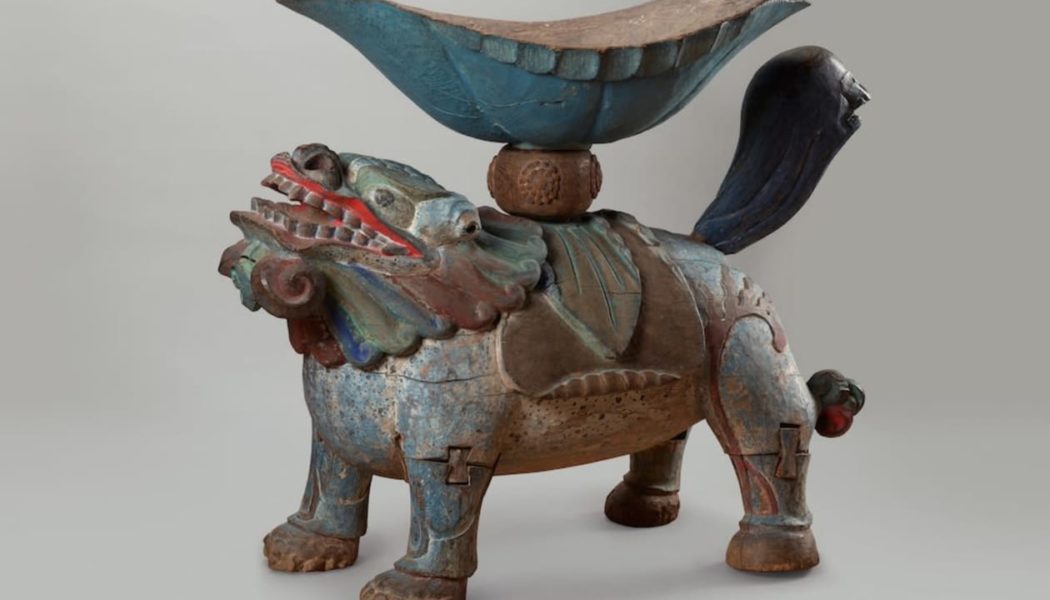
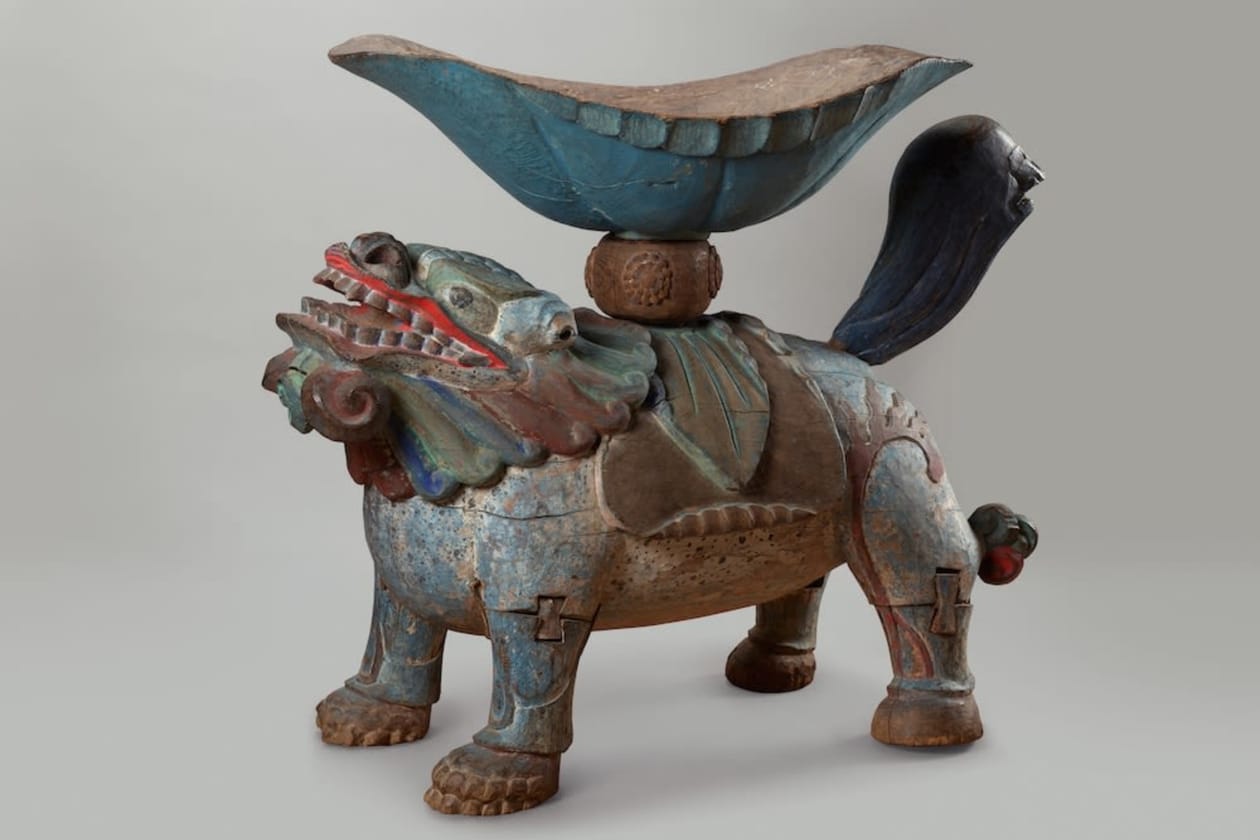
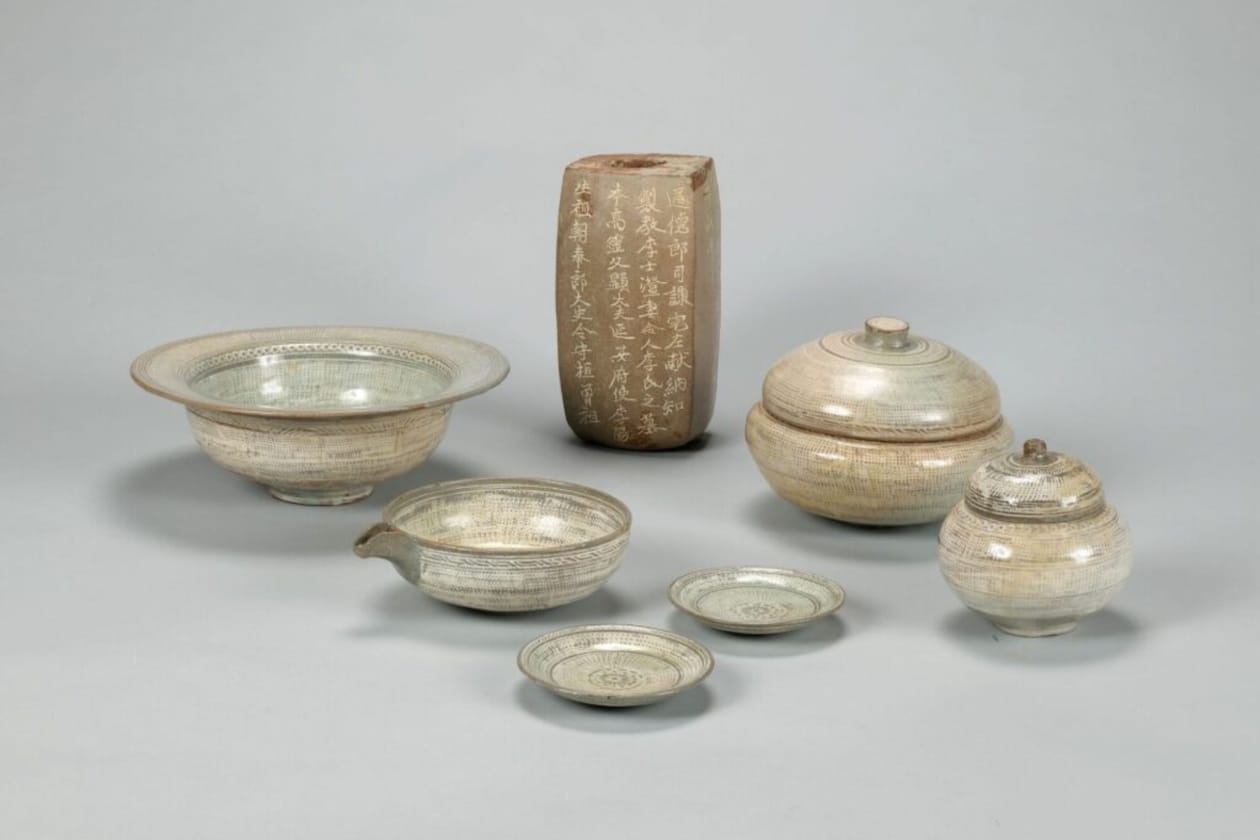
Spanning 1,500 years of Korean art, the exhibition gathers everything from ancient Buddhist sculptures, Goryeo dynasty earthenware, sacred texts Joseon-era furnishings and key works by modern masters like Lee Ungno and Kim Whanki. Organized in ten thematic, rather than chronological, galleries, the exhibition indulges in a cross-temporal dialogue as shifts and difference in style, power, belief and technology give way to a unique, visual language. “Anyone who walks in will feel the emotion,” Nuna continues. “It makes me think about the lineage and the progress we’ve been lucky and strong enough, as a people, to make.”
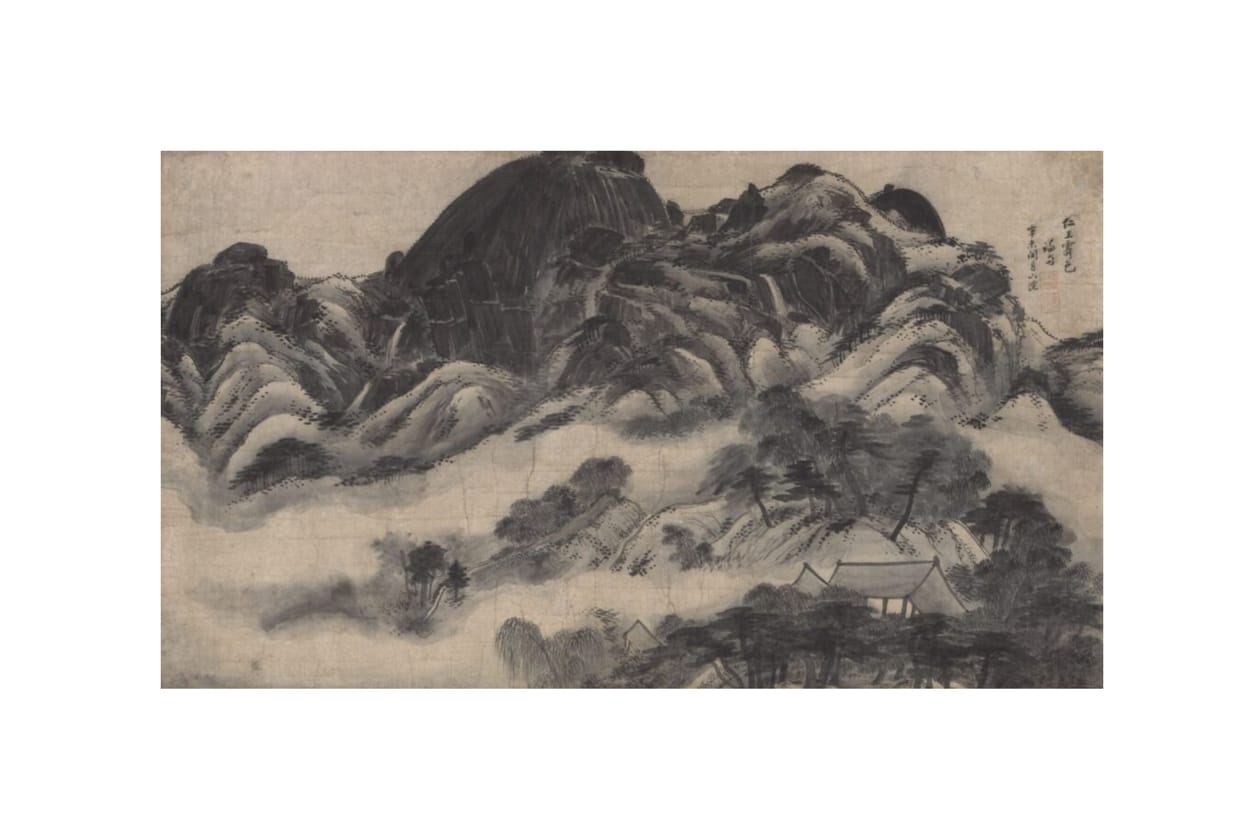
In addition to classic historical finesse and palace-level elegance — such as a 1459 woodblock-printed book documenting the early use of Hangul, the Korean alphabet created by King Sejong just years earlier — the exhibition sharpens questions of representation. In the monumental “Clearing after Rain on Mount Inwant” (1751), for example, artist Jeong Seon paints for a lived landscape, a rarity for the time, pioneering the “true view” tradition that grounded Korean painting in reality rather than imagined ideal.
Elsewhere, refined wooden furniture from the Joseon dynasty draws attention to the domestic sphere. Beyond exquisite craftsmanship and expressive wood grain, these objects foreground life as it was lived, and by extension, stories across gender lines that went too-long overlooked. “I kept thinking about how women gave their everything. Their names, their faces, their stories were never really heard.” Nuna recalls an early portrait of a woman by Chae Yongsin that moved her to tears. “To bring that history to a mainstream audience feels incredibly powerful.”“Of course there’s appealing parts of a culture, but it’s also important to understand the history, the pain, and how long of a journey it’s been.”
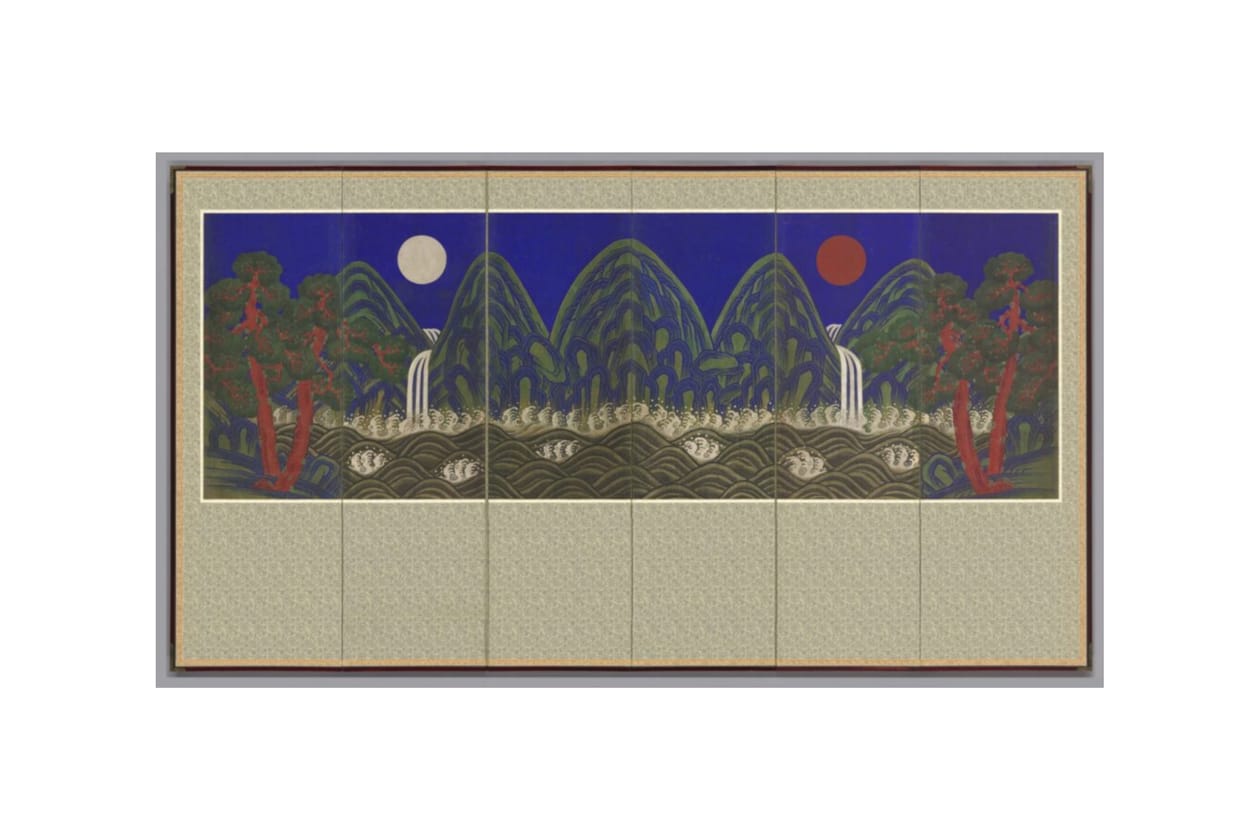
Other works may feel newly familiar, courtesy of media moments, like KPop Demon Hunters. The six-panel folding screen “Sun, Moon, and Five Peaks,” which makes an appearance in the movie, perhaps best embodies the gravity of Korean Treasures: journeying through the past by tapping into contemporary curiosities about the culture.
“Of course there’s appealing parts of a culture, but it’s also important to understand the history, the pain, and how long of a journey it’s been.” Nuna points to the emotional through line that, in her eyes, continues to connect artists across mediums and centuries: han, a sense of resilience, grief and endurance at the heart of Korean identity. Be it ancient masterpieces or members of Seoul’s underground creative class, “it’s always insane seeing gifted artists doing their thing,” she notes, “and expressing it in different ways.”
Korean Treasures is currently on view until February 1, 2026. Following its run in Washington D.C., the collection will travel to the Art Institute of Chicago from March 7 through July 5, then the British Museum come fall.
Smithsonian National Museum of Asian Art
1050 Independence Ave SW,
Washington, DC 20004