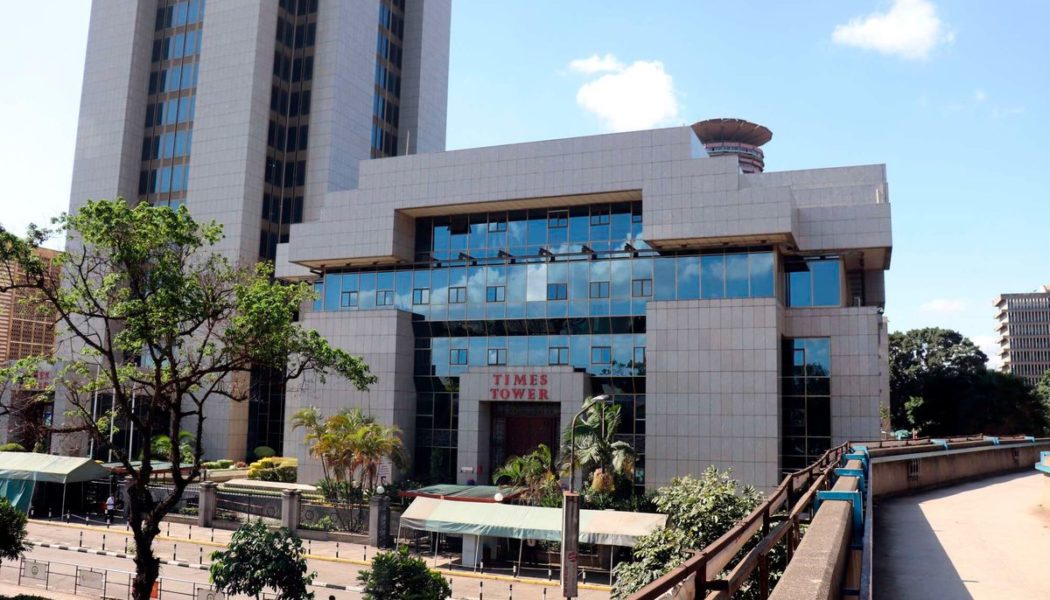
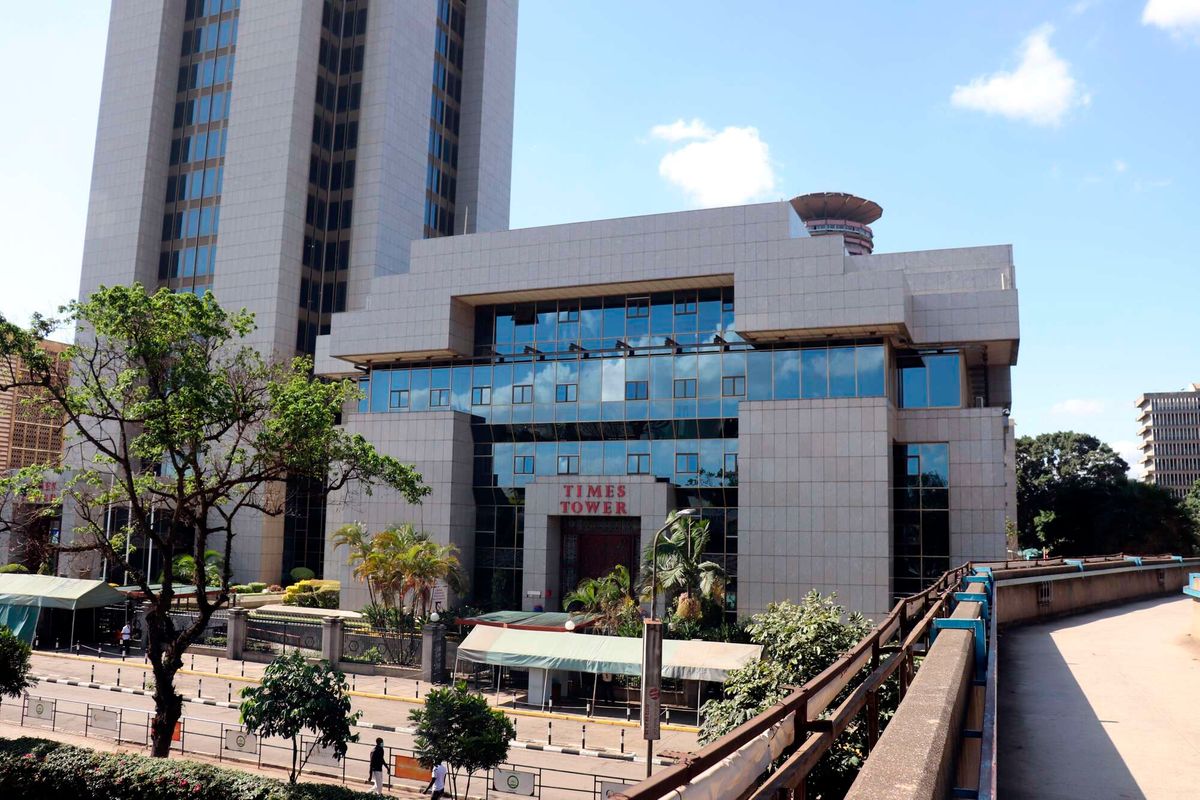
The Kenya Revenue Authority (KRA) collections have deteriorated following wider missed targets amid pressure to cut taxes on key income heads like pay-as-you-earn (PAYE), which could worsen revenue performance.
Ordinary revenues collected through nine months of the fiscal year to March 2026 missed the mark by Sh161.9 billion, extending the deficit in tax collection from Sh110.6 billion at the end of December 2025.
The missed revenue targets come amid the government’s grant of tax concessions to contain the vagaries of the US-Israel war on Iran, including the halving of value-added tax (VAT) on petroleum products.
The National Treasury still faces public pressure to offer further tax incentives, including reducing payroll taxes for low-income earners.
The KRA will likely record wider missed targets if the tax concessions are adopted without a reduced revenue outlook for the taxman.
“Ordinary revenue collection was Sh1.81 trillion against a target of Sh1.98 trillion by the end of March 2026,” the National Treasury said in its latest quarterly economic and budget review report.
“All ordinary revenue categories recorded below target performance during the period under review, except import duty, which surpassed its target by Sh8.6 billion, and other revenue categories, which surpassed their target by Sh4.1 billion.”
Corporation tax recorded the largest miss among major tax heads at Sh60.3 billion, ahead of PAYE at Sh50.1 billion.
The VAT collections were off the mark by Sh42.8 billion, while misses on excise duty and investment revenue were posted at Sh19.2 billion and Sh43 million, respectively.
The taxman has persistently missed its collection targets amid difficulties, including a softer economy and revenue base expansion bottlenecks.
This has forced the Treasury to plug the created deficit from domestic revenue underperformance through additional internal borrowing.
Ordinary revenue collected through the nine months was, however, higher than the same time last year when receipts totalled to just Sh1.58 trillion.
KRA faces a sterner test to meet revenue targets as the government is forced to give up some taxes to contain the effects of the new raging Middle East War.
The halving of VAT is estimated to cost the exchequer a revenue loss of about Sh12.9 billion over a three-month period to mid-June 2026.
The National Treasury has further warned that Sh35 billion could be lost annually if it offers income tax cuts.
The exchequer had proposed to raise the limit of untaxed income from Sh24,000 to Sh30,000 while the rate of tax for incomes between Sh30,001 and Sh50,000 would be set at 25 percent.
The consideration was made before the start of the new Middle East war at the end of February.
The National Treasury has mulled pulling the plug on the concession but says that it could see the proposal through even as the move presents a blow to State coffers.
“When I talked on this matter previously, I said there are implications because it’s going to leave us with a budget hole. We must now make a decision and that’s now for me upwards,” said John Mbadi, the National Treasury Cabinet Secretary.
“The decision is mine to take, and I will take that decision.”
Lobbyists including the Kenya Bankers Association (KBA) have proposed a five-percent uniform cut in Paye for all salaried workers.
The relief is estimated to release Sh28.1 billion into the economy every year and generate close to Sh42 billion in immediate gross domestic product (GDP) output.
KRA has a target to raise Sh2.784 trillion in ordinary revenues in the fiscal year closing on June 30 from Sh2.42 trillion previously.
The target moves higher for the financial year starting July 1 to Sh2.985 trillion.