

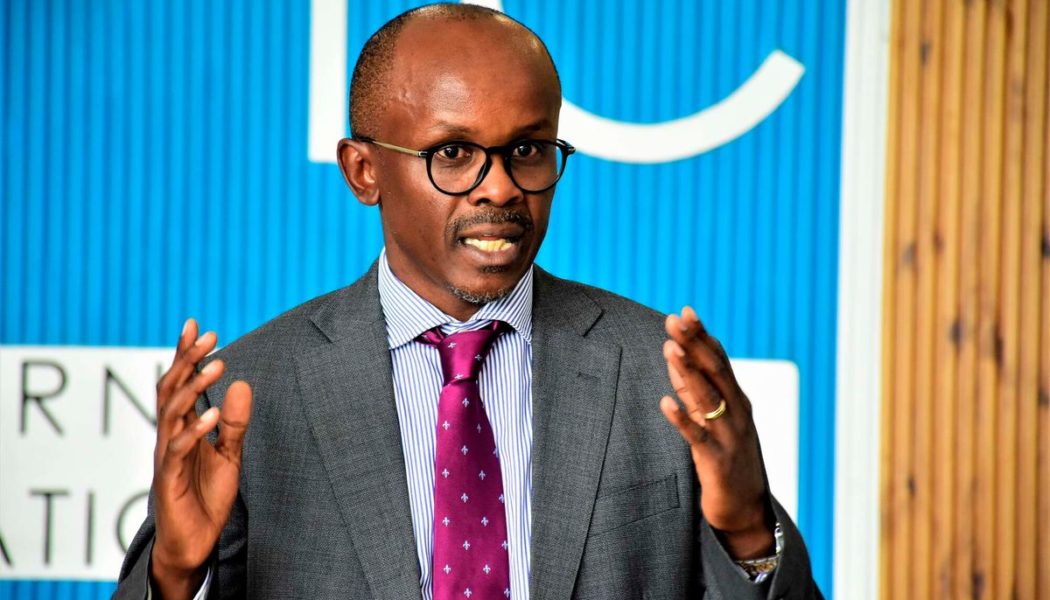
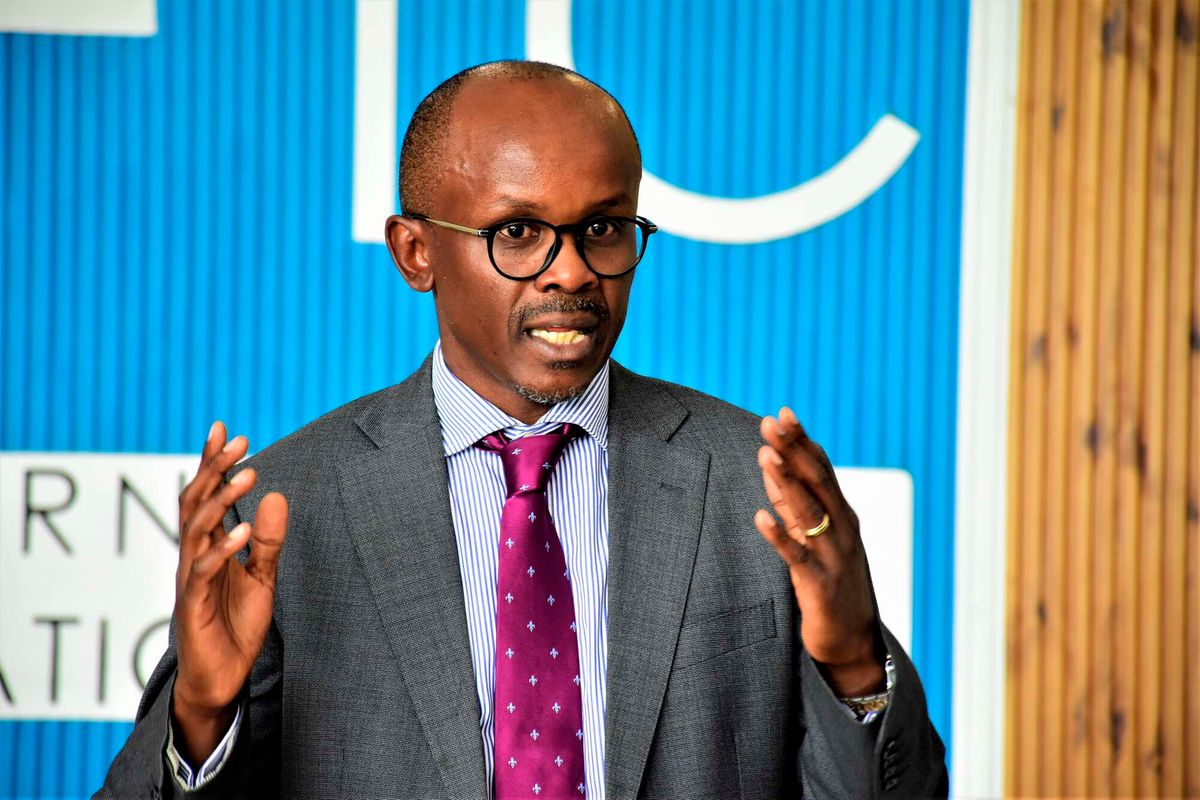
Centum Investment Company’s Chief Executive James Mworia is among 78 candidates shortlisted for appointment to the board of the National Infrastructure Fund (NIF), the State-backed investment vehicle that is expected to bankroll some of Kenya’s largest infrastructure projects.
The list also includes former National Social Security Fund (NSSF) managing trustee Alex Kazongo, Everstrong Capital Managing Director Henry Kinyua Kyanda and former Kenya National Highways Authority (KeNHA) director Carey Okwiri Orege.
Florence Tabu Birya-the Assistant Registrar of Political Parties, is also among the candidates shortlisted for the board positions. The names were published by Treasury Cabinet Secretary John Mbadi ahead of interviews scheduled for June 29 and June 30.
“Pursuant to Section 13 of the National Infrastructure Fund Act, 2026, the Cabinet Secretary for the National Treasury invited applications from suitably qualified persons for the vacant position of Member, the Board of National Infrastructure Fund,” reads the notice.
“The NIF Governance Council is pleased to notify all candidates who applied for the position that the shortlisting process has been concluded. A total of seventy-eight applications were received at the close of the advertisement period.”
The fund is at the centre of President William Ruto’s plan to mobilise private capital for infrastructure development, with the government targeting up to Sh5 trillion in investments over time by using public capital to crowd in private investors.
Among the projects expected to benefit from the fund is the planned modernisation and expansion of Jomo Kenyatta International Airport, as well as investments in transport, logistics, energy and other strategic sectors.
Mr Mworia, one of Kenya’s most prominent corporate executives, has led Centum since 2008 and is credited with transforming the Nairobi Securities Exchange-listed investment firm into one of the region’s largest private investment companies with interests spanning real estate, financial services, manufacturing, energy and agribusiness.
The National Infrastructure Fund Act establishes a nine-member board that will oversee the management of the fund. The board is responsible for developing investment policies, approving investment plans and mobilising resources for infrastructure projects.
The board will operate under the oversight of the National Treasury, with the Cabinet Secretary retaining significant influence over the fund through performance contracts, evaluation of results and approval of key investment policies.
The fund’s activities will be guided by a five-year investment plan aligned to national development priorities. The plan will form the basis of annual performance contracts signed between the Treasury and the board. The NIF’s initial capital will come from the disposal of government assets and privatisation of State-owned enterprises.
The government has already received part of the seed capital following the sale of a 65 percent stake in Kenya Pipeline Company for Sh106.3 billion, a transaction that Treasury officials have indicated will help capitalise the fund.
The State is also awaiting proceeds from the planned sale of a 15 percent stake in Safaricom to South Africa’s Vodacom Group. The transaction is expected to raise about Sh244.5 billion, including an upfront dividend on the government’s residual shareholding of 20 percent.
President Ruto has previously said the fund will invest in projects that expand energy generation, improve transport and support human capital development.
The government hopes that by providing initial capital through asset sales, the fund will be able to attract significantly larger pools of private capital and reduce reliance on public debt to finance infrastructure development.
However, questions remain over the extent of Treasury’s influence in the fund’s operations, with analysts warning that excessive State control could discourage private investors who prefer independent and commercially driven investment vehicles.