
Adapting an iconic cyberpunk IP with a massive global cultural impact requires a studio that isn’t afraid to completely break the rules — and that is exactly why Science SARU taking on Ghost in the Shell makes perfect sense. Before the mainstream anime crowd fully took notice during the 2024 anime premiere of DAN DA DAN, the studio already had a long, cult-like cinephile following.
Co-founded in 2013 by the eccentric visionary Masaaki Yuasa alongside Eunyoung Choi, the studio carved out a distinct aesthetic through an eclectic, expressively bold and deceptively “loose” art style. At a time when highly polished, sterile digital aesthetics became the industry norm, Science SARU remained unfaltered in its experimental tendencies — a rebellious creative lineage that stretches from the wildride spectacle that is Space Dandy, the artsy whimsical fever dream of The Night Is Short, Walk On Girl to the critically acclaimed, visceral darkness of Devilman Crybaby.
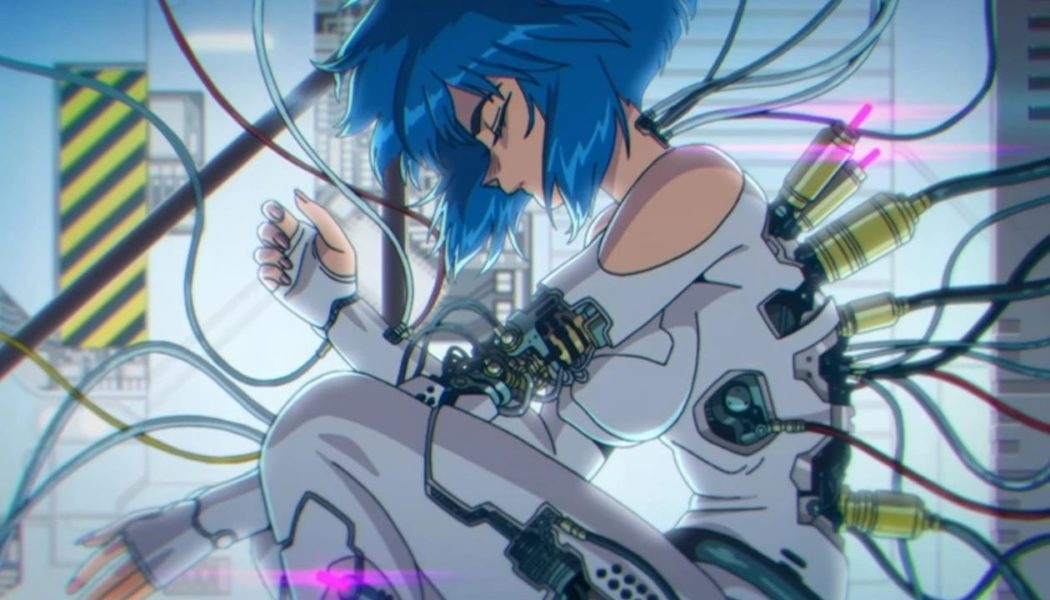
Now, the studio is applying its signature flair to one of the most globally revered franchises in anime history. Following decades of iconic film and series adaptations – most notably Mamoru Oshii’s legendary, brooding 1995 theatrical film and Stand Alone Complex – the franchise has received a radical tonal transformation. Having just premiered worldwide, the new TV anime adaptation boldly pivots away from the stoic tone of its predecessors. Instead, the series serves as a vibrant, direct adaptation that channels the precise spirit, comedic undertones and high-kinetic pacing of Masamune Shirow’s original 1989 manga.
Helmed by director Mokochan alongside producers Kengo Abe of Bandai Namco and Kohei Sakita of Science SARU, the project also appoints acclaimed sci-fi author EnJoe Toh for character design. In addition to that, the anime is filled with surprising yet high-profile collaborations – Hajime Sorayama designed the metallic, chrome title logo, King Gnu provides the opening theme song, while MILLENNIUM PARADE breaks a two-year hiatus to deliver a collaborative track featuring Saya Gray and Daniel Caesar.
Just ahead of the anime’s premiere, Hypebeast spoke to Mokochan from Science SARU to discuss his approach for the new GHOST IN THE SHELL anime.
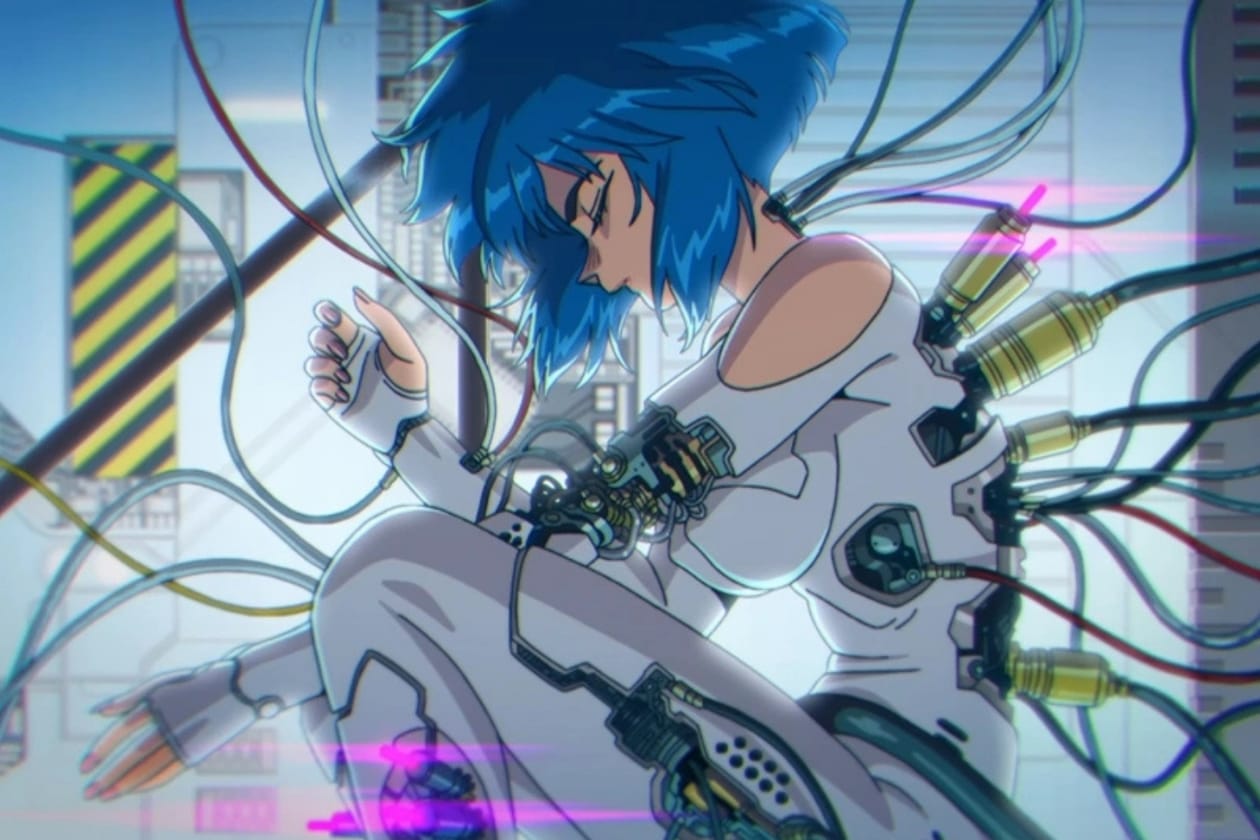
©2026 Shirow Masamune/Kodansha/The Ghost In The Shell Committee
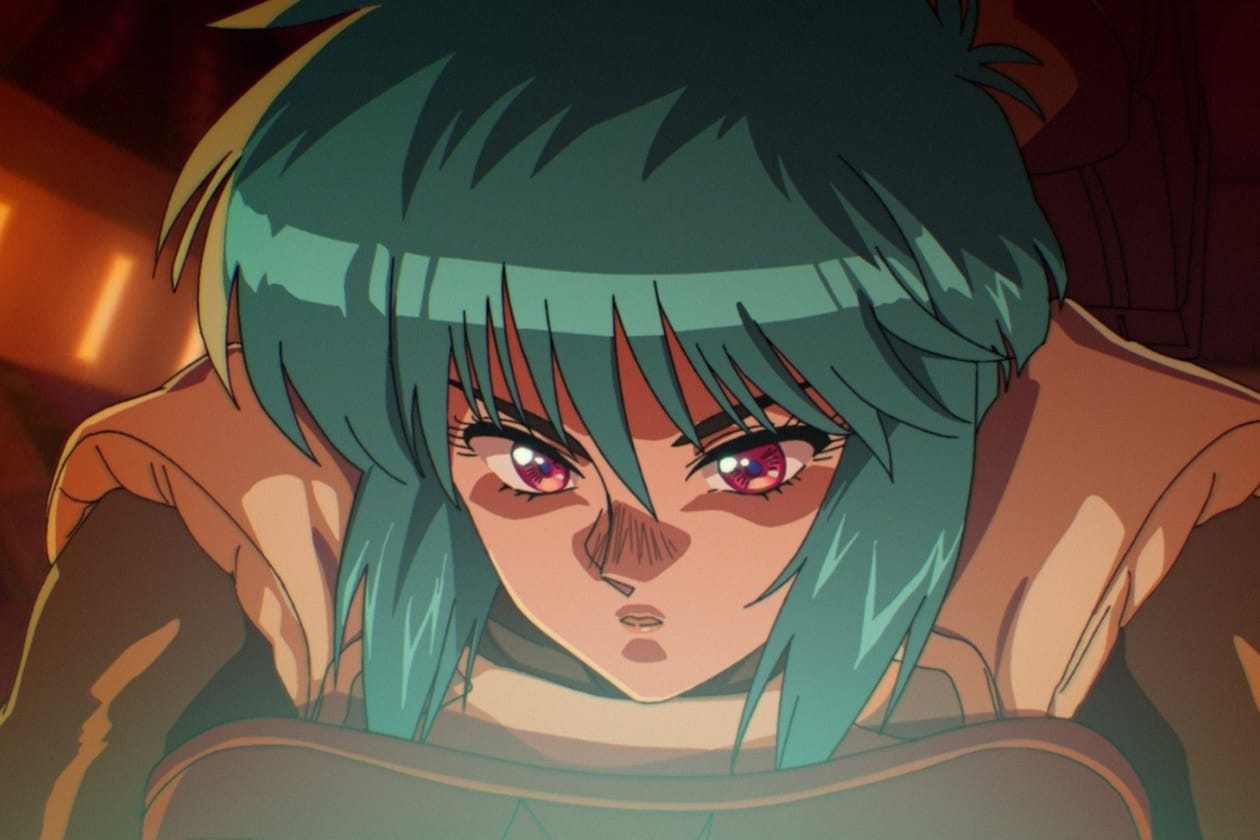
©2026 Shirow Masamune/Kodansha/The Ghost In The Shell Committee
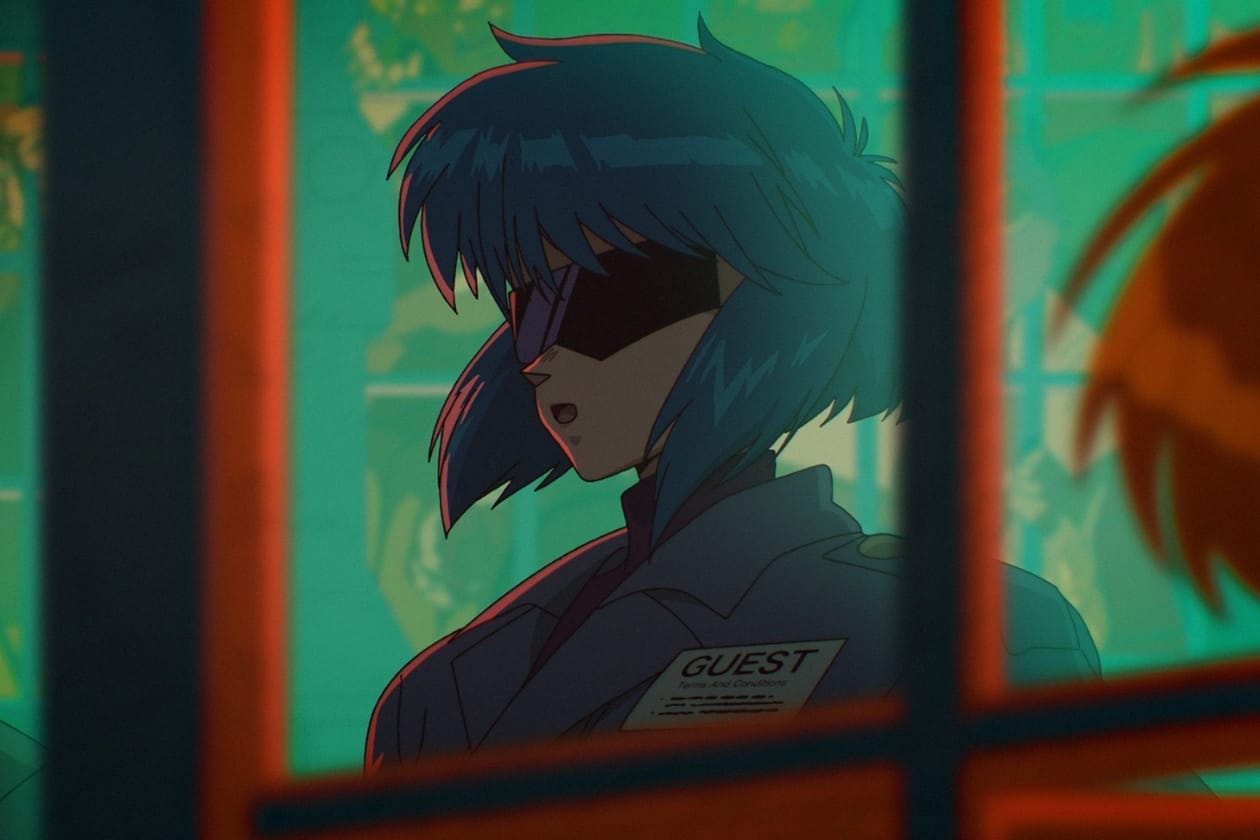
©2026 Shirow Masamune/Kodansha/The Ghost In The Shell Committee
Ghost in the Shell has had such a cultural impact globally. When the opportunity first came up for Science SARU, what made the studio want to take on such a legendary legacy?
Mokochan: I first encountered Ghost in the Shell when I was in high school — I happened to read Masamune Shirow’s manga and watch Mamoru Oshii’s 1995 theatrical film around the same time. I’ve been a massive fan of the franchise ever since. So when the offer initially came our way, I was absolutely thrilled.
What were your initial thoughts/feelings when you found out you’d be working on this project?
Beyond the initial excitement, I immediately felt an immense sense of responsibility and pressure. This project represents an incredibly rare opportunity to adapt the original manga directly into an anime series, and I was acutely aware of the massive expectations weighing on us from the fanbase.
Past adaptations – like the 1995 film or Stand Alone Complex – are revered by the community for being very dark and serious. But the tone and vibe for the upcoming adaptation seem to be closer to the original 1989 manga by Masamune Shirow. Can you talk more about this tonal shift?
As creators working in the modern anime industry, we have naturally been profoundly shaped and spiritually influenced by the monumental adaptations that came before us. However, the core philosophy of this specific project was to go completely face-to-face with the original manga. For us, it wasn’t just about preserving the surface-level settings or the plot points; it was vital that we captured the actual spirit of Shirow’s original pages.
For audiences who have only ever experienced Ghost in the Shell through the lens of those darker, more stoic onscreen iterations, this brighter and more dynamic energy might come as a bit of a shock at first. But rest assured, the core themes haven’t shifted at all. I really hope viewers can lean in and appreciate those contrasts — enjoying the distinct differences in atmosphere that each era of the franchise brings to the table.
“For us, it wasn’t just about preserving the surface-level settings or the plot points; it was vital that we captured the actual spirit of Shirow’s original pages.”
What do you think is the biggest thing that sets this specific adaptation apart from its predecessors?
Compared to previous anime iterations, the narrative in the original manga possesses a far more pronounced humanity — you can genuinely feel a sense of warmth and a tangible human pulse running through it. While the series explicitly depicts future technologies and a hyper-advanced society, the thematic core remains anchored to a timeless, classical question: How does an individual choose to live within the world? That is an existential inquiry that resonates deeply with human beings, regardless of the era they belong to.
In the original manga, Major Motoko Kusanagi is much more hotheaded and expressive than the stoic versions we’ve seen on screen before. How did you approach bringing that specific energy out in her animation?
I believe the greatest power of manga art lies in its ability to capture a vivid psychological impression. Because Motoko is a full-body cyborg, her physical skin might realistically feel harder than a normal human’s, and her physical body temperature might run completely cold. But as animators, our goal wasn’t to emphasize that cold, mechanical exterior. Instead, we wanted to project her internal self and personality directly onto the screen. To achieve that aesthetic, utilizing visual “deformation” and heightened exaggeration became absolutely essential to our design language.
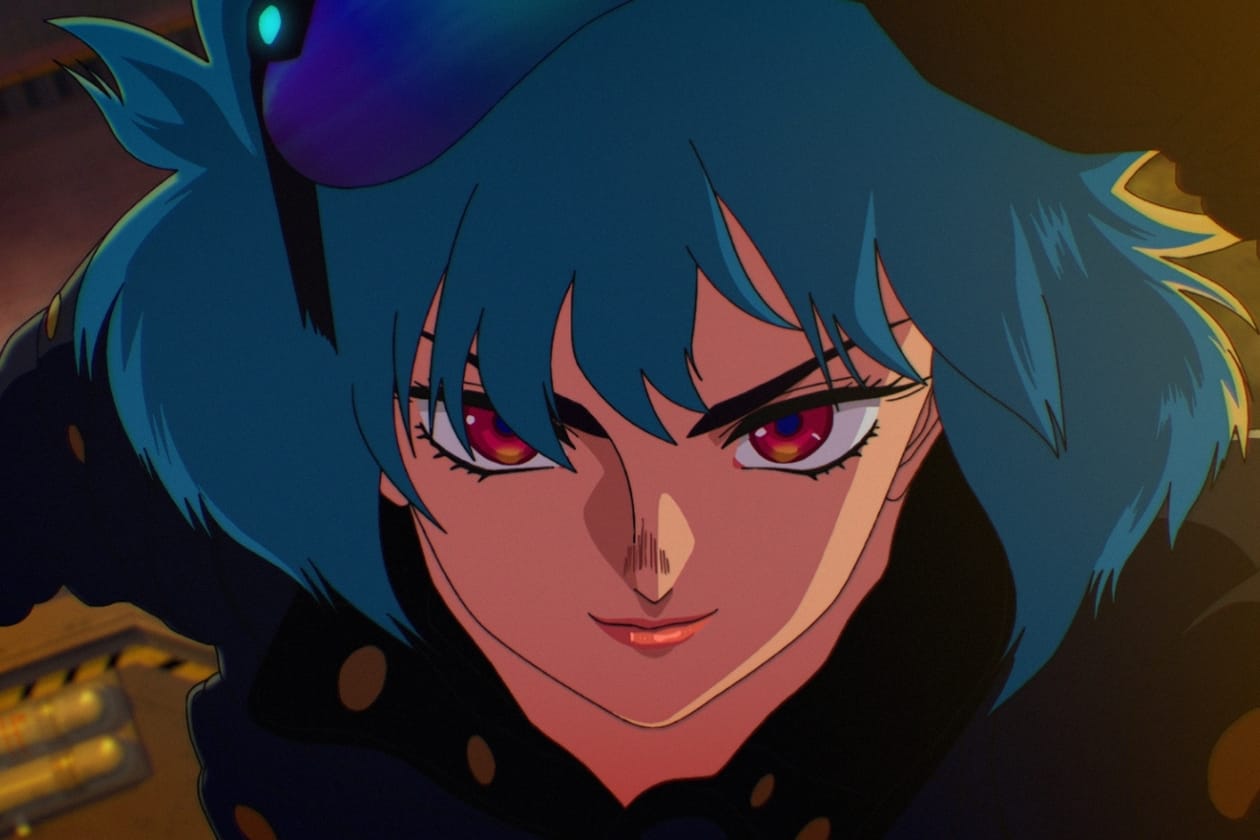
©2026 Shirow Masamune/Kodansha/The Ghost In The Shell Committee
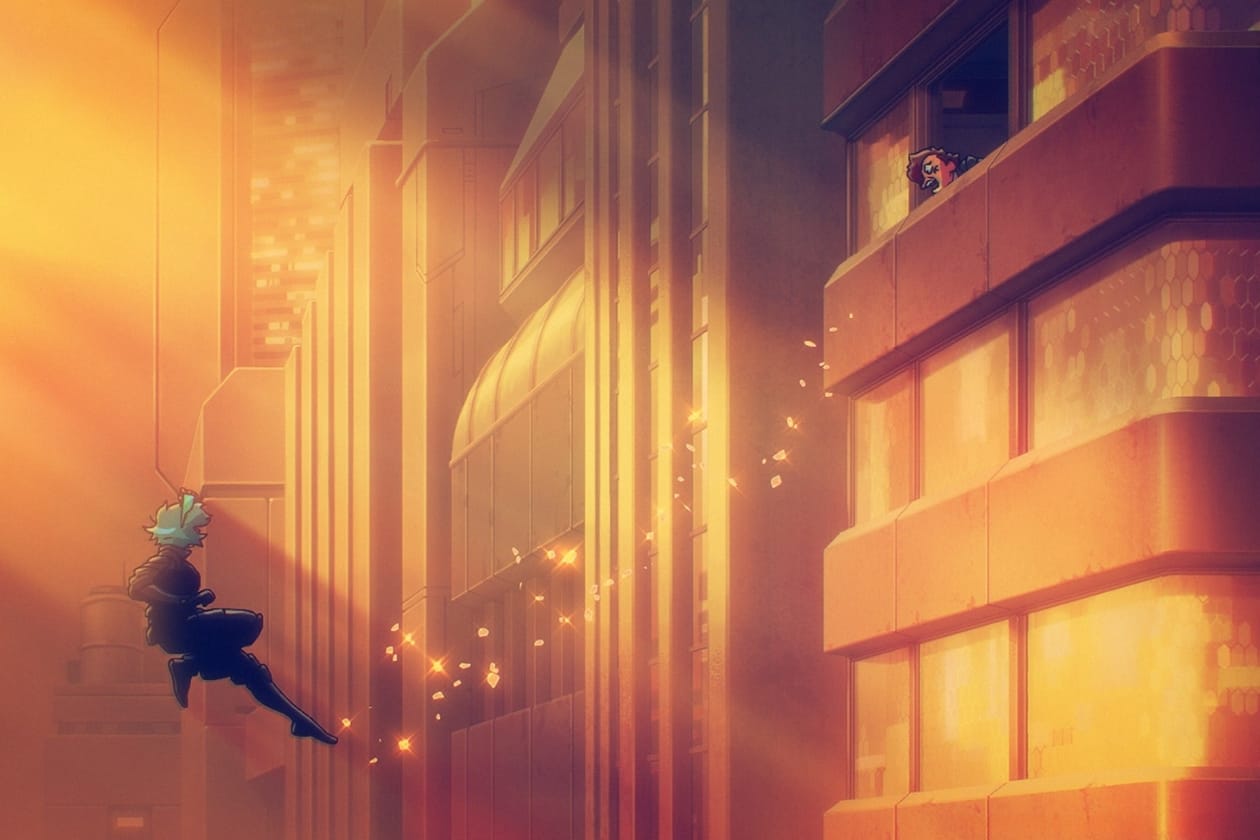
©2026 Shirow Masamune/Kodansha/The Ghost In The Shell Committee
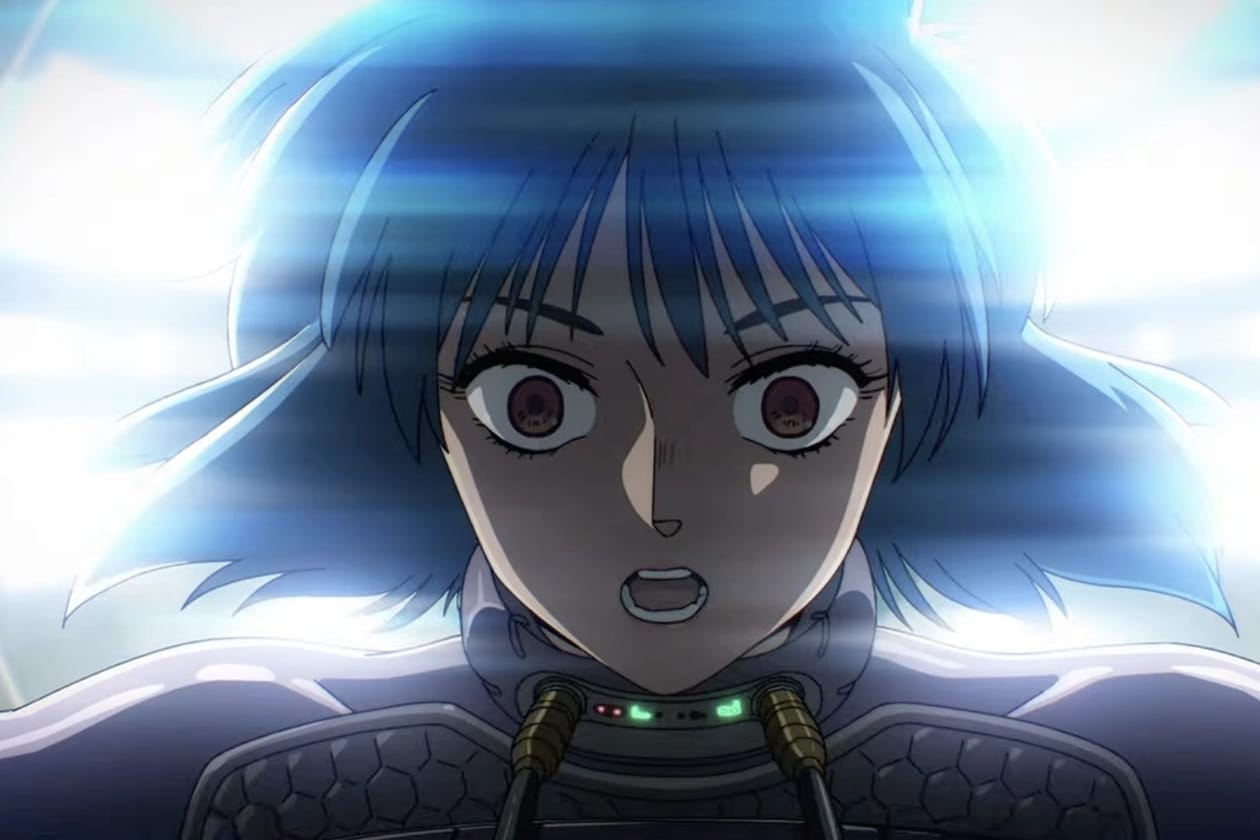
©2026 Shirow Masamune/Kodansha/The Ghost In The Shell Committee
Masamune Shirow’s original manga pages are famously packed to the brim with technical concepts, ideas and author footnotes. How did you approach translating that hyper-dense energy into animation?
That’s actually one of the things we loved most about the original manga. Preserving that multi-layered, information-rich atmosphere without diluting it in translation was one of the greatest creative hurdles of this entire production. We had to rely on a massive amount of experimentation and creative problem-solving across every single department — from meticulously layering detail into our color palettes, background layouts, editing rhythms, sound design, to the voice acting performances themselves.
Science SARU is widely known for a very fluid, expressive animation style. Were there any challenging aspects in bringing the cyberpunk world of Ghost in the Shell to life?
One of the most vital overarching themes running through the source material is the mystery of life itself. For me, traditional hand-drawn animation as an art form has always evoked that exact same sense of wonder. A hand-drawn frame is more than just a visual expression; it is a physical trace of the animator’s own body left on the page. Because of that connection, outputting this story explicitly through human hands was incredibly important to us. We poured immense energy and effort into that handcrafted execution because it mirrors the very themes of Ghost in the Shell’s philosophy.
“I frame this project as a calculated “return to origins” — a reset that could only be made precisely because of the contemporary era we are living in today.”
Without giving away any spoilers, what is one scene or element from these early episodes that you are most excited about?
The scene where Daisuke Aramaki and Motoko Kusanagi first cross paths is something we, as creators, poured our absolute souls into. This entire series essentially ignites from the exact moment their worlds collide, and the overarching narrative serves as a study of how their relationship evolves from that point forward. It’s a foundational segment that we treated with an immense amount of care.
What kind of experience can new and existing fans expect from the new Ghost in the Shell anime?
Our fundamental mission was to faithfully translate the 1989 serialized manga into a contemporary anime format. We view the 30-plus years that have elapsed since its initial print debut as something incredibly meaningful. In that sense, I frame this project as a calculated “return to origins” — a reset that could only be made precisely because of the contemporary era we are living in today.
For longtime fans of the franchise, I think discovering that raw, un-adapted side of the source material will be the most rewarding aspect. At the same time, for newcomers stepping into this universe for the first time, because this functions as a definitive reset, all the surface-level worldbuilding and story aren’t tied to previous adaptations – I think it serves as an easy entry point into the franchise.