
The EV company’s stock plummeted after a report that it was considering bankruptcy. And the panic bled into Lucid’s rivals, too.
The EV company’s stock plummeted after a report that it was considering bankruptcy. And the panic bled into Lucid’s rivals, too.
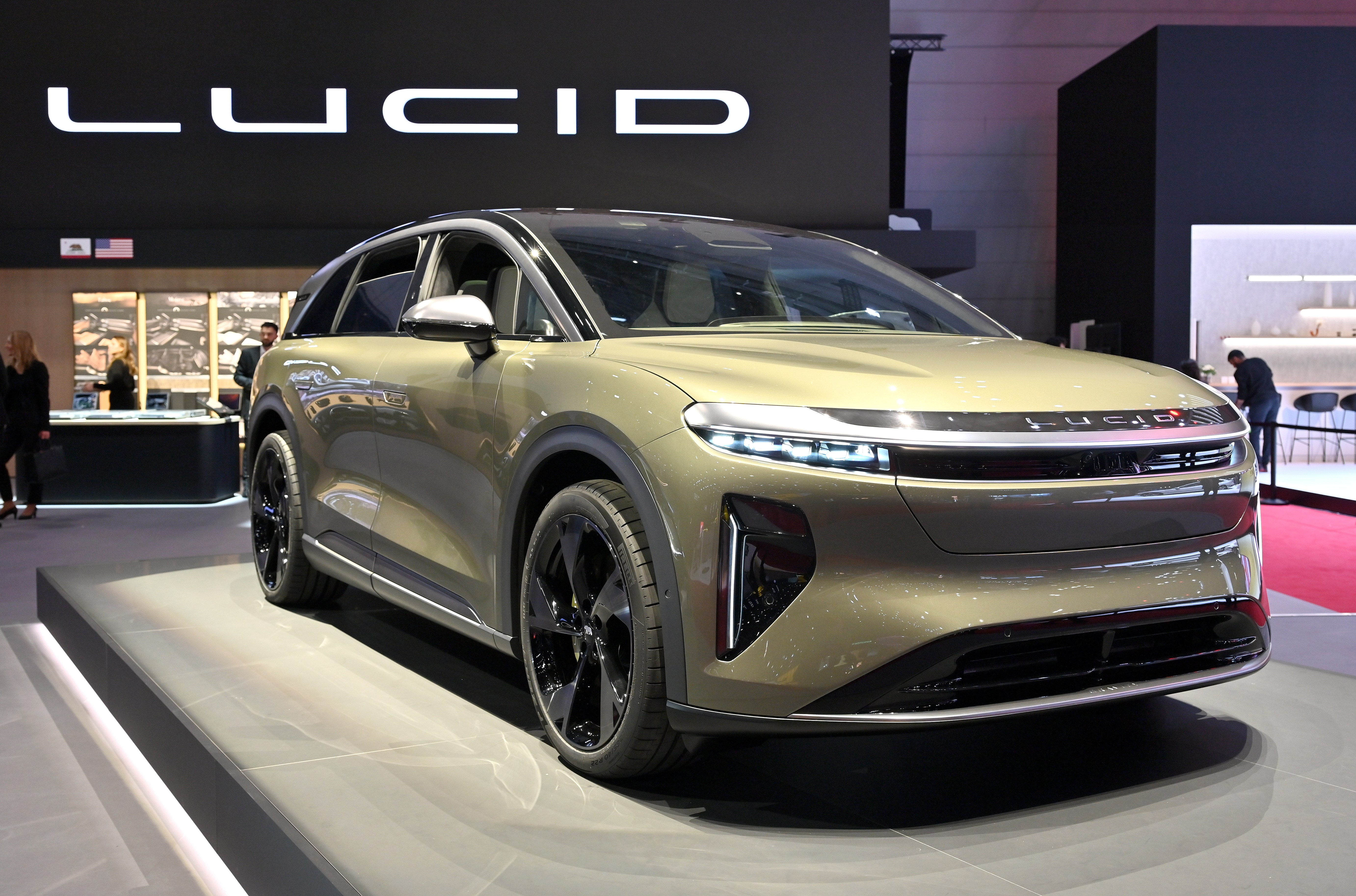

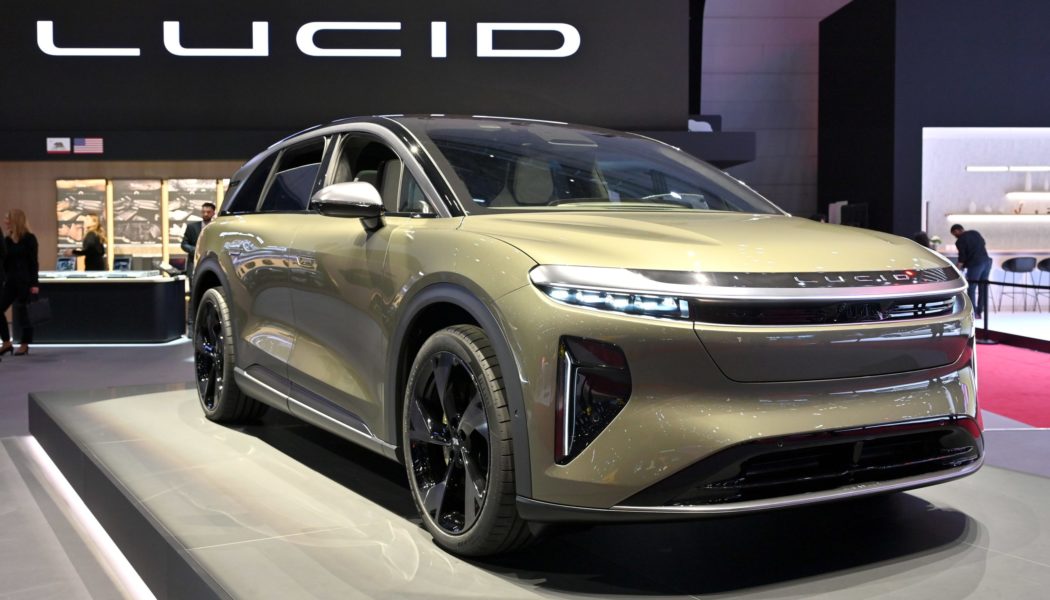
Lucid Motors found itself in a tough bind this week, fending off bankruptcy rumors and watching its stock price plunge as a result. The company quickly denied the report, calling it “completely false” and pointing to its available free cash flow as evidence that it has enough runway to operate into next year.
But despite the swift response, the damage was widespread. The panic immediately bled into competing automakers, pulling down shares of Rivian and Polestar as investors speculated about the long-term survival of EV-only companies in the face of slowing consumer demand and whiplash policy shifts. And it cast a harsh light on the precarity of all three companies and the future of electric vehicles.
The trouble started on Tuesday, when EV trade publication EV reported that restructuring firm AlixPartners had advised Lucid’s board to consider Chapter 11 bankruptcy or a take-private deal. The report also said AlixPartners had encouraged the board to further restructure in the US and Europe and to focus on the Gravity SUV. But while the rest of the media has since reported on Lucid’s denial, no other publication has confirmed EV’s scoop. (For what its worth, EV’s URL is “eletric-vehicle.com,” enshrining the incorrect spelling in its address.)
Lucid confirmed that it had hired AlixPartners, but denied that the firm had made any such recommendations to its board. Instead, AlixPartners would provide advice on “improving execution, strengthening operations and positioning Lucid to realize the full potential of its technology, products and innovation,” Lucid chief communications officer Nick Twork said.
Lucid went a step further, filing a cease and desist order against EV, claiming that the site’s report directly led to the stock crash. “In short, your actions caused serious injury to a number of investors,” Lucid’s chief legal officer and general counsel, Brian Tomkiel, said in the letter. “And they injured, and continue to injure, Lucid directly.”
Still, the timing was terrible. Lucid is genuinely not in good shape, having lost over $1 billion in the first quarter of the year. The company has also gone through two rounds of layoffs in 2026, having cut 12 percent of staff in February and then 18 percent in June. The company also reduced production at its factory in Arizona in a bid to counteract its high inventory and save money. And there’s been leadership turmoil, with COO Marc Winterhoff departing the company and his position being eliminated entirely in an effort to flatten the structure.
The report sent the stock into freefall, plummeting as much as 50 percent in one of the worst single-day drops in Lucid’s history. And with Polestar and Rivian also catching strays, it’s generally been a glum time for companies not named Tesla trying make a go of exclusively building electric vehicles. Wall Street is panicking because the rumors are aligning with the bad news coming out of these companies’ earnings reports. EV sales are stabilizing, but recovery is still a distant promise. The all-electric future seems further away than ever.
Whether or not Lucid is actually weighing Chapter 11, it’s a sure sign of more turbulent waters ahead. Polestar getting strong-armed out of the US over its Chinese ties has left a lot of EV owners and dealers scratching their heads. Rivian is in an increasingly precarious position thanks to its huge, expensive bet on becoming a mass-market car company with the production of the R2.
All of these companies are increasingly reliant on big stakeholders — Lucid with Saudi Arabia’s Public Investment Fund, Polestar with Geely, and Rivian with Volkswagen — for their future survival. If any of these big backers get cold feet, the future could get really dark really fast.