
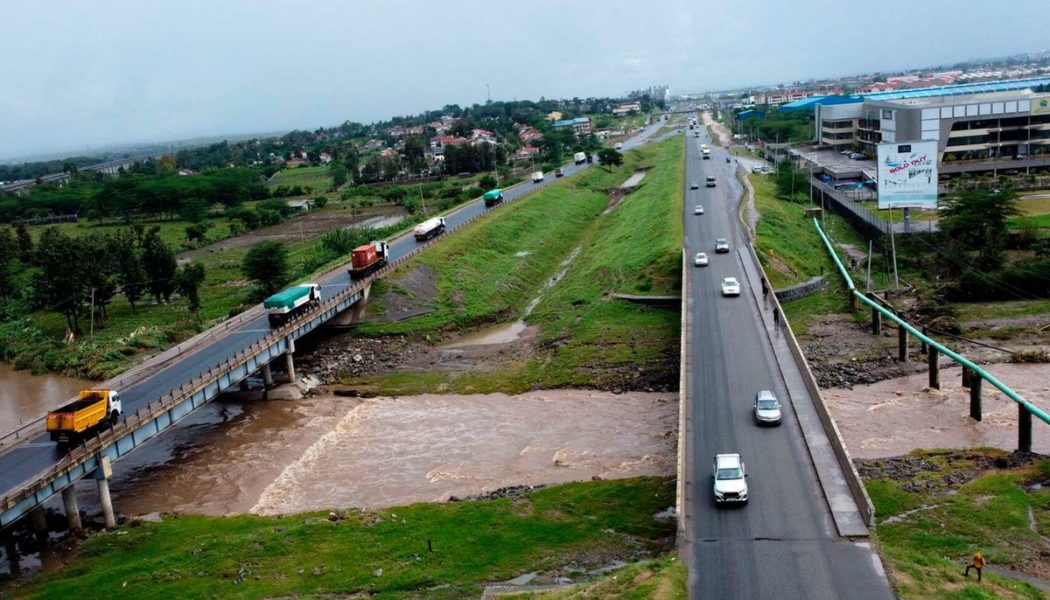
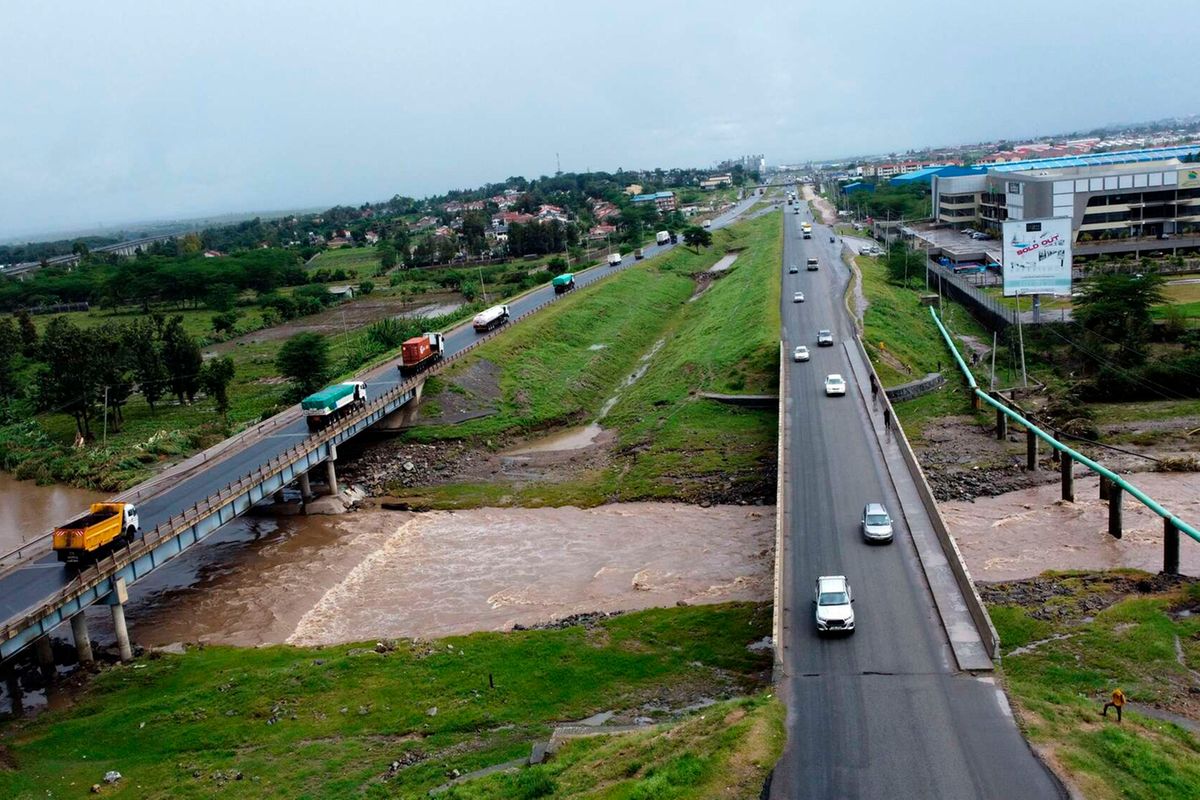
The government will expand the existing Nairobi-Mombasa highway to at least four lanes and charge a toll fee for its use, abandoning earlier plans by a US investor to construct a new expressway.
A new report by the Treasury’s Public-Private Partnerships (PPP) Directorate shows that that bids for a transaction advisor to restructure the project have already been received.
The transaction advisor will also review the project’s technical and financial feasibility and advise on the procurement of a private investor to upgrade the existing corridor into a four-lane highway that motorists will pay to use.
“The project scope comprises of enhancing the capacity of the 461Km Mombasa-Nairobi (A8) Road, by expanding its capacity from two lanes into a minimum of four lanes and converting it into an access-controlled tolled road, while incorporating cost-effective design solutions to minimise impact on local connectivity,” the PPP Directorate said in its report for the period ended June 2026.
The redesign marks a major policy shift from the previous proposal by American investor Everstrong Capital, which had sought to build a separate 419-kilometre greenfield expressway under a privately initiated proposal estimated to cost Sh468 billion.
The Treasury’s PPP Committee rejected the proposal in July last year, directing the Kenya National Highways Authority (KeNHA) to consider restructuring it as an expansion of the existing Nairobi-Mombasa highway, rather than building a completely new corridor.
The committee concluded that the project failed to meet the requirements of the Public-Private Partnerships Act after finding weaknesses in its financial structure, technical capacity, and overall viability.
One of the biggest concerns was the project’s reliance on a greenfield alignment that would have required acquiring thousands of acres of land.
Treasury officials warned that the cost of buying land would ultimately be passed on to motorists through higher toll charges, making the project commercially and politically difficult to sustain.
The government also declined to grant several policy concessions sought by Everstrong, including compelling heavy commercial vehicles and long-distance buses to use the toll road to guarantee traffic volumes and revenues.
The company had argued that trucks would account for about three-quarters of toll income, making mandatory usage critical to attracting financiers.
The project suffered another major setback after Portuguese engineering firm Mota-Engil, which is partly owned by a Chinese firm, withdrew from the consortium.
Mota-Engil, which owns road, rail, airport and port projects across more than 50 countries, had been expected to provide both construction expertise and a substantial equity contribution.
Its exit followed objections from US financiers over the firm’s Chinese links, the top executives of Everstring told the PPP tribunal.
Mota-Engil is 32.41 percent owned by China Communications Construction Company (CCCC), the parent company of China Road and Bridge Corporation, which built Kenya’s standard gauge railway (SGR).
Without Mota-Engil, the PPP Committee found that Everstrong had failed to demonstrate sufficient financial capacity or replace the contractor with another partner with similar technical and financial capabilities.
The investor subsequently sought to bring in alternative contractors, including India’s Larsen & Toubro, South Korea’s Samsung, Turkey’s IC Holding and Italy’s Webuild, but the restructuring came too late to satisfy the committee.
Everstrong challenged the government’s decision before the Public Private Partnership Petition Committee, arguing that State agencies had acted unfairly after encouraging it to continue developing the proposal.
However, in April this year, the tribunal dismissed the petition, ruling that the company had failed to demonstrate adequate financial muscle, technical capability and overall project viability.
The seven-member tribunal found that participation in the PPP process did not create a legitimate expectation that the proposal would ultimately be approved and upheld the government’s decision to reject the project.
Following the ruling, the government formally restarted the procurement process under a redesigned model centred on upgrading the existing highway.
According to the PPP Directorate, procurement for the transaction advisor was launched on March 10, and bids closed on May 8. Evaluation of the submissions is now underway.
The transaction advisor will help determine the project’s technical configuration, commercial structure, financing model and procurement strategy before the government invites bids from private investors.
Unlike the previous proposal, the redesigned highway will largely utilise the existing transport corridor, reducing land acquisition requirements while preserving local connectivity through carefully designed interchanges, service roads and controlled access points, said KeNHA.
The government reckons the brownfield approach will significantly lower project costs, reduce delays associated with compulsory land acquisition and minimise speculative land buying that has plagued previous infrastructure projects.
The Nairobi-Mombasa highway forms part of the Northern Corridor linking the Port of Mombasa with Nairobi and neighbouring countries, including Uganda, Rwanda, Burundi, South Sudan and the eastern Democratic Republic of Congo.
“The road section is therefore of major economic importance as it promotes trade and tourism through transportation of goods, merchandise and people,” the PPP Directorate said.