
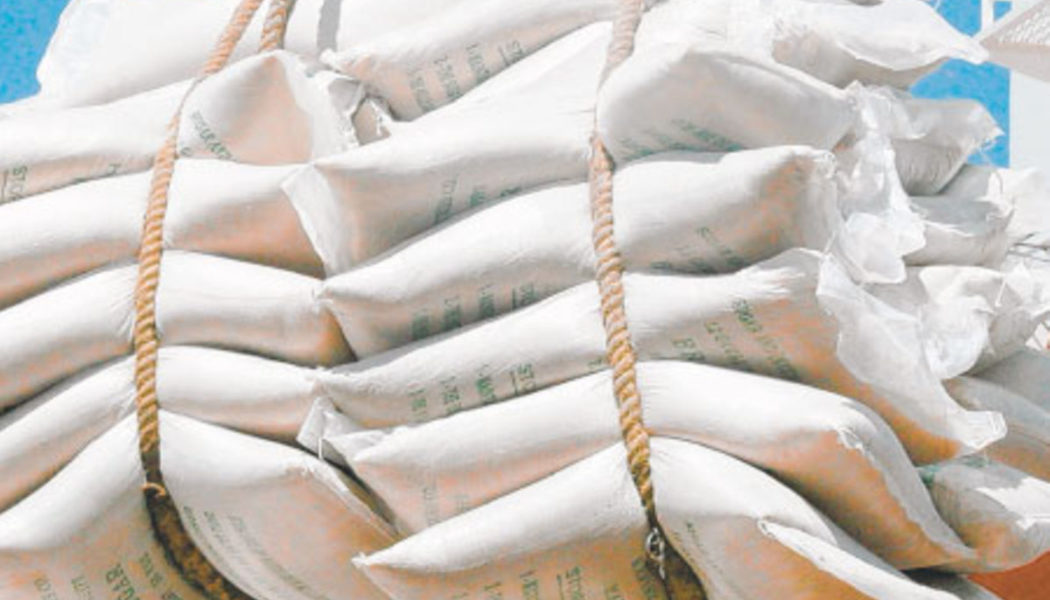
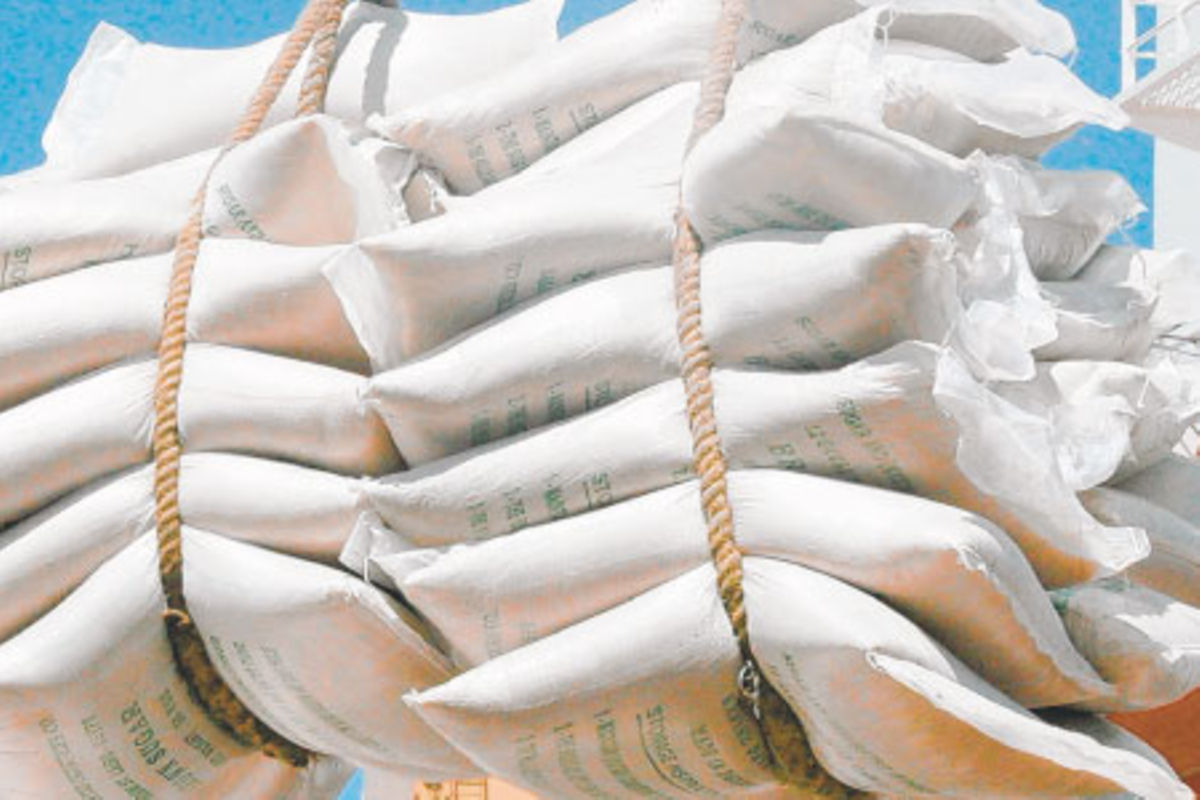
Kenya is auditing its informal cross-border sugar trade amid severe market distortions, which are affecting pricing and revenue collections.
A brief seen by the Business Daily showed that the Kenya Sugar Board (KSB) is conducting a comprehensive audit of the informal sugar imports in a bid to ascertain the volumes moved and the routes used by the traders.
“The industry faces severe market distortions and inefficiencies, primarily due to unregulated cross-border trade. Kenya remains a net importer, producing approximately 72 percent of its domestic sugar requirement in 2024, and the market remains vulnerable to illegal sugar inflows through porous borders, weak traceability systems and significant price disparities,” KSB said in its brief.
“This informal trade undermines local producers, distorts prices, discourages investment and results in substantial loss of government revenue,” it added.
The audit aims to map and profile the actors, supply chains, financing mechanisms and incentives driving informal sugar trade. It also aims to assess the effects of informal trade on farmgate prices, miller viability and national sugar pricing mechanisms, besides evaluating the revenue leaks from informal imports.
KSB Chief Executive Officer Jude Chesire told Business Daily that the audit is “work in progress”.
“We are largely focusing on the border with Uganda because there is a lot of sugar in the neighbouring country and the chances of smuggling are very high,” he said.
“We have requested extra police officers to help map out the informal trade in sugar. Although informal trade is allowed, some groups take advantage to advance large-scale smuggling.”
The audit comes amid anxiety among domestic millers and traders after Kenya lifted safeguards on cheap sugar imports from cane-growing members of the Common Market for Eastern and Southern Africa (Comesa) in January 2026.
Kenya’s decision ended 24 years of protection from imports of cheaper sugar from the economic bloc.
Kenya had been relying on the safeguards from Comesa against cheap imports since 2001 as a means to protect its struggling local sugar industry, where millers, especially State-owned factories, have been struggling with massive loads of debt. The country had sought extensions of the safeguards eight times before finally letting go.
Under the safeguard arrangement, Kenya had been allowed to import up to 350,000 tonnes of sugar from the Comesa region to bridge the local deficit. Kenya negotiated the safeguards because its once vibrant and dominant State-owned sugar millers in western Kenya, including Chemelil, Sony, Muhoroni, Nzoia, and Mumias, had slumped into a sorry state amid piling debt, aging machinery, and intermittent biting shortages of raw materials.
The removal of the Comesa safeguards came barely six months after the leasing of four inefficient State millers to private investors as part of reforms aimed at invigorating the industry.
Nzoia Sugar Company was leased out to West Kenya Sugar Company, Chemelil to Kibos Sugar & Allied Industries Ltd, Muhoroni to West Valley Sugar Company, and Mumias to Sarrai Group, although the latter deal faced legal hurdles and was halted in court.
Data by the Kenya National Bureau of Statistics (KNBS) shows that the country’s sugar production rose nearly 22 percent in the first five months of 2026 as increased cane deliveries and reforms in the sector boosted mill output.
Domestic sugar production grew 21.98 percent to 348,143 tonnes between January and May, up from 285,418 tonnes produced during the same period last year, KNBS data showed.
The increase followed a 25.1 percent jump in sugarcane deliveries by farmers, which rose to 3.9 million tonnes from 3.1 million tonnes over the review period, signalling improved supplies to mills.