
RANSHOU presents ‘FUTURE HISTORY: Lineage and Form of Onnagata’ at Tokyo’s National Theatre, September 12–13, 2026.
The exhibition specially opens the closed Grand Theatre Stage for visitors to walk across.
Features 100+ historical works, costumes and contemporary collaborations by Ranshou Fujima.
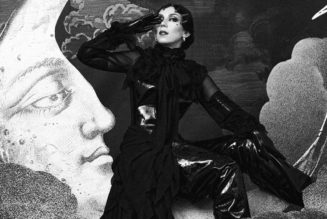
Independent art organization RANSHOU will present a landmark exhibition titled FUTURE HISTORY: Lineage and Form of Onnagata this fall. Set to be hosted at Tokyo‘s National Theatre, the showcase will take over the Grand Theatre stage for a truly special two-day event celebrating one of the country’s most renowned and respected art forms: Kabuki.
Completed in 1966 as a postwar architectural icon modeled after traditional azekura-zukuri storehouse architecture, the theatre has been officially closed for a major reconstruction project, rendering its dark stage an evocative backdrop for a project exploring memory, history and physical form. For this brief presentation, the venue will be specially opened to allow audiences to physically walk across the very stage where generations of legendary master actors once performed.
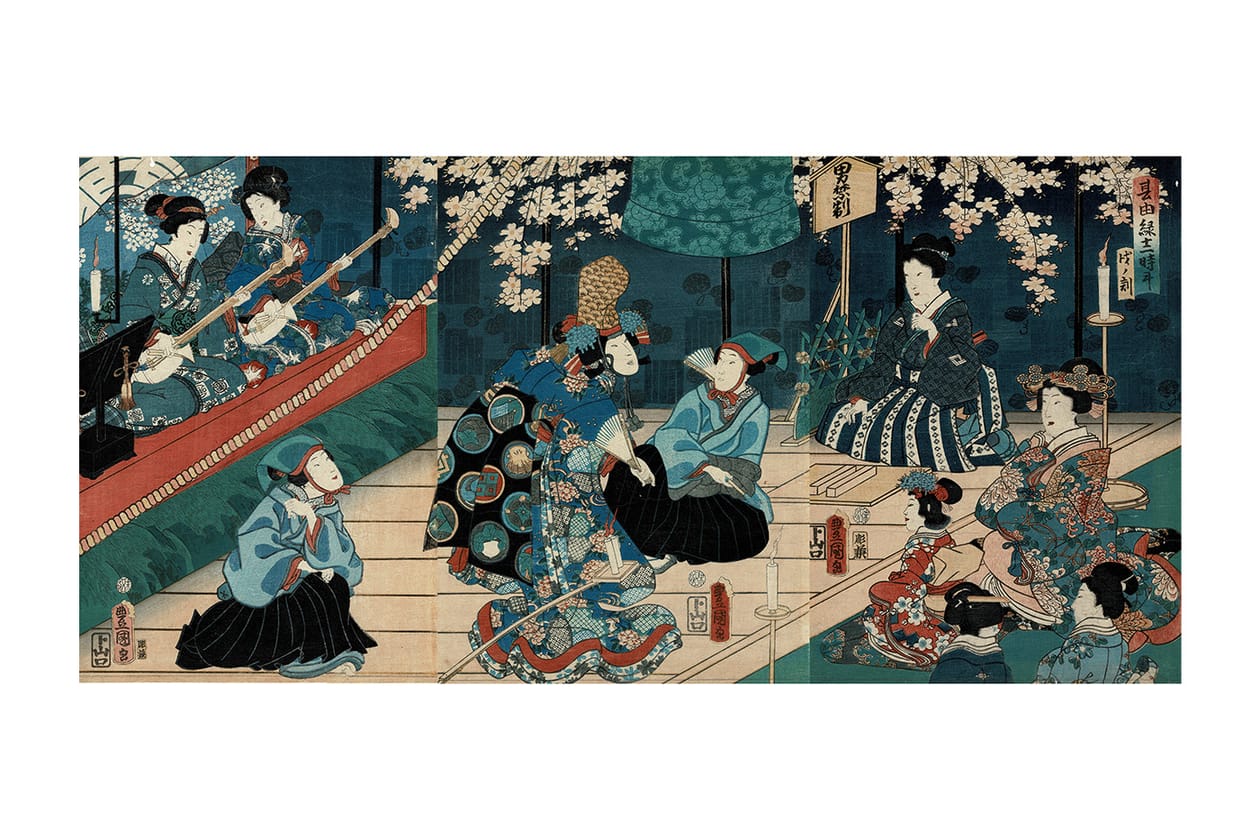
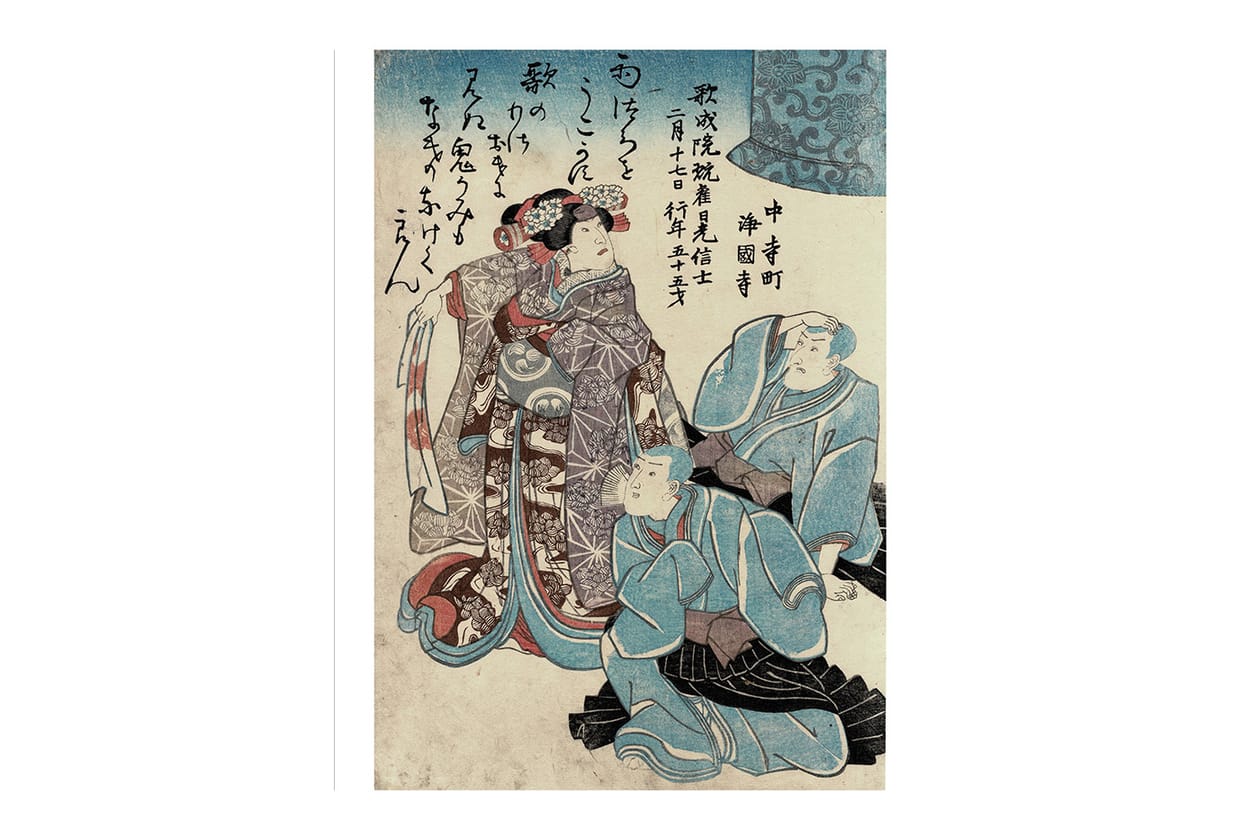
Curated by dancer, choreographer and RANSHOU director Ranshou Fujima, Kyōkanoko Musume Dōjōji (The Maiden at Dojoji Temple) serves as the central performance of the exhibition. This title is not only the oldest surviving Noh-based Kabuki dance drama, but it’s also a highly-regarded repertoire that demonstrates the pinnacle of the onnagata (male actors performing female roles).
Fujima, who trained extensively in classical Kabuki techniques as a woman outside of a traditional hereditary kabuki lineage, has long viewed the classics as living presences rather than distant relics. Her multidisciplinary practice – spanning dance, choreography, film and archival research – anchors the exhibition in both embodied tradition and contemporary inquiry. She seeks to untangle the historical erasure of women in traditional performance narratives, thus recontextualizing three centuries of onnagata practice through a contemporary feminine lens.
Courtesy Of Ranshou
Courtesy Of Ranshou
Courtesy Of Ranshou
Courtesy Of Ranshou
Courtesy Of Ranshou
Courtesy Of Ranshou
Courtesy Of Ranshou
Courtesy Of Ranshou
Courtesy Of Ranshou
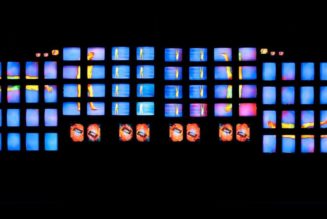
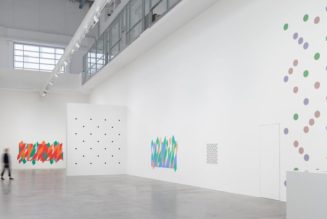
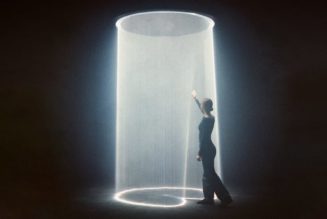
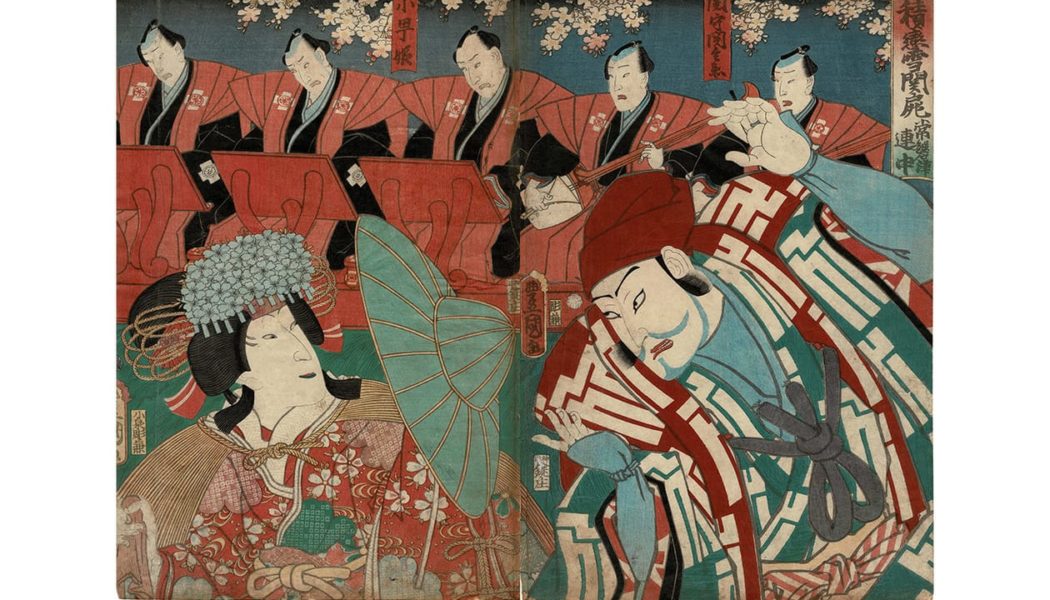
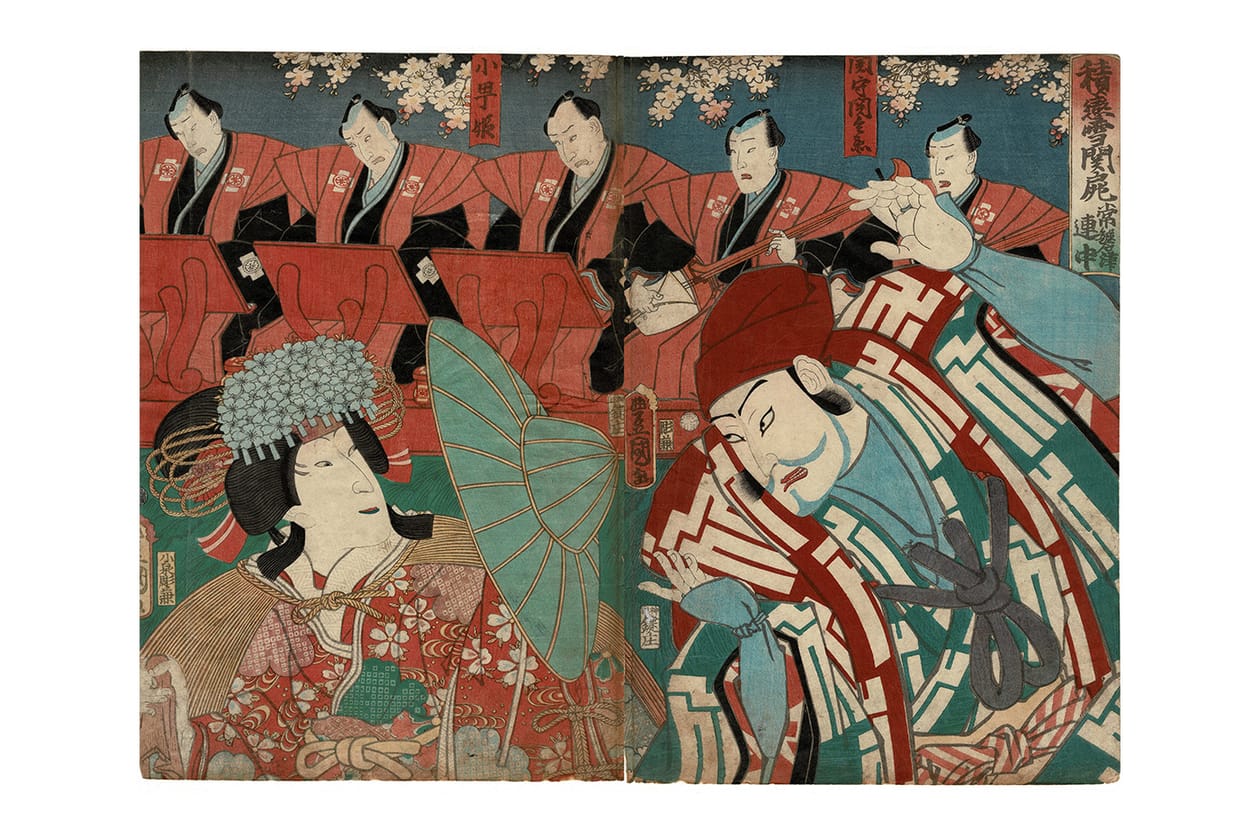
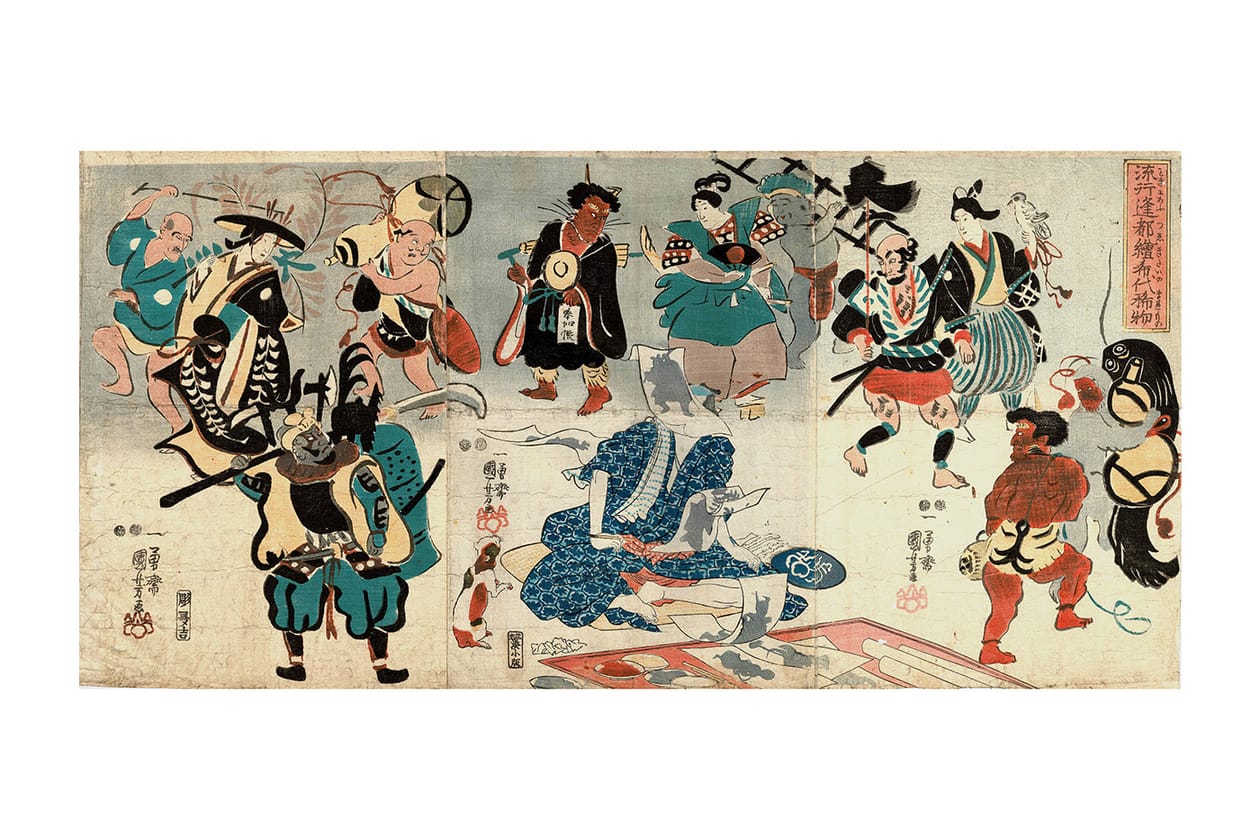
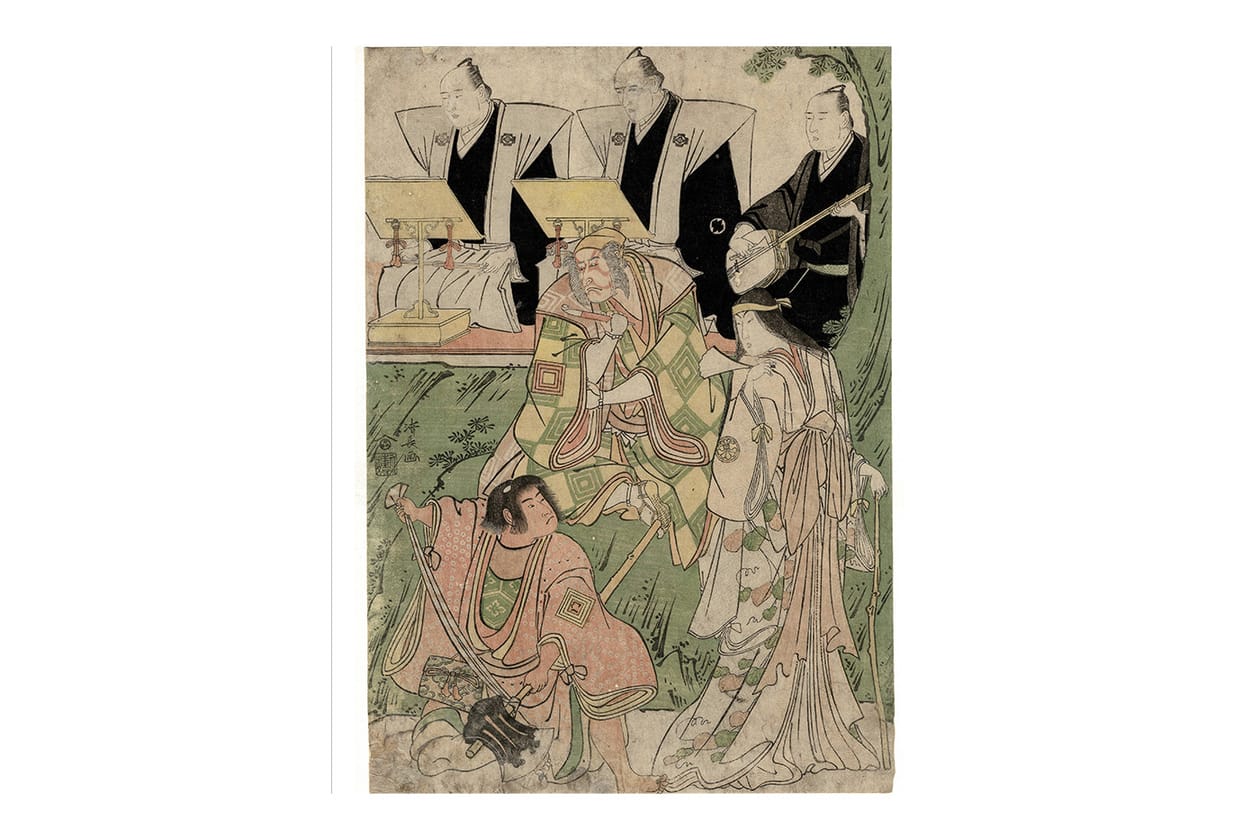
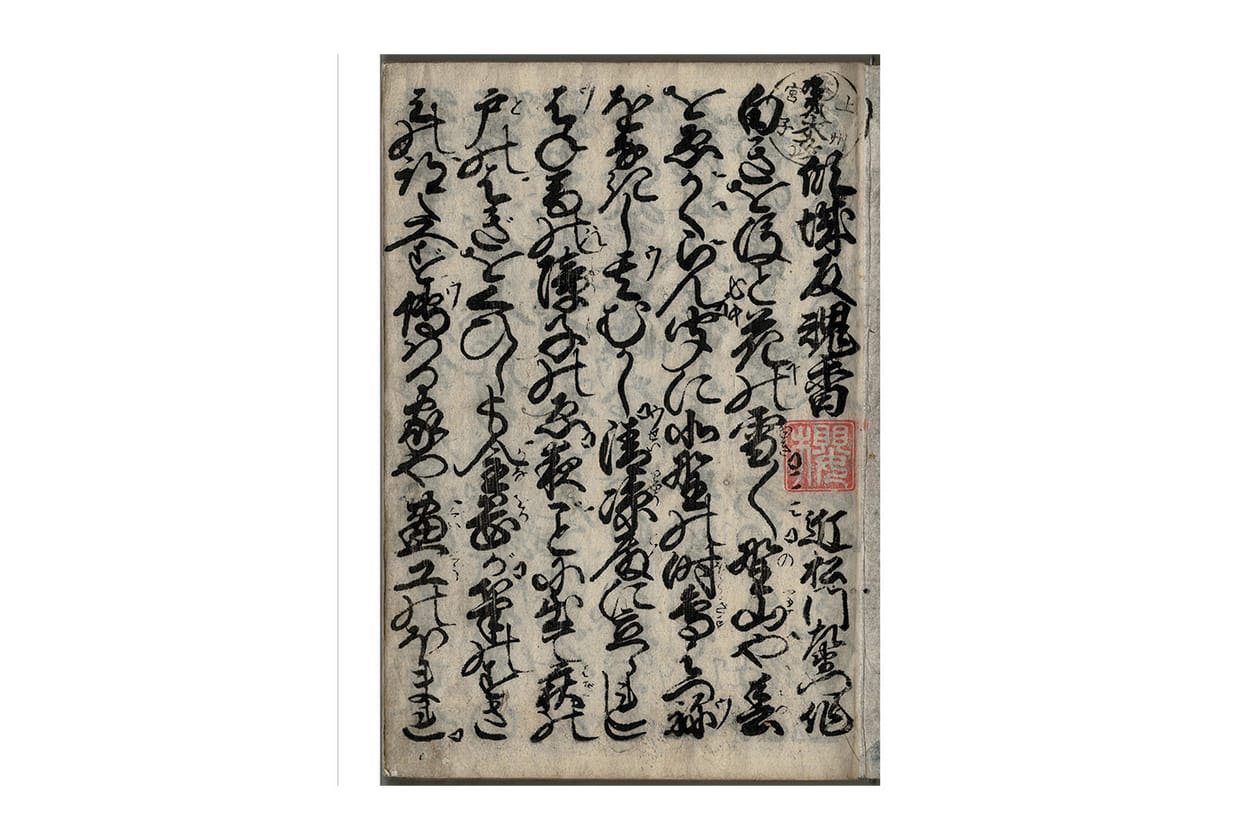
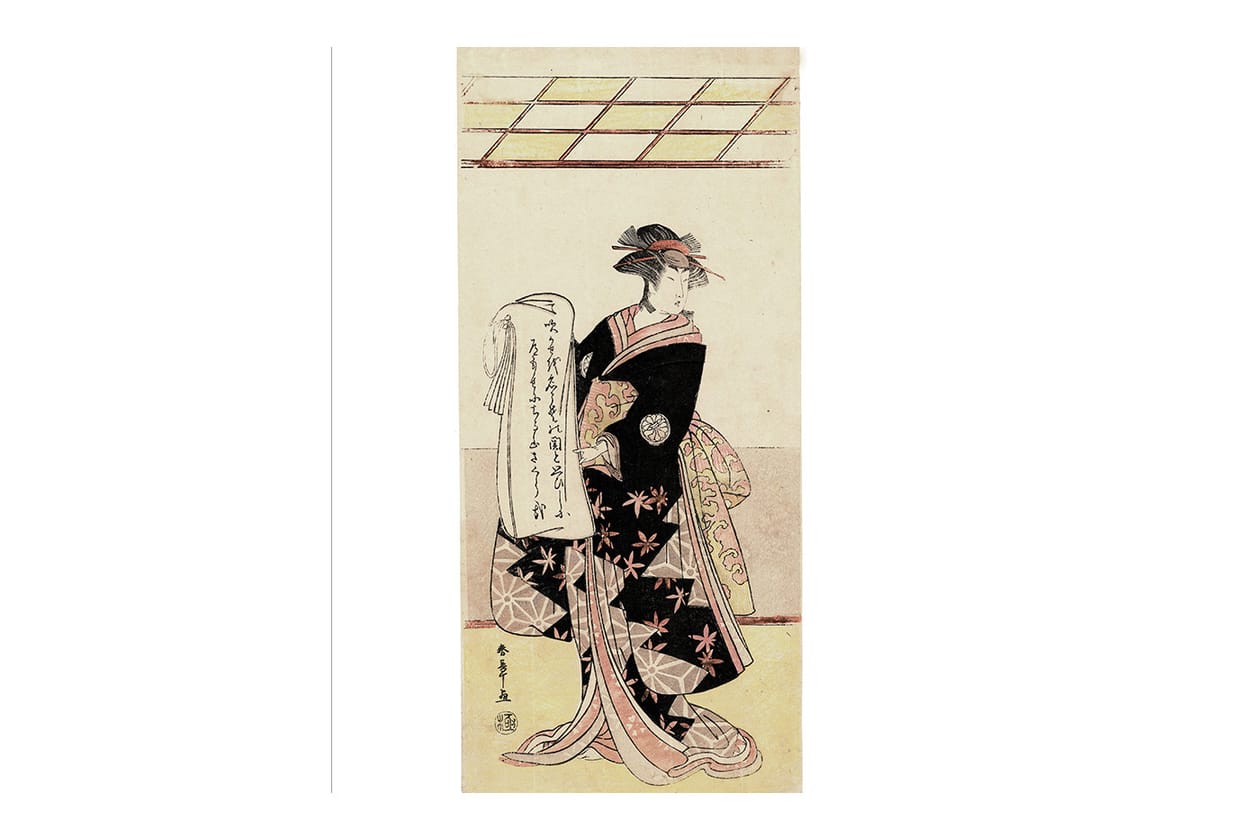
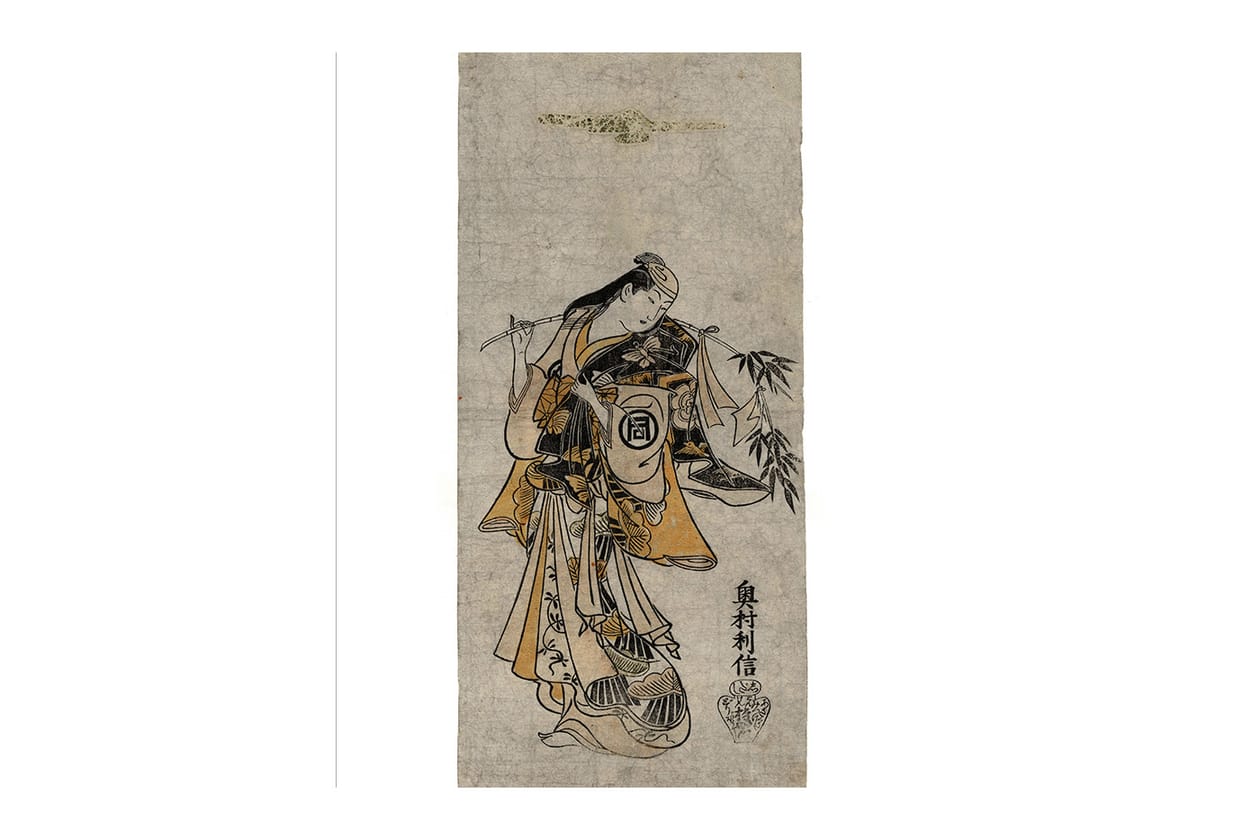
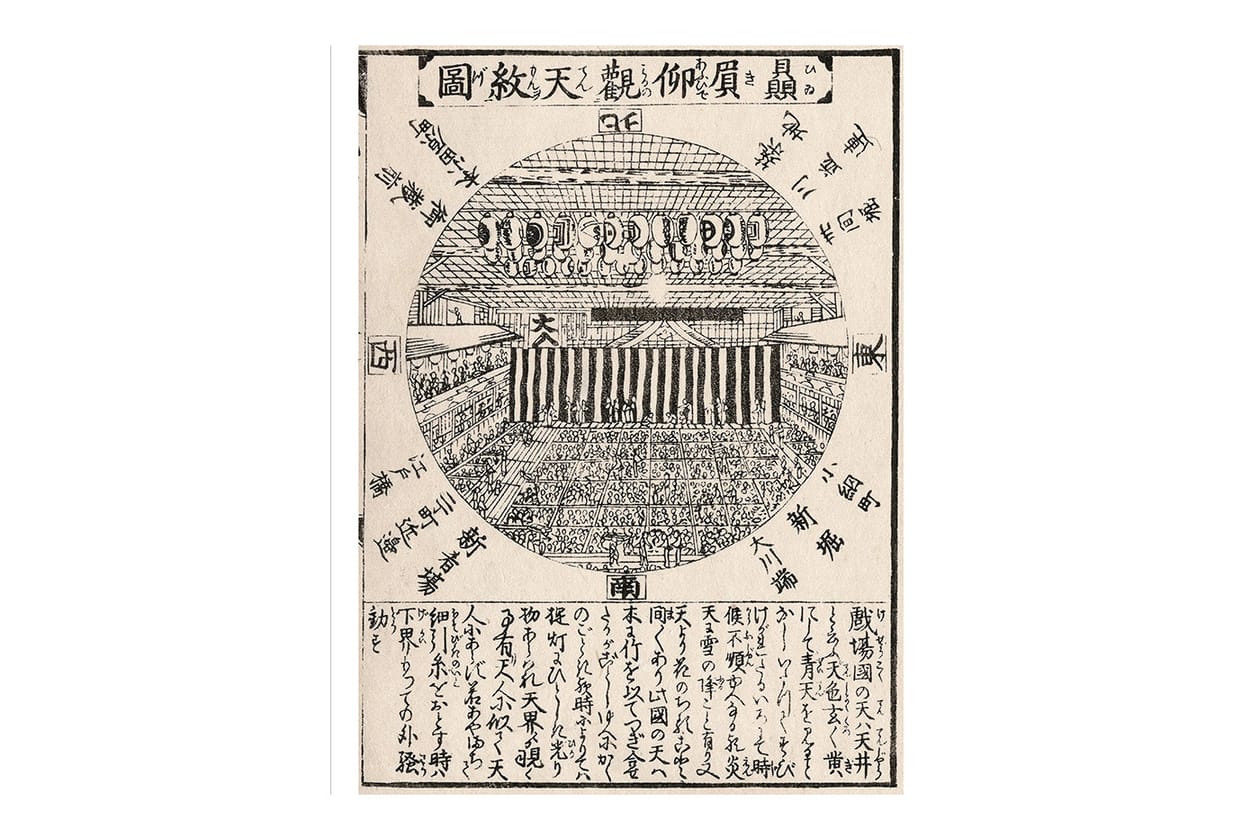
Spanning five thematic sections, the presentation brings together more than 100 historical works and archival documents from the RANSHOU Archives & Collection alongside contemporary creative collaborations. Visitors will navigate through early printed texts such as the 1689 woodblock edition of Ōjōyōshū and Heike Monogatari, rare ukiyo-e prints by masters of the Torii, Katsukawa and Utagawa schools, 1753 nagauta librettos, as well as original stage costumes lent by Shochiku Costume Co., Ltd. These historical artifacts directly dialogue with contemporary projects, including acrylic geta footwear produced with architect Shigeru Ban‘s office, new washi paper photography by RK and Fujima’s single-channel film de(i)fied.
Crucially, the exhibition’s narrative addresses the broader cultural context of post-Meiji Japan, where the modern institutionalization of art often categorized Kabuki and ukiyo-e as mere vernacular entertainment while compartmentalizing their interconnected ties to literature, religion and social life. By mapping the evolution of onnagata across themes of sacredness, theatrical architecture, the boundary between life and death, and the forgotten Edo-period tradition of full-scale female kabuki performances within the Ōoku (the women’s quarters of Edo Castle), FUTURE HISTORY constructs a holistic bridge between past tradition and contemporary practice.
RANSHOU’s FUTURE HISTORY: Lineage and Form of Onnagata will take place at Tokyo’s National Theatre between September 12 and 13, 2026.
National Theatre of Japan
4-1 Hayabusacho, Chiyoda City,
Tokyo 102-8656, Japan