
Rapping and acting have always been intertwined in Black culture, long before it was trending at awards shows. Hip-hop’s first wave of stars stepped into Hollywood with a confidence that made perfect sense: they already owned the camera and the stage, they told stories with personality, and they carried a presence that translated instantly to film. Icons like Ice Cube and Queen Latifah pioneered the crossover. Ice Cube brought his commanding voice and streetwise swagger to films like Boyz n the Hood and the Friday franchise, showing early on that rappers could anchor scenes with the same authority they had on wax. Queen Latifah blended musical talent with comedic and dramatic chops on Living Single and through movies like Set It Off, carving out spaces both in front of music fans and moviegoers alike. These trailblazers didn’t just dabble – they owned their spaces.
That crossover works so seamlessly because rappers are storytellers at heart. Whether they’re spitting bars or delivering dialogue, they’re communicating emotion, experience, and rhythm – the same building blocks directors look for in actors. Rap trains artists to embody different characters and attitudes in their music videos, performances, and even public personas. That kind of creative versatility naturally lends itself to acting. Fans can feel the difference when someone truly steps into a role versus just showing up; rappers who make that leap bring a lived-in authenticity, a keen sense of timing, and a command of their own image that’s been honed on tour stages long before hitting soundstages. It’s why those early rap-to-actor transitions felt less like gimmicks and more like inevitable evolutions. Hip-hop prepared them for the craft in ways traditional paths sometimes don’t.
Over the years, the crossover became more commonplace. By the 2000s, artists like Ludacris carved out long-lasting screen careers while still dropping albums. Will Smith blurred the lines so thoroughly between music and cinema that hip-hop culture increasingly saw acting as an extension of artistry, not a departure from it. More recent decades have brought even broader expansion, with rappers moving into television, streaming series, and indie film, proving they’re not just cameos but capable of carrying complex narratives. In 2025 that trend hasn’t slowed down – it’s accelerated, and the work getting made is being taken seriously by critics and awards circles alike.
The versatility says something powerful about what it means to be an artist today. Rappers who show they can command the mic and the screen challenge the old boxes Hollywood once tried to put around Black entertainers. They prove that talent isn’t singular and that Black stories – whether told through verses or visuals – deserve to be told in as many forms as possible. In an era where audience crave nuance, texture, and authenticity, the best of these crossover moments remind us that hip-hop isn’t just a genre – it’s a way of seeing and shaping culture that resonates everywhere.
Here’s a look at some of the rappers who really got in their acting bags in 2025, and why they stood out this year:
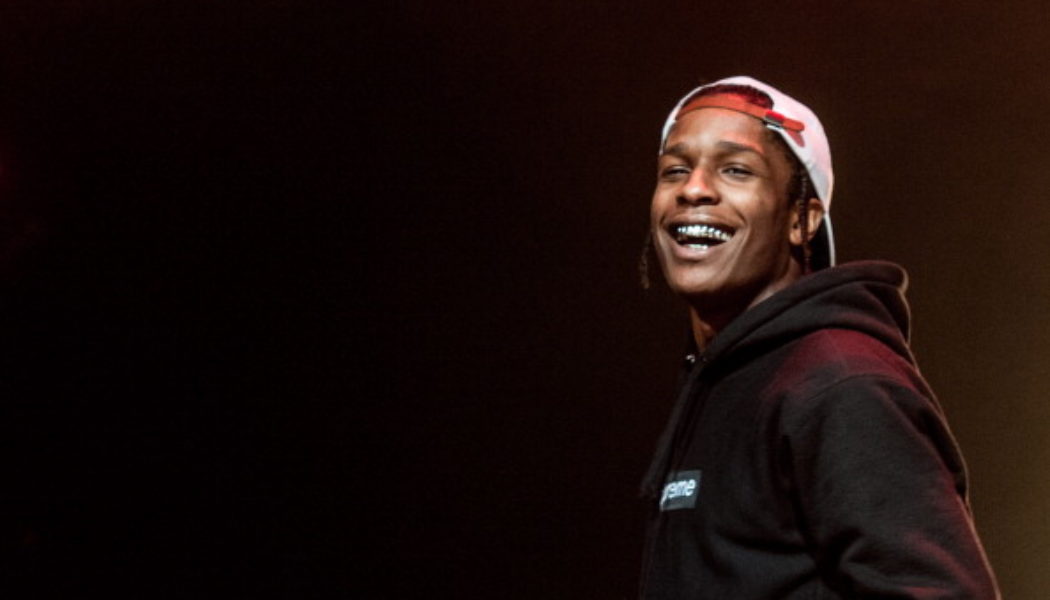
A$AP Rocky
2025 was Rocky’s breakout acting year, starring in Spike Lee’s Highest 2 Lowest opposite Denzel Washington and in the A24 black comedy If I Had Legs I’d Kick You, earning early awards buzz and praise for his on-screen magnetism.