
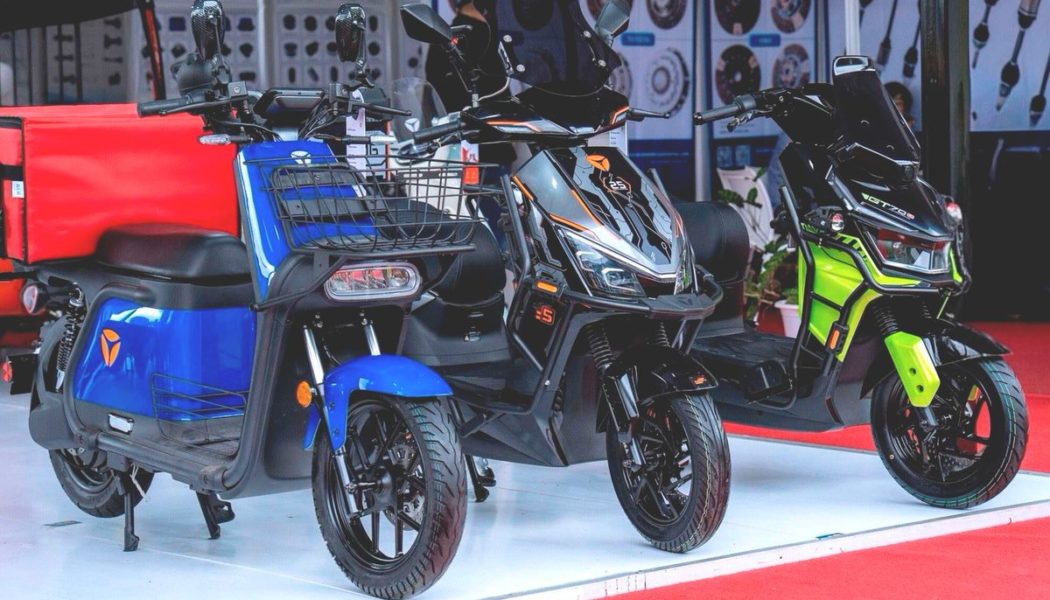
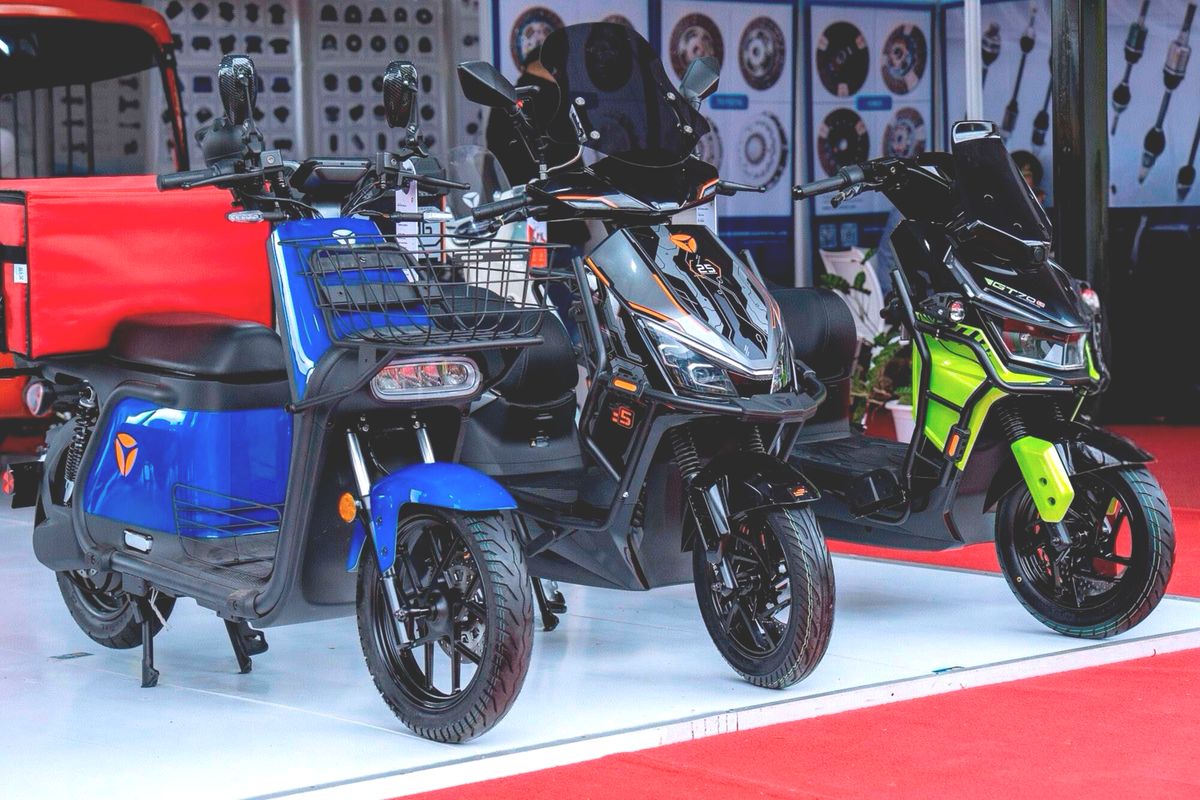
China’s largest electric two-wheeler manufacturer, Yadea, has entered the Kenyan market with a range of electric motorcycles as it seeks a share of the country’s fast-growing e-mobility sector.
The Chinese firm has unveiled five electric motorcycle models in Kenya, targeting taxi operators, commonly known as boda bodas, personal commuters and last-mile logistics businesses.
Yadea, widely recognised as the world’s largest manufacturer of electric two-wheelers, has not disclosed plans for local assembly.
The company told the Business Daily that its motorcycles would cost up to $3,000 (Sh388,320), depending on the model.
Currently, internal combustion engine (ICE) motorcycles in Kenya typically retail at between Sh155,000 and Sh310,000, while electric alternatives from other EV companies range from Sh180,000 to Sh400,000.
Yadea said it will distribute its motorcycles through local dealerships, placing it at a cost disadvantage compared with local assemblers, who currently benefit from tax incentives.
Its motorcycles will use a battery-swapping model, allowing riders to exchange depleted batteries for fully charged units at swap stations.
The firm is partnering with local rival Arc Ride to access its battery-swapping infrastructure.
“Yadea is working with local ecosystem partners, including Kenyan battery-swapping company Arc Ride, to advance electric motorcycle and battery-swapping solutions for local mobility services,” the firm said.
Battery swapping has emerged as one of the key strategies EV firms are using to accelerate electric vehicle adoption in Kenya.
Most companies sell motorcycles without batteries – the most expensive component of an EV – to keep upfront costs competitive with petrol-powered alternatives.
Riders access batteries through subscription or rental models and swap them at designated stations, many of which are located at traditional petrol stations.
It also eliminates the downtime associated with conventional charging, which can take up to two hours.
Sector race
Kenya’s electric motorcycle market currently comprises local assemblers and operators Spiro, Arc Ride, Roam Motors and Ampersand.
Spiro, which also operates a battery-swapping network, is currently Kenya’s largest electric motorcycle player, with more than 20,000 motorcycles on the road.
Its offering includes a commercial motorcycle dubbed Kifa, which comes with a dual-battery pack that promises a range of up to 150 kilometres on a single charge.
By comparison, local competitors with dual-battery packs, such as Roam, offer a range of up to 160 kilometres.
Electric vehicle assemblers are exempt from the 35 percent import duty charged on fully built vehicles and enjoy lower Import Declaration Fee and Railway Development Levy charges on completely knocked-down kits.
They also benefit from a reduced excise duty of 10 percent and zero-rated value-added tax (VAT), helping to lower final retail prices.
Yadea did not comment on whether it plans to establish a manufacturing or assembly facility in Kenya to benefit from the incentives.
Tax shift
Still, its entry comes as Kenya considers tax changes that could reshape the sector.
The Finance Bill 2026 proposes reclassifying electric motorcycles, e-buses, e-bicycles, solar batteries and lithium-ion batteries from zero-rated to VAT-exempt status.
The change would deny assemblers the 16 percent VAT refunds they currently claim from the Kenya Revenue Authority on assembly inputs, potentially reducing a key subsidy that has helped lower EV prices over the past three years.
Yadea’s entry follows its expansion into Ethiopia, a much larger EV market than Kenya, three years ago. The company says it has sold more than 48,000 electric motorcycles there.
“Following our success in Ethiopia… we are confident that our innovative electric mobility solutions will meet the growing demand for sustainable transportation in Kenya and the wider East African region,” John Zhang, Yadea’s East Africa market director, said.
Data from the Africa E-Mobility Alliance shows that electric motorcycles accounted for 31,869 of Kenya’s 43,324 registered electric vehicles by the end of 2025, with most deployed in the boda boda sector.
Founded in 2001, Yadea is widely regarded as the world’s largest electric two-wheeler manufacturer by sales volume and has ranked first globally for annual sales for eight consecutive years.
The company operates 10 manufacturing bases across China, Vietnam, Indonesia, Mexico, Brazil and Thailand. It sells electric motorcycles, scooters, e-bikes, batteries and accessories in more than 100 countries through a network of over 40,000 retailers.
Yadea said it sold 4.8 million electric scooters in 2025 and a total of 16.3 million electric two-wheelers globally during the year.