
Learn how to look after your backpack with easy cleaning, drying, storage and repair tips for hiking, travel and everyday use
A good backpack is built to take a beating, but even the toughest kit has its limits. Heavy-duty fabric, reinforced stitching, chunky zips and robust buckles can handle years of use, provided you look after them properly.
Most tactical backpacks do not fail overnight. They wear down slowly through dirt, moisture, overloading, poor storage and the small bad habits that creep in after muddy hikes, wet commutes or long days on the trail.
The good news is that a few simple routines can dramatically extend the life of your pack. Whether you use yours for hiking, travel, wild camping, commuting or as part of an emergency kit, proper care will help keep it comfortable, reliable and ready for the next adventure.
Clean it regularly
Dirt, sweat, salt and grit are among the biggest enemies of a backpack. Fine particles work their way into seams, zips and fabric fibres, where they act like sandpaper every time the pack bends, rubs or shifts on your back.
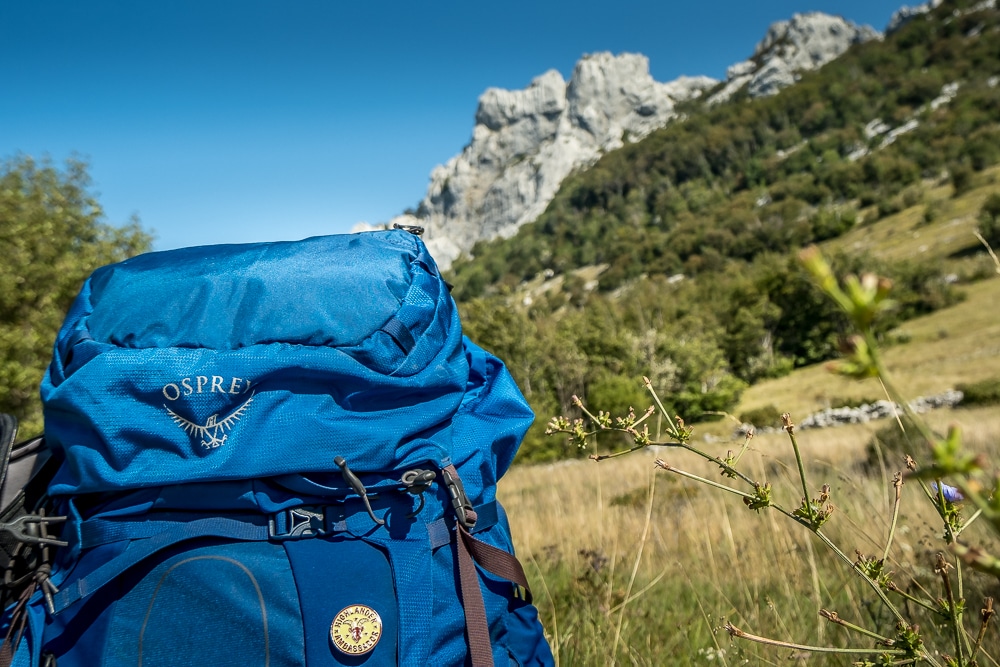
After a dusty hike or muddy trip, empty every pocket and shake out loose debris. Pay particular attention to hidden corners, mesh compartments and zip tracks, where grit tends to collect. Wipe the inside and outside with a damp cloth, then leave the pack open so it can air properly.
For a deeper clean, hand-wash the pack with lukewarm water and mild soap. Avoid bleach, harsh detergents and fabric softeners, which can damage coatings and weaken fibres. It is also best to avoid putting a backpack in the washing machine, as the agitation can damage buckles, distort padding and compromise water-resistant finishes.
Always let the pack dry completely before storing it. Moisture trapped in padding or seams can lead to mildew, odour and long-term fabric damage.
Keep it out of prolonged sunlight
Backpacks are often made from high-denier nylon or polyester, both of which are designed for hard use. Even so, prolonged exposure to ultraviolet light can gradually weaken synthetic fabrics and fade colours.
Of course, you cannot avoid sunlight when you are using your backpack outdoors. The key is to avoid unnecessary exposure between trips. Do not leave your pack for days in the back of a car, on a sunny windowsill or hanging outside once it is dry.
Store it indoors, away from direct sunlight, and you will slow the ageing process significantly.
Look after the zips
Zips are one of the most common failure points on any backpack. A pack can have flawless fabric and stitching, but if the main zip fails, it quickly becomes frustrating – or unusable.
The main culprit is usually grit. Dust, sand and dried mud can lodge in the teeth and make the slider stick. If you force it, you risk bending the teeth or pulling the zip out of alignment.
Wipe zip tracks occasionally with a damp cloth, especially after beach trips, dusty trails or winter use where salt may be present. If a zip starts to feel stiff, apply a small amount of zip lubricant or paraffin wax and gently work the slider back and forth.
Never yank a jammed zip. Stop, check for trapped fabric, remove any grit and ease it free slowly.
Check buckles, straps and hardware
Buckles, compression straps, sternum straps and adjustment points take a lot of strain, especially when a pack is fully loaded. A quick inspection after heavy use can prevent a small problem from becoming a trip-ending failure.
Look for cracked buckles, frayed webbing, loose stitching or areas where straps are beginning to stretch. Check the shoulder strap attachments and haul handle carefully, as these are high-stress areas.
If you spot damage early, it may be repairable. Left unchecked, it can spread quickly, particularly under load.
Do not overload it
Every backpack has a practical limit. Exceeding that limit regularly puts stress on stitching, zips, seams, shoulder straps and the base panel.
A backpack may look capable of carrying almost anything, but that does not mean it should. If the shoulder straps are visibly stretching, the seams are puckering, or the base is sagging, the load is too heavy.
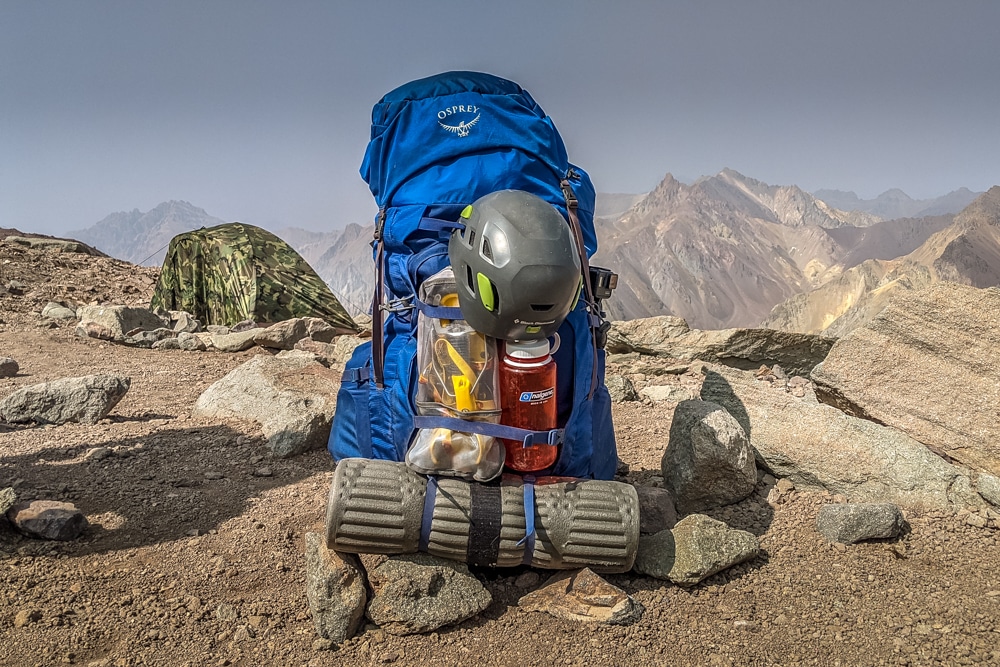
Pack heavier items close to your back and low in the main compartment to improve balance. Use compression straps to stabilise the load and avoid stuffing external pockets until they strain. If you regularly need to carry more, it is better to upgrade to a larger pack than to force a smaller one beyond its design.
Dry it properly after wet trips
Rain, river crossings and damp campsites are all part of outdoor life, but moisture is hard on backpacks if they are packed away too soon.
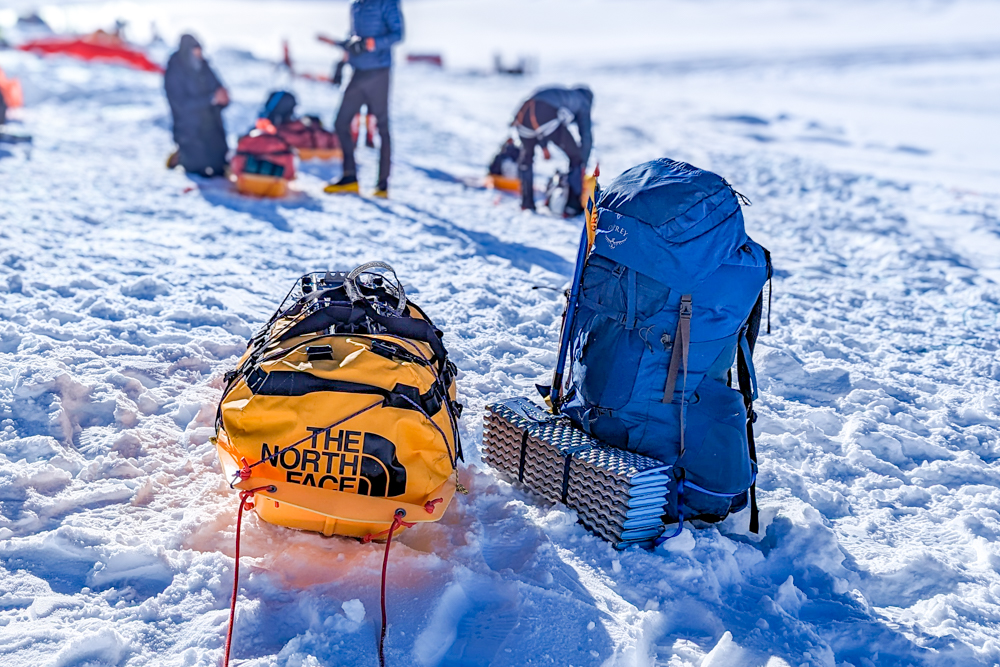
After a wet trip, empty the bag completely and open all compartments. Remove any detachable pouches or liners and allow air to circulate through the whole pack. Do not place it directly on a radiator or next to a strong heat source, as excessive heat can damage coatings, foam and plastic components.
A slow, thorough air dry is best. Once dry, check for lingering odours or damp patches before putting it away.
Store it the right way
Poor storage can shorten the life of a backpack just as much as rough use. Cramming it into a tight cupboard or leaving it crushed under other gear can distort padding, bend internal frames and create permanent creases in the fabric.

Store your backpack in a cool, dry place with the main compartment partly open. If possible, hang it from a sturdy hook by the haul handle rather than by the shoulder straps, which can stretch over time if left under tension.
For long-term storage, lightly stuff the main compartment with crumpled paper or clean clothing so the bag keeps its shape.
Treat it like the investment it is
A well-made backpack should last for years, but only if it is treated properly. Cleaning it after dirty trips, drying it thoroughly, protecting it from unnecessary sun exposure, maintaining the zips and respecting its load limits will all help extend its lifespan.
Look after your pack, and it will repay you with dependable service across countless hikes, journeys and everyday adventures.