
“I’ve always just been drawn to where the energy in culture lies – wherever there’s new ground to break and where there’s a sense of vitality and excitement.”
Throughout your career, you’ve worked across creative sectors, without a strict contemporary art background. Could you tell me a little bit more about how you got here?
I started off in the film world, but it wasn’t like the 90s, when the indie scene emerged. What did feel exciting was the internet. With the advent of Web 2.0, it became a ubiquitous part of culture. Tumblr, YouTube, different forums, like 4Chan — that’s what attracted me.
With all of these new languages and forms of media, there was so much I could use, mine and explore – I was wearing the hat of an internet surfer. Eventually, the art world caught on and by then, the internet transformed image-making, how we structure our identities, how we structure the past and how we communicate. It was undeniable.
Slowly, the internet art that I was making became accepted in the mainstream art world. Over time I’ve migrated to making fine art in the gallery context, but I’ve always just been drawn to where the energy in culture lies – wherever there’s new ground to break and where there’s a sense of vitality and excitement.
In shifting from web surfing to worldbuilding, how did that change your typical day in the studio?
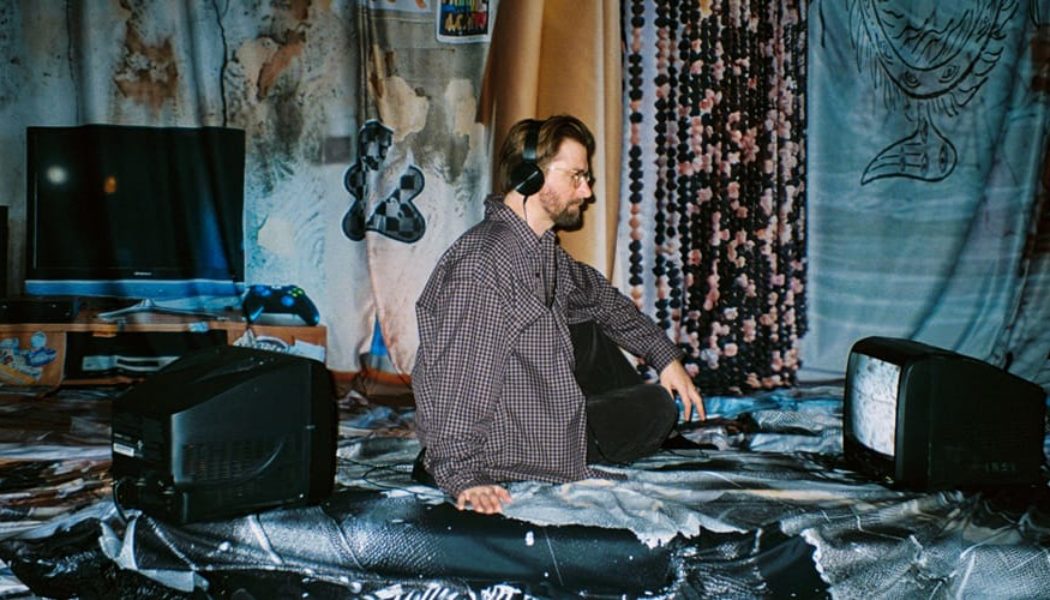
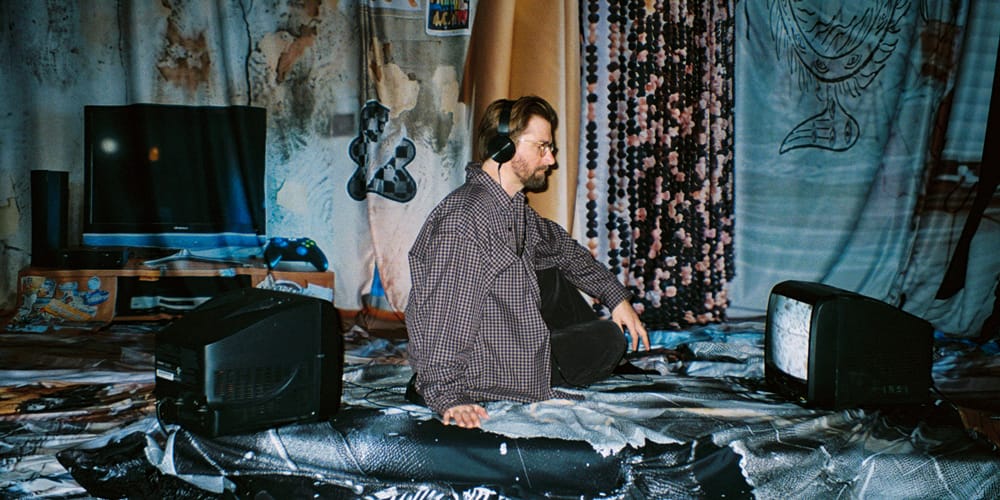
There’s no typical day, but when my exhibition was running, it was pure insanity. I wanted to build my own television network, MSM, populated with musicians, editors, and producers crafting music videos, albums, and TV shows, like a 21st-century MTV. Something experimental, cutting-edge and still spoke to youth. I wanted to show that a small group of artists could do what would have taken hundreds of millions of dollars and thousands of people to do.
Television is no longer what it used to be. When I was growing up, people were aware of the same TV shows and musicians, but nowadays we don’t have that same homogenous monoculture. In the gallery, I wanted to recreate the experience of watching television late at night: you’re 14 or 15 and watching an Aphex Twin or TOOL music video, something that feels exciting and dangerous.
Now that the show is up, I’m focusing on Cloudy Heart, the main character of this world.