
Summary
-
Nissan has officially confirmed that the next-generation R36 GT-R is currently in development and is slated to arrive before 2030
-
The upcoming supercar will feature a hybrid powertrain built upon the beloved VR38 twin-turbo V6 engine block used in the outgoing R35 model
-
The R36 will sit on an all-new chassis and utilize “some level of electrification” to ensure it can pass strict global emissions regulations
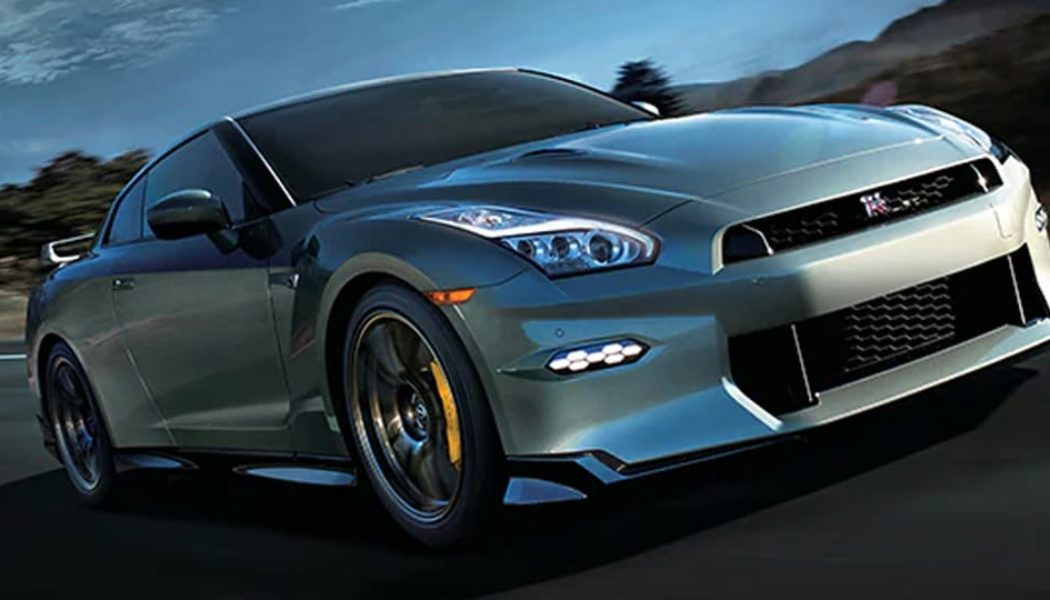
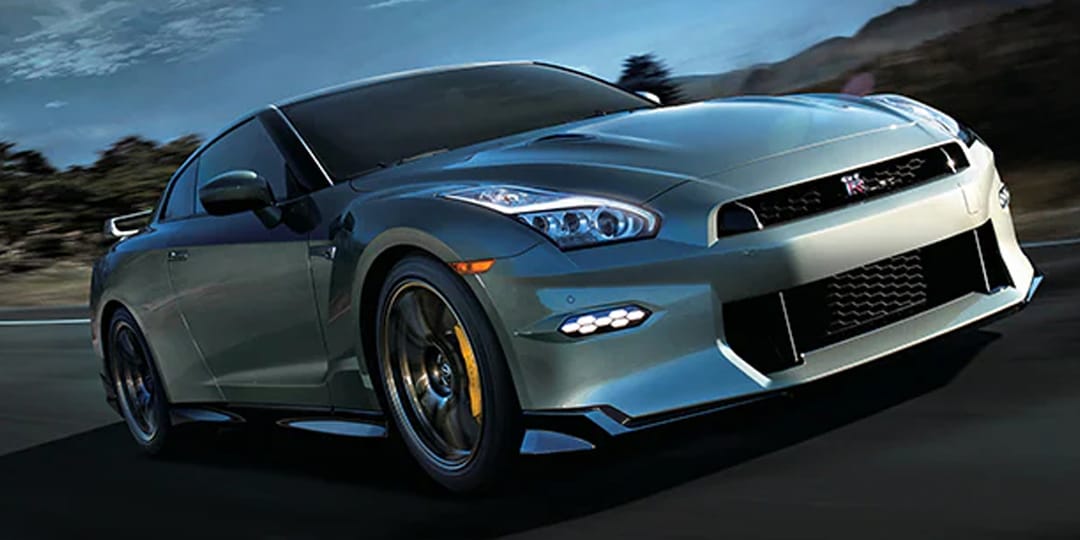
Godzilla isn’t dead—it’s just being redeveloped. Following the end of the R35 GT-R‘s legendary 18-year production run, Nissan has officially shed light on the future of its flagship supercar. Revealing to The Drive at the 2026 New York Auto Show, Nissan North America’s Senior Vice President and Chief Planning Officer, Ponz Pandikuthira, confirmed that the next-generation R36 GT-R is actively in development. Arriving before the end of the decade, the highly anticipated vehicle will feature a hybrid powertrain built around the Japanese automaker’s beloved VR38 engine block.
While previous industry rumors hinted at an all-electric successor, Nissan is officially steering toward a twin-turbo V6 hybrid resurrection. Pandikuthira revealed that the R36 will sit on a brand-new chassis, describing it as an “all-new car,” though the powertrain will be “mostly new.” Rather than starting completely from scratch, a core group of enthusiasts within Nissan decided to retain the foundational block of the VR38 engine that powered the R35—a piece of hardware widely praised by the tuning community for its incredible durability and power potential.
“If there was a hybrid powertrain, the block of that VR38 engine… is so great. Why would you throw that away?” Pandikuthira explained. He noted that while the block remains, elements like the cylinder heads, pistons, and combustion methods will likely see significant, ground-up overhauls.
The shift toward hybrid technology isn’t just about pure performance; it is a necessary step for the GT-R’s survival on the global stage. Pandikuthira emphasized the goal of making the R36 a true global car capable of passing strict upcoming emissions standards, such as the Euro 7 regulations. “The next generation GTR will need some level of electrification… to future proof [for] emissions compatibility,” he added, clarifying that a full EV model is not the immediate answer.
Despite the heavily remixed formula, the ultimate goal of the vehicle remains completely unchanged. During the interview, Pandikuthira deliberately invoked the name of the Nürburgring—the grueling German track where the R35 was extensively honed—signaling that the R36 is being built with the exact same uncompromising, track-focused DNA.
Concrete announcements regarding the R36 GT-R are expected by 2028, with the vehicle slated to hit the streets before 2030.