
For a lot, car culture can mean sharing of knowledge and expertise, or the bond and support between enthusiasts. Some look at car culture as an avenue for inspiration. Others simply use it as a way to obtain rare and coveted parts. Whatever one’s definition of car culture may be, one thing is certain – SEMA has been fostering it for decades.
Since 1963, SEMA – an acronym for the Specialty Equipment Marketing Association – has been at the forefront of car culture and community, holding its massive gatherings for car enthusiasts, product developers, service technicians and many others to congregate and collaborate. Recently, the show has even invited the public to attend, providing general admission for those outside of the industry. This move has proven successful, as the SEMA Show grows year over year.
But with these decades and shifts in strategy, how has SEMA changed over time? Is it still the focused “mecca” for modification, or has it lost the plot?
For this year’s coverage, we decided to speak to three different generations of SEMA attendees. RJ de Vera – who stands as the association’s vice president of marketing – spoke of the present direction of SEMA, grounding what the show is meant to convey. Stan Chen represents Toyo Tires, a powerhouse brand that has been exhibiting at SEMA for nearly 40 years and is able to give some historical context. And lastly, we spoke with actor and attendee Michael Cimino (Motorheads, Annabelle Comes Home) to understand how a new generation of SEMA guest views the show.
After speaking with the three generations of SEMA show goers, it seems some things have changed, but overall the show remains a cornerstone of car culture and community in the United States.
RJ de Vera, VP of Marketing, SEMA
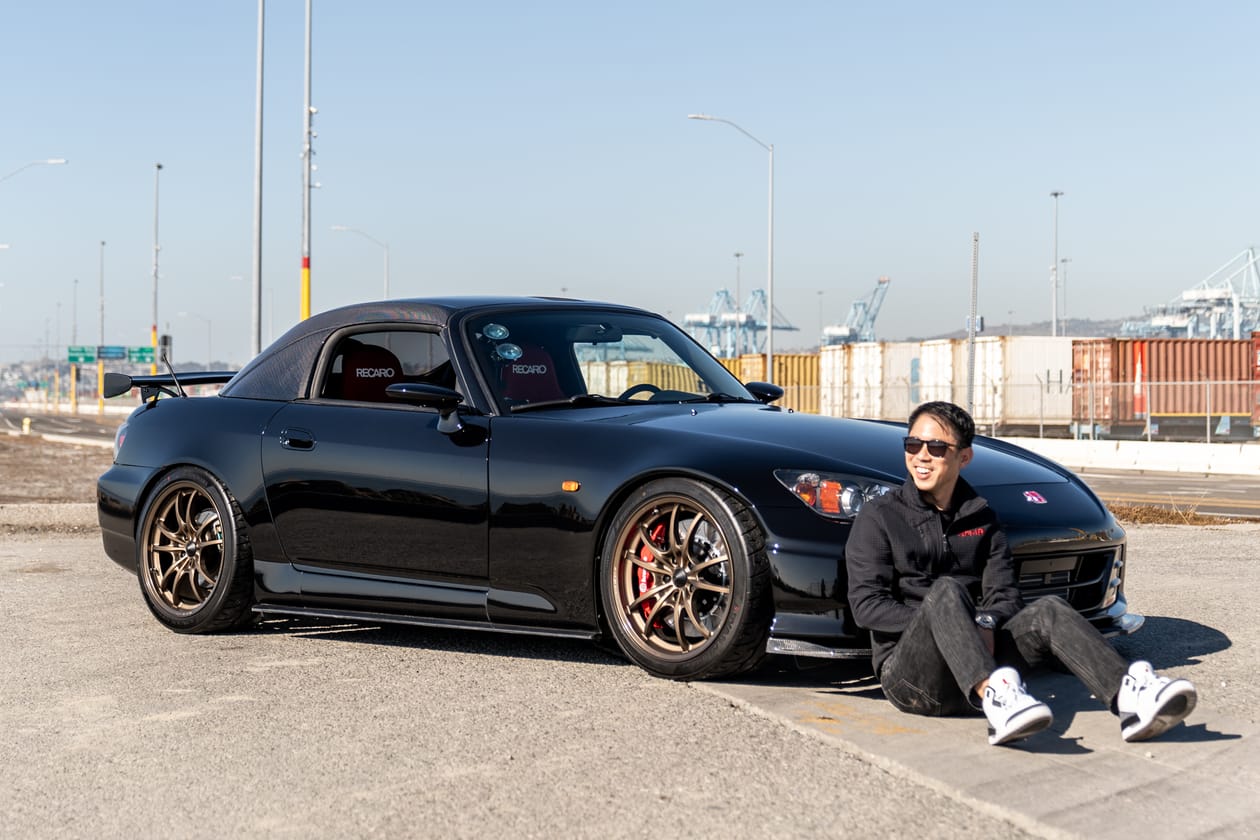
Eddie Eng/Hypedrive
Tell us about yourself and what you do for SEMA.
Me and my team are heavily involved in helping the SEMA Show come to life, and getting people here at the same time. My team is the marketing department, but within that, it’s marketing, public relations, and communications.
The SEMA show has been integral to the automotive scene and culture from as far back as 1963. How has it been able to keep this momentum for so long?
This is our 58th SEMA show, so we’re getting close to 60 years. It keeps this momentum because it’s just a reflection of the culture and the hobby. And as the culture and the hobby evolves, the show evolves, and that’s something that the show has done very well. It started from a bunch of manufacturers who were getting together and creating an association to have a bigger voice. And that’s how it really began – it’s great to see, because the industry, and the culture really powers the industry. And so it also powers the show.
Has SEMA changed over the years?
A lot of the change is very much tied to the culture and how the culture has changed, and how different forms of modification and personalization have become popular. A lot of times, the trends maybe don’t start at SEMA, but really gets its exposure at SEMA. So a lot of the change [of the show] comes from these early trends that then get recognized at SEMA, And then the show becomes the platform for those trends to really grow and become even bigger.
From an insider’s perspective, what do you want attendees – exhibitors and guests alike– to take out of SEMA?
Our goal and mission as an association is to help foster the success of the aftermarket. Our hope is that SEMA show is just a platform for either a business, a business owner, or a person.
SEMA is really just a platform for how people want to use it. It could be a platform to find new distribution; it could be a platform to launch a new item; it could be a platform to get your international partners together; it could be a platform to showcase your build, so you can promote it. So, for us, it’s kind of up to the attendee and exhibitor to use it for whatever they need it to be.
How do you feel SEMA supports car culture?
We’ve talked quite a bit about the government advocacy side – we’re really leaning into that. SEMA was one of the main associations behind reversing the EV mandate that was coming down, and making sure that consumer choice is an option. So one of the [other] things that we’re really big on right now is advocating the right to modify, [and] the right to repair. We fear that at some point, we may not have that right, which would kill this whole industry.
There’s [also] things that we help companies do from a product development or product distribution side. [We provide support] whether that’s in business, education, or personal development. And being a nonprofit, we put the money back into the industry, and create programs to help the industry continue to prosper and thrive. I’d like to think [what we do] protects this industry that we love.
“[SEMA is] a reflection of the culture and the hobby. And as the culture and the hobby evolves, the show evolves, and that’s something that the show has done very well. …It’s great to see, because the industry, and the culture really powers the industry. And so it also powers the show.” – RJ De Vera
Where is car culture going? What will change over the next xx years for cars, the owners, the builds, the automotive aftermarket, etc?
As people get more interested [in car culture] with every new generation, people absorb and then they splinter, and they evolve, and you get more and more sub segments… which I think is really great for the culture, because it just continues to expand, expand, expand.
I’ve seen [car culture] go up and down; it kind of ebb and flows. The recession for example was a time when car culture wasn’t as hot as it was, because people didn’t have money to spend on this things that they loved. But then it came back up, right? And since then, it gets even bigger every time.
The great thing about this culture and this industry is that they’re very resilient, and people love personalizing things, making things their own. So, I don’t think that’ll ever change.
Stan Chen, Sr. Manager Events, Sponsorships and Motorsports, Toyo Tires
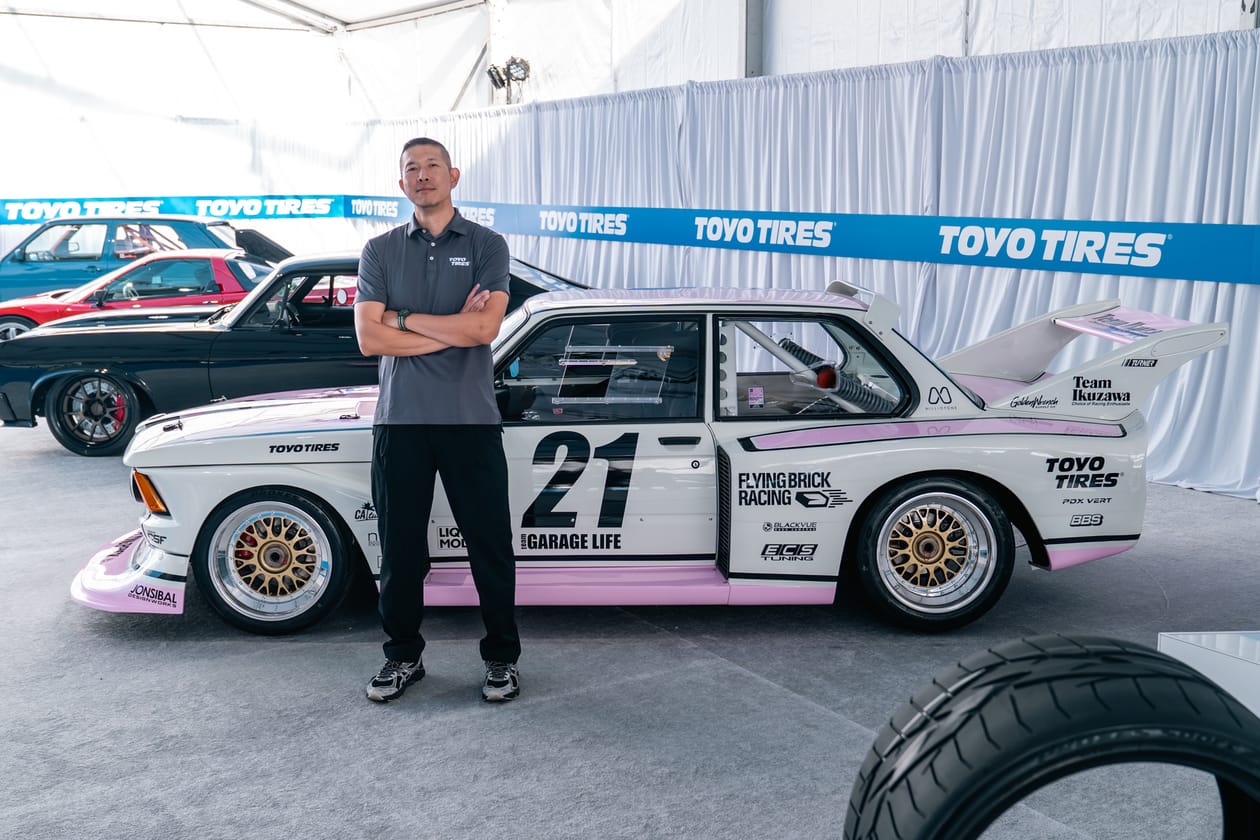
Eddie Eng/Hypedrive
What is Toyo Treadpass? Can you walk us through the booth and what you want out of it?
Toyo Tires Treadpass is a marquee activation at SEMA, the world’s largest automotive aftermarket tradeshow. Our activation provides a platform for talented builders to showcase their work and creativity in front of the industry.
Each year, Treadpass showcases a curated collection of customized vehicle builds that make their world debut at SEMA. This year’s lineup includes 26 unique builds, ranging from a custom-built 2013 Porsche 911 Carrera, by Indecent with sneaker design cues inspired by Nike SB Green Lobster Dunks to a 1968 Chevrolet Camaro, by Lost Angels Career Center built by the students. Treadpass is all about crossover energy.
How long have you and Toyo been exhibiting at SEMA?
Toyo Tires has been a proud member of SEMA for 40 years, and this year marks the 12th year for the Toyo Tires Treadpass.
What draws a brand like Toyo to SEMA? How does it fit the marketing and business for the brand?
SEMA is where the global car scene sets the tone for what’s next. For Toyo Tires, it’s a stage to showcase next-gen design and boundary-pushing builds while creating memorable moments that capture the attention of media, industry, and enthusiasts alike. Toyo’s continued presence at SEMA underscores its deep roots in car culture and its drive for innovation.
“Car culture has always evolved with each generation, and what we’re seeing now is a shift toward storytelling and self-expression with more auto-based content creators. It’s becoming a creative showcase that connects with a broader audience. That’s healthy for the industry and for the culture.” – Stan Chen
Has that answer changed over the years? When Toyo first started exhibiting, was there a different purpose or motivation?
Toyo Tires’ first SEMA setup looked a lot different with a smaller space, fewer eyes on the booth, and less vehicles on display, but the mission was the same. From day one, Toyo’s been about pushing new patterns, fitments, and ideas that move car culture forward. Whether it’s street builds or off-road rigs, that commitment to the scene has only grown over the years.
What are your thoughts on the newer generation coming in and their approach to SEMA and car culture?
Car culture has always evolved with each generation, and what we’re seeing now is a shift toward storytelling and self-expression with more auto-based content creators. The younger crowd is turning SEMA into more than a tradeshow – it’s becoming a creative showcase that connects with a broader audience. That’s healthy for the industry and for the culture.
How do you feel SEMA supports car culture?
For us, SEMA is more than a trade show, it’s a celebration of the auto industry. It’s where we connect directly with the builders, brands, and enthusiasts who drive the culture forward, and where we get to showcase how our products and partnerships play a part in that movement.
Where is car culture going? What will change over the next xx years for cars, the owners, the builds, the automotive aftermarket, etc?
Car culture is expanding in all directions. We’re seeing enthusiasts merge design, performance, and sustainability in ways that didn’t exist before. The next few years will bring more collaboration between brands, builders, and even industries outside automotive. At Toyo, we see that as an opportunity to keep creating products and experiences that inspire how people build, drive, and express their passion for cars.
Michael Cimino, Actor, Motorheads
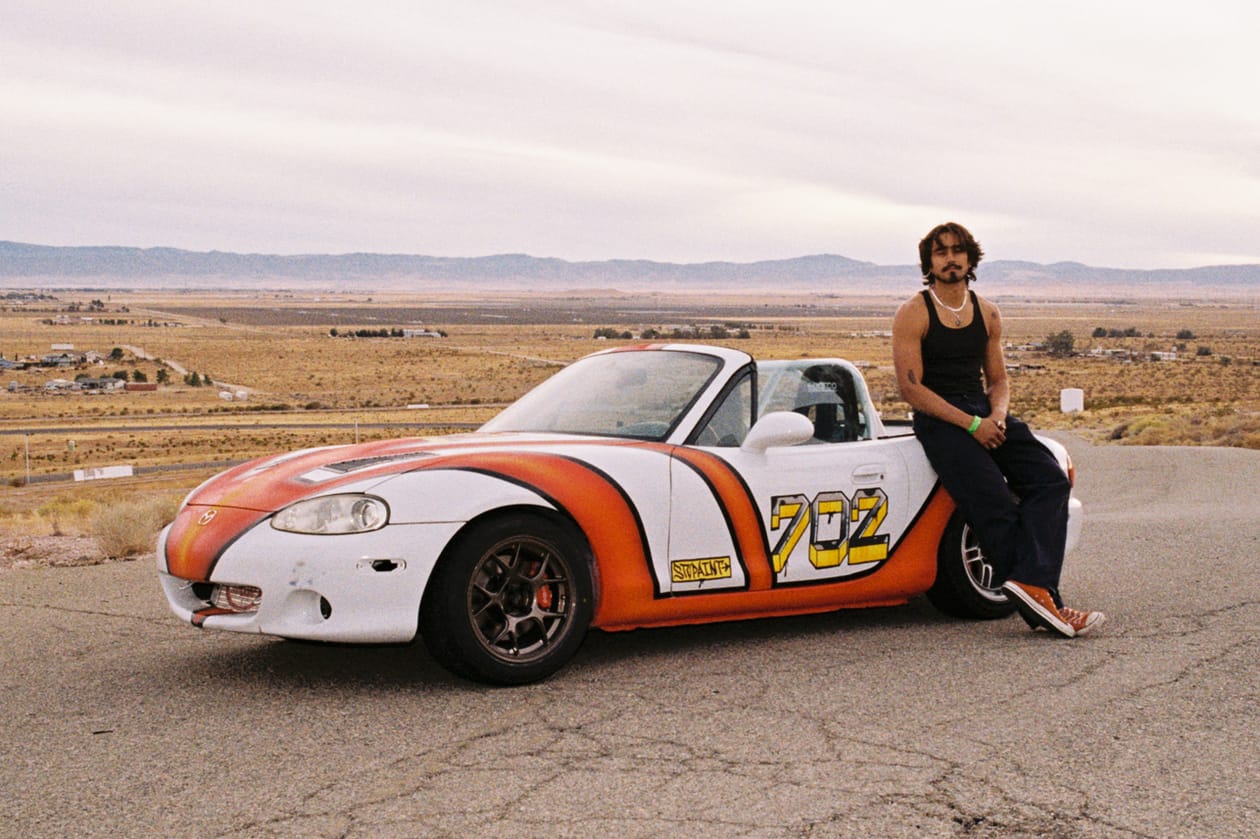
Andres Caceres
How did you get into automotive?
I got into cars and racing because a lot of my family has always been into it. My uncles used to drag race back in New York City; my grandfather used to rebuild cars and rebuild engines and stuff; and my dad [and I] used to play Forza, Need for Speed. So that’s kind of how I got into all that.
How did you hear about SEMA?
I think the first time I heard about SEMA was like through YouTube, or if it was through friends. I grew up in Las Vegas, so hearing about SEMA was always like the coolest thing for me because [to me] it was the pinnacle of the automotive industry. So over 10 years ago now I’ve always wanted to come to it, see what was going on, and be involved in it in a more legit way.
What is your vision of car culture?
The biggest part about car culture for me is the idea of representing yourself in the form of a car. It’s like expressing your creativity and making something that is so unique and making it your own stamp, like a representation of fashion.
You might have thrifted some pieces and you might have some more expensive pieces, but then you’re putting it all together and that’s you. That’s your representation to the world. It’s the same thing with cars. It’s a representation of you to the world, and I think that I love the expression of creativity, especially through this medium.
So what car would you say represents you?
I have a small collection of cars, like 11 cars. [The first that comes to mind is] probably my Toyota, I have a JZX100 [Mark II]. I love that car, man. It doesn’t have an angle kit [for drifting] or anything like that, but it’s got a welded diff and coilovers. It rips.
“I think that anytime you get a bunch of people in a room that are all in the same industry, all in the same space, they’re all creative, there’s gonna be something good that comes out of it. [SEMA] hosting the space for that is invaluable.” – Michael Cimino
What would you want to take out of your experience at SEMA?
What I’d like to take out of SEMA is to connect more to the car culture and meeting more creators that are in the car space – just getting deeper into it. Definitely a big goal for me [is to] bridge that gap between people that don’t understand cars and the people that do, because I feel this culture is so important to me, and it’s like made such a big impact in my life and I really want to expose it to the rest of the world.
How do you feel SEMA supports car culture?
I think SEMA supports car culture by just hosting a space where people can collaborate and meet. I think that anytime you get a bunch of people in a room that are all in the same industry, all in the same space, they’re all creative, there’s gonna be something good that comes out of it. Whether it’s new products or whether it’s new ways to push the industry, whatever the case may be, that is so important. And I think that hosting the space for that is invaluable.
Where is car culture going? What will change over the next xx years for cars, the owners, the builds, the automotive aftermarket, etc?
Car culture [through social media] makes it really accessible. Anything that you want to learn how to do, you can watch a YouTube video and figure it out; YouTube Academy! [For the future] it’s about that kind of raising awareness about car culture outside of just people that are into cars. How do we get people that are not into cars, into cars? That’s a question that I’m trying to figure out how to answer.
I don’t think that car culture is going to die, [but] I think it’s going to take on a new form and explode as long as we expose a bunch of new people to it. I do think SEMA does that. It gives a big platform for people to meet up and collaborate, and then push things out into the world.