


Johns Hopkins Medicine in Baltimore, is the US state of Maryland, found that physically active jobs make up less than 20 per cent of the US workforce, down from about 50 per cent in the 1960s – much of it down first to a more mechanised world and then a virtual one, with too much time spent on devices.
Celebrity biohacker Ben Greenfield’s tips for a longer, happier life
Celebrity biohacker Ben Greenfield’s tips for a longer, happier life
Men and women who sat for 10 hours a day or more elevated their risk of developing dementia significantly.
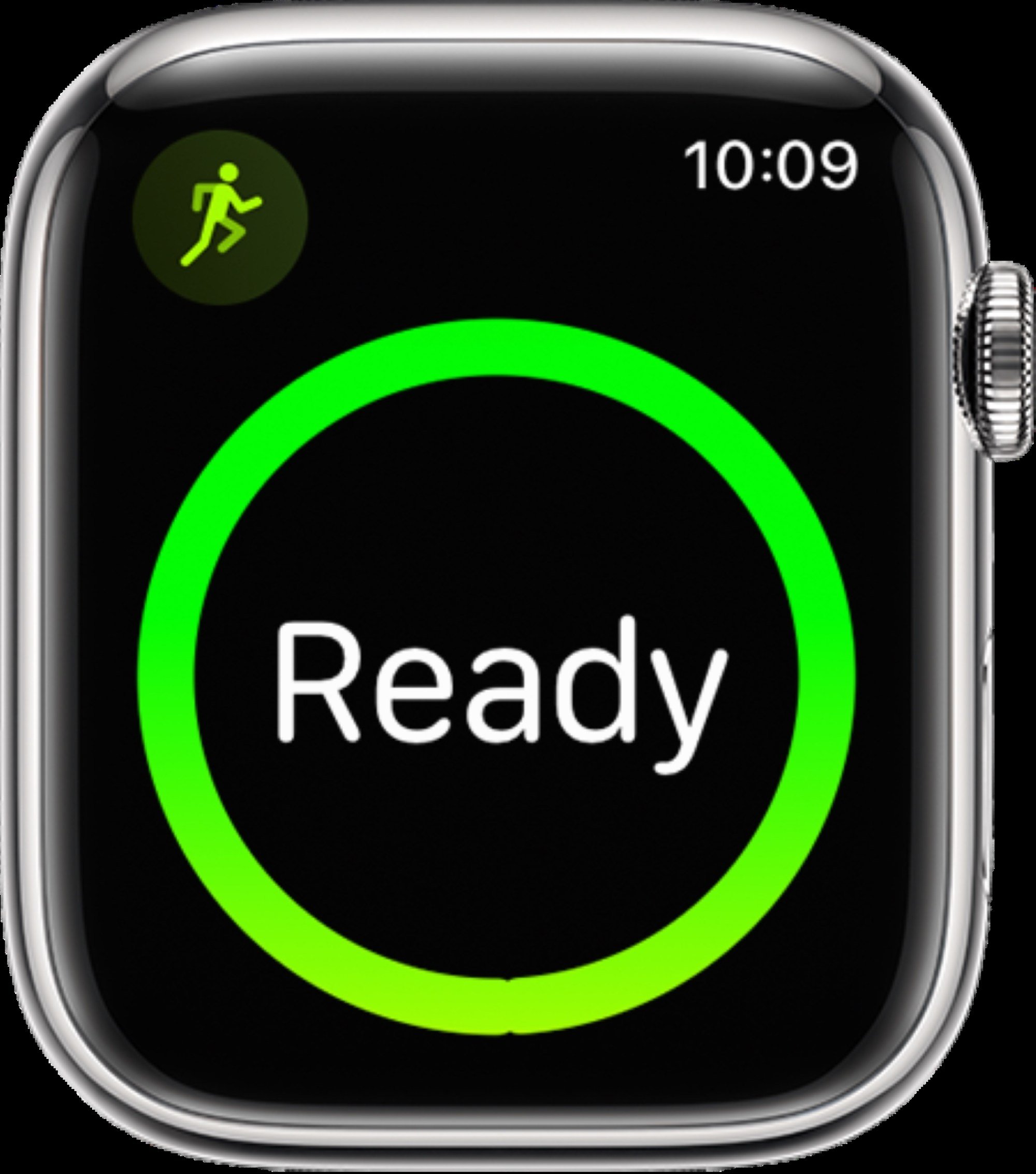
Even if you respond to the little green man on your smartwatch and get up and move for a bit – or even move a lot – before returning to your seat, it won’t count if, at the end of the day, you’ve still spent a total of more than 10 hours sitting down.
You can’t exercise your way out of risk, the researchers say.
It’s not difficult to clock up that much time on your bottom: an hour’s commute, say, an eight- or nine-hour day at the office, an hour over dinner, watching TV with the family – it can all add up.
The increase in risk is small for 10 hours, medium for 12 hours, and huge for 15 hours
It’s quite clear that if you sit most of your waking day then you may gain weight, which will predispose you to all the attendant risks of being heavy – cardiovascular disease for a start.
Andrew Budson is a neurology professor at Boston University School of Medicine and a lecturer in neurology at Harvard Medical School, both in the US state of Massachusetts. He is also the author of a number of books including Why We Forget and How To Remember Better: The Science Behind Memory and Seven Steps to Managing Your Aging Memory: What’s Normal, What’s Not, and What to Do About It.
He cites several reasons.
First, he says: “Moving improves our cardiovascular fitness and reduces the risk of strokes, which can impair thinking and memory and lead to dementia.”
I am struck by this: my mother’s neurologist concluded that in the absence of any other stroke risk, it was my mother’s significant lack of movement that caused her stroke, which could have been the prompt, or the accelerator, of her dementia. “She sat too still for too long,” he concluded.
For a long and healthy life, eat, sleep, feel and exercise the right way
For a long and healthy life, eat, sleep, feel and exercise the right way
Second, Budson says: “Aerobic exercise, even if not vigorous, will increase growth factors in the brain that help preserve existing brain cells – and may actually grow new ones.”
Third, when we move, our brains aren’t just working to cause movement and keep balance. They also keep track of where we’re going so that we can, hopefully, get back.
“This system to keep track of where we are going doesn’t just involve our eyes but also the positions of our joints, our heads and the sounds around us,” Budson says.

The longer you sit, the greater your risk. Budson explains the Jama study’s findings to show how, compared to an average of being sedentary for nine hours a day, “the risk for dementia rose 8 per cent for being sedentary for 10 hours, 63 per cent for 12 hours, and 321 per cent for 15 hours. So the increase in risk is small for 10 hours, medium for 12 hours, and huge for 15 hours.”
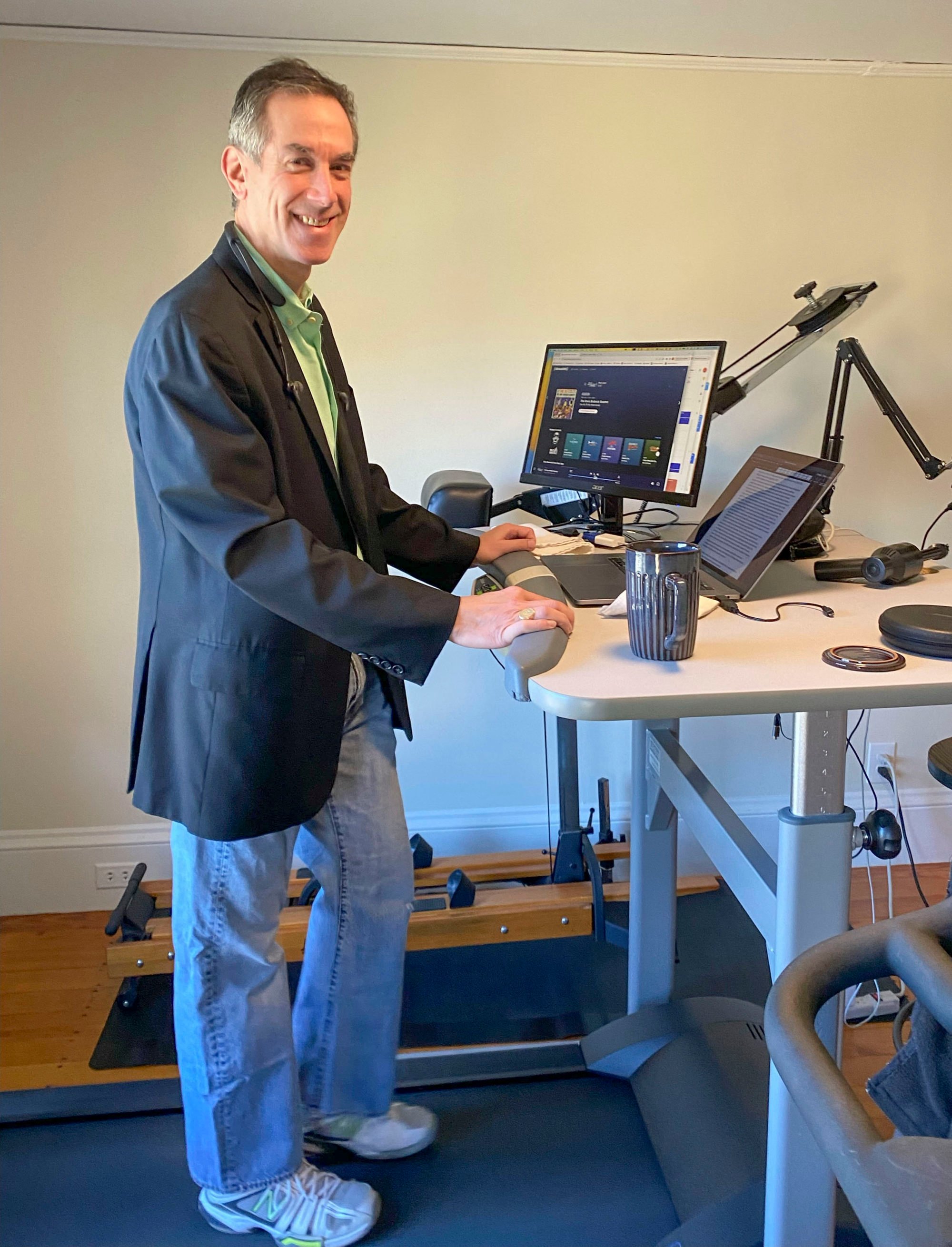
Budson himself works hard to keep moving. He gets in 45 to 75 minutes of vigorous daily exercise either on a stationary bicycle or a cross-country ski machine, or goes for a six-mile (9.7km) run. His home office, meanwhile, is equipped with a walking station.
A 5-minute walk every half an hour could save you from early death
A 5-minute walk every half an hour could save you from early death
“I generally do most of my writing at 1.3 miles an hour, checking email at 1.4 miles an hour, and attending meetings when my camera can be off at 1.5 miles an hour,” he says.
He clocks up 11km to 13km a day like this – sometimes augmenting the distance by pedalling on a desk cycle under his desk.
As the researchers advocate, he looks for opportunities to build movement into his working day, walking around the office while he is on the phone, scheduling walking meetings, or picking up lunch instead of having it delivered.
‘My arms look more toned’: before Nordic walking she avoided sleeveless tops
‘My arms look more toned’: before Nordic walking she avoided sleeveless tops
When working in his clinic one day each week, Budson tells me he walks several kilometres, according to a tracker on his phone, going from exam room to exam room as he sees patients and teaches doctors in training.
“My office is on the 10th floor, my lab is on the 12th floor, and my clinic is on the sixth floor. I never take the elevator unless I’m carrying something heavy, maybe once a year.”
To get moving more, begin by keeping an honest log of just how much time you spend sitting. Don’t jiggle your wrist vigorously to lull the little green man on your tracker into a false sense of security – move your whole body energetically and not just your left arm. Get up and get going.