

bbdeepdive
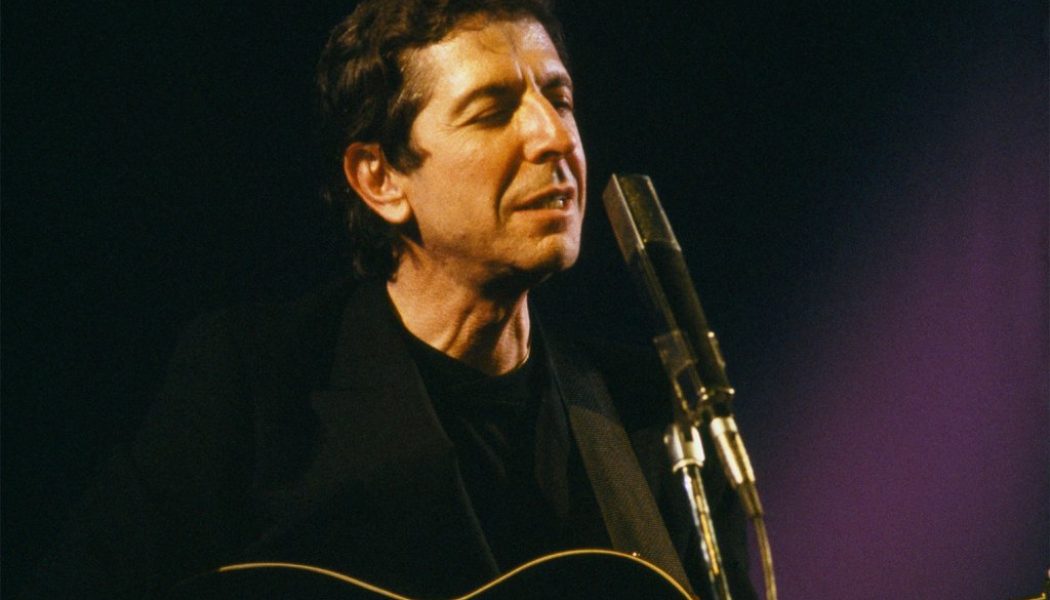

How Leonard Cohen’s ‘Hallelujah’ Became a Christmas Hit Decades After Its Release
Since the business of Christmas music is growing so fast – it occupies five of the top 10 places on the Billboard Hot 100 this week – we are re-presenting some of our stories from Christmas past. This piece, about how Leonard Cohen’s “Hallelujah” came to be considered a holiday song, originally ran in 2019. The story of the song is recounted in the recent documentary Hallelujah: Leonard Cohen, a Journey, a Song. Leonard Cohen’s “Hallelujah,” with its ambiguous, imagistic lyrics about sex and spirituality, was once described by Jeff Buckley, perhaps the song’s most famous interpreter, as “the hallelujah of the orgasm.” So how did an a cappella version by Pentatonix get to No. 21 on the Billboard Holiday 100 in 2018 — after peaking on that chart at No. 2 in 2016...

These Two Former Billboard Staffers Produced One of Rap’s Biggest Christmas Hits
Since the business of Christmas music is growing so fast – it occupies five of the top 10 places on the Billboard Hot 100 this week – we are re-presenting some of our stories from Christmas past. This piece, about how two former Billboard staffers produced the holiday hit “Christmas Rappin’” for then-up-and-coming rapper Kurtis Blow, originally ran in 2019. Since then, in 2020, Robert Ford passed away. One groundbreaking Christmas hit didn’t just make the Billboard charts — it was produced by two former employees. In 1979, J.B. Moore and Robert Ford left the magazine to produce “Christmas Rappin’ ” for an up-and-coming rapper named Kurtis Blow. Released on Mercury Records, the single went gold, and Blow became the first rapper to sign a major-label deal. At Billboard, Moore ...


Pro Tips For Buyers And Sellers
When it comes to music publishing catalogs, which genres command the biggest dollars? Are all royalties created equal? And should you keep an eye on your matching rights? Buying and selling music publishing catalogs is filled with costly pitfalls. The complexity of publishing contracts, copyright law and royalty streams create pitfalls that can add unforeseen costs and hamstring the buyer or seller with unwanted terms. Billboard spoke with leading attorneys and experts to identify trouble spots and provide solutions. How should a catalog seller prepare? Deals can become “lopsided” when a seller cannot match the buyer’s institutional knowledge and ability to value a catalog, says Scott Bradford of DLA Piper: “They don’t look into the value and instead go with what the buyer is offering.” Ch...


This Tech Start-Up That’s Using AI To Combat Counterfeit Merch Online
Stopping the e-commerce sales of knockoff T-shirts and other memorabilia on Amazon, eBay and other major platforms is a game of whack-a-mole, but CounterFind, which was co-founded by former Dallas Cowboys safety Darren Woodson, has become an effective hammer for the music industry When a suicide bomber killed 22 people and injured hundreds following an Ariana Grande concert at the Manchester Arena in England in May 2017, the singer and her agent wasted no time in setting up a June 4 One Love Manchester benefit concert — with a lineup that included Katy Perry, Justin Bieber, Coldplay and Miley Cyrus — to aid the victims and their families. And counterfeiters wasted no time in knocking off the merch that was sold as part of the fundraiser. Bootlegged T-shirts, hats, stickers and other produc...
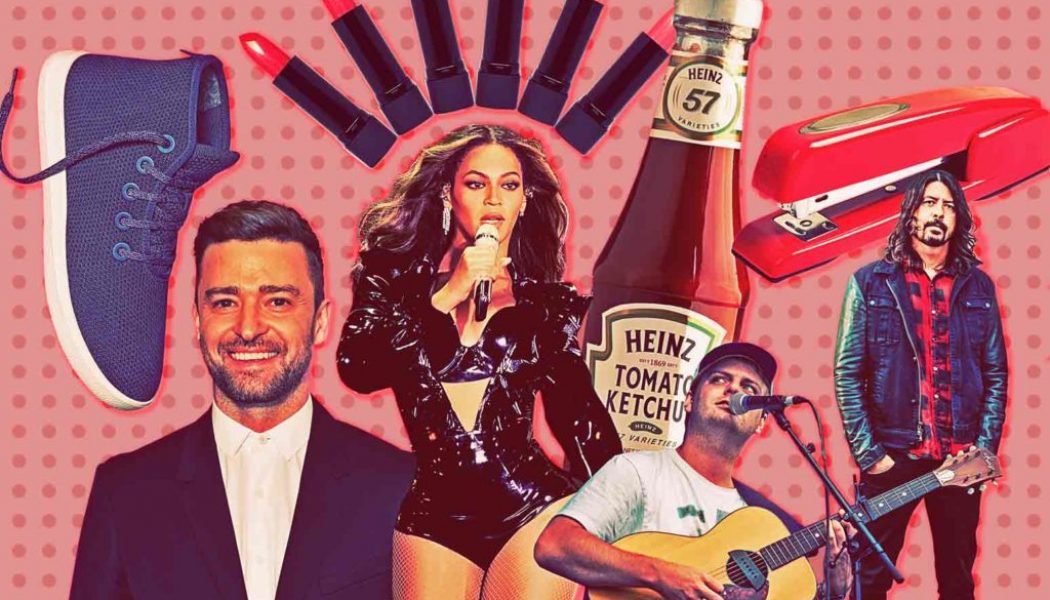

Know Thy Customers: How Shopify’s Analytics Are Changing the Game
Everyone wants to work with the site that is growing artists into brands — and informing how the merch industry can grow, too What do fans of Beyoncé, the Foo Fighters, Lauv and Mac DeMarco secretly have in common? Though they’d never know it, they all order their merchandise through the same Canadian e-commerce company, Shopify. The 14-year-old Ontario-based business has grown into a global giant over the last six years since it launched Shopify Plus, the enterprise version of its software. Smooth setup — and robust data — make it a favorite of not just the music industry, but retailers like Staples, Heinz, Allbirds and more. It’s a Wall Street favorite as well. In 2019, Shopify hit $1.6 billion in total revenue, a 47% year-over-year increase, and during the pandemic, its stock price has ...

These Artists Are Moving Merch In A World Without Concerts
From puzzles to sweatpants to a unisex fragrance, artists are maximizing online merch sales for fans shut in by the pandemic Perusing the more than 275 artist storefronts at online retailer Hello Merch is like visiting a music merchandise wonderland: Diet Cig is selling branded playing cards, Tori Amos has turned T-shirts into handmade face masks, and Low Cut Connie is offering an all-natural fragrance, among other unusual finds. The choices haven’t always been as wide-ranging. Prior to the pandemic, merch was “second, third or fourth on artists’ minds,” says Mike Lentz, who handles artist relations for Hello Merch. But now, “they’re worried about getting through their tour, playing shows every night [and are] too busy to have the time to deal with it.” A T-shirt will never replace a conce...


StockX: Merch’s New Billion-Dollar Player
How a sneakerhead site created a secondary market for some of music’s biggest stars — and how they can deal themselves in When The Weeknd’s fourth album, After Hours, debuted at No. 1 on the Billboard 200 in March, merchandise was at the heart of the biggest first sales week of 2020 to date. Over half of the total 444,000 album equivalent units — 275,000 — were album sales, according to Nielsen Music/MRC Data, spurred on by merch and ticket bundles, with The Weeknd packaging After Hours with more than 80 items. Fans could buy the album alongside everything from hoodies, T-shirts and face masks to flasks, playing cards and ash trays, most available for just 24 hours. But for those who failed to act before that 24-hour window slammed shut, within a day many of the items were available for sa...


Building A Better Livestream: Crucial Lessons From Artists Who’ve Figured It Out
Practical advice from the players behind virtual concerts by Kane Brown, Dropkick Murphys, H.E.R. and Lissie. The first time singer-songwriter Lissie tried a livestream, in late March, she was at her then-boyfriend’s house in northern Virginia, and she had just managed to thank those in attendance — two dogs in the kitchen — before the camera fell to the floor. “This is so professional!” she declared. But over the months, both her equipment and her savvy became increasingly sophisticated, with the response to her ticketed streams strong enough to cover personal costs and make a charitable donation each time. (She also broadcast her rehearsals for fans who couldn’t afford a ticket.) On Aug. 2, she performed with a band and a dozen sound and lighting crew members at an empty Parkway The...


What’s a Livestream Worth?
How much is that concert in the computer window? Six months into the pandemic, here’s how artists are experimenting with pricing to see what consumers will pay. In April, Dutch DJ Oliver Heldens cruised the canals of Amsterdam in an open-air boat outfitted with turntables, blasting a set of future house music that was streamed on YouTube. The spectacle cost between $5,000 and $10,000 to produce, but Heldens made it free for viewers. He thought of it as a marketing expense to stay in fans’ minds as coronavirus lockdowns became the norm around the world, his manager, Dave Frank, tells Billboard. In the five months since, livestreamed concerts are slowly becoming a source of revenue, as well as promotion. These days, Frank, of management firm Milk & Honey, gets several livestream offers a...


The Adults In The Room: A Conversation About The Future Of The Kids’ Music Business
Karen Lieberman, vp sales and digital for Disney Music Group, and Jonathan Linden, partner in Round Room Live, the company behind Baby Shark Live! and Peppa Pig Live!, discuss their strategies for success in the children’s music sector and how the COVID-19 pandemic has affected their respective businesses For those who think that gauging the musical tastes of children today is simply a matter of consulting the world’s growing trove of data, consider this: Most kids don’t subscribe to streaming services or purchase tickets to live shows — they don’t even have their own social media accounts. “If you look at the demographics, they don’t represent children, they represent parents,” says Karen Lieberman, vp sales and digital for Disney Music Group, which runs point on physical and digital sale...
