

crypto blog

Finance Redefined: Lifeline for Terra projects, proposed Terra hard fork and more
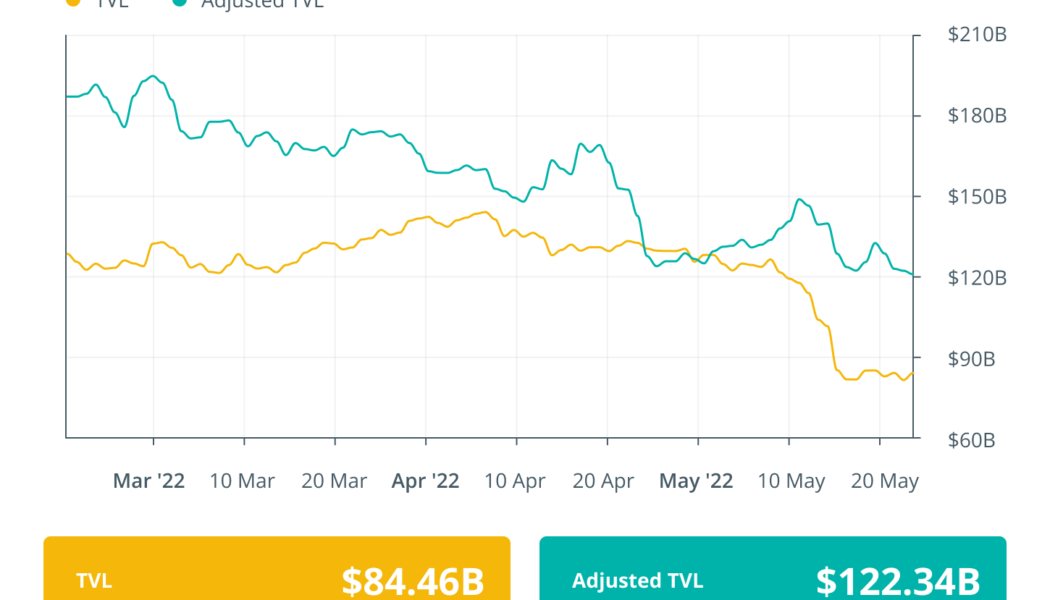
The past week in the decentralized finance (DeFi) ecosystem was dominated by Terra’s collapse and its aftermath on various ecosystems it was connected. Now BNB chain has come to the rescue of several stranded projects on Terra by offering financial and technical assistance. After its spiral collapse, Terra co-founder Do Kown proposed a revival plan and a hard fork to revive the blockchain. Chainalysis introduced new tools to monitor and track stolen funds across multiple blockchains. Swiss asset manager Julias Baer is eyeing crypto and DeFi potential. Top DeFi tokens saw another week of bleeding, with the majority of these tokens trading in red over the past week. Do Kwon proposes Terra hard fork to save the ecosystem Do Kwon, co-founder of the troubled Terra Luna blockchain, announc...


Do Kwon faces legal trouble in South Korea, China remains Bitcoin mining powerhouse, and Ethereum 2.0 eyes ‘huge testing milestone’: Hodler’s Digest, May 15-21
Coming every Saturday, Hodler’s Digest will help you track every single important news story that happened this week. The best (and worst) quotes, adoption and regulation highlights, leading coins, predictions and much more — a week on Cointelegraph in one link. Top Stories This Week Court documents reveal Do Kwon dissolved Terraform Labs Korea days before LUNA crash Terraform Labs co-founder dissolved two of the entity’s locations in South Korea, as well as Terraform Labs Korea, just prior to the LUNA and UST collapse, according to legal documents. Although the decision to dissolve the offices was made during an April 30 shareholder meeting, the timing raised eyebrows within the cryptocurrency community. As one might expect, the aftermath of Terra’s implosion continued to reverberat...

The truth behind the misconceptions holding liquid staking back
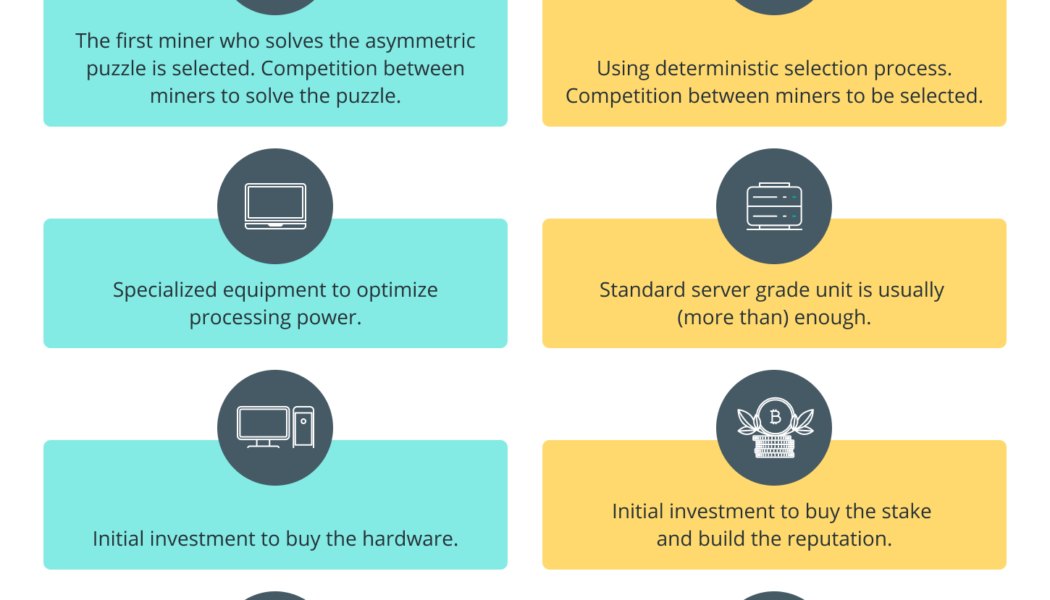
Blockchains have relied on proof-of-work (PoW) validation since their inception. Yet the PoW consensus proved to be unsustainable with its high energy usage and its need for fast, powerful hardware creating high barriers to entry. That’s why blockchains are adopting proof-of-stake consensus algorithms (PoS), where those wanting to earn rewards don’t have to compete against other miners, but can simply stake part of their crypto for a chance to be chosen to be a validator — and reap the returns. Everyone who owns crypto on PoS blockchains must want to take advantage of the opportunities staking provides, right? Actually, according to our report, while 56% of those surveyed had staked before, many who hadn’t staked or wouldn’t stake again pointed toward the same hesitation: They don’t want t...

Bitcoin stands apart from other crypto, and what that means for US public policy
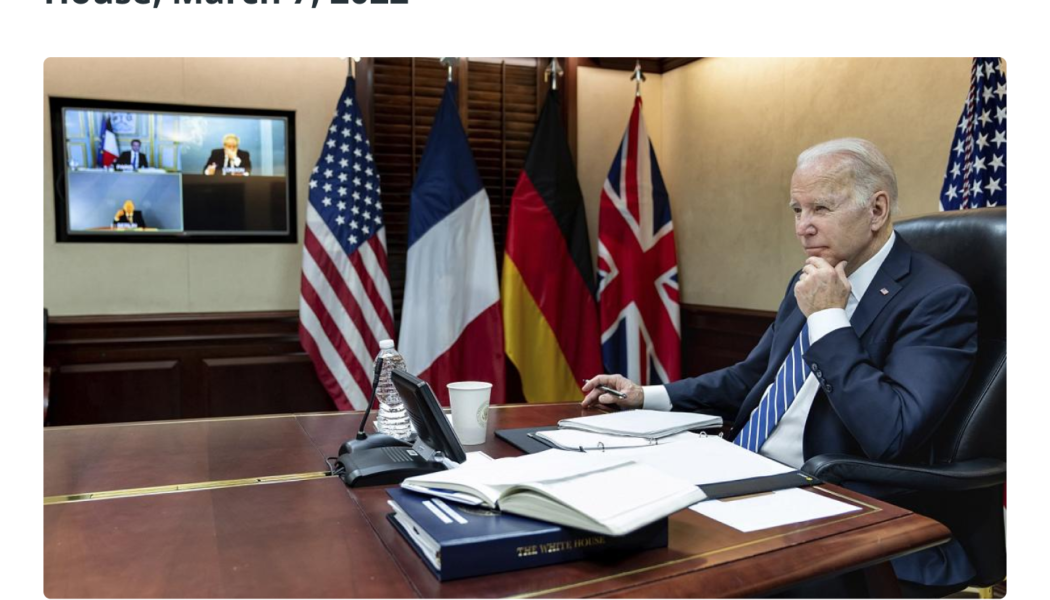
United States President Joe Biden’s executive order on digital assets has kickstarted an interagency mission to support financial innovation while protecting American consumers and interests. While many industry leaders welcome the constructive tone, some critics hope for a crackdown. We don’t blame them. Many cryptocurrency projects operate behind thin veils of decentralization. In public, they’re sold on the premise that they distribute power. Behind the curtains, leaders pull the strings. In the recent case of Wonderland, a serial scammer and felon directed a $1 billion treasury. Many projects secretly pay influencers to shill their tokens. The price pumps. Insiders dump. Naive investors lose money. Sometimes, the shillers are celebrities. And, sometimes, those celebrities leak the surp...


MSP Recovery joins forces with Tokenology to release tokenized healthcare initiative
MSP Recovery LLC, a healthcare recovery firm based in Miami, United States and valued in the region of $32.6 billion, has announced a collaborative partnership with Web3 solution Tokenology to launch a fraud-prevention blockchain platform, titled Lifechain. Lifechain will seek to utilize the verifiable and transparent nature of blockchain technology to enhance the accessibility of healthcare charges, claims and medical records for patients and industry professionals. MSP Recovery’s consumer application LifeWallet — which launched in January this year and has since registered over 1 million users, according to recent data — will house the technology alongside a tokenized solution LifeCoin. The press release provided greater context into the scale of the task within the healthcare industry; ...


Blockchain, crypto set to take sports industry beyond NFT collectibles
Bitcoin (BTC) has been attributed as the most prominent blockchain use case, showing the technology’s prowess in successfully delivering an immutable and truly decentralized ledger over the past 13 years. Adding to the years of innovations since then— that saw the introduction of altcoins, non-fungible tokens (NFT), decentralized finance (DeFi) and more, a study conducted by fintech giant Deloitte highlighted the untapped potential of the crypto ecosystem to open up newer markets for the sports industry. Fan tokens and NFTs were first introduced to the sports industry to increase fan engagement via collectibles and voting mechanisms. However, Deloitte, one of the Big 4 accounting firms, envisions the industry further embracing crypto and blockchain technology over the coming years: “A nexu...

Crypto gaming and the monkey run: How we should build the future of GameFi
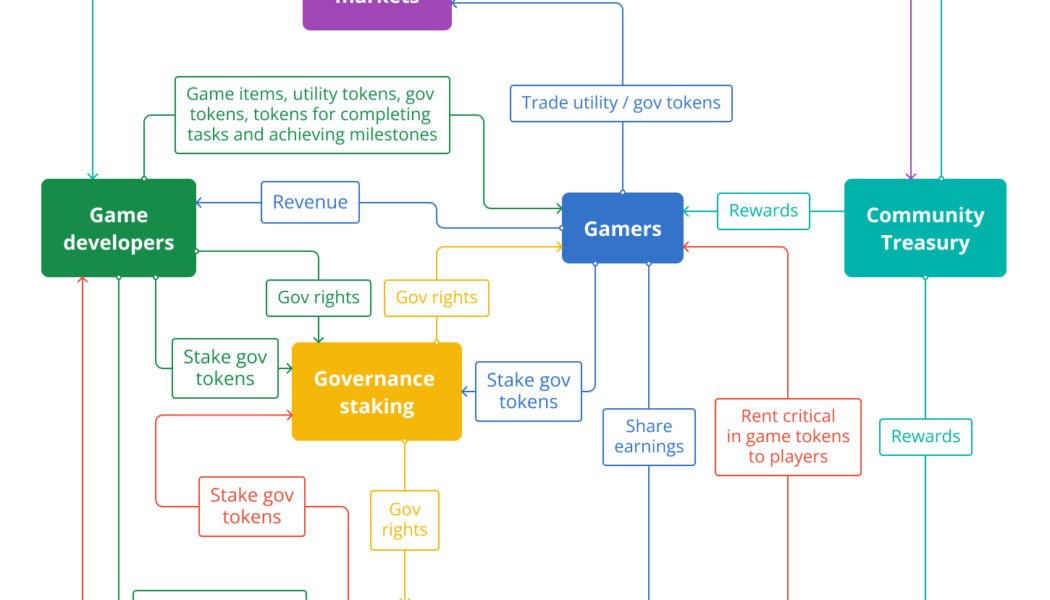
You’ve seen it before. An amazingly talented gaming founder teams up with a top-tier studio, promising to create a wondrous game experience built on the industry’s most powerful engines. But then, it happens: It’s paired with a dubious shitcoin that launches well before even a morsel of game content drops. In the not-so-distant past, mainstream media may have referred to the hype-fueled crypto bull market — but, with Bored Ape floor prices still in the clouds, we’ll respectfully call it what it is: the monkey run. Market volatility aside, Metaverse evangelists still claim that Web3 finance will revolutionize the way that games monetize. I call BS. The focus right now is not on new monetization models. The only thing these token raises are challenging is the idea of capital formation — not ...

Why is Ethereum used for NFTs?
When choosing any blockchain for minting NFTs, such as Ethereum for NFT development, ensure the robustness of its smart contracts, check the blockchain’s fee structure, security measures and transaction speed, and assess the possibility of forking. In the cryptocurrency market, NFTs are a significant niche. They provide further exposure to cryptocurrencies for people who might not otherwise have come into contact with these assets. In addition, they actively contribute to the mass adoption of blockchain technology because they are so closely linked to digital art and gaming. However, the resilience of a blockchain’s smart contracts is a major component of the overall security of distributed ledger technology. Smart contracts must go through extensive testing to provide the ...

Needed: A massive education project to fight hacks and scams
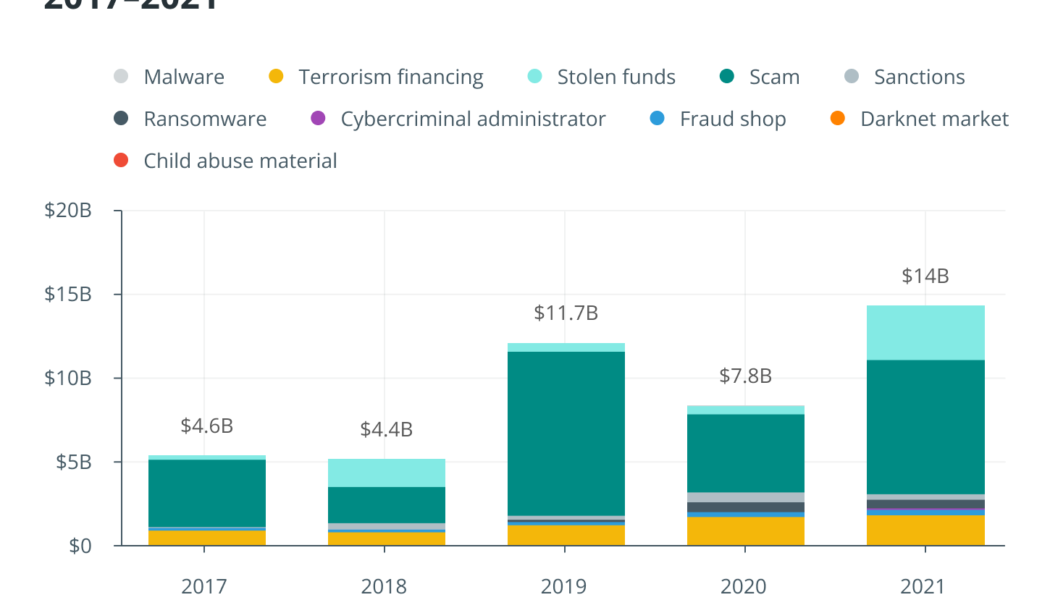
The common narrative around the prevailing threats to mainstream adoption of cryptocurrencies is that regulators will put the kibosh on their legality, it has to get much easier for “ordinary” people to use, and the magnitude of its volatility has to be tempered. All of these are true. But there’s something perhaps just as consequential: scams, hacks, fraudulent exchanges, dumps and the like. Why? Every attack leaves a scar. And the scars are mounting fast. According to a study by Chainalysis, scammers got away with $14 billion worth of crypto in 2021, which represents hundreds of thousands — maybe millions — of victims in a community where every negative experience has a voice in an echo chamber. Today, very few are immune to scams and attacks The urgency for reigning in the dark web is r...

Bitcoin ends week ‘on the edge’ as S&P 500 officially enters bear market
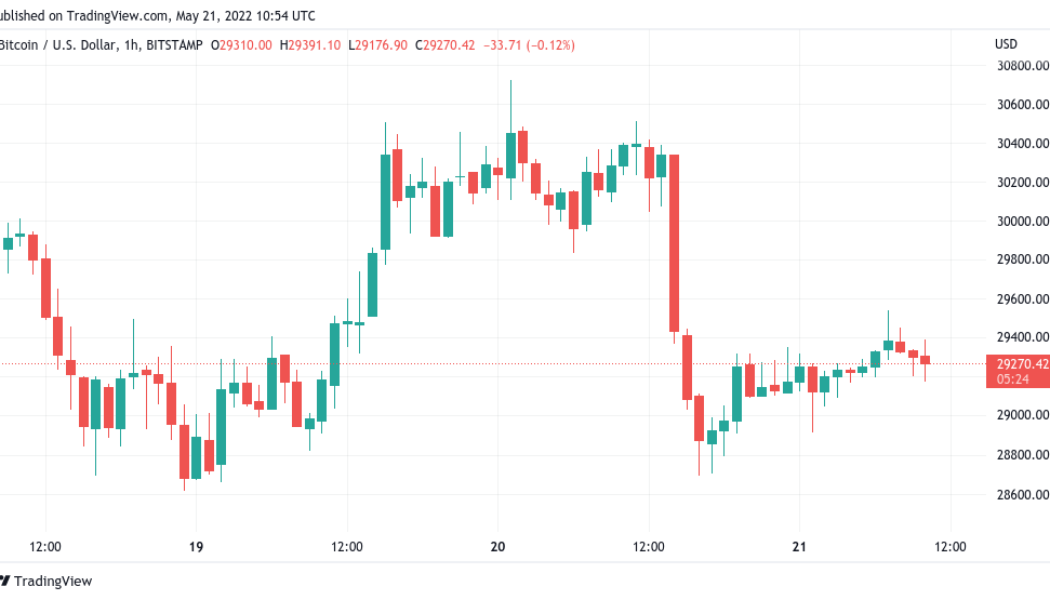
Bitcoin (BTC) struggled to recover its latest losses on May 21 after Wall Street trading provided zero respite. BTC/USD 1-hour candle chart (Bitstamp). Source: TradingView BTC price reflects drab stocks performance Data from Cointelegraph Markets Pro and TradingView showed BTC/USD trading at dipping below $28,700 into the weekend, subsequently adding around $500. Down 4.7% from the previous day’s $30,700 highs, the pair looked firmly rangebound at the time of writing after United States stocks indices saw a volatile final trading day of the week. The S&P 500, managed to reverse after initially falling at the open, nonetheless confirmed bear market tendencies, trading at 20% below its highs from last year. The S&P 500 has officially entered a bear market pic.twitter.com/N...

Web3, NFTs, Metaverse: The tools for a truly decentralized future
Attendees to the BlockDown Croatia 2022 festival were witness to Cointelegraph’s discussions around sociopolitics of the Web3 ecosystem, non-fungible tokens (NFT) and the Metaverse. It turns out that ongoing innovations across the crypto ecosystem are well-positioned to dictate the future of media and entertainment. While crypto continues to blur the lines between the virtual and physical worlds, Cointelegraph’s editor-in-chief, Kristina Cornèr, agreed that “It’s been a crazy year” when talking about the rising impact of crypto innovations within media companies during the BlockDown festival. Cornèr highlighted use cases within the NFT space that gives independent artists and journalists a platform to raise funds and counter real-world challenges such as climate change. In a separate discu...
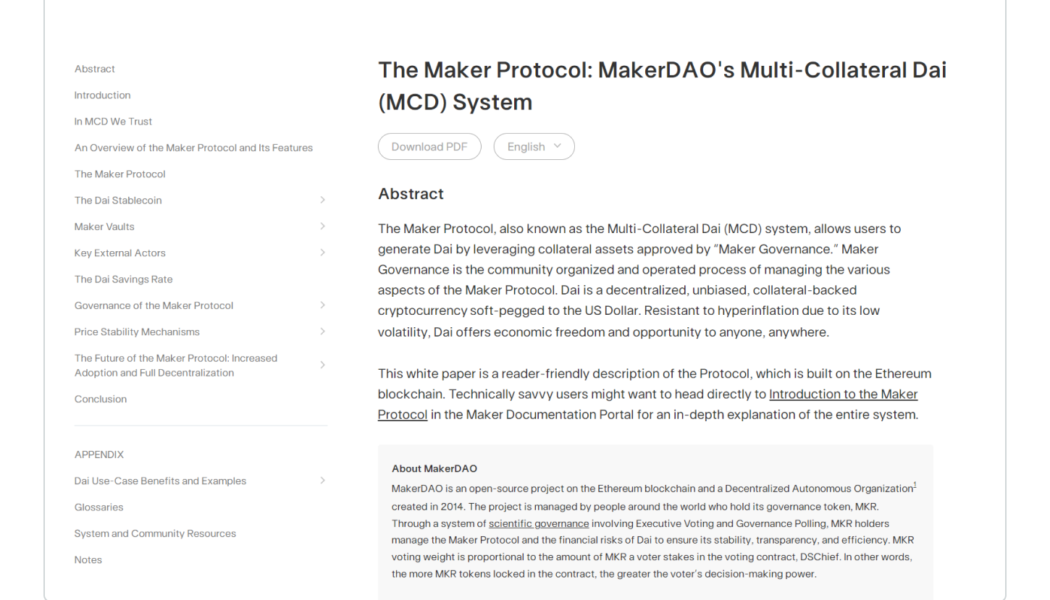

How to incorporate a DAO and issue tokens to be ready to raise money from VCs
What is a DAO? A DAO, or decentralized autonomous organization, is an online-based organization that exists and operates with no single leader or governing body. DAOs are run by code written on a blockchain like Ethereum (ETH) and are owned and operated by the people who use them. There are many different types of DAOs, but they all have one thing in common: they are decentralized, meaning that decisions about the organization’s future are decided by the collective group and not a single individual. This decentralization is what makes DAOs promising, as it theoretically removes the possibility of corruption or manipulation by a single entity. Smart contracts (and not people) execute the terms and conditions of the organization, making them incredibly efficient and resilient to change...
