

crypto blog
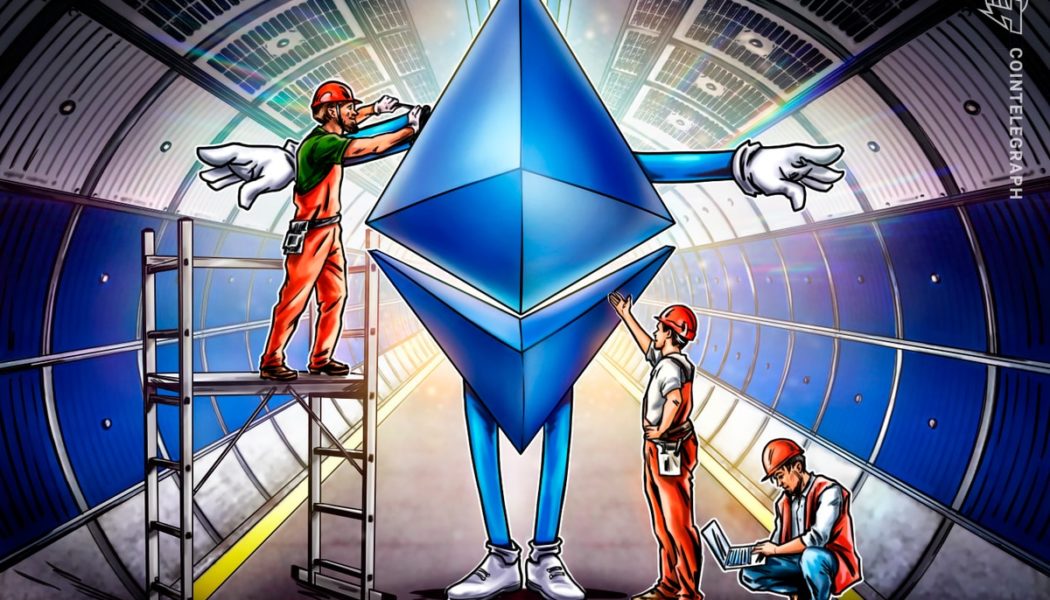

What’s in and what’s out for Ethereum’s Shanghai upgrade
Ethereum core developers have opted to prioritize the enabling of staking withdrawals via the Shanghai upgrade first before implementing The Surge-related Ethereum Improvement Proposal (EIP)-4884. As reported by Cointelegraph, the next key milestone on Ethereum’s roadmap is the Shanghai upgrade, which will enable withdrawals for ETH stakers/validators from the Beacon Chain — among other things. EIP-4884 is also important and was initially expected to be packaged in with Shanghai, introducing “proto-danksharding” to significantly enhance Layer 2 rollup scalability (The Surge) ahead of the full implementation of the major Sharding upgrade late next year. However, according to Ethereum core developer Tim Beiko at the latest Ethereum Core Developers Meeting on Dec. 8, the ultimate co...
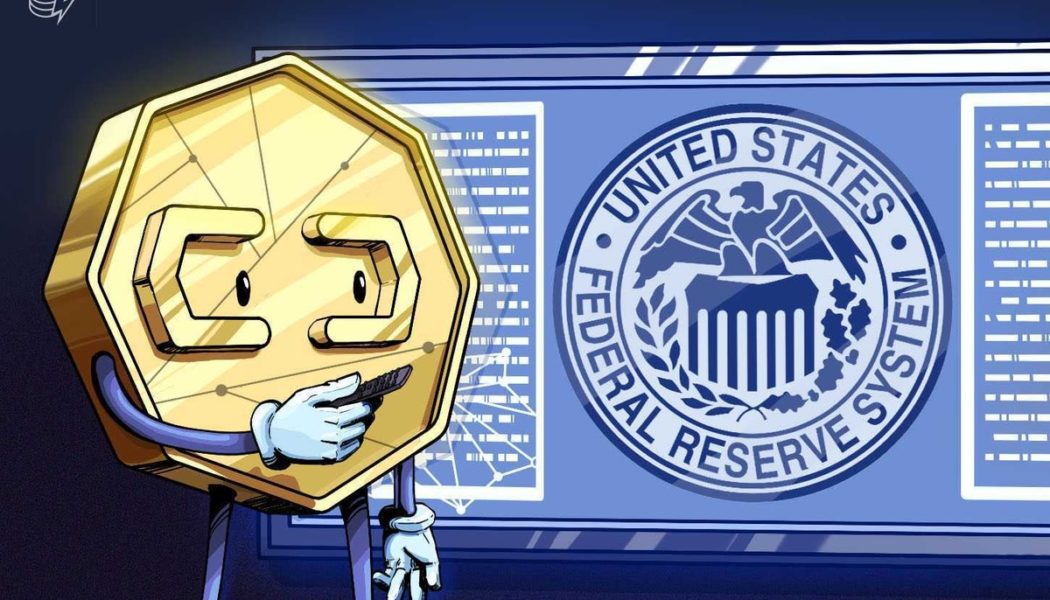

US lawmakers question federal regulators on banks’ ties to crypto firms
Two members of the United States Senate have called on the heads of federal financial regulators to address “ties between the banking industry and cryptocurrency firms” in the wake of FTX’s collapse. In letters dated Dec. 7 to Federal Reserve chair Jerome Powell, acting Comptroller of the Currency Michael Hsu, and Federal Deposit Insurance Corporation acting chair Martin Gruenberg, Senators Elizabeth Warren and Tina Smith — both on the Senate Banking Committee — acknowledged that the crypto industry was not so “deeply integrated” with traditional financial institutions to severely impact markets after FTX’s bankruptcy filing. However, the two lawmakers pointed to reports suggesting ties between FTX and the Washington-based Moonstone Bank as well as stablecoin issuer Tether and the Bahamas-...


Ethereum developers target March 2023 for Shanghai hard fork
According to a discussion at the 151st Ethereum Core Developers Meeting on Dec. 8, core programmers have set a tentative deadline of March 2023 for Ethereum’s Shanghai hard fork. In addition, developers will aim for May or June 2023 to launch the Ethereum Improvement Protocol (EIP) 4844 upgrade that will introduce proto-danksharding to the network. Although the much-anticipated proof-of-stake Merge upgrade was completed on Sept. 15, staked Ether (stETH) is currently locked on the Ethereum Beacon Chain. The token is created by decentralized finance protocol Lido, with close to 3.5 million stETH ($4.48 billion) in circulation. After the Shanghai upgrade, stETH users can withdraw their funds along with any applicable staking rewards for validating network transactions. The Ethereu...


BlockFi employees were discouraged from describing risks in internal communications: Report
Following BlockFi’s Chapter 11 bankruptcy filing at the United States Bankruptcy Court for the District of New Jersey, reports have surfaced about the crypto lending company’s risk assessment and management culture. According to Forbes, as early as 2020, the company culture discouraged employees from “describing risks in written internal communications to avoid liability, “ as reported by a former employee at BlockFi. Although BlockFi claimed risk management was core to their DNA and central to their mission, reports surfacing paint a different picture of the company. BlockFi executives appear to have prioritized aggressive growth, while dismissing risk management professionals who attempted to do their job. According to a former employee, an internal team at BlockFi raise...


Total crypto market cap falls to $840 billion, but derivatives data shows traders are neutral
The total cryptocurrency market capitalization dropped 1.5% in the past seven days to rest at $840 billion. The slightly negative movement did not break the ascending channel initiated on Nov. 12, although the overall sentiment remains bearish and year-to-date losses amount to 64%. Total crypto market cap in USD, 12-hour. Source: TradingView Bitcoin (BTC) price dropped 0.8% on the week, stabilizing near the $16,800 level at 10:00 UTC on Dec. 8 — even though it eventually broke above $17,200 later on the day. Discussions related to regulating crypto markets pressured markets and the FTX exchange collapse limited traders’ appetites, causing lawmakers to turn their attention to the potential impact on financial institutions and the retail investors’ lack of protection. On Dec. 6, ...

NFTs minted on FTX break, highlighting Web2 hosting flaws
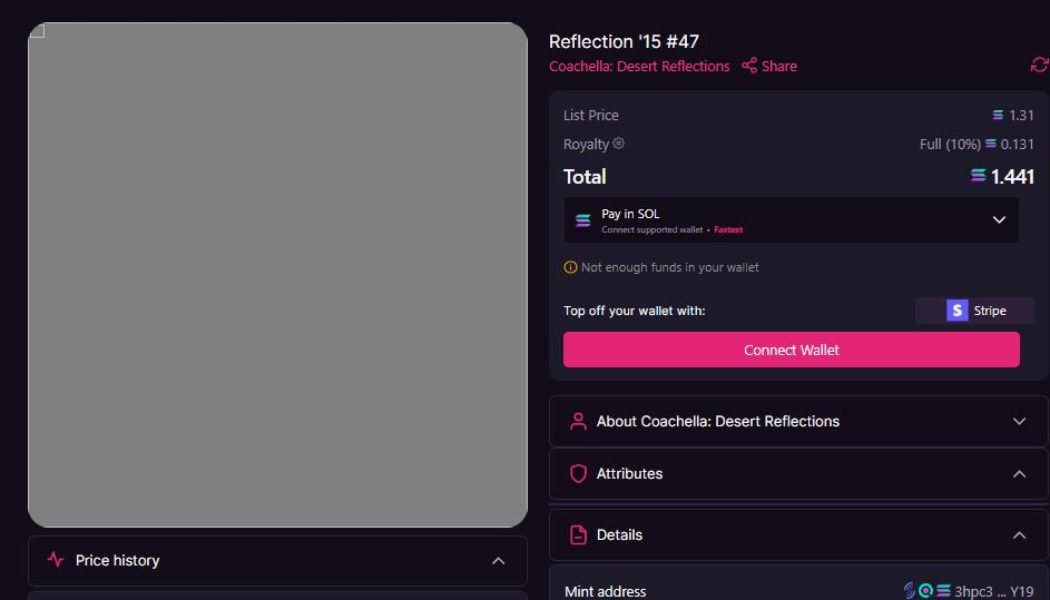
The FTX collapse highlighted many flaws in the crypto industry. Now, the effects of the FTX debacle have broken into the nonfungible token (NFT) space with users unable to view their FTX-hosted NFTs. In a tweet, Solana engineer jac0xb.sol pointed out how the metadata of FTX-hosted NFTs now points to a restructuring website that gives out information about bankruptcy proceedings. According to jac0xb.sol, the NFTs minted on FTX were hosted using a Web2 application programming interface (API), resulting in images not showing. Example of an NFT hosted by FTX. Source: Magiceden.io After the FTX exchange filed for bankruptcy, the FTX.us domain was entirely redirected to the bankruptcy proceeding page. Because of this, NFT owners are still able to see that their NFTs exist. However, images ...


More than 90% of consumers are curious about the Metaverse: Capgemini
Despite turbulent market conditions over the last year, the metaverse and its potential utility remain steady in the minds of consumers. According to data from a new survey by Capgemini, a business and technology strategy advisor, over three-quarters of consumers expect their interactions with brands and individuals to be impacted by the metaverse. This also goes for organizations, as 7 out of 10 believe that the metaverse and immersive experiences will be a market differentiator in terms of customer experience. The report surveyed 8,000 consumers, along with 1,000 organizations in 12 countries across different sectors to understand metaverse competency, interest and impact. Included in the mix was a group of 380 consumers who self-identified as “metaverse-experienced,” of which thre...


The all-in-one approach at the foundation of next gen crypto investment platforms
The ongoing FTX saga has injected more uncertainty into an already shaken market. If it was not clear already, even the biggest centralized exchanges can fail. The problem is multi-faceted. On the one hand, just like in traditional finance, centralized institutions are only as good as the people who run them. When investors use services like FTX, they are putting their trust in the people that run the service. Unfortunately, history is rife with examples of powerful people taking advantage of that trust. On the other hand, cryptocurrency is still very new. The vast majority of crypto users are not well-versed in all of the technical underpinnings of how things work. For most, digital assets are simply an alternative means of investing and therefore the most convenient solutions are often t...


Japan’s Sumitomo Mitsui to issue soulbound tokens to explore Web3
The Japanese financial group Sumitomo Mitsui Financial Group (SMBC) is moving to explore the benefits of Web3 by issuing soulbond tokens (SBTs). Proposed by Ethereum creator Vitalik Buterin, SBTs refer to digital identity tokens that represent the characteristics or reputation of a person or entity, or a “soul.” Such tokens are non-transferable and are designed for the decentralized society and Web3. SMBC officially announced on Dec. 8 an initiative focused on the practical use of SBTs in partnership with the digital asset firm HashPort. The companies plan to conduct research on SBTs to find out their practical uses for communities, jobs, knowledge sharing services and decentralized autonomous organizations (DAOs). According to SMBC, the development could specifically be useful for individ...


FTX hires forensics team to find customers’ missing billions: Report
The new management for bankrupt crypto exchange FTX has reportedly hired a team of financial forensic investigators to track down the billions of dollars worth of missing customer crypto. Financial advisory company AlixPartners was chosen for the task and is led by former Securities and Exchange Commission (SEC) chief accountant, Matt Jacques, according to a Dec. 7 report from the Wall Street Journal. It is understood that the forensics firm will be tasked with conducting “asset-tracing” to identify and recover the missing digital assets and will complement the restructing work being undertaken by FTX. On Nov. 11 hackers drained wallets owned by FTX and FTX.US of over $450 million worth of assets. Former CEO Sam Bankman-Fried claimed in an interview recorded on Nov. 16 with crypto blogger ...


Class action against Kim K, Mayweather over EMAX dismissed… for now
A federal judge in California has dismissed a class action lawsuit against reality TV star Kim Kardashian, boxing champ Floyd Mayweather and the founders of EthereumMax, explaining that the submissions failed to meet the “heightened pleading standards” for fraud claims. The judge has, however, left room for the plaintiffs to refile the proposed class action lawsuit if certain provisions are amended. In the original Jan. 7 court filing submitted by Scott+Scott Attorneys At Law, the plaintiffs argued that Kardashian, Mayweather, and also former NBA superstar Paul Pierce didn’t disclose they were being paid to promote EthereumMax (EMAX). The plaintiffs alleged that they promoted it with the objective to “artificially inflate the price of the token” through the use of “false or misleading stat...


Bankruptcy judge orders $44M in crypto to be returned to Celsius customers
A federal judge has ordered crypto lender Celsius to return crypto worth around $44 million to the platform’s custody program customers. According to Bloomberg, the verbal order was delivered by United States Bankruptcy Judge Martin Glenn in a Dec. 7 hearing, with the judge noting: “I want this case to move forward. I want creditors to recover as much as they possibly can as soon as they possibly can.” The amount — which applies only to crypto held within custody accounts — is a tiny fraction of the billions Celsius owes creditors, and the latest decision comes after an agreement was reached between Celsius advisers and stakeholders that crypto deposited in the custody accounts belonged to its users and not the platform. It is important to note that this order only applies to pure custody ...
