

Cybercrime Africa


Awareness and Training Are Key in Defending Your Company from Blended Cyber-Threats
Image sourced from Finance Times. While blended cybersecurity threats are not new, they are fairly sophisticated and multi-staged in nature, meaning that they are difficult to protect against and can pose a considerable threat to organisations’ IT environments. A blended threat typically uses and exploits multiple vulnerabilities in an attack chain, says Brian Pinnock, Senior Director of Sales Engineering (EMEA) at Mimecast, adding that the severity of a blended threat will depend on the specific vulnerabilities that are targeted. “For example, a threat actor or cybercriminal will launch a phishing campaign against an organisation by sending emails with infected links that redirect to malicious websites. When a user clicks on these links, they could download a piece of malware like a Troja...
Cyber Threats on the Rise in Mining & Manufacturing Industries
Image sourced from Software ONE. Increasingly companies are looking to adopt smart technologies to optimise production and decision-making in order to create businesses of the future. However, as reliance on autonomous and digital technology grows, so too does the risk of cyber-attacks. As technologies become more interconnected, the potential cybersecurity threats and attack vectors are growing. The consequences of these threats can be severe, resulting in production and revenue losses, regulatory fines, reputational damage, as well as the shutdown of critical infrastructures. This has been further compounded by the complexities and uptake of smart systems that use advanced technologies such as machine learning and the Internet of Things (IoT). Mining, Manufacturing Under Threat Termed ‘S...


Inside the Mind of Cybercriminals – How Threat Actors Think
Cybercriminals come in many different flavours, but the majority of them are in it for one thing: financial pay-off. They want the money that comes with offering their tools or services, selling stolen data, extortion like ransomware or plain fraud. And they all have one thing in common – your organisation is on their radar. This is why, says Anna Collard, SVP Content Strategy and Evangelist at KnowBe4 Africa, it is critical to understand how cyber criminals operate, the tools they use and the approaches they take to embed robust security within the organisation. “With ransomware going rampant and victim organisations paying up to millions of U.S. dollars to the extortionists, this problem is just going to get worse. The U.S. government recently announced that ransomware is a national cybe...


Why Hospitals Are Such Lucrative Targets for Cybercriminals
Image sourced from Alpine Security. Ransomware attacks are on the rise. After a surge in remote working and with employees accessing organisational networks in ways that aren’t always perfectly secured, cybercrime has spiked over the past few months as malicious parties have taken advantage of the sudden move to life in lockdown. Opportunistic hackers have found a particularly tender target to focus on: hospitals and healthcare providers. Across Europe, hospitals are being taken down on a far too regular basis, causing IT systems to fail – sometimes with fatal consequences. Of all the industries to attack, why healthcare in particular? While all organisations suffer when cybercrime strikes, with lives at stake cybercriminals know hospitals can’t afford any downtime. This means those in the...


South African Investors Lose $3.6-Billion in Massive Crypto Scam
Image sourced from Shutterstock. AfriCrypt, a South African cryptocurrency investment company, has reportedly defrauded around $3.6-billion in investor funds after the company made claims that its trading systems had been hacked. Investors in AfriCrypt reportedly count amongst South African celebrities and other high profile individuals. In a matter of hours the staggering monetary amount, around R54-billion, seemingly disappeared without a trace on 13 April. $3.6-Billion in Stolen Cryptocurrency Shortly after claiming that its systems had been shut down by a hack, AfriCrypt’s teenage “directors”, brothers, Ameer and Raees Cajee (17 and 20, respectively) allegedly transferred all investor funds from their South African bank account before fleeing to the UK, reports Independent Media. AfriC...


Broken Endpoints in Your Organisation’s Cybersecurity: The Role of Superior Endpoint Detection
Stefan van de Giessen, General Manager: Cybersecurity at Networks Unlimited. Networks Unlimited is applying a ‘broken window, broken business’ principle when looking at an organisation’s internal cybersecurity posture, in order to have a positive effect on its business processes. The moral of the ‘broken window’ story, which has been studied by psychologists, is that once a window in a building is broken, people then feel that they are able to damage the property even further, and ultimately loot and steal from it, with impunity. “When we put this into a cybersecurity context,” says Stefan van de Giessen, General Manager: Cybersecurity at Networks Unlimited, “this means, in essence, making sure that you have no ‘broken windows’ or gaps in your security through which uninvited elements coul...
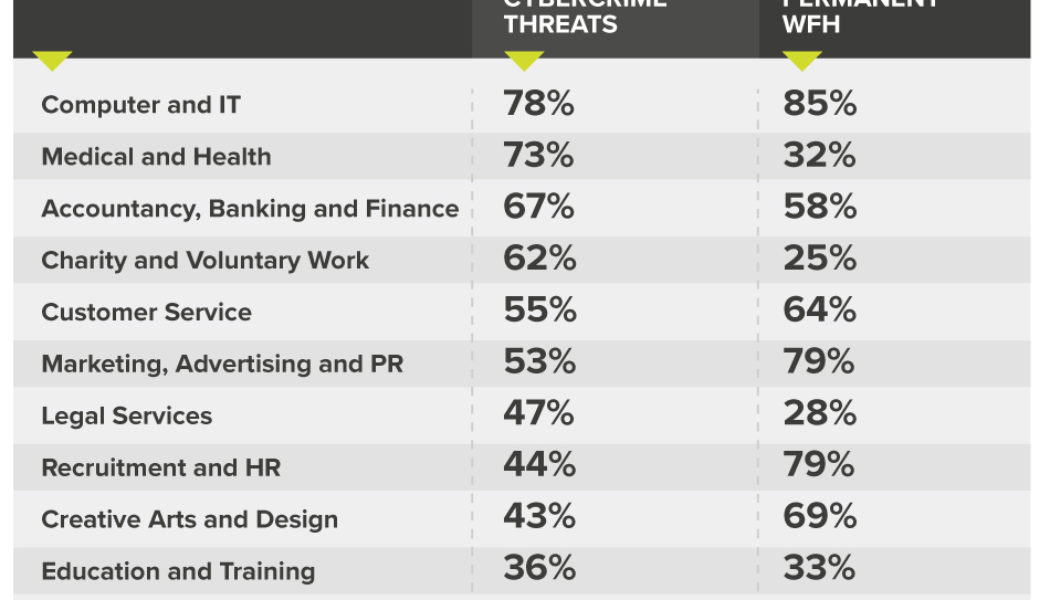

Remote Working Leads to 78% Increase in Cyberattacks Worldwide
Even though social media platforms are flooded with news of companies proudly presenting the fact that they are permanently shifting to a remote-work environment, they usually do not mention the fact that the pivot has created major issues for their security. Unpatched personal devices, erratic employee behaviour, and inadequately protected home networks create many loopholes for threat actors to exploit. What the Stats Say Carbon Black, a company that provides workload protection services surveyed 3,542 CIOs, CTOs, and CISOs to find out if WFH (work from home) resulted in an increase in cyberattacks. Respondents were from various industries and 14 different countries. The survey was published in June 2021. The study shows that a whopping 96% of enterprises in France saw a significant incr...

Mobile Authentication Can Be the Key to Negating Cybercrime in East Africa
Image sourced from BICS. The rapid pace of digital transformation in East Africa has had a significant impact on not only how people live their lives, but also on how communication and commerce are conducted, allowing the modern customer to do everything – immediately. This has also had the unintended consequence of altering the way we are targeted by fraudsters and cybercriminals, notably changing the nature of cyber threats and attacks that we face in a mobile-first digital world. The Price of Cybercrime According to an Accenture report published in 2019, the total value at risk of cybercrime over the next five years is an estimated $5.2 trillion. The average cyberattack costs $13 million, according to the same report, with phishing, social engineering and stolen device crime making up $...

What is POPIA and What Does it Mean for Cybersecurity
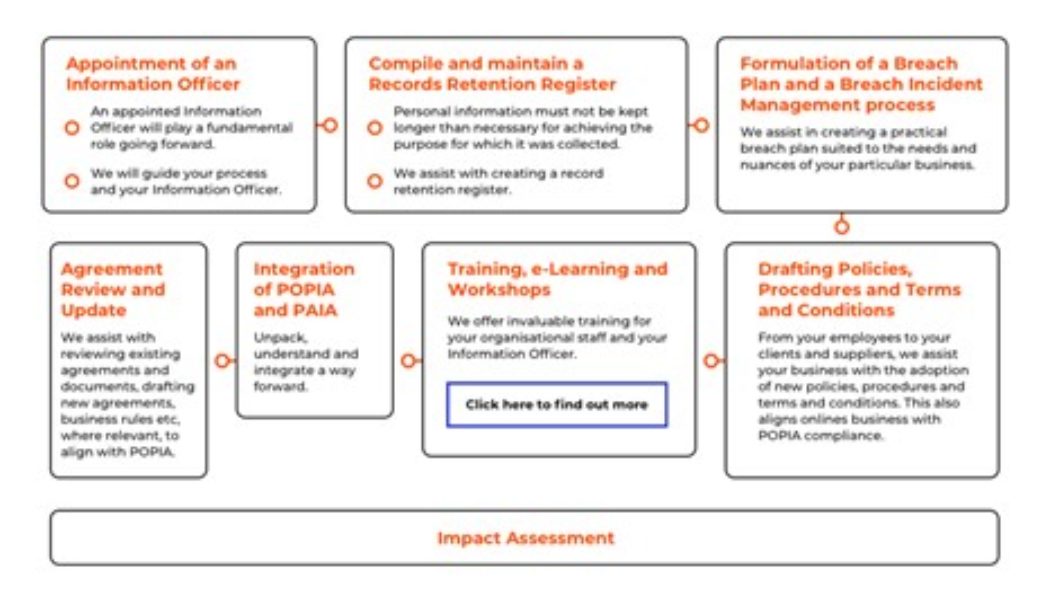
With an inundation of information from all angles regarding The Protection of Personal Information Act (POPIA), and the 1 July commencement date quickly approaching, organisations could be forgiven for feeling more than a little overwhelmed. Emmanuel Tzingakis, Technical Lead for Trend Micro Sub-Saharan Africa, contemplates how POPIA can assist organisations to secure their data and be better enabled to handle any potential cyber threats. What is POPIA? With personal information becoming a hot commodity on the dark web it is critical to understand exactly how to protect data from cybercriminals. A recent global survey revealed that 79% of organisations experienced disruptions, financial loss or other setbacks due to a lack of cyber preparedness in 2020. As work from home strateg...

Cybersecurity and Data Protection Laws Urgently Needed Across Africa
The pandemic has driven home the high value of personal data to the global economy, while also highlighting its vulnerability to abuse and attack. In response, governments around the world have been reviewing their data privacy and protection laws and regulations, including in South Africa and Ghana. Global cybersecurity firm Kaspersky recently noted that cyberattacks are set to rise in African countries, especially in the key financial centres of South Africa, Kenya and Nigeria. The cybersecurity firm noted that rapidly evolving digital techniques had led to an increased risk of Advanced Persistent Threats and hacking-for-hire events in Africa. South Africa In South Africa, the Cybercrimes and Cybersecurity Act was signed into law by South African President Cyril Ramaphosa in early June 2...

There are 577 Malware Attacks in South Africa Every Hour, Research Shows
Sourced from Republic Title The 2019 KnowBe4 African Report found that the continent is increasingly vulnerable to cyber-attacks. The report highlighted how vulnerable users were when it came to recognising cyber-threats and managing their risk profiles. In 2020, Accenture released a report entitled ‘Insight into the Cyberthreat Landscape in South Africa’ that revealed that there are around 577 malware attacks every hour, many of them are unsuccessful, however. Cybercrime has turned towards Africa and is putting its people and organisations at risk. “With cybercrime shifting its attention towards emerging economies and with Africa’s internet penetration about to double to one billion internet users by 2022, the African continent has become an attractive target for cybercrime,” says Anna Co...
