

debate

Why we don’t mourn for daredevil adventurers | Atlas & Boots
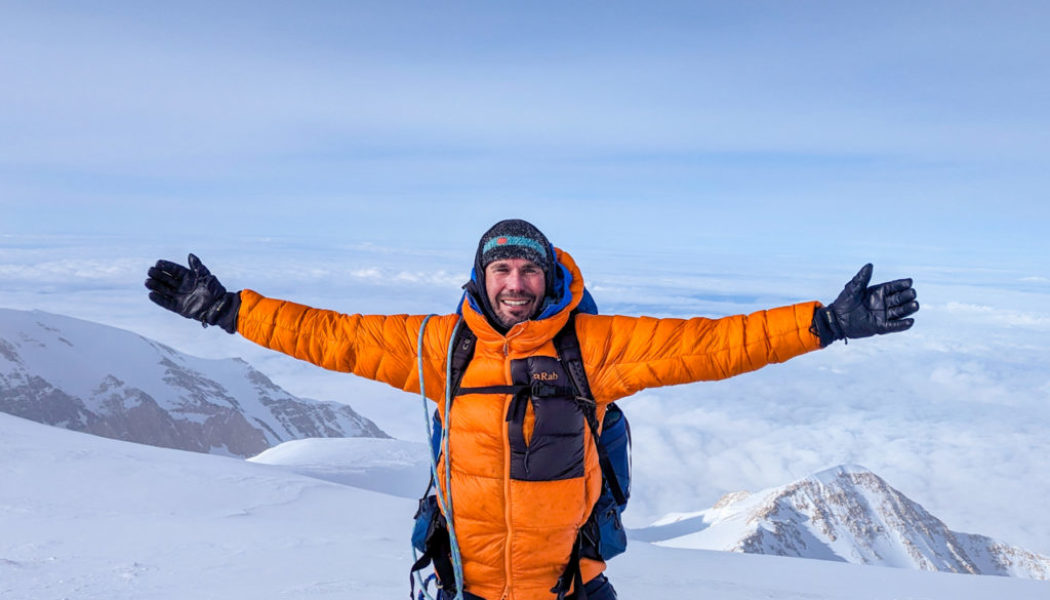
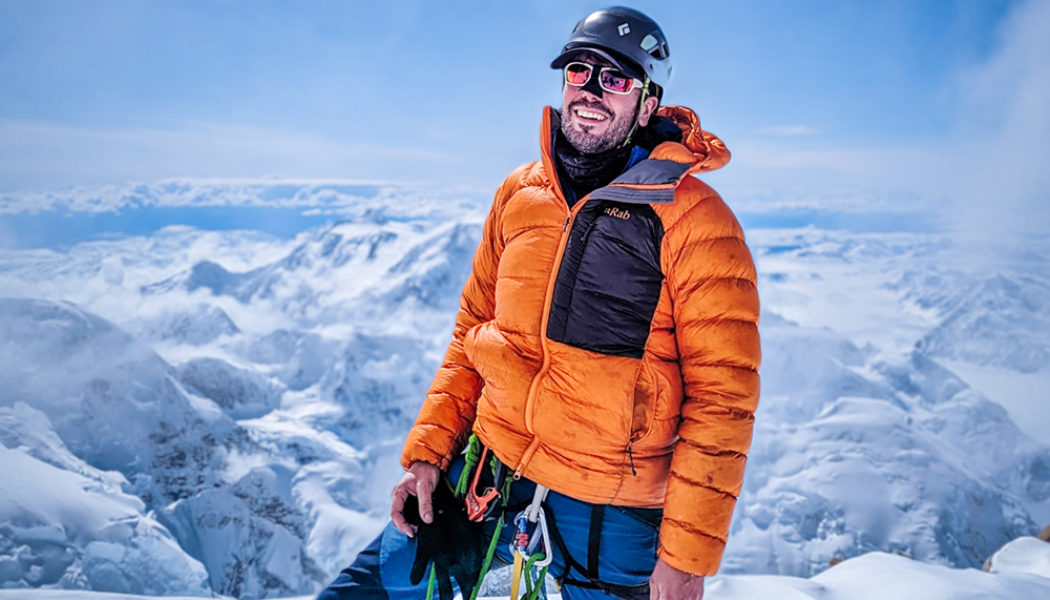
In May 2024, I heard news that two hypothermic, frostbitten climbers were stranded near the summit of Denali, North America’s highest mountain. I scanned the reports for detail, but rangers would not release any information other than to say that the climbers were not from the United States. Why my interest? Because Peter, my partner of 14 years, was attempting to summit Denali at that exact same time. The summit rate at that point was a mere 15%, so even if Peter was okay, there was very little chance that he had reached the summit. The post Why we don’t mourn for daredevil adventurers appeared first on Atlas & Boots.

Most polluted capital cities – ranked | Atlas & Boots
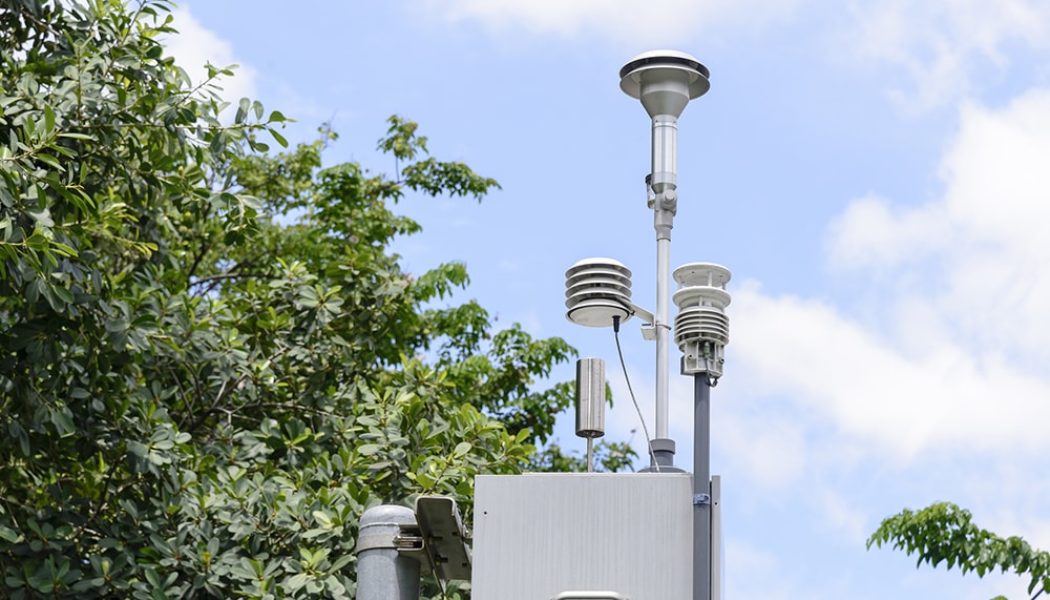
Delhi in India is the most polluted capital city in the world, according to the latest World Air Quality Report from IQAir, a Swiss air‐quality technology company. The post Most polluted capital cities – ranked appeared first on Atlas & Boots.

US national parks were created at a cost to Native Americans | Atlas & Boots
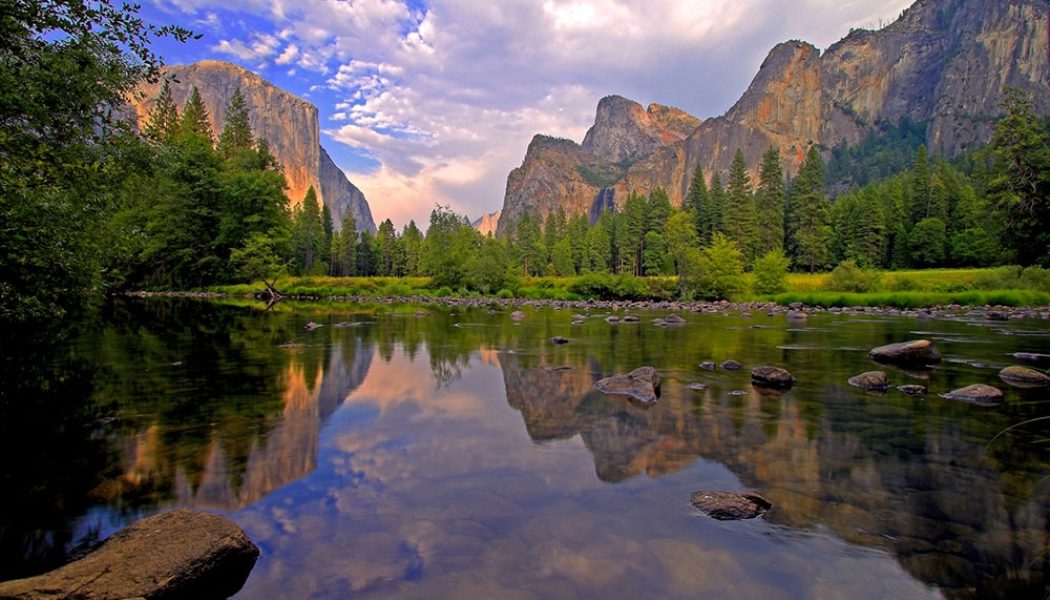
Abraham Lincoln has an almost saintly place in US history: the 'Great Emancipator' whose leadership during the Civil War preserved the Union and abolished slavery. Often overlooked among his achievements is legislation he signed in 1864, during the thick of the war, but only marginally related to the conflict. The Yosemite Valley Grant Act preserved the Yosemite Valley and Mariposa Grove in California as a park “held for public use, resort, and recreation … for all time.” The post US national parks were created at a cost to Native Americans appeared first on Atlas & Boots.

Why mountains like Denali should keep their native names
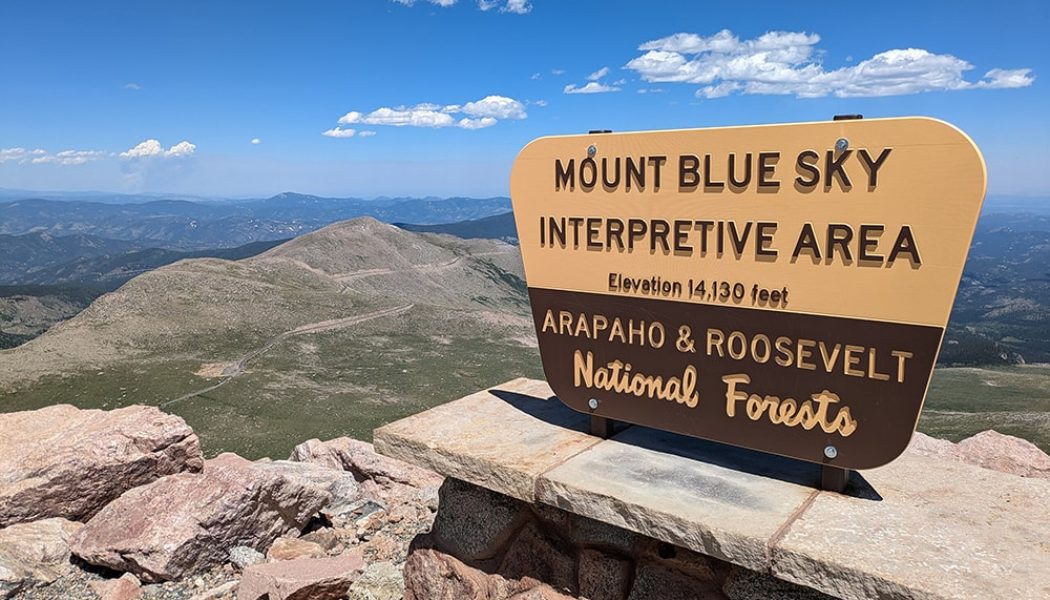
The high point of my year was (literally) my summit of Denali, the highest peak in North America. It was my fourth mountain of the seven summits – arguably my fifth if you count Kosciuszko – leaving me Vinson in Antarctica and Everest in Asia. I said at the time that whether or not I climb any more of the seven is almost irrelevant. I will always have Denali, my ‘tall one’. The post 10,000 years a mountain: why Denali should keep its name appeared first on Atlas & Boots.

In defence of climbing Everest | Atlas & Boots
It has been a strange year. Usually, press trips, treks and working holidays mean that it’s not uncommon for me to spend up to three months away from home. This year, however, I’ve been away just twice. This year, it was all about one thing: Denali. The post In defence of climbing Everest appeared first on Atlas & Boots.

Will the new iPhone make satellite messengers obsolete? | Atlas & Boots
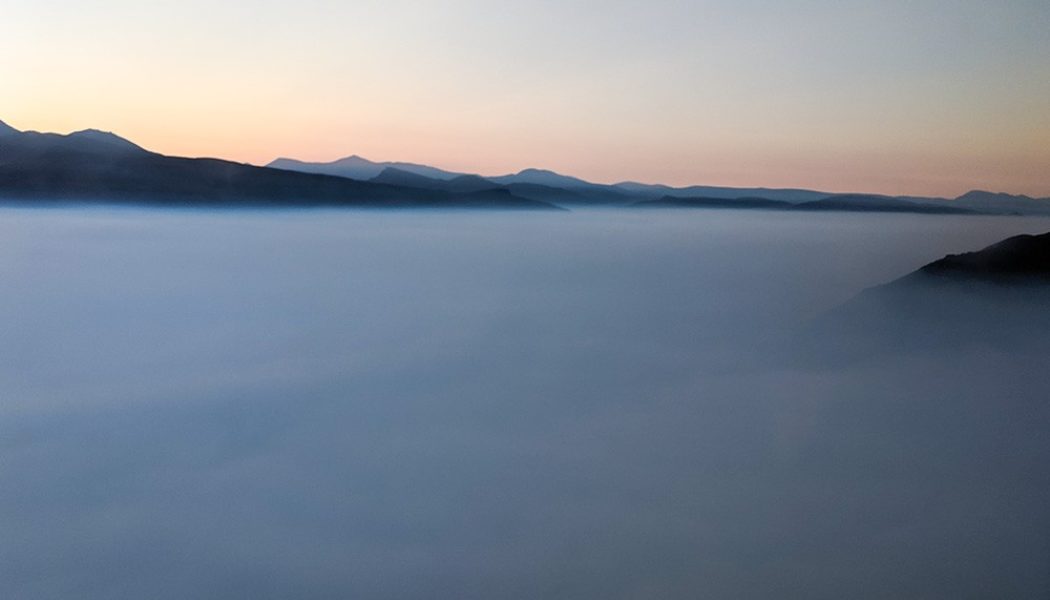
In 2019, I was seven days into the eight-day Arctic Circle Trail in Greenland when the trail ahead began to fill with smoke. I had unwittingly walked into the middle of a wildfire during an unprecedented summer in the Arctic. The post Will the new iPhone make satellite messengers obsolete? appeared first on Atlas & Boots.

Bear Expert Confirms Men Are Bigger Threats To Woman
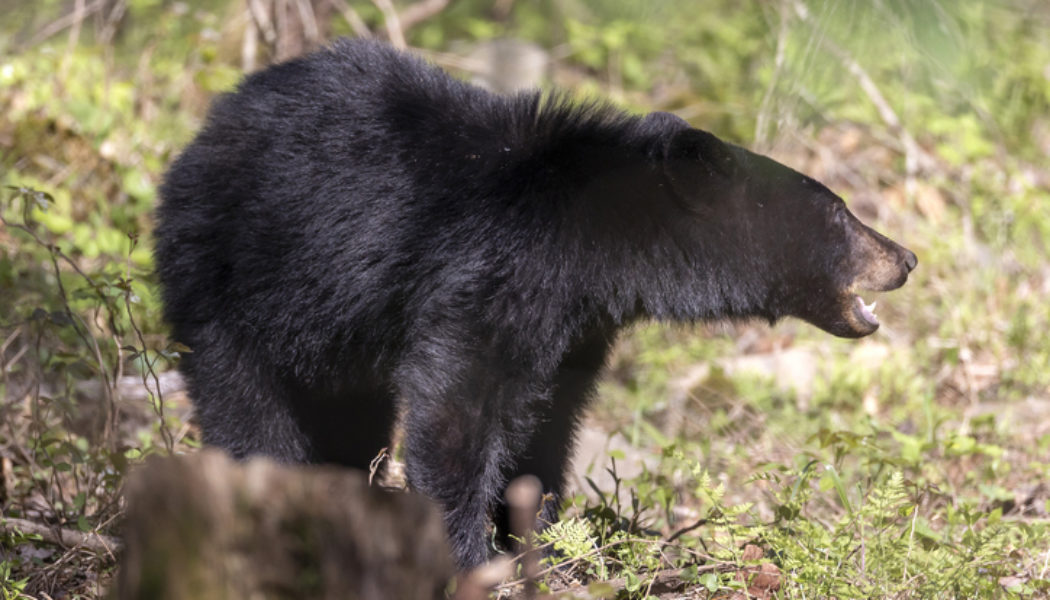
A video of a TikToker asking women on the street if they would feel safer alone in the woods with a bear or with an unknown man, and every woman, except one, resoundingly chose the bear.

Van Jones Reacts To Vivek Ramaswamy GOP Debate Comments
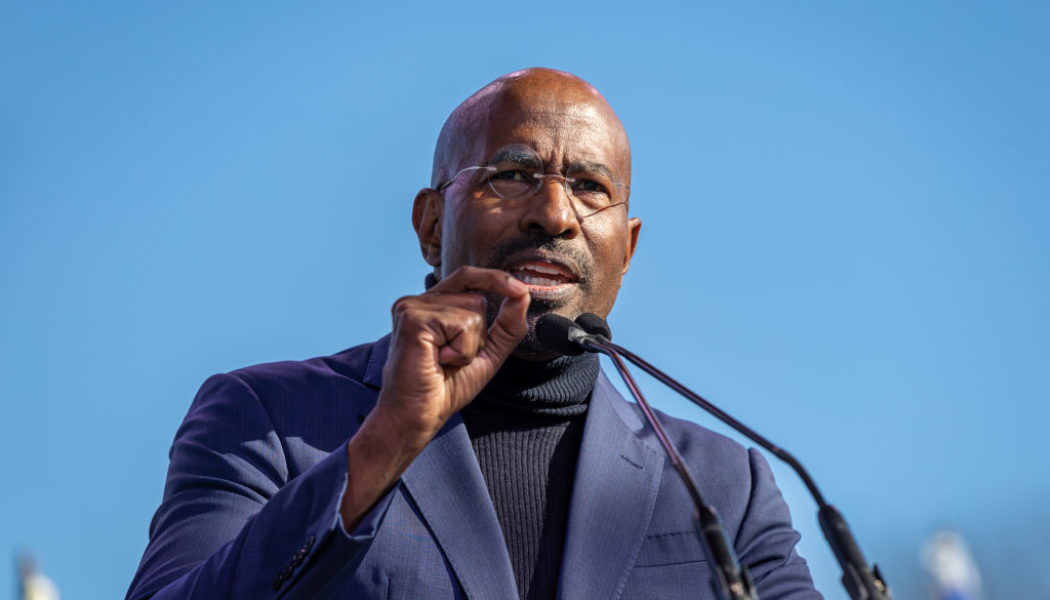
CNN commentator Van Jones says that Vivek Ramaswamy and the GOP presidential hopeful's "great replacement theory" quip had him shaking.


1st Republican Debate Forges Ahead Sans Trump
The first Republican debate took place on Augu. 23 in Wisconsin with GOP hopefuls positioning themselves as the GOP nominee for president.
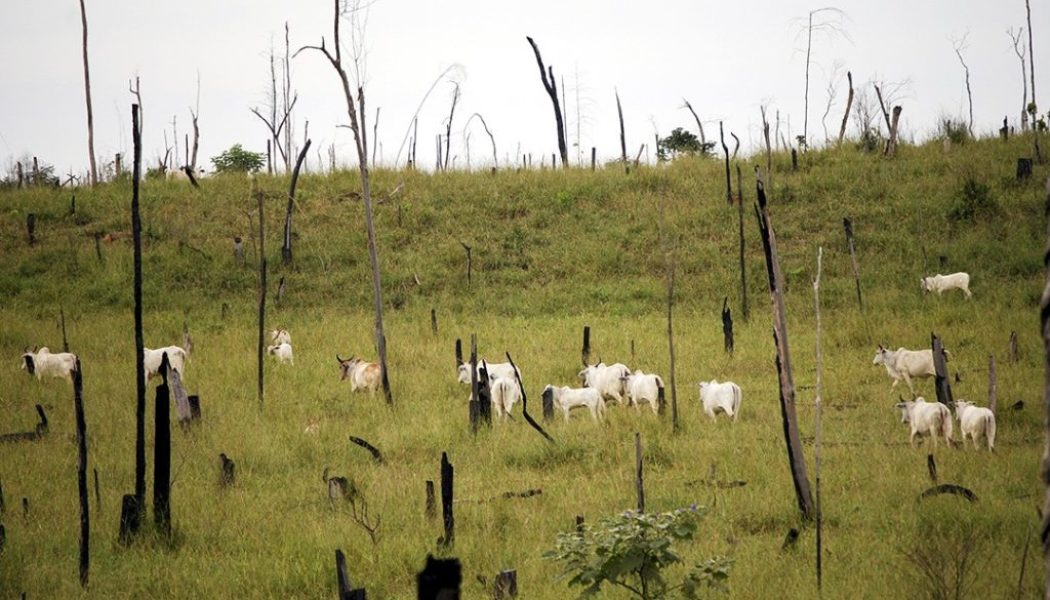

Countries that eat the most meat – ranked
The countries that eat the most meat are causing the most damage to the planet. It’s time to take responsibility and change the habits of a lifetime. There is very little to debate on the subject anymore. Simply put, the world must reduce the amount of meat it eats. In 2011, the world population reached seven billion and it's now around 7.7 billion. That figure is expected to reach 10 billion around 2050. As the global population continues to skyrocket, the planet simply cannot sustain its current levels of meat production. The use of land for growing food and forestry accounts for about a quarter of all global greenhouse gas emissions. That's roughly the same as from electricity and heating, and substantially more than from all the trains, planes and automobiles on the planet. The post Co...
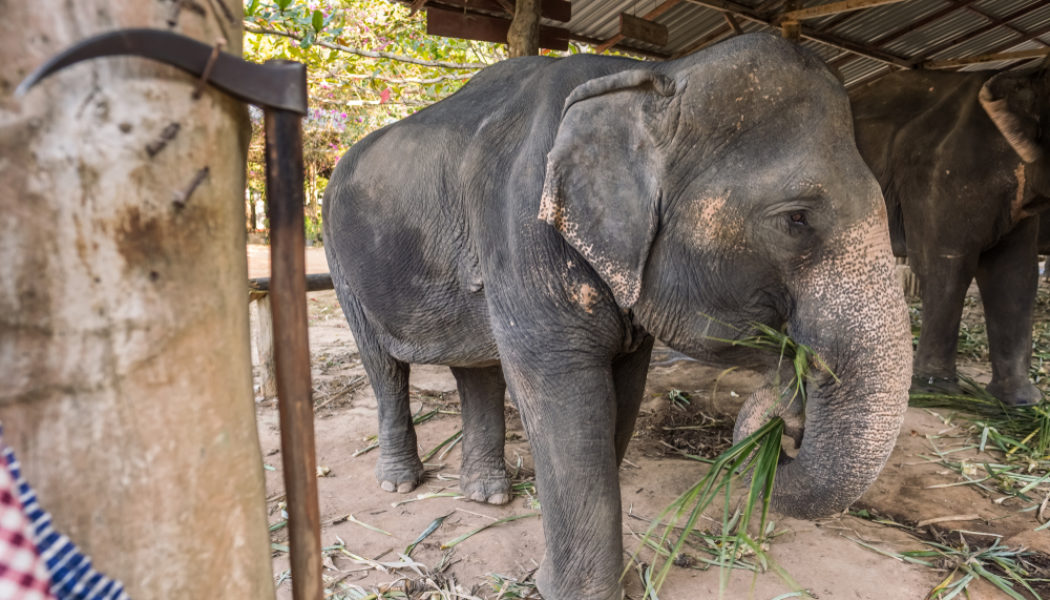

The Last Tourist review: three startling moments | Atlas & Boots
The Last Tourist exposes the many flaws of tourism, but these three moments struck us especially hard The role of the modern tourist is on trial in a new documentary. The Last Tourist combines insight from travel and environmental experts with a series of first-hand accounts to highlight the harmful practices that global tourism supports and encourages. The post The Last Tourist review: three startling moments appeared first on Atlas & Boots.


The travel that changed me: Adam Hart
From big cats to army ants, Adam Hart knows about animals. After completing a PhD in Zoology, he's been involved in numerous research projects from the rainforests of Panama to the savannahs of South Africa. He is Professor of Science Communication at the University of Gloucestershire where he teaches animal behaviour, behavioural ecology, evolution, statistics, mathematical modelling, citizen science, science communication, African savannah ecology and field skills. Phew! The post The travel that changed me: Adam Hart appeared first on Atlas & Boots.
