

digital businesses


Safaricom Scoops Up 400 Developers in Kenya to Stave Off Competition
Safaricom, Kenya’s top telecom group, has reportedly hired 400 software developers in 2022 to keep up with the demand for digital talent as other digital business competitors set up shop in the country. According to Business Daily, the new hires are 6.4 percent of Safaricom’s 6,230 permanent, temporary, and contracted employees at the end of last year. The mobile operator’s CEO, Peter Ndegwa, said that the company is expanding its technical staff as it is gravitating toward offering a wide range of IT-linked services including an e-commerce platform on the M-Pesa Super app, loans, wealth management, and savings and insurance. The African mobile giant says it wants to transform from a connectivity business to a technology business. “The technology side of the business is becoming bigger, th...


Why Cloud Computing Has Suddenly Started to Gain Momentum in SA
We use cookies on our website to give you the most relevant experience by remembering your preferences and repeat visits. By clicking “Accept All”, you consent to the use of ALL the cookies. However, you may visit “Cookie Settings” to provide a controlled consent.


Implementing Security Best Practices to Maintain Integrity at the Edge
Industry 4.0, IIoT, and smart manufacturing are all buzzwords that we’ve been talking about for years. Many of us have had visions of factory floors run by futuristic robots and drones reminiscent of SciFi movies like iRobot. Well, it seems that life is indeed starting to imitate art; a 2021 McKinsey & Company survey concluded that many global manufacturing companies were able to keep their operations running during the pandemic, thanks to Industry 4.0. Furthermore, more than half of the respondents indicated that technology played a fundamental role in staying operational. Moreover, according to recent studies, the COVID-19 pandemic has vaulted us five years forward in digital business adoption. More and more manufacturers are considering actively adopting “lights out” factories and s...


Woolworths Set to Expand its Delivery Services in South Africa
We use cookies on our website to give you the most relevant experience by remembering your preferences and repeat visits. By clicking “Accept All”, you consent to the use of ALL the cookies. However, you may visit “Cookie Settings” to provide a controlled consent.
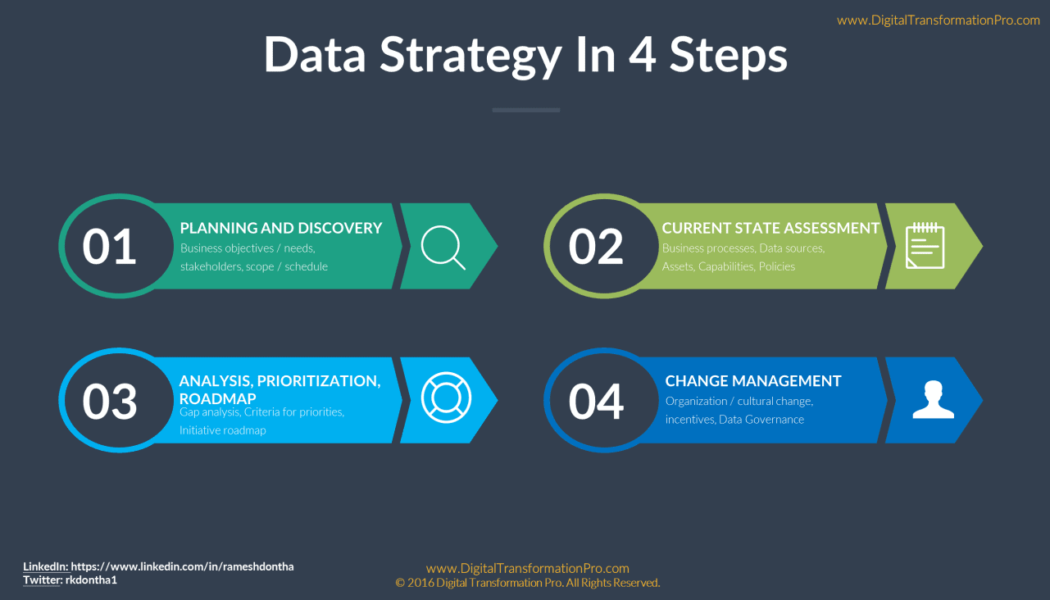

Every Digital Business Needs a Data Strategy
Sourced from TTEC.com Even though data has become one of the most critically important assets in an organisation, most companies have yet to align this with their business strategies. Not doing so results in an inability to identify and prioritise the interventions needed for growth and effectively measure their success. But doing so is not without its complexities. For the most part, a data strategy comes down to identifying and understanding the data that is being worked with. Having this in place can improve the way a company acquires, stores, manages, shares, and uses data. The underlying processes and the governance involved in how all this is managed are all key components of such a data strategy. Even if this is in place, the biggest obstacle is still on how to best integrate it wit...
