

Finance


Startup “Unicorns” Help Mobile Money Soar in Africa
Image sourced from WeeTracker. /* custom css */ .tdi_4_c6c.td-a-rec-img{ text-align: left; }.tdi_4_c6c.td-a-rec-img img{ margin: 0 auto 0 0; } A recent GSMA report reveals that there are 1.2 billion registered global mobile money accounts. 560-million of these registered accounts are in Africa. The GSMA, which represents several mobile network firms, states that “Sub-Saharan Africa has been at the forefront of the mobile money industry for over a decade, and in 2020 continued to account for the majority of growth.” FinTech Unicorns Running Wild in Africa Now, five African fintech startups, Flutterwave, ChipperCash, Interswitch, Paga and OPay are now being identified as “unicorns” by investors, the business media and analysts following the surge of mobile payments. /* custom css */ .tdi_3_4...


Why SMEs in South Africa Benefit from Alternative FinTech
Image sourced from Cape Business News. /* custom css */ .tdi_4_c3c.td-a-rec-img{ text-align: left; }.tdi_4_c3c.td-a-rec-img img{ margin: 0 auto 0 0; } Data and automation are rapidly changing the lending game in South Africa. The country is seeing the emergence of an agile new class of fintech that uses proprietary data and algorithms to vet loan applications within minutes so that retailers can access working capital they need to grow and thrive. This is according to Steven Heilbron, CEO of the Connect Group. “Alternative, technology-powered financing solutions are disrupting South Africa’s commercial lending market, especially the retail space and in the process, it is helping thousands of SMEs to navigate the threats and opportunities of a volatile economic landscape during the pandemic...

Cyber Insurance: A Growing Demand for All Companies?
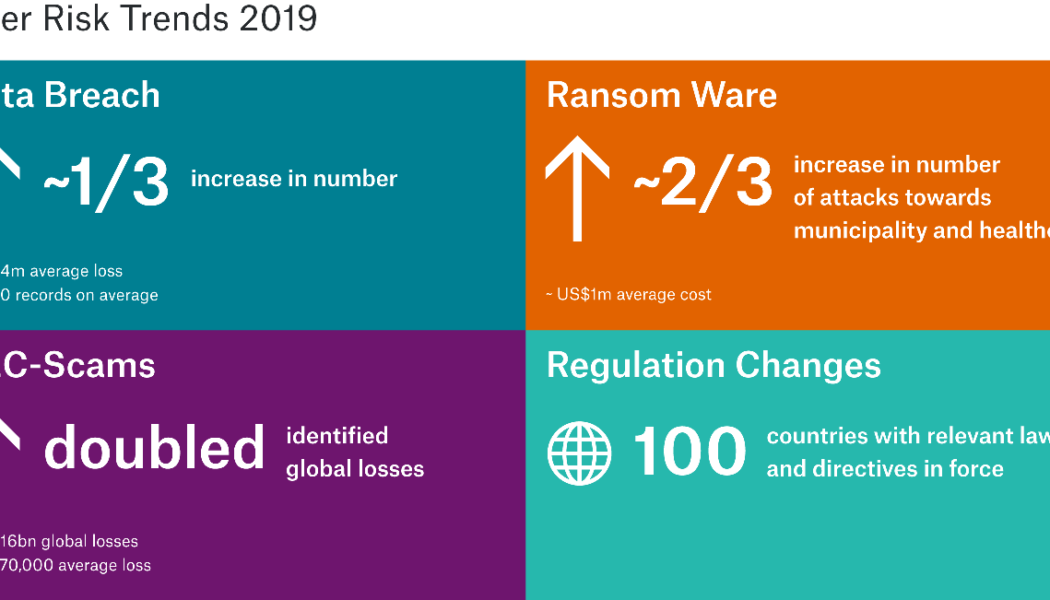
Image sourced from Forbes. The advancement of connectivity in light of the digital revolution has radically transformed our lives and brought unprecedented benefits to companies in the way they operate and do business. However, digitalization is a double-edged sword and comes with risks as well, among them cyber exposures. Companies are facing a number of challenges such as the prospect of more disruptive and expensive business interruptions, the increase in the frequency and cost of ransomware incidents, the consequences from larger data breaches and more robust regulation – both at home and overseas – as well as the prospect of litigation if something does go wrong. In 2021, cyber incidents ranked among top business risks in South Africa, Africa and globally in the Allianz Risk Barometer...


Naira appreciates at N493 to dollar in parallel market
The naira, on Thursday, appreciated by 1.8 percent to N493 to a dollar at the parallel market as the Central Bank of Nigeria (CBN) increased forex supplies to banks. The local currency, which opened at N502 per dollar, gained N17 to N485 during midday trading before closing at N493/$1, according to data on abokiFX.com, a website that collates parallel rates in Lagos. It also appreciated against the pound sterling to close at N710 and N600, gaining N3 and N6, respectively, on the street. At the importer and exporter (I&E) window, it appreciated 0.13 percent to close at N411.50 to the dollar. Last week, Godwin Emefiele, CBN governor, met with bank CEOs and agreed to increase the amount of foreign exchange allocated to banks to meet legitimate needs. Emefiele cautioned them to ensure that...


Naira slides again at official market
Naira for the second day in a row fell against the U.S. dollar at the official market Wednesday, but managed a rebound at the parallel market, a day after hitting its lowest black-market rate in at least four years. Data on the FMDQ Security Exchange where forex is officially traded showed that the naira closed at N412.00 per $1 at the Nafex window. The local currency performance on Wednesday represents a N0.25 or 0.06 per cent decrease from N411.75 the rate it traded in the previous session on Tuesday. The trading session on Wednesday witnessed a forex turnover of $131.86 million, this translates to a 23.44 per cent depreciation from $172.24 million posted in the previous session on Tuesday. The domestic currency experienced an intraday low of N420.97 and a high of N400.00 before closing ...


Nigeria’s inflation drops to 17.93 percent
The Consumer Price Index (CPI) which measures inflation dropped to 17.93 per cent (year-on-year) in May compared to 18.12 per cent in the preceding month, according to the National Bureau of Statistics (NBS). The 0.19 per cent decline in the headline index, makes it the second consecutive month that the rate had sustained its downward trajectory after 18 months of inflationary pressures on the economy. According to the CPI figures for May which was released by the statistical agency Tuesday, food inflation dropped to 22.28 per cent from 22.72 per cent in April. Price moderation was recorded in bread, cereals, milk, cheese, eggs, fish, soft drinks, coffee, tea and cocoa, fruits, meat, oils and fats and vegetables. On month-on-month basis, the food sub-index declined to 1.05 per cent in May ...


“Yellow Card” Seeks to Shake Up Cryptocurrency in Kenya
Image sourced from Kryptocurrency. /* custom css */ .tdi_4_770.td-a-rec-img{ text-align: left; }.tdi_4_770.td-a-rec-img img{ margin: 0 auto 0 0; } Yellow Card, a leading Africa-focused finance platform for trading cryptocurrencies has finally arrived in Kenya. The company claims it already has offices in 9 African countries, allowing customers from Nigeria, Botswana, Cameroon and South Africa, and others, to buy and sell crypto through its platform. “Yellow Card is a cryptocurrency exchange on which you can buy or sell supported cryptocurrencies with your local currency,” reads Yellow Card’s official website. /* custom css */ .tdi_3_776.td-a-rec-img{ text-align: left; }.tdi_3_776.td-a-rec-img img{ margin: 0 auto 0 0; } The company “offers a secure cryptocurrency wallet with which you send,...

What are CFDs and How Can You Start Trading Online?
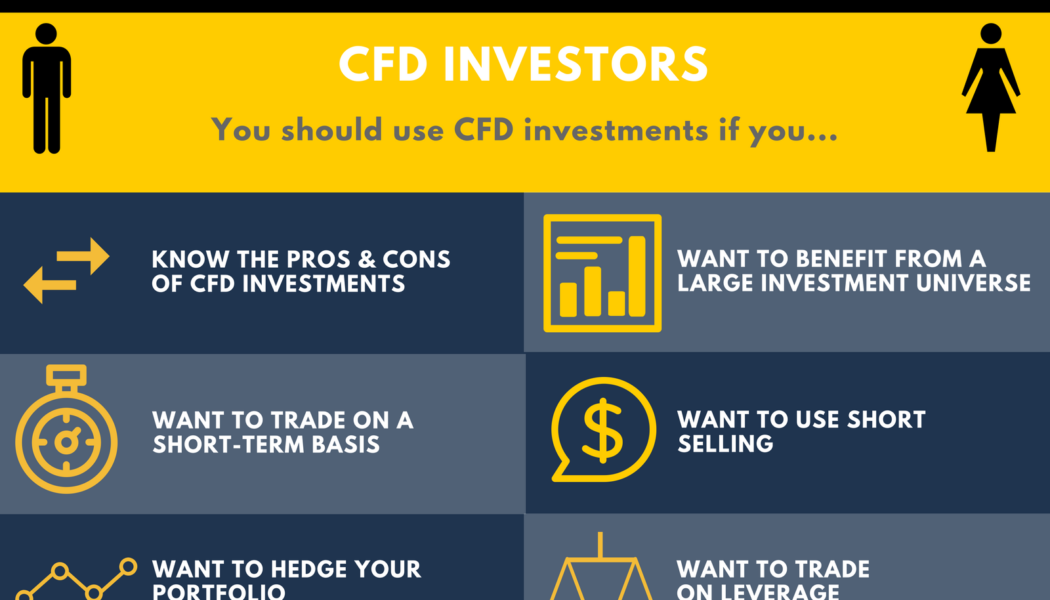
/* custom css */ .tdi_4_61e.td-a-rec-img{ text-align: left; }.tdi_4_61e.td-a-rec-img img{ margin: 0 auto 0 0; } The use of Contracts for Differences (CFDs) continues to trend among retail traders, given these financial derivatives are ideal when market volatility is elevated and valuations have a directional bias. Understanding what are CFDs and some of the main threads linked to them is not difficult, even when it comes to people that are just getting started in the industry. The Basics of CFDs People will very often hear about the stock markets, FOREX, or commodities in the media. These are financial assets with a floating value, creating incentives for speculation. Retail traders and institutions all around the world are getting involved in these markets daily, based on changing economi...


VP Osinbajo: How grassroots planning helped our social investment programmes
One factor responsible for the impactful implementation of the Social Investment Programmes of the Buhari administration over the years is the realization that you can’t reach Nigerians if you don’t have a plan for the grassroots, according to Vice President Yemi Osinbajo, SAN. This realization then influenced the structure designed for the SIP and is largely responsible for the successes of the programme (which is now regarded as one of the biggest social welfare schemes in the continent). Prof. Osinbajo stated this Sunday in Lagos at the inauguration of the Dash Me Store, an outfit of the Dash Me Foundation founded by the immediate past Finance Minister, Mrs Kemi Adeosun. The store is established to mobilize resources for onward distribution to vulnerable people in the society via grassr...


Cybersecurity Is More than A Tech Problem – It’s a Business Problem Too
Image sourced from Finance Times. A concerning number of South African companies are not prepared for the inevitability of a cyberattack despite the significant financial and reputational risks, according to Ryan Mer, MD, eftsure Africa, a Know Your Payee (KYP) platform provider. “Too few senior managers view cybersecurity as a business problem and not just a technology problem,” he says. “The reality is cybersecurity is very much a business consideration. CEOs and CFOs will eventually face critical questions such as: How much money do we spend on cybersecurity? Do we change key processes? How do we create awareness and change company culture? Do we put security ahead of operational functionality? What is the role of internal processes and staff on data security and integrity?.” Mer adds t...

How COVID-19 Has Driven a Cashless World Through Contactless Payments
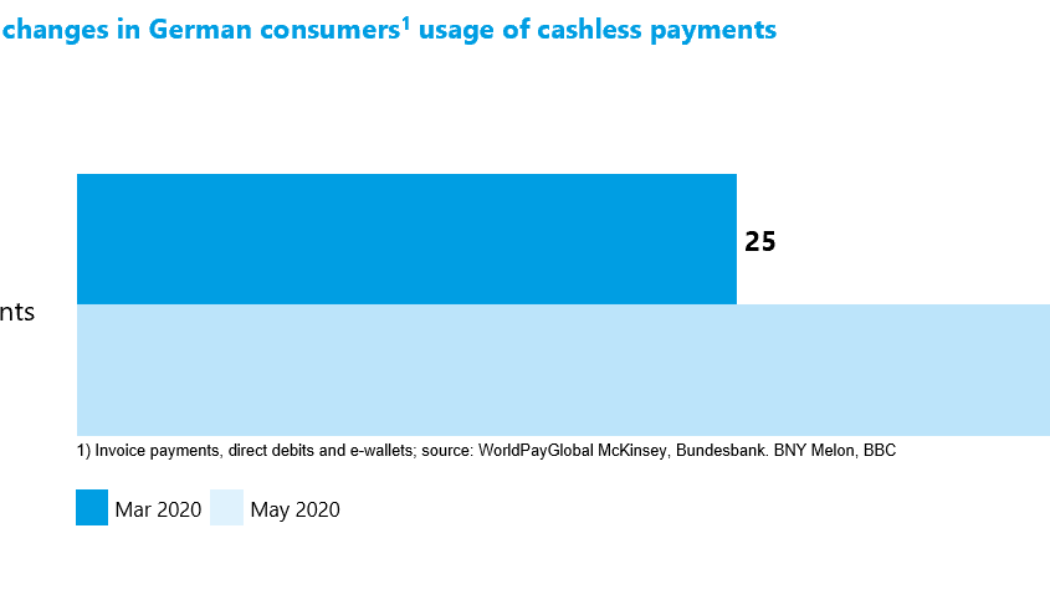
Image sourced from PYMNTS. /* custom css */ .tdi_4_560.td-a-rec-img{ text-align: left; }.tdi_4_560.td-a-rec-img img{ margin: 0 auto 0 0; } Driven by the COVID-19 pandemic, contactless payments have become the world’s preferred payment method. In addition to being safer from a viral transmission perspective, contactless payments are also faster, and integrating multiple contactless payment methods assists small businesses to better maintain financial liquidity. While choice in payment methods boosts Customer Experience (CX), we still have a way to go before South Africa fully embraces cashless payments. This will necessitate educating the population on card security and business owners on the benefits of contactless payments and the reduction of cash on hand. Formal vs Informal Trading /* c...

Location Intelligence is Key to Understanding New Customer Behaviours Post-Pandemic
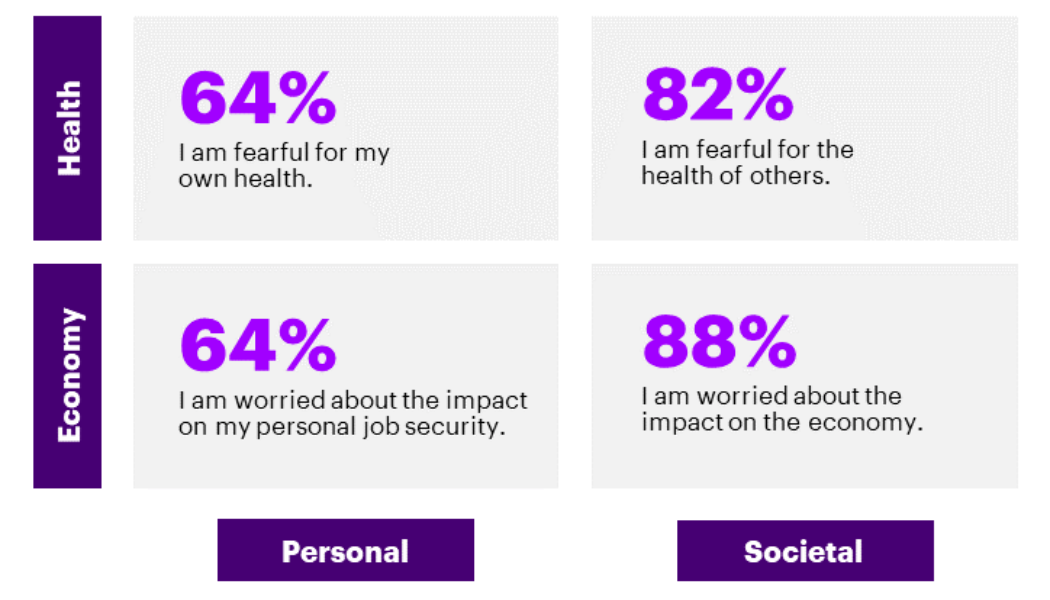
Image sourced from Geospatial World. /* custom css */ .tdi_4_271.td-a-rec-img{ text-align: left; }.tdi_4_271.td-a-rec-img img{ margin: 0 auto 0 0; } The COVID-19 pandemic was a major disruptor for the retail sector. Practically overnight, customer buying patterns and behaviours changed, and have continued to shift ever since. This had made it challenging to meet customer expectations effectively. Retailers need to harness the power of location intelligence to help them better understand how their customers’ needs have changed and continue to change. What is Location Intelligence? Forrester, a research and advisory company, defines location intelligence as “the practice of collecting and managing customer location data, enriching it with other data sources, and analysing for contextual...
