

IT News
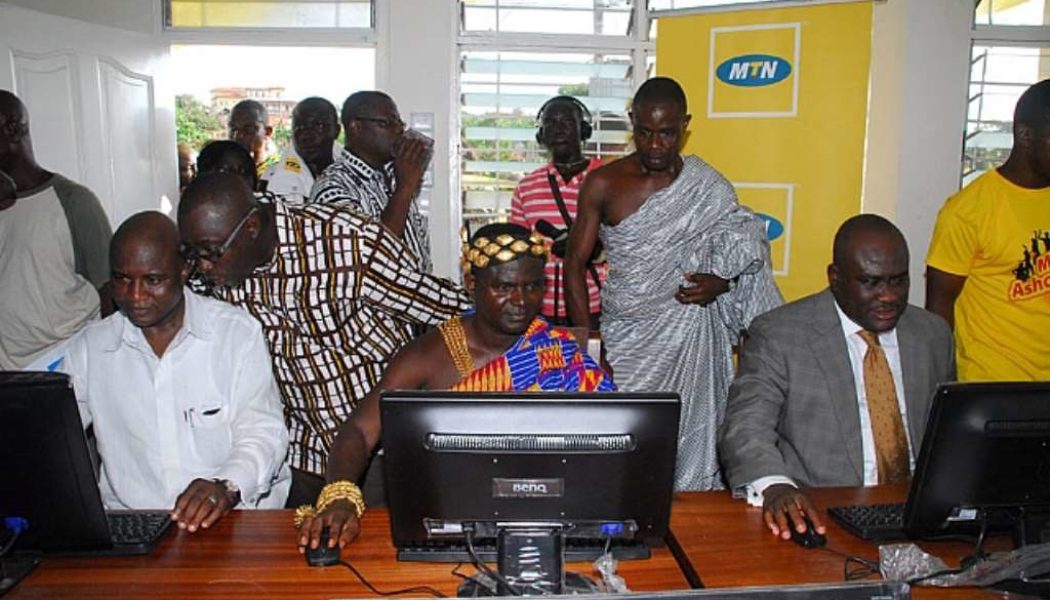

MTN Plans to Build New ICT Centre in Ghana
Sourced from TheTechieGuy (https://thetechieguy.com/) MTN Group CEO Ralph Mupita has made a three-day visit to Ghana and launched major projects that the operator aims to achieve by 2022, Ecofin reported. It intends to improve and expand network infrastructure to bring quality telecom services to rural areas and supporting Ghana’s QR code project and other digital initiatives such as combating cyber-attacks and developing women’s participation in ICT, he said. Mupita also revealed MTN’s intention to build an ICT centre in Ghana and finalise the opening of 30% of MTN Ghana’s capital to local investors by the end of the year. MTN plans to open up 30% of the capital MobileMoney by January 2022, too. Since March, the company has initiated a strategic repositioning to attract third-party capita...


How Blockchain and Crypto Can Lessen Financial Exclusion in Developing Countries
/* custom css */ .tdi_4_8ce.td-a-rec-img{ text-align: left; }.tdi_4_8ce.td-a-rec-img img{ margin: 0 auto 0 0; } While the COVID-19 crisis has reversed the recent global poverty reduction, according to the UN and other experts, it has also sped up financial inclusion via mobile financial services apps provided by crypto, blockchain and FinTech startups. Many people worldwide take for granted the services billions of others struggle to access. In their book “Financial Exclusion and the Poverty Trap,” authors Pamela Lenton and Paul Mosley assert that one of the main causes of poverty is financial exclusion, which they define as the inability to access finance from mainstream banks. /* custom css */ .tdi_3_d8d.td-a-rec-img{ text-align: left; }.tdi_3_d8d.td-a-rec-img img{ margin: 0 auto 0 0; } ...
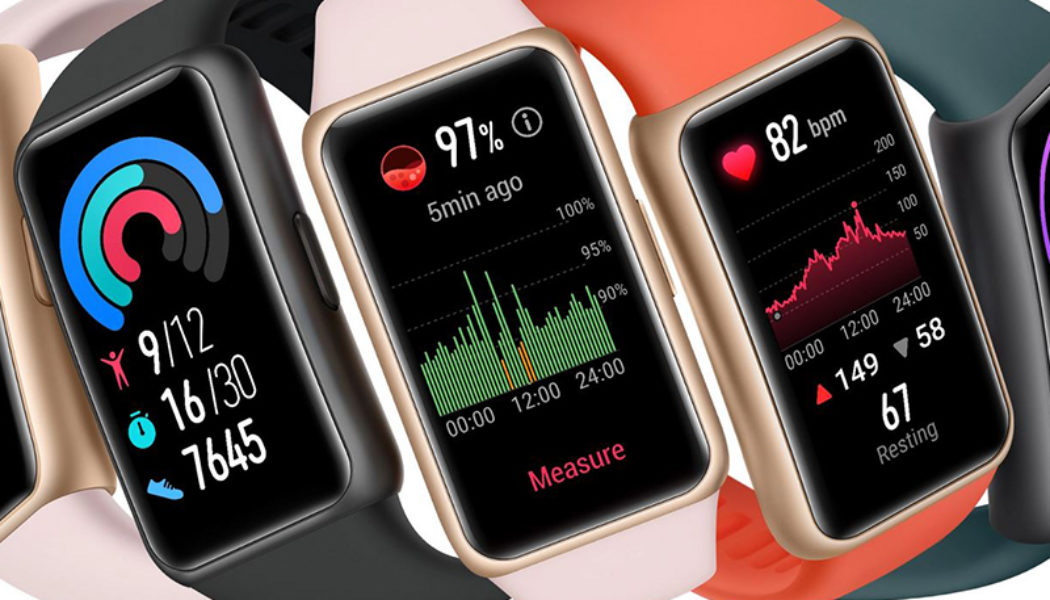

Huawei’s New Band 6 Smartwatch is Launching in SA – Here’s the Details
Image sourced from Huawei. /* custom css */ .tdi_4_411.td-a-rec-img{ text-align: left; }.tdi_4_411.td-a-rec-img img{ margin: 0 auto 0 0; } Huawei’s Band 6 smartwatch is coming to South Africa, according to the Chinese telecom retail megacorp. This new iteration of the company’s Band series of smartwatches comes will an all-new set of improvements and features. Boasting a sleek, rounded Apple Watch-like design, the Band 6 seems to be Huawei’s next very competitive answer to the already uber-competitive smartwatch market. New Features /* custom css */ .tdi_3_126.td-a-rec-img{ text-align: left; }.tdi_3_126.td-a-rec-img img{ margin: 0 auto 0 0; } The Band 6 has an increased display area from previous generations of devices. Its 1.47-inch AMOLED FullView Screen is touted as having a 148% larger...
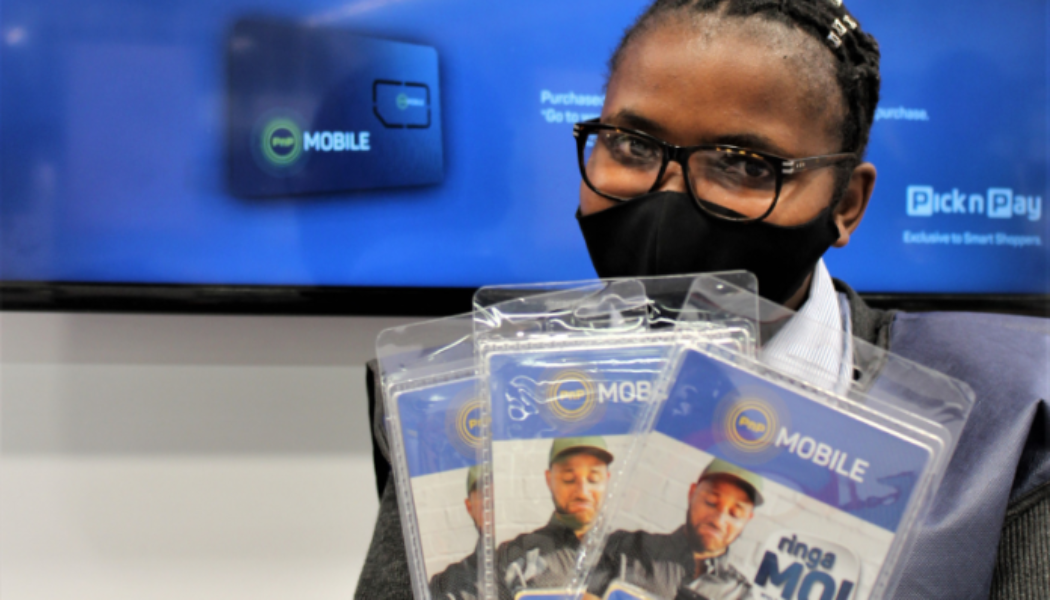

PnP Mobile Introduces Paperless RICA Process for South Africans
Pick n Pay’s Mobile Virtual Network (MVN) will now allow subscribers to RICA their SIM cards through a completely paperless process. “Pick n Pay and our partners, TymeBank, are making it possible for our PnP Mobile customers to enjoy a completely simplified mobile SIM card purchase and registration process. They will no longer need a physical copy of their residential address or identity document to complete registration,” says John Bradshaw, Retail Executive at Pick n Pay. The paperless RICA process is completed by using a TymeBank kiosk, available at 500 Pick n Pay stores across the country. Registration is completed in five simple steps: 1. purchase a SIM card 2. scan or type in SIM barcode 3. enter ID number and an alternative cellphone number 4. select a residential address in the sys...


Why Unlocking Data is Setting CIOs Up for Success
Whilst companies used to build one to three-year transformation plans, today technological advancements and customer expectations are changing much faster. Everything companies do have to be driven by flexibility, agility and customer-centricity. Connecting with and serving customers, building the right data architecture, and embedding an open data culture throughout the organisation are all part of digital transformation. It also entails training its workforce to effectively and transparently share and leverage data. In many cases, it is not technology that is holding companies back. Rather, this is caused by the ways in which companies have set up their systems to handle data. According to MuleSoft’s 2020 Connectivity Benchmark Report, 85% of organisations admit that integration challeng...


Intel Introduces 2 New Core Processors
Sourced from Unsplash. /* custom css */ .tdi_4_101.td-a-rec-img{ text-align: left; }.tdi_4_101.td-a-rec-img img{ margin: 0 auto 0 0; } Intel has introduced two new additions to its lineup of 11th Gen Intel Core processors. These new processors, combined with Intel’s co-engineering work with independent software vendors (ISVs) and original equipment manufacturers (OEMs), are expected to continue Intel’s leadership in mobile computing. “We’ve taken the world’s best processor for thin-and-light Windows laptops and made the experience even better with the addition of our two new 11th Gen Intel Core processors with Intel Iris Xe graphics,” says Chris Walker, VP of Mobility Client Platforms at Intel. “In addition, we know real-world performance and connectivity are vital to our partners and the ...
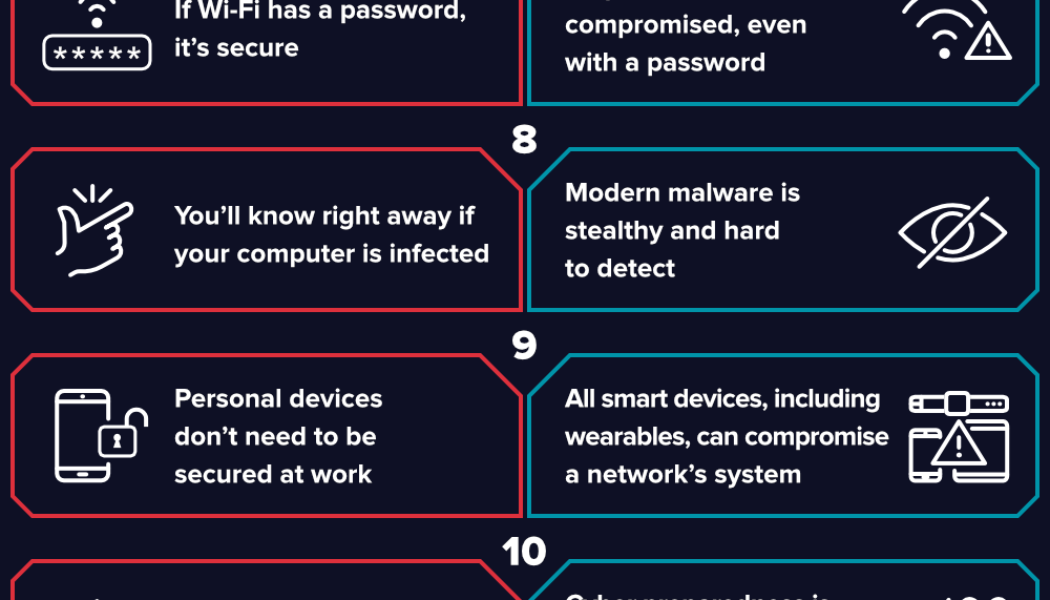

Top 10 Cybersecurity Misperceptions
Between more sophisticated cybercriminals and immense pressure to ensure governance on compliance, 2021 is already shaping up to be a minefield. And as such, cybersecurity has risen to the top of most organisations’ agendas. With this in mind, research from Sophos shows the top 10 cybersecurity misperceptions: Misperception 1: We are not a target; we are too small and/or have no assets of value to an adversary. Many cyberattack victims assume they are too small, in a sector of no interest or lacking the kind of lucrative assets that would attract an adversary. The truth is, it doesn’t matter: if you have the processing power and a digital presence, you are a target. Misperception 2: We don’t need advanced security technologies installed everywhere. Some IT teams still believe ...


MTN Group Eyes Second Ethiopian Operating Licence
MTN Group CEO, Ralph Mupita has revealed that the telco would consider bidding for the second Ethiopian operating licence after initially losing to Safaricom. “We took an approach that the opportunity, as strategic as it was, needed to meet our capital allocation framework and the hurdles that we saw given the licence conditions. We were particularly focused on the lack of mobile money in the licencing regime, and there were some issues around how the telco constructs would be accommodated within Ethiopia. We certainly priced for those things and near-term risks that we saw, and we felt that the financial bid there was appropriate.” He says that although it was disappointing that they did not win the initial bid, they may take another shot at it. “There are views that the Ethiopian authori...


ProLabs Explains Why 5G Mobile Networks are ‘Fibre Networks in Disguise’
Service providers are investing in 5G as it will deliver speeds approaching 10 gigabits per second. That is 600 times faster than standard 4G speeds, and more than 10 times faster than some residential fibre offerings. This is according to ProLabs, a global leader in optical networking infrastructure. The company notes that fibre optics have replaced copper for almost all links in the 5G networks used in delivering the required speed from the mobile antenna to consumers’ phones. Thus, “5G networks are really fibre optic networks with a short wireless connection at the end.” ProLabs is distributed in sub-Saharan Africa by value-added distributor, Networks Unlimited Africa. Craig Copeland, Networking and Storage Director at Networks Unlimited Africa, explains, “The fifth generation of mobile...


Safaricom Introduces New Video Streaming Platform
Image sourced from Techweez Safaricom has launched Baze – its new video streaming platform – in Kenya. This subscription-based mobile-first service is expected to offer a wide selection of local and regional short-form videos in entertainment, music, news and sports. The telco says it is placing the entertainment Kenyans want at their fingertips while providing local content creators with an additional platform to share their stories and monetize their content. “The new service will offer customers a wide variety of video content and provide content creators an additional platform to monetize their content. We are looking to get the best forms of monetisation for creators and to give users a worry free experience when using the platform” says Kenyan business person, Sylvia Mulinge. “As we ...


Vodacom South Africa Launches the Nokia 2720 to Promote a more “Inclusive Digital Society”
Vodacom has joined forces with Nokia to launch the Nokia 2720 in South Africa – a smartphone designed to provide greater access for senior citizens, people living with disabilities and those who experience other communication barriers. “For more than two decades, Vodacom has been addressing the need for more inclusive technologies by providing products and services that are accessible to all. By expanding our portfolio with Nokia, we now offer a device equipped with features that meet the specific communication needs of the elderly or those living with disabilities,” says Karen Smit, Principal Specialist for Specific Needs at Vodacom. This 4G-enabled device is the first of its kind created for the special needs market. It is durable with useful features such as a 2.8” internal display, 1.3...


How Emotion AI Can Make the World a Better Place
Most of us take it for granted that we can read another person’s emotions through subtleties such as body language, yet this is a real struggle for many others. Enter emotion AI. Researchers at Stanford University modified Google’s augmented reality glasses to read emotions in others and notify the wearer. The glasses detect someone’s mood through their eye contact, facial expressions and body language, and then tell the wearer what emotions it’s picking up. “Emotion AI taps into the individual,” explains Zabeth Venter, CEO and co-founder of Averly. “If you think about facial recognition, which is a kind of emotion AI, I can pick up if you like what I’m saying by whether your smile is a smirk or a real genuine smile.” Such nuances go deeper. Another example is polling: what is your favouri...
