

IT News


Nutanix Appoints New CEO
Nutanix has appointed Rajiv Ramaswami as its new President and CEO, effective 9 December 2020. Ramaswami will succeed co-founder Dheeraj Pandey, who previously announced his plans to retire as CEO of Nutanix upon the appointment of a successor. Ramaswami is a seasoned technology industry executive who has held senior executive roles at industry leaders including VMware, Broadcom, Cisco, and Nortel, after having begun his career at IBM. He has an impressive 30+ year track record of building and scaling businesses in cloud services, software, and network infrastructure. In his most recent role as COO, Products and Cloud Services at VMware, Ramaswami co-managed VMware’s portfolio of products and services. During his tenure, Ramaswami led several important acquisitions and was playing a key ro...


Nigeria’s Top 10 Google Searches in 2020
Image sourced from Search Engine Land Google provides a unique insight into the major moments and top trends of 2020 based on the most popular searches conducted in Nigeria. Search trends information is gleaned from data collated by Google based on what Nigerians have been searching for and asking Google. The information goliath processes more than 40 000 search queries every second. This translates to more than a billion searches per day and 1.2 trillion searches per year worldwide. This year’s trending searches show Nigerians’ keen interest in the world and people around them. COVID-19, entertainment and political figures captured the nation’s attention. From Coronavirus tips and treatments to Sky Sports News and Money Heist, Nigerians use search to find out about the things that matter ...


Discovery Bank Appoints New CEO
Image sourced from MyNewsDesk Discovery has appointed Hylton Kallner as its new Chief Executive Officer (CEO) of Discovery Bank, with effect from 1 January 2021. Kallner takes over from Barry Hore, as the Bank has completed its build and migration phase. Building on this momentum and supported by the Bank team, Kallner is taking Discovery Bank forward as it accelerates this growth and increases its focus on integration. Discovery Chief Executive, Adrian Gore says “Hylton will leverage his experience as CEO of the SA businesses in building a powerful and integrated composite. His understanding of Discovery’s Shared-Value business model, along with his extensive experience at Discovery Group spanning nearly 25 years, position him well to drive continued growth and success for Discovery Bank....


MTN South Africa Launches New Voice and Data Deals
Sourced from TheTechieGuy (https://thetechieguy.com/) MTN South Africa has officially launched new voice and data Combo Bundles that include monthly, weekly and daily options. Here’s a closer look at the deals: Monthly bundles range from 500MB + 30min for R49 (comprising 200MB Anytime, 200MB Night, 100MB Video and 30 all-Net minutes) to 90GB + 800min for only R999 (comprising 30GB Anytime, 30GB Night, 30GB Video and 800 all-Net minutes). Weekly bundles range from 450MB + 30min for R25 (including 150MB Anytime, 150MB Night, 150MB Video and 15 all-Net minutes) to 15GB + 300min for only R229 (including 5GB Anytime, 5GB Night, 5GB Video, and 300 all-Net minutes). Daily bundles range from 100MB + 8min for only R10 (comprising 50MB Anytime, 50MB Night and 8 all-Net minutes) to 3GB + 5...


Lenovo Introduces ThinkPad X1 Fold to South Africa
Lenovo has launched the ThinkPad X1 Fold PC in South Africa. This device shifts from a compact and foldable form into a crisp 13.3-inch OLED display – weighing in at less than 1 kilogram. Co-engineered with Intel, the X1 Fold features Always Connected PC, powered by Intel Core Processors with Intel Hybrid Technology. Users requiring additional speed and connectivity can also opt for a 5G-enabled version of the device. For ease-of-use, the ThinkPad X1 Fold comes with unique mode-switching software, designed specifically for Windows 10. This technology enables the PC to seamlessly adapt to multiple use cases, depending on user preferences and their surrounding environment. As an ultra-versatile device, the ThinkPad X1 Fold enables users to leverage two independent displays to optimize e...


Apple Unveils the ‘Over- Ear’ AirPods Max
Image sourced from Apple Apple has officially introduced the AirPods Max – a wireless ‘Over-Ear’ headset that features high-fidelity audio, Adaptive EQ, Active Noise Cancellation and spatial audio. The headset supports up to 20 hours of high-fidelity audio, talk time, or movie playback with Active Noise Cancellation and spatial audio enabled. “AirPods are the most popular headphones in the world, beloved for their effortless setup, incredible sound quality, and iconic design. With AirPods Max, we are bringing that magical AirPods experience to a stunning over-ear design with high-fidelity audio,” says Greg Joswiak, SVP of Worldwide Marketing at Apple. “The custom acoustic design, combined with powerful H1 chips, and advanced software enable AirPods Max to use computational audio to wireles...

How COVID-19 is Shaping Financial Inclusion
The COVID-19 pandemic had forced companies and individuals to rapidly adapt to the Fourth Industrial Revolution (4IR) to remedy the unprecedented socioeconomic challenges faced by consumers. A key facet of 4IR is a shift towards digitisation, and the vulnerable communities across the globe find themselves trailing even further behind in their endeavour for financial equity as a result. Migrants and foreign nationals trapped in the cash economy, who utilise analog means of transacting funds, are the hardest hit as lack of access to cash means that they are rendered unable to support their families both locally and abroad to make ends meet. The festive season in particular is a capital intensive time for consumers. To provide for their families, many find themselves using informal meth...


Tips for Managing Large Intergration Projects
There are multiple departments within a company, each of which has a way of doing things. Project integration management brings all aspects of a project together in one cohesive place. As a project manager, it’s important to ensure all aspects of a project stay on track and have the tools and support system necessary to perform. Each piece of the project needs to seamlessly integrate with the other to result in a complete project. Here are some tips for managing large integration projects. Project Charter There is a certain skill and finesse needed to piece all the working parts of a project together. Successful project managers use their professional experiences as well as the advice of industry experts when working on a new project. Drafting a brief project charter do...


Managed Detection and Response Services – An Effective Defence to Knockout Sophisticated Cyberattacks
The accelerated adoption of cloud, digital transformation and remote working, in the wake of the ongoing pandemic, has expanded the attack surface for cybercriminals. Adversaries are also changing their tactics, techniques and procedures to increasingly launch cyberattacks that combine automation with active human interaction or “hands-on keyboard” hacking. In these types of attacks, adversaries attempt to manually circumvent preventive solutions, such as firewalls and endpoint security, and leverage administrator tools, pen test tool kits, and poorly designed or easily exploitable applications to escalate privileges and move laterally. Due to the increased use of these attack methods, IT leaders need to ensure their current cybersecurity defences can stand up against active cyberatt...
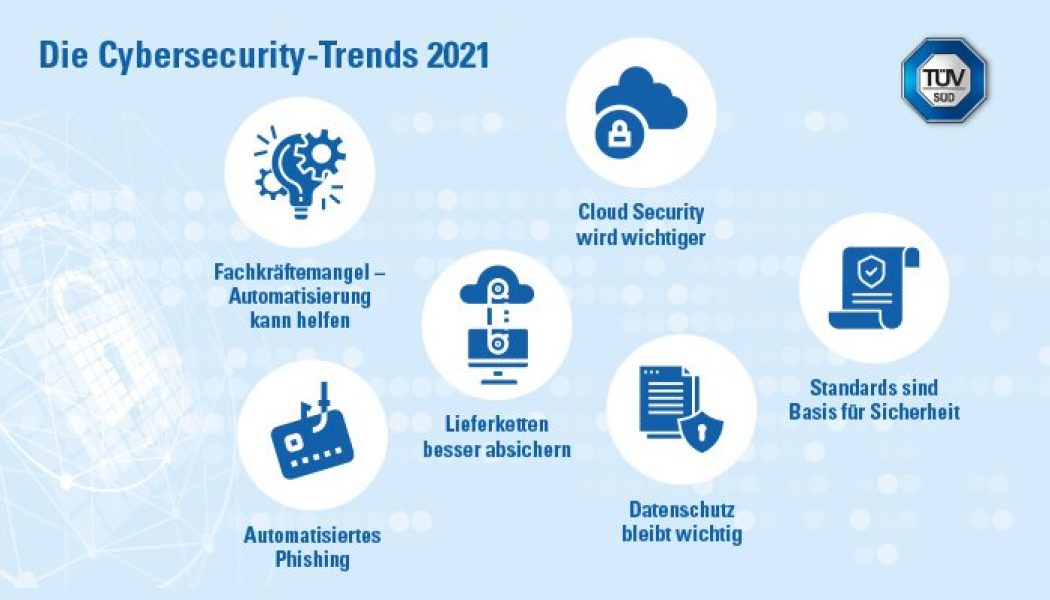

3 Cybersecurity Trends for 2021
Sourced from International IDEA In 2020, there were many rapid changes on a global scale as organizations across the world attempted to adapt to a new normal caused by the pandemic. Amid this shift, there were significant developments seen across the cyberthreat landscape. Going into 2021 and beyond, we face another significant shift with the rise of new intelligent edges, which is about more than just end-users and devices remotely connecting to the network. The intelligent edge is a target Over the past few years, the traditional network perimeter has been replaced with multiple edge environments, WAN, multi-cloud, data centre, remote worker, IoT, and more, each with its unique risks. One of the most significant advantages to cybercriminals in all of this is that while all of these edges...


Facebook Launches JoziPlug – a Community City Guide
Facebook has officially launched JoziPlug – its first Community City Guide on the African continent. The Johannesburg edition of the initiative has been compiled and co-created by local Facebook Groups featuring unique and inspiring content about the city. The JoziPlug is aimed at showcasing Johannesburg’s “hidden attractions to visitors and members of the local community whilst supporting small businesses with their economic recovery” in the wake of the COVID-19 pandemic. Since March 2020, more than 1.5 million people became new members of a group related to the city of Johannesburg. The guide compiles “the best tips and recommendations to some of the city’s local attractions, known and unknown through the eyes of these locals”. Themed around exploring hidden attractions and ‘plugging’ pe...


How COVID-19 has Changed the Shape of African Cybersecurity
Sourced from IDG Connect The COVID-19 pandemic has fundamentally changed how people live, work and approach security. According to the 2020 KnowBe4 African Report – which collated insights from across South Africa, Kenya, Nigeria, Ghana, Egypt, Morocco, Mauritius and Botswana – found that attitudes and behaviours had shifted as a result of the pandemic, but problem pockets of risk remain that need to be addressed in order to ensure both business and individual security. “Nearly 50% of the respondents will continue to work from home; 24% indicated that they were affected by cybercrime while working from home, and only 30% believed that their governments prioritised cybersecurity in their policies,” says Anna Collard, SVP of content strategy at KnowBe4 Africa. “This year, respondents were ev...
