

IT News


HMI – How People, Processes and Technology Work Together
When embarking on an industrial digitisation project, it’s important to consider how people, processes, and technology will work together. These three considerations are integrated in a somewhat symbiotic manner, which is why each should function optimally and compliment the other. A good example is IIoT; the technology promises secure access to a lot of data but is this data providing the right insight to people as opposed to burying them under a heap of information? Also, how do you ensure insights are delivered to workers whenever and wherever they need them, such as on the plant floor where they are working around production equipment. HMIs and Industrial Automation Enter Human-Machine Interfaces (HMIs); a technology developed to replace hard-wired pushbuttons and indicator lights with...


Microsoft Edge is Getting a Free VPN – Everything We Know
We use cookies on our website to give you the most relevant experience by remembering your preferences and repeat visits. By clicking “Accept All”, you consent to the use of ALL the cookies. However, you may visit “Cookie Settings” to provide a controlled consent.

Safaricom to Start Hiding Identity of Subscribers on Lipa na M-Pesa
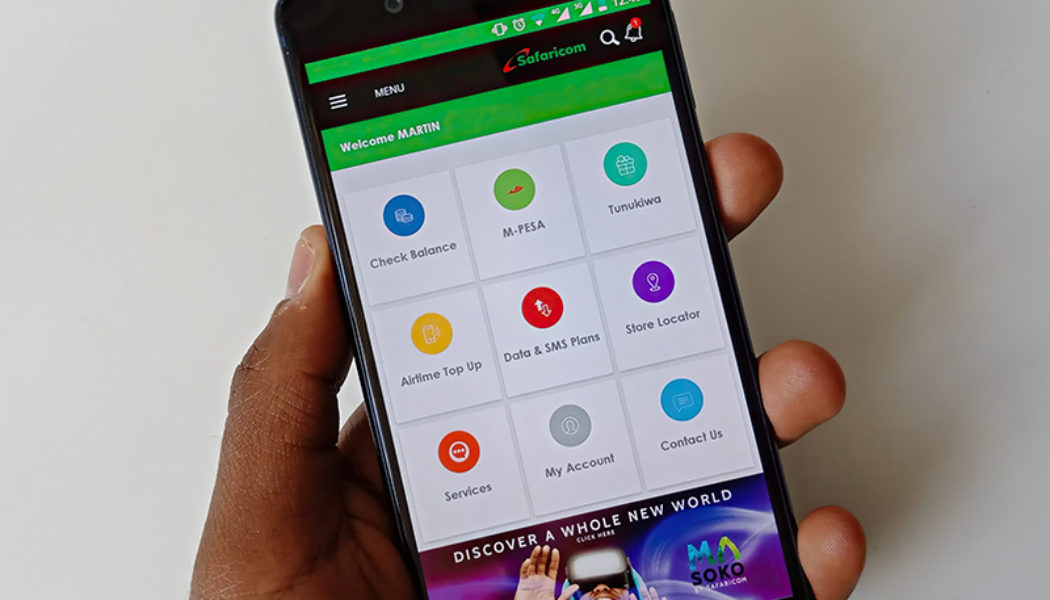
Sourced from Tech Weez. Safaricom will start hiding contact details of customers making payments through Lipa na M-Pesa at the end of June to curb trade and leaking of personal information to advertisers and fraudsters. “Pursuant to the Data Protection Act 2019 which came into law on 25th November 2019, Safaricom will be changing how they share data with Lipa Na M-Pesa Partners in general,” says Safaricom, East Africa’s largest telecom group, about its new privacy shift. According to Business Daily, the telco will only display the first name of subscribers who are making payments through the platform and a few digits of their phone number. Safaricom seems to be adopting the same model as the one used by banks in Kenya, in line with the data protection law, which was enacted in 2019 to prot...


4 Things You Need to Know Before Choosing the Perfect Laptop
We use cookies on our website to give you the most relevant experience by remembering your preferences and repeat visits. By clicking “Accept All”, you consent to the use of ALL the cookies. However, you may visit “Cookie Settings” to provide a controlled consent.

MTN Drives Rural Expansion with 39M Injection in Eastern Cape, SA
MTN SA has today announced that it is investing $39.1-million (R624-million) into the Eastern Cape province of South Africa to drive upgrades and deploy new network infrastructure across the region this year. The company says it is focusing on launching 5G and connectivity services, especially in rural areas. This latest cash injection falls as part of MTN’s “Modernisation of Network South Africa project” (MONZA) project. Last month, the telco invested nearly $57-million in rural Limpopo in the North of South Africa. MTN says this latest investment will expand network reach into rural communities, drive 5G expansion and work to restore vandalised network infrastructure. “We are working across the country to modernise the entire MTN network. Just over 68% has already been completed national...


Gijima Appoints New Group Managing Executive
We use cookies on our website to give you the most relevant experience by remembering your preferences and repeat visits. By clicking “Accept All”, you consent to the use of ALL the cookies. However, you may visit “Cookie Settings” to provide a controlled consent.

Telegram Introduces Option to Send Cryptocurrency
We use cookies on our website to give you the most relevant experience by remembering your preferences and repeat visits. By clicking “Accept All”, you consent to the use of ALL the cookies. However, you may visit “Cookie Settings” to provide a controlled consent.


Facebook to Shut Down Podcast Services on its Platform
We use cookies on our website to give you the most relevant experience by remembering your preferences and repeat visits. By clicking “Accept All”, you consent to the use of ALL the cookies. However, you may visit “Cookie Settings” to provide a controlled consent.

SA’s Zapper Launches Tap-On-Phone Payments
We use cookies on our website to give you the most relevant experience by remembering your preferences and repeat visits. By clicking “Accept All”, you consent to the use of ALL the cookies. However, you may visit “Cookie Settings” to provide a controlled consent.

6 of the Best Android Password Managers to Keep Your Device Safe
Nearly everything you use on your phone needs a password—from online banking and social media to productivity tools and e-commerce websites. It’s wise to have strong and different passwords for each service you use to protect yourself from breaches of your personal data. However, remembering multiple passwords made up of long strings of upper and low case letters, numbers and special characters is far from simple. That’s where password managers are a great help. They make it easy for you to create strong, unique passwords for each service you use and change them as often as you want. They streamline the process of signing in; plus, some have value-added features like secure access to credit card information. For World Password Day on 5 May 2022, Alcatel recommends 6 password managers for A...

How Hackers Get Your Passwords & How to Defend Yourself
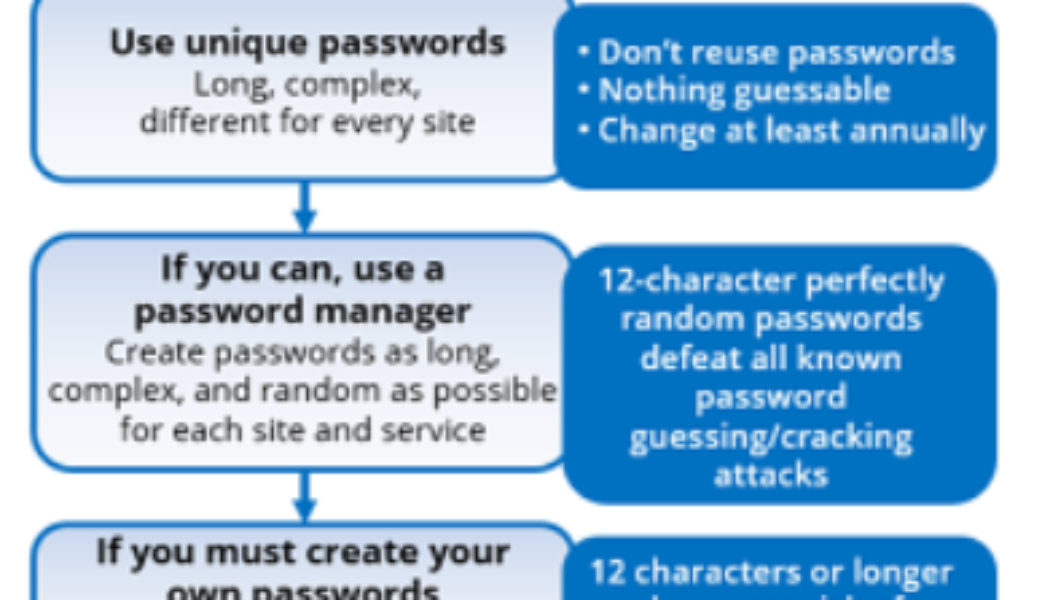
Sourced from Travellers Despite the world’s best efforts to get everyone off passwords and onto something else (e.g., MFA, passwordless authentication, biometrics, zero trust, etc.) for decades, passwords have pervasively persisted. Today, nearly everyone has multiple forms of MFA for different applications and websites AND many, many passwords. The average person has somewhere between three to seven unique passwords that they share among over 170 websites and services. And, unfortunately, those passwords often get stolen or guessed. This is why I recommend the following password policy guide: Most computer security experts agree with these policy recommendations, but more than a few readers might be shaking their heads, especially at the recommendations to use 20+ character passwords/pass...


Which African Country Will Adopt Bitcoin as Legal Tender Next?
We use cookies on our website to give you the most relevant experience by remembering your preferences and repeat visits. By clicking “Accept All”, you consent to the use of ALL the cookies. However, you may visit “Cookie Settings” to provide a controlled consent.
