

Kaspersky


These Are the Cyber Dangers Still Faced by SA’s SMEs
Image sourced from Pixabay Internet security provider Kaspersky says that small to medium-sized enterprises (SMEs) and other small businesses in South Africa are still facing many threats from cyber criminals and threat actors. What’s worse is that many small business owners do not use or believe it important to use cybersecurity services to secure their businesses. As commerce is moving ever continually online, this disregard for IT security continues to be exploited by cybercriminals. Kaspersky researchers assessed the dynamics of attacks on small and medium-sized businesses between January and April 2022 and the same period in 2021, to identify which threats pose an increasing danger to entrepreneurs. Cyber Threats Still Being Faced by SMEs in South Africa: In 2022, the number of Trojan...


Kaspersky Launches Online Ransomware Response Training Course
Sourced from Hypertext Kaspersky, the Russia-based, self-styled independent cybersecurity and online safety provider, has today announced the launch of a new Windows Incident Response training course. This is in order to offer in-house cybersecurity teams and InfoSec professionals an opportunity to expand their analytical skills in the incident response domain, especially in the midst of a ransomware attack. The entire course can be completed online. According to the recent global Kaspersky survey conducted among senior non-IT management and business owners, 73% of firms can’t handle a ransomware attack alone or with the help of regular IT service providers. Over recent years the lack of skilled technical staff who can detect and respond to complex incidents, along with a lack of visibilit...


Ukraine War Leads to Largest Ever Spike in DDoS Attacks – Kaspersky
Image sourced from Packetlabs. According to Russian cybersecurity group Kasperksy, compared to Q1 2021, the number of Distributed Denial of Service (DDoS) attacks in Q1 2022 rose 4.5 times with a considerable number of the attacks likely to be the result of hacktivist activity. Kaspersky says it operates independently from the Russian government, even as its antivirus software is being investigated in Europe. The firm continues that the attacks also showed an unprecedented duration for DDoS sessions, particularly those aimed at state resources and banks. Further information has been included in a report issued by Kaspersky. DDoS Attacks Distributed Denial of Service (DDoS) attacks are designed to interrupt network resources used by businesses and organisations and prevent them from functio...

How to Be Safe From the “Reset Password” Email Scam
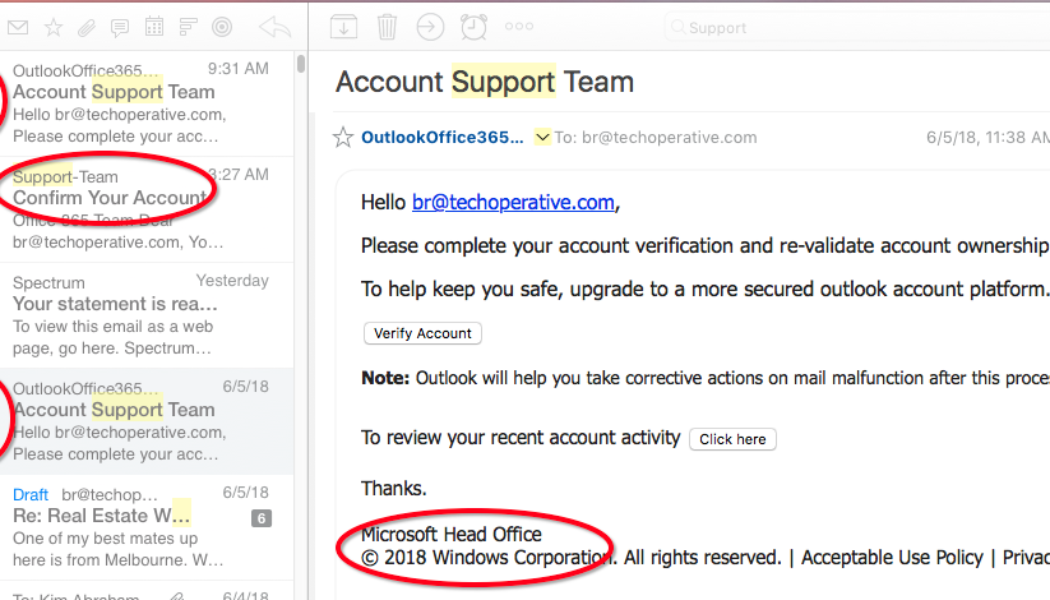
Image sourced form Broad Media Most online services have built-in security systems that alert employees when the systems detect “unusual” activity on their accounts. For example, legitimate email services or similar will send notifications about attempts to reset the phone number and e-mail address linked to the account, or the password. Of course, as soon as such messages became commonplace, enterprising cybercriminals tried to imitate this mechanism to attack corporate users. As cyberattacks rely on the human factor more often each year, and as cybersecurity technologies progress, such tricks are becoming more and more common and are being registered in multiple mailouts around the world. The scenario is usually as follows: if it’s a public online service attacker it will usually make ev...


6 Common Cybersecurity Mistakes Made by Startup Companies
Image sourced from Pixabay Some of the most successful companies today began their journey as startups. They usually start with a brilliant idea or a new technology that promises to solve a problem to rethink the way we do business. The African region is no stranger to startups, where reports suggest that African startups raised near $5 billion in total estimated funding from 740 deals last year, predominantly in tech startups. This is more than a 250% increase from the $1.3-billion estimated total funding raised in 2020. Startup owners often draw attention to issues of business planning, marketing strategy, and attracting additional investment, but do not address the need to build a solid cybersecurity system. The lack of a clear understanding of threats can cost a startup a potentially s...


Massive Increase in DDoS Attacks Observed – Record Numbers Reached
Image sourced from Shutterstock. Compared to Q3 2021, the total number of Distributed Denial of Service (DDoS) attacks in Q4 shows an increase of 52%. This is 4.5 times more than the same time the previous year. These and other findings were published in the new Kaspersky DDoS attacks in Q4 2021 report. What are DDoS Attacks? Distributed Denial of Service (DDoS) attacks pose a huge threat to businesses and organisations that provide online services. During such an attack, cybercriminals send multiple requests to the attacked web resource with the aim of exceeding the website’s capacity to handle multiple requests and prevent the website from functioning correctly. These attacks may last several days, causing huge disruptions for organisations. From October to the end of December 2021, Kasp...

Banking Malware Attacks Are “Becoming Increasingly Corporate” says Kaspersky
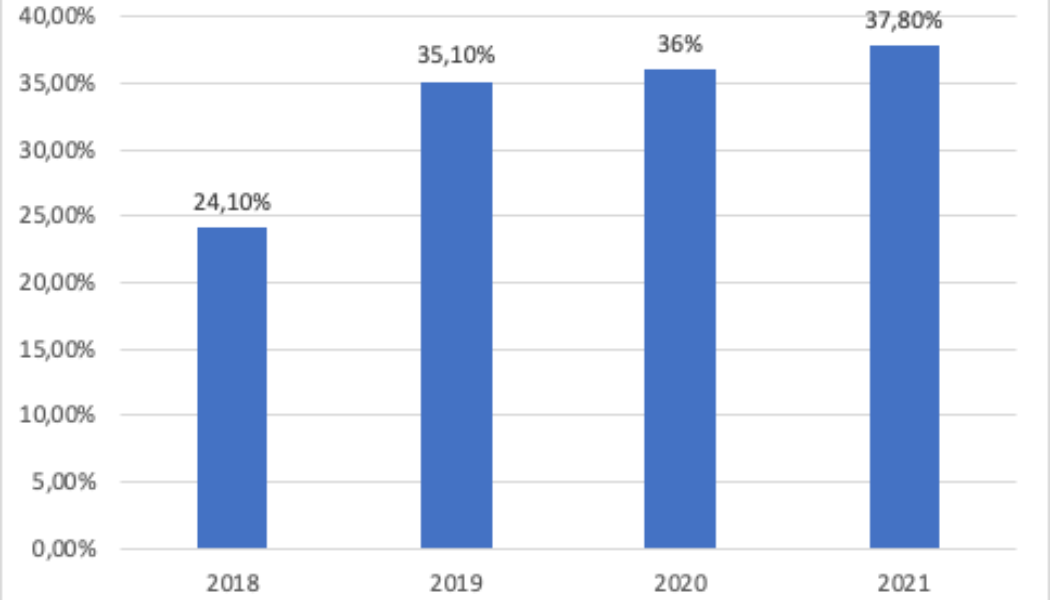
Image sourced from Finance Times. In 2021, the financial threats landscape witnessed positive changes where the overall number of users affected by malware reduced significantly, including a 35% drop in PC malware. Still, financial organisations, as cybercriminals’ most lucrative targets, continue to face massive threats. According to Kaspersky’s new Financial cyberthreats in 2021 report, attacks are becoming increasingly corporate rather than consumer-focused. In 2021, every third (37.8%) PC banking malware attack targeted corporate users, representing a growth of almost 14% since 2018. While 2021 saw an expansion in threats to financial organisations on a global scale, there was a continuation of the downward trend of PC and mobile malware previously seen in 2020. In fact, the numbe...


Kaspersky, Scuderia Ferrari extend partnership
Eugene Kaspersky (CEO Kaspersky) and Benedetto Vigna (CEO Ferrari) Leading global cybersecurity company, Kaspersky, has announced the continuation of its partnership contract with Scuderia Ferrari. In addition, the company joins a lineup of partners for the Ferrari Esports FDA team competing in the world Esports Series. The iconic partnership between Kaspersky and Scuderia Ferrari started in 2010 and since then has expanded year-on-year. United by shared values, including technological excellence, teamwork, and passion for innovation, the companies have been able to build a strong and proven relationship, including a technological partnership. Kaspersky provides Ferrari with world-class cybersecurity and data protection 24/7, at every point – from the company’s HQ factory in Maranello, Ita...

Mass spyware campaign unveiled
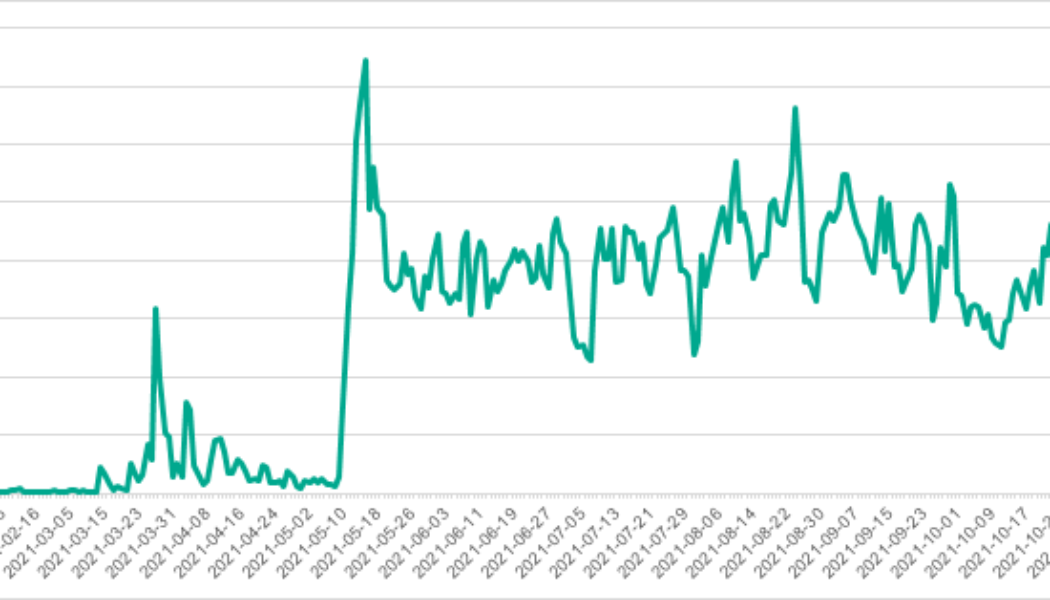
Mass spyware campaign targets thousands of ICS computers around the world, Kaspersky From the 20th of January to the 10th of November 2021, Kaspersky experts uncovered a new piece of malware that has targeted more than 35,000 computers across 195 countries. Dubbed “PseudoManuscrypt” for its similarities with the advanced persistent threat (APT) group Lazarus’ Manuscrypt malware, this new malware contains advanced spying capabilities and has been seen targeting both government organisations and industrial control systems (ICS) across numerous industries. Industrial organisations are some of the most coveted targets for cybercriminals – both for financial gain and intelligence gathering. In fact, 2021 saw significant interest in industrial organisations from well-known APT groups like Lazaru...


Watch out for this credential-stealing Microsoft Exchange add-on
Image sourced from Discover Germany Kaspersky has uncovered a previously unknown IIS module (a piece of software aimed at providing additional features to Microsoft web servers) they have since dubbed Owowa that steals credentials entered by a user when logging into Outlook Web Access (OWA); it also allows the attackers to gain remote control access to the underlying server. Compiled sometime between late 2020 and April 2021, this module is a stealthy theft method that is difficult to detect with network monitoring. It’s also resistant to software updates from Exchange, meaning it can stay hidden on a device for a long time. In 2021, advanced threat actors were increasingly exploiting vulnerabilities of Microsoft Exchange Server. In March, four critical vulnerabilities in the servers allow...


A North Korean Cyber Espionage Group Was Active in SA – New Report
Image sourced from Feed Navigator. Kaspersky researchers have disclosed details of its latest threat intelligence reports on South Africa, including the cybersecurity firm’s analysis of APT groups in the country – major threat actors hunting for sensitive information and finances. The company’s telemetry has demonstrated that throughout 2021 entities in South Africa faced attacks from North Korean group Lazarus and Chinese speaking group CloudComputating. Advanced persistent threats (APTs) are typically, according to Kaspersky, a nation-state or state-sponsored group of extremely stealthy high-level threat actors. In the vast majority of cases, they attack strategically important organisations with a goal of cyberespionage and, in rarer cases, financial gain, since the cost of their cybera...


Targeted Malware is Raging Across South Africa, Kenya & Nigeria
According to the latest research of internet security firm Kaspersky on threat landscape trends, South Africa, Kenya and Nigeria are facing dramatic changes in the landscape. While regular, self-propagating malware is decreasing dramatically, as it is no longer effective and cannot fly under security radars, the region will see the growth of new cybercrime models in the upcoming year. While comparing the overall number of mass cyberattacks in 2021, security researchers at Kaspersky noticed a 7,5% decrease in Nigeria, a 12% decrease in South Africa and an unprecedented 28,6% decrease in Kenya. The reason for such a change was the introduction and popularisation of new cybercrime models in the region, with cybercrime tools becoming more targeted along with a long-running trend where malware ...
