

Kaspersky
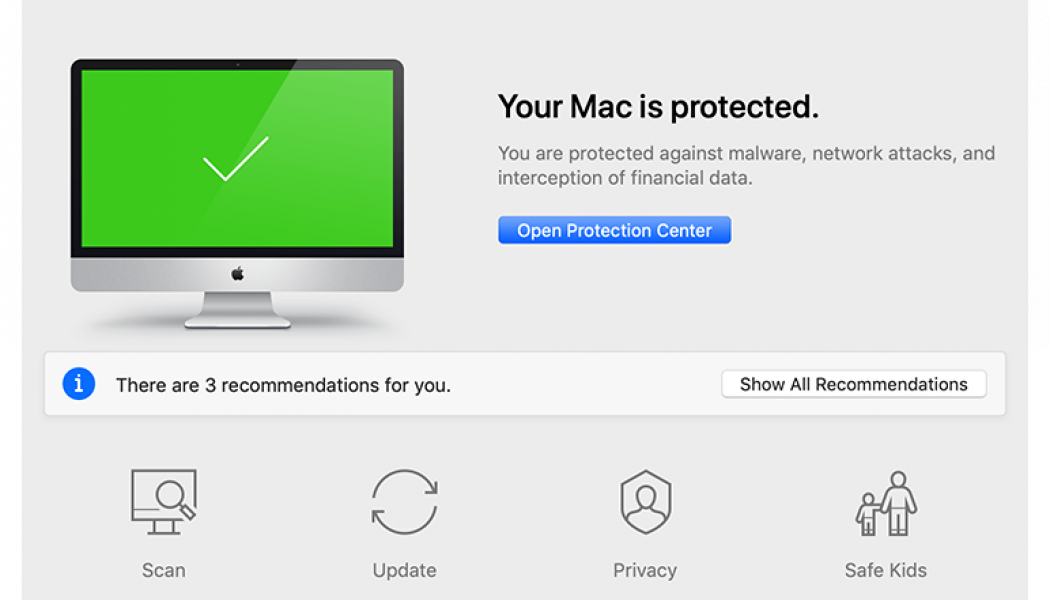

Kaspersky Updates VPN Solution for Mac’s
Image sourced from Kaspersky Kaspersky has released its VPN Secure Connection to run natively on Macs powered by M1. This comes at a time when the use of Virtual Private Networks (VPNs) has significantly grown due to an increase in remote working. Understanding the need for privacy when exploring the web, Kaspersky says it is constantly updating its solutions to work smoothly with the most innovative platforms, by developing native support for the newest hardware. Apple’s powerful M1 system on chip (SoC) delivers improved performance and efficiency to Mac users. And with the VPN Secure Connection, users can enjoy best-in-class speed while transferring data over a secure VPN tunnel, keeping their online activity private, and hiding their IP address and location. They can conn...


Is the Clubhouse App Safe to Use?
Image sourced from Daily Express Clubhouse has become a wildly popular app across the world. The invitation-only audio-chat platform appears to be a reflection of the growing interest in sound-based products with the recent rebound of the podcast. Kaspersky researchers believe that the app can create a false sense of security, privacy, and closeness, in part because of how its registration works (it’s invitation-only at the moment). This creates several risks for the users, which are important to be aware of when using any public space on the Internet. One of the risks is privacy risks. This is often connected with the fact that people feel they are surrounded by like-minded individuals and friends, which allows them to behave more authentically than they would in front of strangers....


4 IT Security Tips for Businesses in 2021
Sourced from Forbes A shift to remote work, financial constraints due to economic recession and the growth of cyber threats due to the global pandemic will affect the day-to-day role of cybersecurity professionals in 2021. Understanding the challenges but also perceiving opportunities in IT and IT security management is key for companies to maintain their protection. The recent Kaspersky report, “Plugging the gaps: 2021 corporate IT security predictions” suggests advice for each role related to cybersecurity, including CEOs or business owners, CISOs, SOC team leads and IT managers. Here are four of the main trends: Protecting the perimeter is no longer enough – home office assessment and certification will be needed. There should be tools to scan the level of security in a workplace – from...


Why Now is the Right Moment to Explore Innovations
In 2020, there was a meme on LinkedIn with a poll asking who leads digital transformation in your company. Surprisingly, the choice was not a CEO or top manager, but COVID-19. This picture perfectly illustrates how at the beginning of the pandemic many companies were forced to urgently implement new technologies or rebuild their business model to survive. But today, when many countries are experiencing a second wave of the virus and implementing social distancing restrictions again, new questions arise. Should companies invest in long-term innovations in such an uncertain and difficult period? Or wouldn’t it be better to focus on the core business and save capital on costly investments until more stable times return? In the European Summer of 2020 we, with the help of independent research ...


Top 3 IT Security Threats in Africa
Sourced from IDG Connect There’s been an overall decrease in certain malware cases across sub-Saharan Africa, according to Kaspersky research. However, the human cyber threat remains rife and Africa is not immune to the evolving techniques of Advanced Persistent Threats (APTs), as well as the possibilities of being a future target of hacking-for-hire threat actor groups. Kaspersky research has found that globally, APT groups are evolving their techniques and are upgrading their toolset to continue stealing sensitive information. Furthermore, there has been a rise of hackers-for-hire or cyber mercenaries during the first two quarters of 2020. In fact, three cyber mercenary groups have been exposed across the world this year alone. As this activity has taken place outside of Africa, it’s sus...


How Cybercriminals are Using the PS5 to Scam Internet Users
Cybercriminals are becoming more and more interested in the PlayStation 5, according to research from Kaspersky. In the period of July – September 2020, almost 150 suspicious web resources around the world included the word ‘PlayStation’ in their names. The phishing websites were mainly offering the chance to pre-order PlayStation 5 by leaving a prepayment or personal information. On some sites, it was supposedly even possible to purchase a console at a reduced price. There were also resources where the previous version of the console – PlayStation 4 – was on offer for much lower prices, with the major discounts attributed to the release of PS5. “We want to remind users that if something looks too good to be true on the Internet, then it’s most probably a scam,” says Tatyana Sidorina,...


South Africa, Kenya and Nigeria Suffer 28 Million Malware Attacks
Sourced from IDG Connect More than 28 million malware attacks have been recorded in South Africa, Kenya and Nigeria so far this year, according to research from Kaspersky, as well as 102 million detections of ‘grey zone’ software or potentially unwanted programs (PUAs). PUAs are programs that are usually not considered to be malicious by themselves. However, they are generally influencing user experience in a negative way. For instance, adware fills user device with ads; aggressive monetising software propagates unrequested paid offers; downloaders may download even more various applications on the device, sometimes malicious ones. While calculating interim results of threat landscape activity in African countries, the researchers noticed that PUAs attack users almost four times more often...


Spyware is Distributed Under the Guise of Android Apps
Sourced from Republic Title A new kind of Android spyware has been distributed by Transparent Tribe, a prolific APT group, under the guise of official COVID-19 applications – according to Kaspersky researchers. The threat actors have capitalised on the pandemic to extend their operations and infect mobile devices. Recent findings show that the group has been actively working on improving its toolset and expanding its reach to include threats to mobile devices. During the investigation, Kaspersky was able to find a new Android implant used by the threat actor to spy on mobile devices in attacks, which was distributed as fake national COVID-19 tracking apps. The connection between the group and the two applications was made thanks to the related domains that the actor used to host malic...


South Africa Ranked as Most Targeted Country in Africa, Cybersecurity Research Shows
Sourced from IDG Connect Phishing is one of the oldest and most flexible types of social engineering attacks. It is used in many ways, and for different purposes, to lure unwary users to fake sites and trick them into entering personal information. The latter often includes financial credentials such as bank account passwords or payment card details, or login details for social media accounts. In the wrong hands, this opens doors to various malicious operations, such as money being stolen or corporate networks being compromised. This makes phishing a popular initial infection method. According to Kaspersky, phishing attacks are becoming increasingly more targeted. A number of new tricks have also been found – from HR dismissal emails to attacks disguised as delivery notifications. As a res...


Kaspersky Extends Reach to West Africa
Kaspersky has partnered with Pan-African distributor company, First Distribution, to expand its security software portfolio into West Africa. First Distribution currently distributes Kaspersky in Southern Africa and East Africa. The addition of the new territory means it now covers the full region for non-Francophone sub-Saharan Africa. Kaspersky is a global cybersecurity company founded in 1997. Kaspersky’s deep threat intelligence and security expertise is said to be constantly transforming into security solutions and services to protect businesses, critical infrastructure, governments and consumers around the globe. The company’s comprehensive security portfolio includes leading endpoint protection and a number of specialised security solutions and services to fight sophisticated and ev...


What Preinstalled Adware Means for Mobile Users
Following analysis of attacks on mobile devices, cybersecurity researchers at Kaspersky have uncovered that 14.8% of its users who were targeted by malware or adware in 2019 suffered a system partition infection, making the malicious files undeletable. Moreover, pre-installed default applications also play a role here: depending on the brand, the risk of undeletable applications varies from one to five per cent in low-cost devices and goes up to 27% in extreme cases. A system partition infection entails a high level of risk for the users of infected devices, as a security solution cannot access the system directories meaning it cannot remove the malicious files. According to Kaspersky researchers, this type of infection is becoming a more common way to install adware – software creat...
