

POPIA


PoPIA Deadline Extended – Information Officer Registration Portal Broken
After a series of technical glitches with the Information Regulator’s registration portal for information officers looking to achieve compliance with the PoPI Act, the 1 July 2021 compliance deadline has been scrapped. In a statement released on Tuesday, the Information Regulator said that this decision is also based on numerous concerns raised by responsible parties regarding the registration process. “The regulator is currently looking into alternative registration processes and will communicate this in due course. We understand that our portal malfunctioning has caused a lot of anxiety and panic and for that, we really do apologise,” Information Regulator chair Pansy Tlakula said. Deadline Extended by 1 Year With this, the regulator has extended the applications for prior authorisation ...


SA Schools May Face Penalties for PoPIA Non-Compliance
Image sourced from Business Tech. /* custom css */ .tdi_4_b41.td-a-rec-img{ text-align: left; }.tdi_4_b41.td-a-rec-img img{ margin: 0 auto 0 0; } With the third wave of COVID-19 crashing upon South Africans and amidst increasing calls for schooling to be temporarily suspended, it could prove helpful for educational institutions across the country to use the time away from teaching to put some focus into protecting their data privacy. Schools and other tertiary institutions store and process more personal information than most other organisations, they are by far the most affected by the Protection of Personal Information Act, No 4 of 2012 (PoPIA), which comes into effect on 1 July 2021. PoPIA Applies to Schools, Universities /* custom css */ .tdi_3_cab.td-a-rec-img{ text-align: left; }.tdi...


Cybersecurity Is More than A Tech Problem – It’s a Business Problem Too
Image sourced from Finance Times. A concerning number of South African companies are not prepared for the inevitability of a cyberattack despite the significant financial and reputational risks, according to Ryan Mer, MD, eftsure Africa, a Know Your Payee (KYP) platform provider. “Too few senior managers view cybersecurity as a business problem and not just a technology problem,” he says. “The reality is cybersecurity is very much a business consideration. CEOs and CFOs will eventually face critical questions such as: How much money do we spend on cybersecurity? Do we change key processes? How do we create awareness and change company culture? Do we put security ahead of operational functionality? What is the role of internal processes and staff on data security and integrity?.” Mer adds t...

6 Urgent Steps Companies Need to Take to Ensure POPIA Compliance
Sourced from Europa EU. The eleventh hour is upon businesses who are not POPIA (Protection of Personal Information Act) compliant. The effective date of 1 July is upon us. Your business should have already started its compliance journey, as it will at least help lessen the risk of cybersecurity breaches. Securing your data will help your business be in good standing with local and international partners. This will also enhance the reputation of your business and exempt you from fines and non-compliance. Here are six steps your business can take before 01 July to be POPIA compliant: 1. Encrypt Everything One of the major requirements under POPIA is to ensure that you apply Generally Accepted Information Security Protocols. While these requirements are not the same for all organisations, som...

What is POPIA and What Does it Mean for Cybersecurity
With an inundation of information from all angles regarding The Protection of Personal Information Act (POPIA), and the 1 July commencement date quickly approaching, organisations could be forgiven for feeling more than a little overwhelmed. Emmanuel Tzingakis, Technical Lead for Trend Micro Sub-Saharan Africa, contemplates how POPIA can assist organisations to secure their data and be better enabled to handle any potential cyber threats. What is POPIA? With personal information becoming a hot commodity on the dark web it is critical to understand exactly how to protect data from cybercriminals. A recent global survey revealed that 79% of organisations experienced disruptions, financial loss or other setbacks due to a lack of cyber preparedness in 2020. As work from home strateg...


Cybersecurity and Data Protection Laws Urgently Needed Across Africa
The pandemic has driven home the high value of personal data to the global economy, while also highlighting its vulnerability to abuse and attack. In response, governments around the world have been reviewing their data privacy and protection laws and regulations, including in South Africa and Ghana. Global cybersecurity firm Kaspersky recently noted that cyberattacks are set to rise in African countries, especially in the key financial centres of South Africa, Kenya and Nigeria. The cybersecurity firm noted that rapidly evolving digital techniques had led to an increased risk of Advanced Persistent Threats and hacking-for-hire events in Africa. South Africa In South Africa, the Cybercrimes and Cybersecurity Act was signed into law by South African President Cyril Ramaphosa in early June 2...

5 Ways to Ensure Your Organisation is POPIA Compliant
Sourced from Europa EU. On 1 July, the grace period for compliance with the Protection of Personal Information Act (POPIA) will come to an end. That means organisations found to be in breach of the act will be liable for fines and even criminal persecution. Given the long lead up to POPIA’s implementation, most organisations should be compliant by now. However, the flurry of activity when the European Union’s General Data Protection Regulation (GDPR) grace period came to an end in 2018 shows that this won’t necessarily be the case. And while POPIA will affect most organisations, it’s pivotal that they pay extra care when ensuring that they’re POPIA compliant. Here are five ways to do just that: Understand the data you deal with You cannot hope to adequately protect customer data in li...
How to Tell if Your Website is POPIA Compliant
Sourced from Europa EU. /* custom css */ .tdi_3_e89.td-a-rec-img{ text-align: left; }.tdi_3_e89.td-a-rec-img img{ margin: 0 auto 0 0; } The Protection of Personal Information Act (POPIA) and the General Data Protection Regulation (GDPR) have a significant impact on websites and other digital platforms like social media, email marketing and eCommerce activities. Businesses have until 1 July 2021 to comply and to make their websites compliant. POPIA and GDPR are data privacy laws that affect all business websites that collect data. The regulations are there to protect the online privacy of visitors and it covers how personal data is used and extracted when users visit and interact with a website. Websites collect information in various ways and if a site uses analytics, opt-in forms, WordPre...

Why CEO’s Shouldn’t Take on the Role of CIO
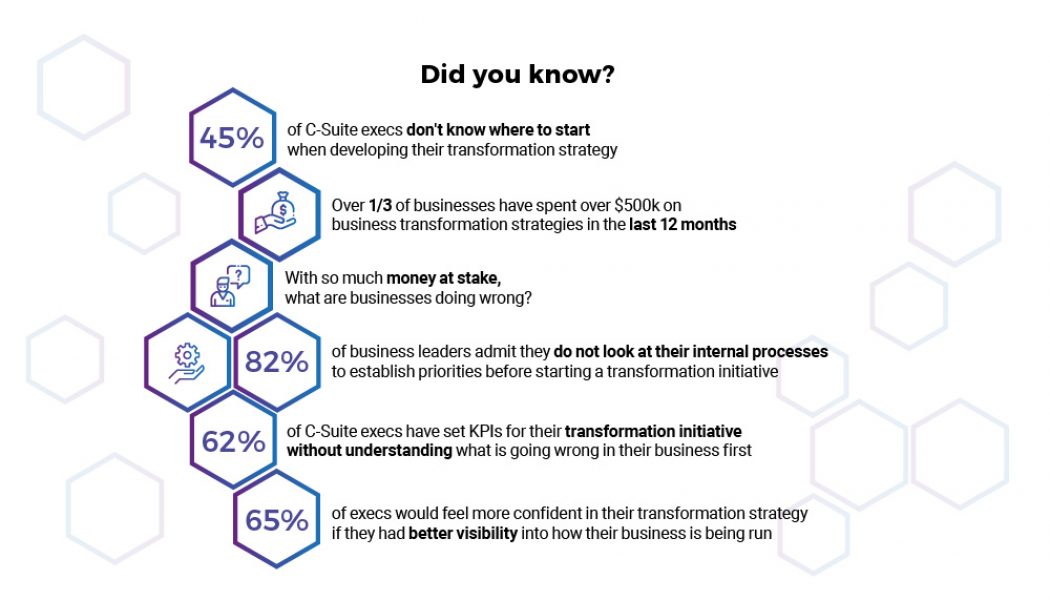
The heads of medium to large organisations have a very specific and all-embracing role to play. Peter Drucker, modern business futurist, said it best in 2004: “The CEO is the link between the Inside that is ‘the organisation,’ and the Outside of society, economy, technology, markets, and customers.” It’s a wide-angle lens role that is bestowed on CEOs while everyone else in the organisation applies a much narrower focus in one direction, for the most part, according to the Harvard Business Review. In a medium to large organisation, the CEO does not get involved with the day-to-day operations of the organisation. This is a responsibility shared (among others) by the Chief Operating Officer (COO), the Chief Financial Officer (CFO) the Chief Information Officer (CIO) and the Chief Technology ...


6 Ways to Improve Your POPIA Readiness
When it comes to POPIA compliance readiness, only 30% of South African organisations believe they are well-prepared – according to the KnowBe4 online data protection survey. To make sure your company is ready, Anna Collard, SVP Content Strategy and Evangelist KnowBe4 Africa, has shared six things that you can do: 1. Education and Awareness Should be a Top Priority “Education and awareness should be a top priority for organisations as we approach the POPIA deadline,” she says. “This is critical at every level of the business, from top management down to every person who works at the organisation. Everyone has to be aware of their responsibilities with regards to handling personal information and their roles when it comes to the safeguarding of personal information.” People unfortunatel...


How Cloud Migration can Boost Data Management
Sourced from InfoWorld. As cloud migrations accelerate, the need for effective backup and recovery becomes increasingly clear. This is also driven by compliance, with legislation such as the Protection of Personal Information Act (PoPIA) regulating the governance of data. With the PoPIA deadline, 1st of July 2021, becoming a reality, many businesses are trying to make sure they comply with all sections of the regulations. However, merely ticking a box for compliance can lead to challenges down the line. Data management impacts vary from company to company, and there is no such thing as a one-size-fits-all approach. With data regarded as a valuable asset, organisations need to understand what data they have, where it resides and of what importance it is. The process of migrating to the clou...
