

Renewable Energy South Africa

SA Load Shedding: Eskom Turns to Asia for Battery Power
We use cookies on our website to give you the most relevant experience by remembering your preferences and repeat visits. By clicking “Accept All”, you consent to the use of ALL the cookies. However, you may visit “Cookie Settings” to provide a controlled consent.

Amazon’s First Solar Project in SA Finally Begins Adding Clean Energy to Grid
We use cookies on our website to give you the most relevant experience by remembering your preferences and repeat visits. By clicking “Accept All”, you consent to the use of ALL the cookies. However, you may visit “Cookie Settings” to provide a controlled consent. You Deserve to Make Money Even When you are looking for Dates Online. So we reimagined what a dating should be. It begins with giving you back power. Get to meet Beautiful people, chat and make money in the process. Earn rewards by chatting, sharing photos, blogging and help give users back their fair share of Internet revenue.

4 Things You Should Know About Virtual Power Plants
We use cookies on our website to give you the most relevant experience by remembering your preferences and repeat visits. By clicking “Accept All”, you consent to the use of ALL the cookies. However, you may visit “Cookie Settings” to provide a controlled consent. You Deserve to Make Money Even When you are looking for Dates Online. So we reimagined what a dating should be. It begins with giving you back power. Get to meet Beautiful people, chat and make money in the process. Earn rewards by chatting, sharing photos, blogging and help give users back their fair share of Internet revenue.


Why the Data Centre Industry Needs to Embrace Renewable Energy
Sourced from Shutterstock While investment in digital infrastructure is certainly a win for economic growth in South Africa and Africa as a whole, as is the investment in new data centres, this vital infrastructure needs substantial amounts of energy to function. In fact, it is estimated that data centres could consume a fifth of global electricity by 2025 and create 14% of carbon emissions by 2040. Data centres play a crucial role in today’s ever-accelerating Information Age – as the backbone of the digital economy and the very foundation of the world wide web, they are key to creating a platform for growth and encouraging investment in Africa. There have been several factors driving the demand for data centre infrastructure in South Africa and across the continent, includi...

New Renewables Offer Energy Security for SA’s Beleaguered Economy
Sourced from Saur Energy. /* custom css */ .tdi_4_bb6.td-a-rec-img{ text-align: left; }.tdi_4_bb6.td-a-rec-img img{ margin: 0 auto 0 0; } In a bold move last year, the South African government launched an emergency energy procurement plan with a view to relieve the current energy crisis and limit load-shedding. The shortfalls are currently partially alleviated, however at great expense, as there is extensive use of diesel-based open cycle gas turbines. Such fossil-fuel-based contingencies undermine our ability to reduce carbon emissions, curb global warming, and achieve sustainable development. /* custom css */ .tdi_3_b0f.td-a-rec-img{ text-align: left; }.tdi_3_b0f.td-a-rec-img img{ margin: 0 auto 0 0; } Dubbed the Risk Mitigation Independent Power Producer Procurement Program (RMIPPPP), t...
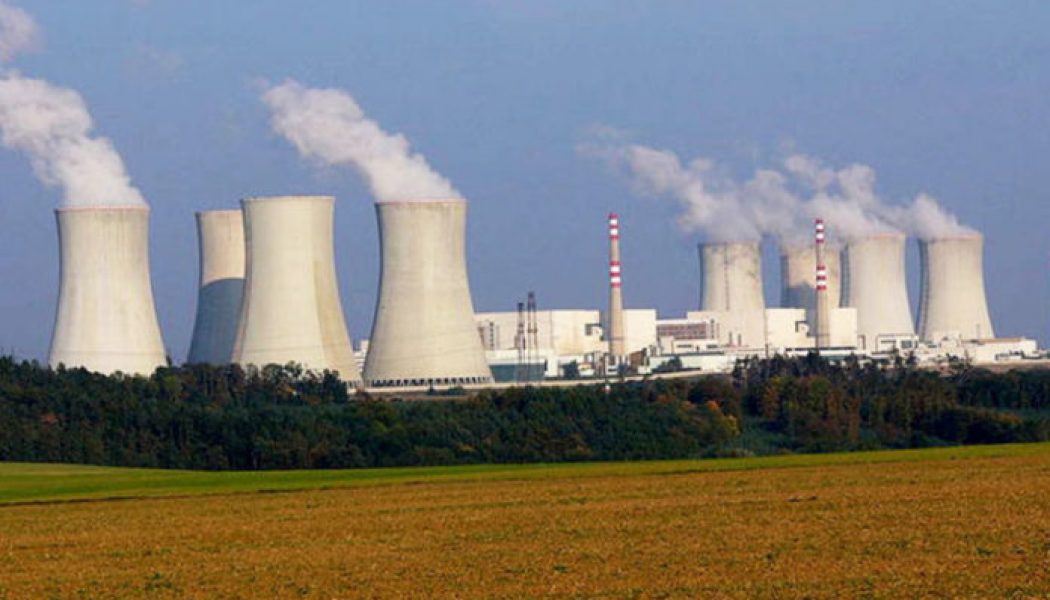

South Africa Looks to be Expanding its Nuclear Power Infrastructure
Sourced from the South African. South Africa’s Department of Mineral Resources and Energy has taken another step towards building a new nuclear-power program. On Sunday, the department had issued a request for information for 2500 megawatts of capacity, the ministry says in a statement. Submissions for the request will close on 15 September. Given the long lead-time of building additional new nuclear capacity, upfront planning is necessary for security of energy supply to society. @DMRE_ZA has published the RFI intended to commence preparatory work to develop plans for a future nuclear energy build programme. pic.twitter.com/bln7ZRdbh5 — Gwede Mantashe (@GwedeMantashe1) June 14, 2020 “This will enable the department to gain insight into the cost of the program, possible ownership structure...
