

Security


Need an Edge to Your Business? Take a Fresh Look At Your Security Strategy
Sourced from International IDEA As we all start to get a better view of what the future might hold, organisations need to look again at their security strategy. But first, we need to take stock. After the initial shock of lockdowns and mass remote working, what have we learned from the past two years as we all attempted to adjust to the new reality? You’re working in a landscape of increasing threats and vulnerabilities The widespread shift to the cloud to support those working remotely has inadvertently created a much larger attack surface. The sheer number of new locations, devices, and networks organisations are managing today alone calls for a security rethink – a need that’s magnified by a year-on-year increase in threats. And the pandemic has magnified the problem, sending a huge wav...


How blockchain intelligence can prevent Russia from evading sanctions
As pointed out by Caroline Malcolm, head of international policy at Chainalysis, the transparent nature of blockchain technology makes it relatively easy for crypto intelligence companies to track funds related to sanctioned entities. “We’re in quite a unique position because of the transparency and the permanency and the immutability of that public record,” explained Malcolm in an exclusive Cointelegraph interview. Governments around the world have expressed concerns that Russia could use crypto to evade sanctions imposed as a response to its military offensive against Ukraine. Addressing those concerns, Malcolm pointed out that in the last few years there has been substantial improvement in the crypto industry’s Anti-Money Laundering and counter-terrorism framewor...

Why Ransomware is the Greatest Threat to Your Organisation
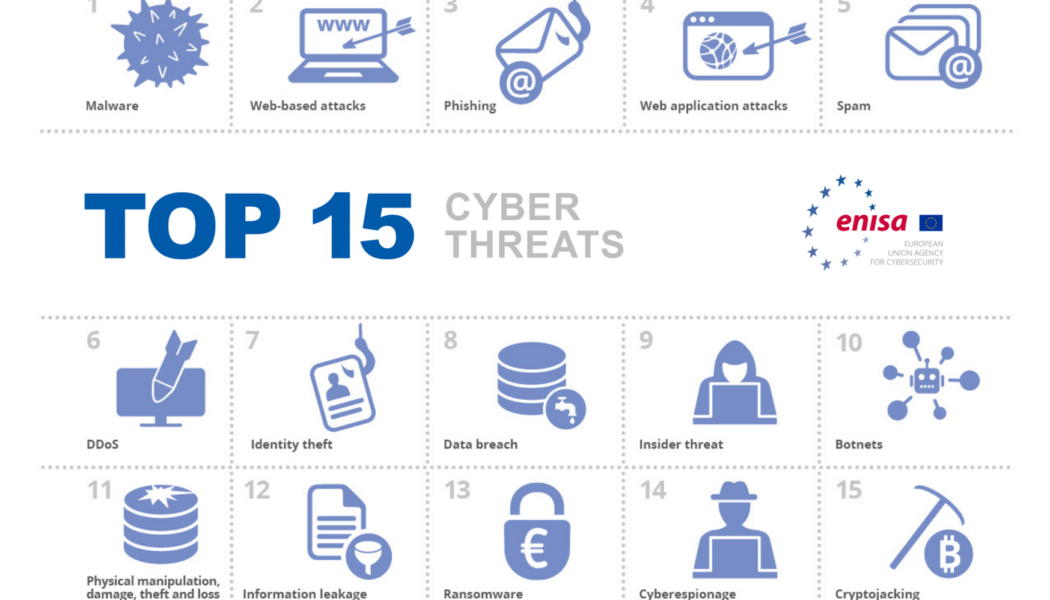
Ransomware is getting nastier and more expensive all the time and it has affected almost every industry and geography. No one is immune from the threat. In a global ransomware survey conducted by Fortinet, 67% of organizations report suffering a ransomware attack. Even worse, almost half said they had been targeted more than once, and nearly one in six said they had been attacked three or more times. Renee Tarun, Deputy CISO/ Vice President Information Security, Fortinet Inc. The US Treasury’s Financial Crimes Enforcement Network (FinCEN) reported that organizations paid out almost $600 million in ransomware in the first half of 2021, which puts the US on track to surpass the combined payouts of the previous decade in a single year. Last year’s attacks on the suppl...


F-Secure South Africa Rebrands to MWR Through Local Buy-Out
Image sourced from Twitter: @FSecure_Consult F-Secure, the Finnish cybersecurity company, has announced that it has pulled out of the African market as its South African branch was bought out by the local management of the branch. On Tuesday, F-Secure’s local management team in South Africa acquired the majority stake in F-Secure South Africa LTD and, to reflect the new company’s direction, rebranded to MWR. The full local management team has remained in place and will keep operations mostly the same, along with the vision and mission that the team had as F-Secure South Africa. MWR CyberSec will tailor its consulting services to the African and Middle Eastern markets and will continue to provide world-class security expertise through its local team, as well as becoming the B2B partner for ...


6 Common Cybersecurity Mistakes Made by Startup Companies
Image sourced from Pixabay Some of the most successful companies today began their journey as startups. They usually start with a brilliant idea or a new technology that promises to solve a problem to rethink the way we do business. The African region is no stranger to startups, where reports suggest that African startups raised near $5 billion in total estimated funding from 740 deals last year, predominantly in tech startups. This is more than a 250% increase from the $1.3-billion estimated total funding raised in 2020. Startup owners often draw attention to issues of business planning, marketing strategy, and attracting additional investment, but do not address the need to build a solid cybersecurity system. The lack of a clear understanding of threats can cost a startup a potentially s...


7 Key Security Practices to Teach Your Kids for Online Safety
Image sourced from Pixabay Educating children with the skills they need to protect themselves online can provide great benefits for families. Cybersecurity and digital privacy company Kaspersky shares 7 digital practices that parents can teach their children. In order to survive in today’s Internet world, everyone needs to have certain skills. While adults tend to acquire these skills as new technologies emerge, today’s children are almost born with a smartphone in their hands. It’s up to parents to teach them how to exist in a world that is constantly bombarded with information. Kaspersky experts recommend building these 7 habits for parents to help their children adjust to the Internet: Create a device-free time zone: When children use technology for a long time, they can become addicted...


4 Types of Hackers That You Probably Didn’t Know Existed
Image sourced from Pixabay A security hacker is someone who explores methods for breaching defences and exploiting weaknesses in a computer system or network. To the laymen, hackers are known as the bad guys of the internet, but it is way more than that, and there are many types of hackers that you probably have never heard of before. The most common attacks on the internet include malware, phishing, Man-in-the-Middle (MITM) attacks, Denial-of-Service (DOS) attacks, SQL injections, zero-day exploits, password attacks, and cross-site scripting. And all these types of attacks are the ones that gave hacking sort of a bad name. According to Kaspersky, MIT (Massachusetts Institute of Technology) became one of the first homes of hacking in 1969. They started out by altering software and hardware...

Why Women Are Underrepresented in Cybersecurity
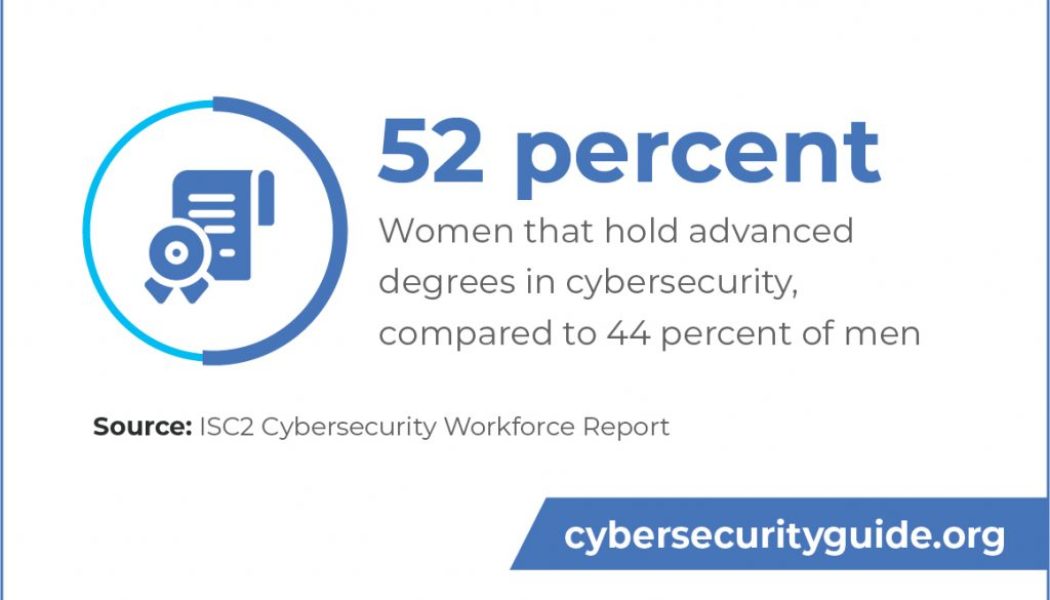
Sourced from Women in Tech Africa. One of the industries struggling with significant bias and gender stereotypes is cybersecurity. This field plays an increasingly crucial role in our digital world and, as a result, offers many fulfilling career paths and opportunities. However, there are still significant barriers and misperceptions driving the belief that a career in cybersecurity is not for women. While women have been disproportionately impacted by pandemic-driven unemployment (for example, one in four women reported job loss due to a lack of childcare—twice the rate of men), the technology sector was less affected. This was mainly due to their being better prepared to pivot to remote work and flexible work models. As a result, according to a report by Deloitte Global, l...

OT Security – Everything You Need To Know
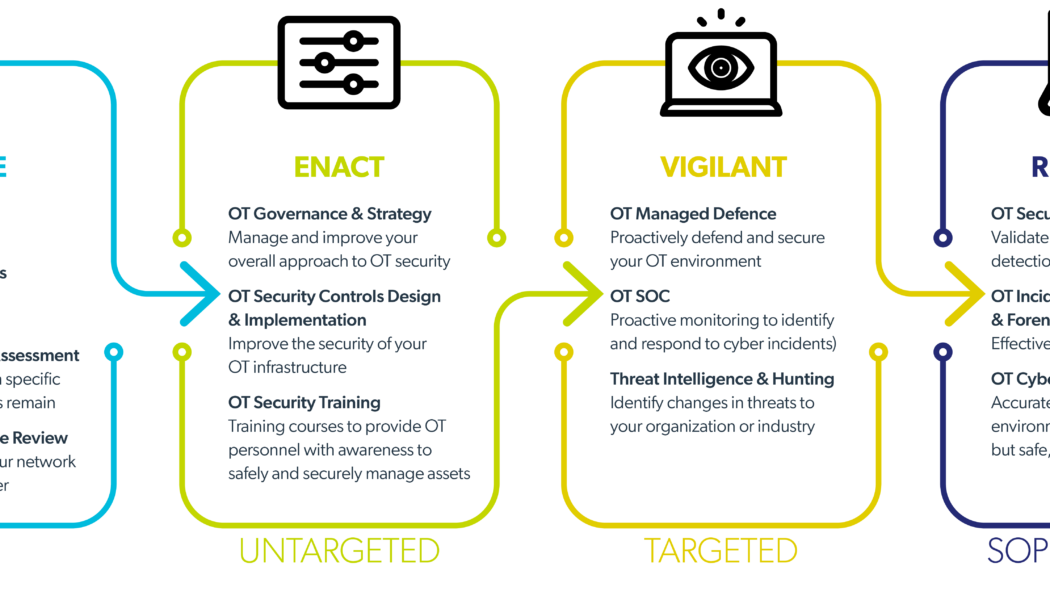
Image sourced from Twitter: @SmartIndustryUS Most enterprises know that cyberattacks in the information security realm are continuously growing in sophistication, severity and number. However, up until now, many organisations that run plants, factories, pipelines and other infrastructure have paid less attention to the threats they face in the realm of operational technology (OT). Recent global, OT-focused cyberattacks highlight why South African utilities, manufacturers, oil & gas companies and other organisations that run industrial infrastructure would be wise to take note of the growing range of cyber threats faced by their OT systems and infrastructures. In one example, an intruder breached a water treatment plant in Florida in the US. The attacker briefly increased the quantity o...


Massive Increase in DDoS Attacks Observed – Record Numbers Reached
Image sourced from Shutterstock. Compared to Q3 2021, the total number of Distributed Denial of Service (DDoS) attacks in Q4 shows an increase of 52%. This is 4.5 times more than the same time the previous year. These and other findings were published in the new Kaspersky DDoS attacks in Q4 2021 report. What are DDoS Attacks? Distributed Denial of Service (DDoS) attacks pose a huge threat to businesses and organisations that provide online services. During such an attack, cybercriminals send multiple requests to the attacked web resource with the aim of exceeding the website’s capacity to handle multiple requests and prevent the website from functioning correctly. These attacks may last several days, causing huge disruptions for organisations. From October to the end of December 2021, Kasp...

What is the Algorand blockchain, and how does it work?
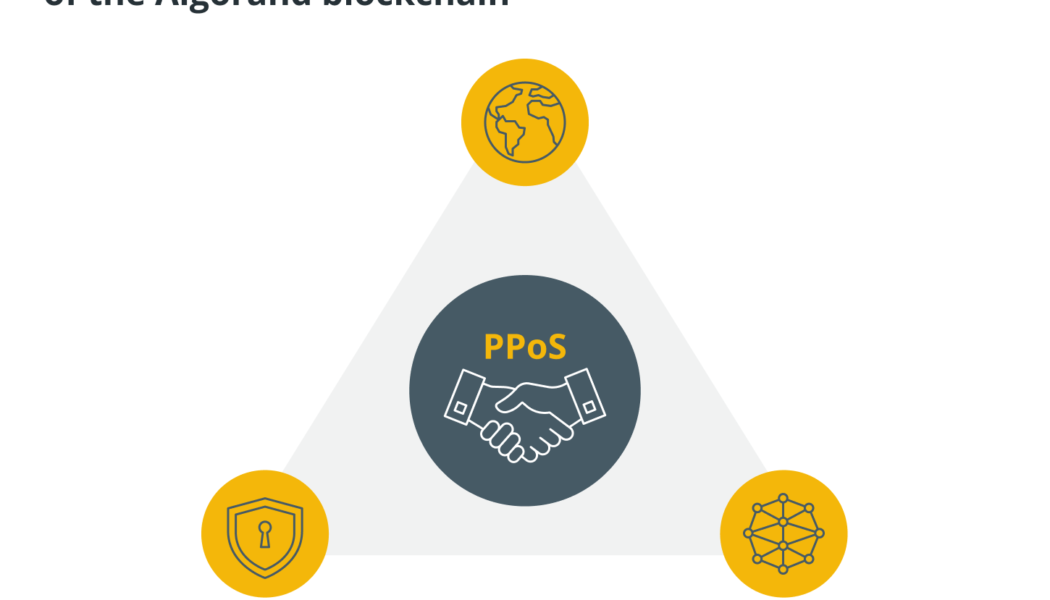
What is Algorand? Algorand is a blockchain network created in 2017 by Silvio Micali, an MIT professor who won the Turing Award for his work in cryptography. Algorand is a decentralized permissionless blockchain protocol that anyone can use to develop applications and transfer value. The Algorand protocol is powered by a novel consensus algorithm that enables fast, secure and scalable transactions. Algorand addresses the common issues that most older blockchains have, specifically concerning scalability and consensus. The blockchain uses Pure proof-of-stake (PPoS), a consensus protocol that selects validators at random according to the weight of their stake in ALGO coins. What is Algorand trying to solve? The Algorand protocol is designed to solve three of the biggest problems most blockcha...


3 South African Cybersecurity Companies You Should Probably Know About
Image by Darwin Laganzon, Pixabay. Cybersecurity involves the application of technologies, processes and controls to protect systems, networks, programmes, and data from cyber-attacks. Many establishments across the world, including, schools, banks, and hospitals rely heavily on cybersecurity services to protect their data and be safe from cyber-attacks. Everyone who has a computer or access to the internet must at some point know how to protect themselves online, hence the crash course in cybersecurity in your high school, college, or university years. It is not at all inane. In 2019, a cybersecurity company, Kaspersky noted that malware attacks in South Africa had increased by 22 percent in the first quarter of the year compared to the first quarter of 2018, which translates to just unde...
