

Security


1 in 4 People Use Fitness Devices – Is Your Tracking Data Secure from Hackers?
Image sourced from Reuters. A recent study by the virtual private network provider NordVPN revealed that 1 in 4 (24.6%) people use some kind of fitness or well-being device, such as a smartwatch, fitness tracker, etc. However, these devices may be tracking a lot more than your fitness activities, and 25% do nothing to protect them, which may pose a serious risk to people’s privacy. Among the data collected by fitness wearables and the mobile apps connected to them, there are basic activities such as steps, heart rate, the time you go to sleep or wake up, as well as your consumed calories, weight, or even running routes, which are all of great interest to stalkers or attackers. For example, Clario research has revealed that Strava collects 41.18% of users’ personal data, and MyFitnessPal — ...


4 Network Security Challenges to Watch Out For
Sourced from Travellers The growing reliance on hybrid IT infrastructures that support cloud-based applications and a largely remote workforce is creating network security and performance challenges for many enterprises. According to research from a recent white paper by The Enterprise Strategy Group (ESG), 85 percent of organizations believe network security is more difficult today than it was two years ago. Entitled “Network Security Without Borders: A Common Technology Stack for Network Security and Operations,” the study cites several factors that contribute to the growing challenge of network security. Namely, here are 4 Network Security Challenges to Watch Out For: Increasingly Sophisticated Cyberthreat Tools Monitoring cyberthreats; correlating cyber threat intelligence with interna...

How to Prevent Further CyberAttacks on Businesses & Government Departments
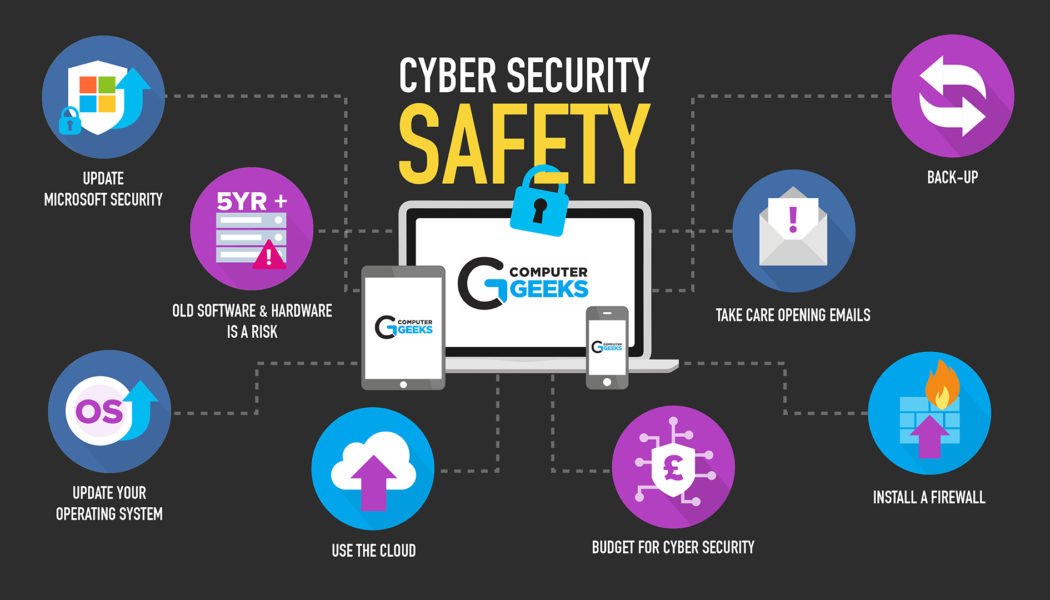
Image sourced from Finance Times. The recent ransomware attacks on the Department of Justice and Constitutional Development (DoJ) and the South African National Space Agency (Sansa) is a testament to the sophistication and aggressiveness of cybercrime in South Africa. In response to these attacks, organisations need to devise a preventative plan of action. “With South Africa having the third-highest number of cybercrime victims worldwide, and the biggest threat being ransomware, businesses are prone to being victims of ransomware traps unknowingly. In such cases, cyber-criminals pose as credible agencies with the intent of luring organisations to their demise,” says Maeson Maherry, CEO and co-founder of LAWtrust. What are Ransomware Attacks? Ransomware attacks are cyberattacks where a cybe...


African Bank Warns of Data Breach After Partner Struck by Ransomware
Image sourced from Redefine. South African retail bank African Bank has confirmed that one of its debt recovery partners, Debt-IN, was targeted by a ransomware attack in April 2021. At that time, advice from security experts concluded that there was no evidence that the attack had resulted in a data breach, however now BusinessTech reports that Debt-IN has become aware that personal data of certain customers, including a number of African Bank Loan customers who had been under debt review at the time, has been compromised by the threat actors. In response, African Bank says that it is confident that no data shared after the 1 April attack has been compromised. “A robust mitigation plan has been implemented by Debt-IN to contain and reduce any further adverse impact,” the lender said. “We h...


Online Car Scams On The Rise in SA – Here’s How to Avoid Them
South Africa’s biggest banks are warning customers about a marked increase in vehicle purchase scams. Criminals place adverts for fake vehicles online at hugely discounted prices to lure in buyers hunting for a great bargain. Sameer Kumandan, MD of SearchWorks, an innovative platform that allows consumers to perform live, accurate vehicle searches and valuations as well as company searches and property valuations, says South Africans are turning to online content for everything from comparing prices to doing more in-depth research, particularly when it comes to long term financial commitments such as buying a car. According to reports, fake vehicle adverts are relatively sophisticated and usually include photos to match the vehicle description with the contact details of the so-called sell...

How to Successfully Recover from a Ransomware Attack
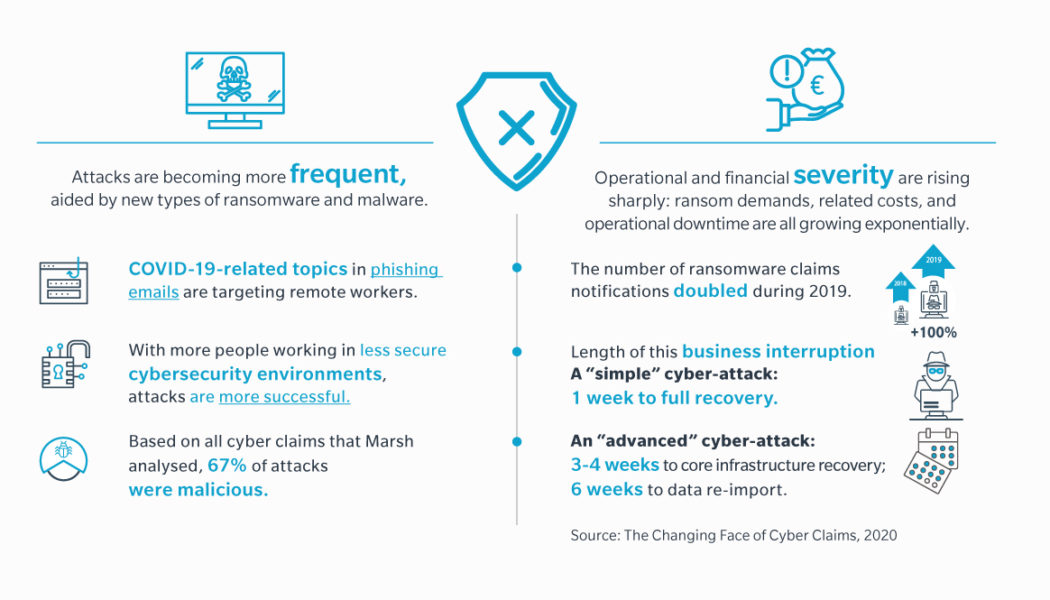
Sourced from Kaspersky South Africa is an attractive target for cybercriminals for a number of reasons, and the last few years have seen a sharp rise in high-profile ransomware attacks. One of the key motivations driving this volume of attacks is the fact that data is a de facto currency and an extremely valuable commodity on the black market. While backup is a critical component of data protection, when this backup is also encrypted by malicious software, companies are often left with few options other than to pay the ransom. Therefore, an effective Cyber Recovery strategy, which enables businesses to get back up and running without having to give in to criminal demands, is the key. Ransomware on the Rise The rapid adoption of digital transformation, Artificial Intelligence (AI) and the I...


UN Calls on Nigeria, Others to Tighten Cybersecurity Regulations
Sourced from UN The International Telecommunications Union (ITU), the global telecommunications arm of the United Nations (UN) has called on the government of Nigeria, and other governments across Africa to strengthen their Internet safety regulations. Because of the COVID-19 pandemic, and general shift online, many African countries are now more exposed to cybersecurity threats than before, necessitating renewed efforts into protecting these spaces. According to the Guardian Nigeria, the UN noted that in Africa, many countries have seen a rise in reports of digital threats and other malicious cyber activities. The results include sabotaged public infrastructure, large-scale monetary theft from digital fraud, and national security breaches. The UN says that addressing these vulnerabilities...


Microsoft Phasing Out the Need for Passwords
Image sourced from NS Energy. Microsoft has said that from today its users can begin removing the password associated with their Microsoft accounts and begin using a new suite of methods to sign in instead. The tech empire says that going passwordless is “the next generation of account security” and that once a user removes the password from their account, they will need to sign in using one of several passwordless methods, including the Microsoft Authenticator app, Windows Hello, a physical/biometric key like a thumbprint scanner or Microsoft SMS codes. According to a blog post published by Microsoft, ridding your account of a traditional password and using any of the above methods is actually safer. Passwords have become a cybersecurity risk as of late. Hackers use programs to “brute for...


The New DDoS ‘Normal’ is Not Normal in Any Way
Image sourced from Shutterstock. Threat actors will never turn down an opportunity for innovation, and the COVID-19 pandemic has provided an enormous such opportunity. We are seeing this quite clearly in the numbers coming through – and the new ‘normal’ around distributed denial of service (DDoS) attacks is not normal at all. So says Carole Hildebrand, Senior Strategic Marketing Writer at NETSCOUT, a leading global provider of service assurance, security and business analytics. Writing in a recent blog, she explains, “After an astonishingly active first quarter of DDoS attack activity, things calmed down a bit for the second quarter of 2021. Unfortunately, ‘calmed down’ is a relative term.” NETSCOUT decided to compare the numbers of DDoS attacks during the COVID-19 era of 2020 and 2021 thu...


Apple Issues Urgent Spyware Fix – Update Your iPhone Now
Image sourced from Unsplash. Apple has released an urgent update for its iPhone software that addresses a critical vulnerability that has already been exploited by a notorious surveillance software, according to independent researchers. CNN reports that researchers from the University of Toronto’s Citizen Lab have said the software exploit has been in use since February and has been used to deploy the so-called ‘Pegasus,’ spyware made by the Israeli firm NSO Group that has allegedly been used to gather information from journalists and human rights advocates in several countries. The urgent update issued by Apple fixed an exploit in the iMessage software that was allowing hackers to infiltrate a user’s phone without the user clicking on any links, according to Citizen Lab. Apple has since c...


5 Cybersecurity Tips to Keep in Mind Before Your Business Returns to the Office
Sourced from Travellers Switching to working from home was difficult, but oddly enough, returning to the office may be just as tricky. Organisations will have to roll back some changes, which could be as complex as when they were deployed in the first place. They will also need to re-ensure the security of internal services and meet employee needs for software they got accustomed to during lockdown or remote work. One of the most important pandemic takeaways is the speed of business transformation and the flexibility of IT. And IT security should not prohibit but offer options and support this flexibility. A smart and safe return to office work in any form can help companies stay on top of this trend, making the most of their business processes. There are many things to consider, so to hel...


3 Trends to Understand the Evolving Cybersecurity Landscape
Image sourced from Feed Navigator. Given the global disruption that took place last year, it is hardly surprising that malware increased by 358% and ransomware by 435% as compared to 2019. The rapid push to digitalise and embrace work from home solutions meant companies not only had to accelerate data migration projects to the cloud but also remain cognizant of how best to secure employee endpoint devices while keeping the impact on productivity to a minimum. What makes the likes of malware and ransomware so difficult to combat is that successful attacks on corporate networks and endpoint devices can potentially remain hidden for months giving the hacker access to a veritable treasure trove of information. Attackers can encrypt this compromised data at any time, resulting in significant da...
