

Security


Malware Attacks in Africa Reach 85-Million in 6 Months – Kaspersky
Image sourced from Sectigo. According to research performed by cybersecurity firm Kaspersky, malware is rife across Africa with various countries exhibiting strong growth in all malware types in the first half of 2021 when compared to the same period last year. This is a 5% increase in the region, as cybercriminals and hackers continue to focus on African countries considering digital transformation advancements and the increase in remote working resulting from the COVID-19 pandemic. Overall, 4 countries account for 85 million attacks, with South Africa being the most targeted (32-million attacks), followed by Kenya (28.3-million), Nigeria (16.7-million) and Ethiopia (8-million). All countries but Kenya saw the relative growth of all malware attacks. Ethiopia and Nigeria have seen an incre...

SA Data Breach Costs Reached Record Highs During Pandemic – IBM
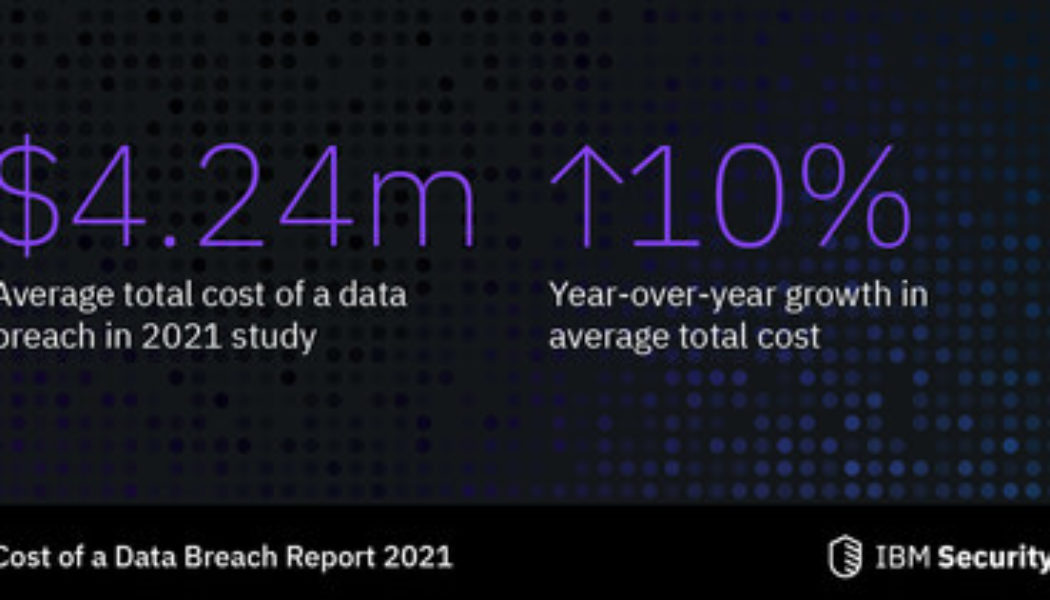
IBM Security announced the results of a recent study that found that data breaches now cost South African companies $3-million (R46-million) on average – the highest cost in the 6-year history of the report. Worldwide, the average financial damages caused by a data breach increased by nearly 10% year over year to $4.24 million in 2021. Based on in-depth analysis of real-world data breaches experienced by organisations in South Africa, the study suggests that security incidents became more costly and harder to contain due to drastic operational shifts during the pandemic, with costs rising 15% for South African compared to the prior year. Businesses were forced to quickly adapt their technology approaches last year, with many companies encouraging or requiring employees to work from home, a...

A Cyberattack Happens Every 11 Seconds, Choose Your Cloud Wisely
Sourced from International IDEA Cybersecurity experts predict that there is currently a cyberattack incident approximately every 11 seconds worldwide. This is almost double what it was in 2019 (every 19 seconds), and four times more than five years ago (every 40 seconds in 2016). Aside from these concerning statistics, what is even more alarming is the degree to which the sophistication of these attacks has grown. We are just over a year and a half into the pandemic and the way organisations approach cybersecurity has been embraced at an accelerated pace. With the vast majority of companies adopting fully remote or hybrid working arrangements, there has been a firm focus on the implementation of additional cybersecurity measures to keep critical operations secure. But, despite all efforts ...

35% of SAns Have Never Used Dating Apps Because They Fear Scammers
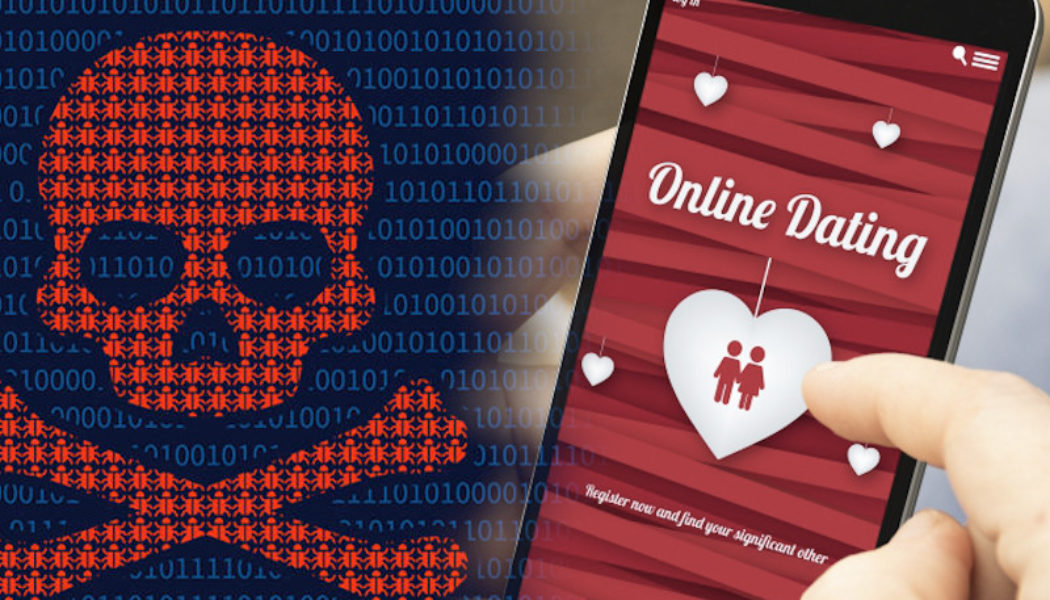
Sourced from TechSpot and PC World. According to the findings of a study by cybersecurity firm Kaspersky, dating app scammers pose a serious barrier to people wanting to use such services. In particular, 35% of respondents in South Africa are afraid to use them, as they fear being deceived by fraudsters, and 35% generally do not trust people in dating apps. However, only 17% of respondents were targeted by cybercriminals, and 34% who contacted fraudsters managed to avoid an attack. Millions of individuals use online dating applications or social networking sites in order to find a partner. But instead of finding love, many people encounter a con artist attempting to dupe them into giving money. Scammers are drawn to dating services because they know that people on these platforms are looki...

What SMEs Should Know About Ransomware
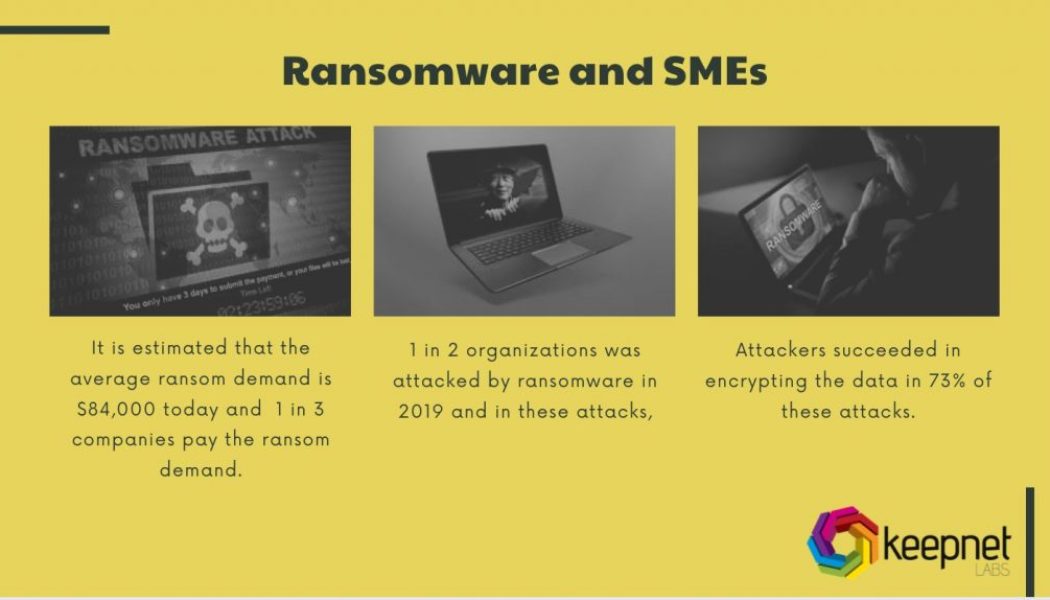
Image sourced from Feed Navigator. Ransomware attacks are on the rise and malicious cybercriminals are always fine-tuning their strategies. Business leaders need to realise that their tactics include disrupting critical business operations across all industry verticals and businesses of all sizes, including small to midsize enterprises (SMEs). With most of the recent headline-making ransomware attacks against larger organisations who are likely to be more financially capable of meeting exceeding large ransom demands, the findings around the targeting of smaller businesses with fewer resources raise the question as to why ransomware operators are going after SMEs in the first place. The frequency and severity of successful ransomware attacks have a tremendous impact on victim organisations ...


Cybersecurity Should Be a Top Priority for Africa’s Digital Transformation
Sourced from Travellers Cloud adoption in South Africa and many other African countries is accelerating, helped along by the COVID-19 workplace disruption, and the need to reduce costs, manage risk and scale, and become more competitive. There are many drivers behind digital transformation strategies and many decisions that need to be made, such as which public cloud to consume. However, this should be less urgent than addressing security concerns. As we continue to work with organisations in different industries spread across our diverse continent, cybersecurity and cyber risk are increasingly important considerations for the C-suite. Against the backdrop of high-profile security breaches and ransomware, addressing security weaknesses are a key part of the success of digital transformatio...

Top 5 Tips for Women to Build a Career in Cybersecurity
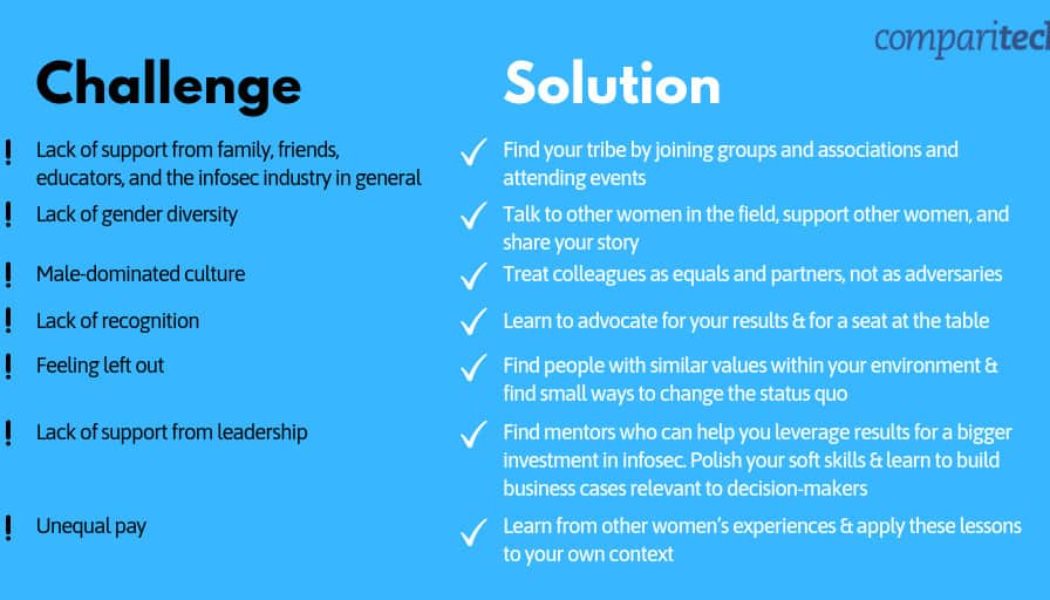
Image sourced from Texas News Today Representation of women in the cybersecurity industry has grown over the past years and, while this is positive, there is still room for improvement. Growth and success in this area require that everyone work together to amplify each other, but this is easier said than done. How can those interested in cybersecurity further develop their careers? What can those who would like to be an ally do? To answer this, women on the Cisco cybersecurity team across Africa share their journey and experiences and a few common themes stood out. Interestingly, not everyone in cybersecurity started with a technical background. Some of the women currently in cybersecurity started in non-stem-related courses. Cybersecurity was also seen as a growing industry with a choice ...

The Average Data Breach Costs Over $4-Million in 2021
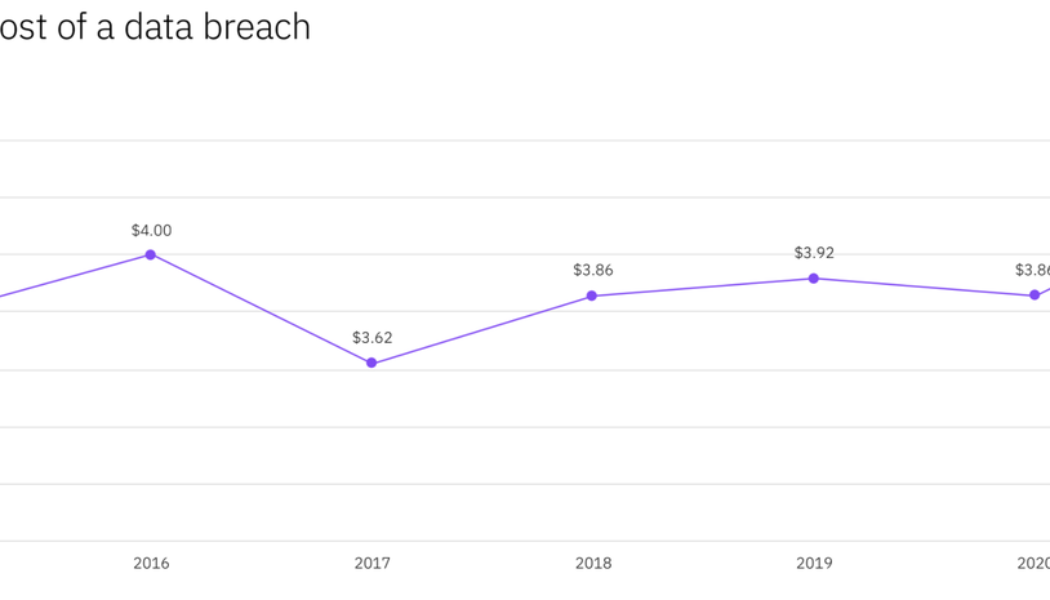
According to data presented by Atlas VPN, the average financial damages caused by a data breach increased by nearly 10% year over year to $4.24 million in 2021. This is the highest spike since 2015. A data breach can have a number of negative implications for a business, including lost sales, a tarnished reputation, data recovery fees, and possibly employee layoffs. “The record-high average losses can be directly linked to the rapid onset of remote work, as it created many new loopholes for cybercriminals to exploit,” Edward Garb, a cybersecurity researcher at Atlas VPN, comments on the findings. The numbers are provided by IBM, where between May 2020 and March 2021, researchers conducted roughly 3,500 separate interviews with individuals from 17 countries and 537 firms that had experience...

Only 20% of Cybersecurity Workforce Are Women Despite Industry Skills Deficit
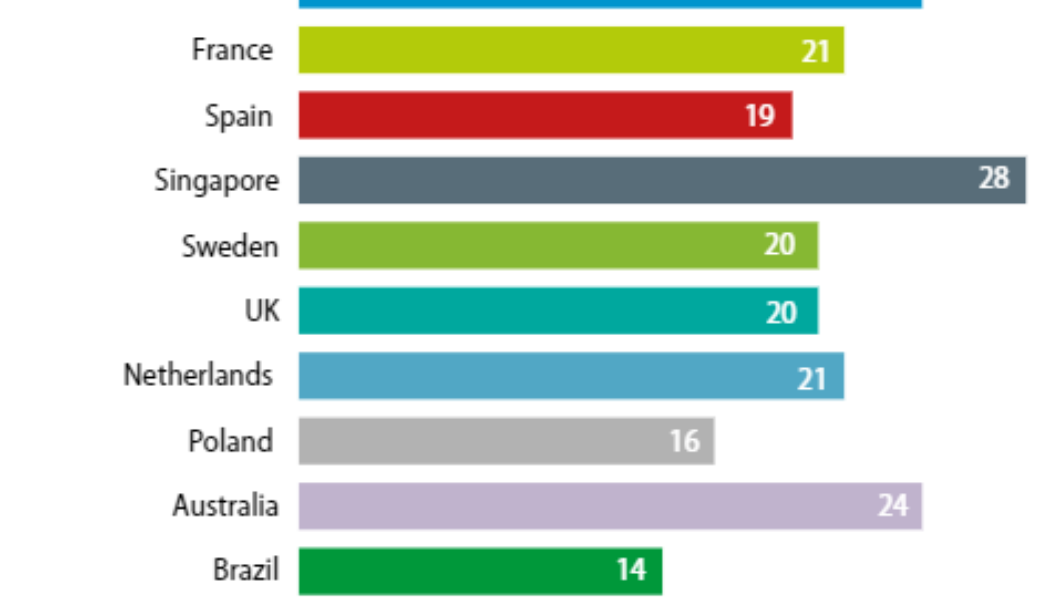
Image sourced from OpportunitiesNB. “Diversity is more than gender. It is race, culture, ability and country. It is mixing up the talent pool and adding in the unique insights and perspectives that different people from different walks of life bring to create teams that are more engaging and innovative,” opines Anna Collard, SVP Content Strategy & Evangelist at KnowBe4 AFRICA. “It will also go a very long way towards filling the very real and very large security skills hole that is growing wider every day.” According to Collard, diversity is a critical and strategic step that the cybersecurity industry depends on to ensure longevity and ongoing security capability. “Women only make up about 20% of the current cybersecurity workforce and yet one of the top pain points for the CISO is th...


Exclusive Networks Partners with Networks Unlimited, Eyes Sub-Saharan Africa Expansion
Anton Jacobsz, Networks Unlimited CEO Exclusive Networks, a global trusted cybersecurity specialist for digital infrastructure, has entered into an exclusive agreement with Networks Unlimited with the intention to pursue discussions around a potential acquisition. Networks Unlimited is a major regional value-added distributor focused predominantly on cybersecurity and infrastructure markets, with numerous key vendor relationships in common with Exclusive. Headquartered in South Africa with further operations in Kenya and Mauritius, its partner ecosystem gives it access to 38 national markets across the continent. The agreement would bolster Exclusive Networks’ presence in the region, expanding its global footprint and creating additional opportunities for vendors and customers of both orga...

South Africa Sees 42% Increase in Financial Malware in First Half of 2021
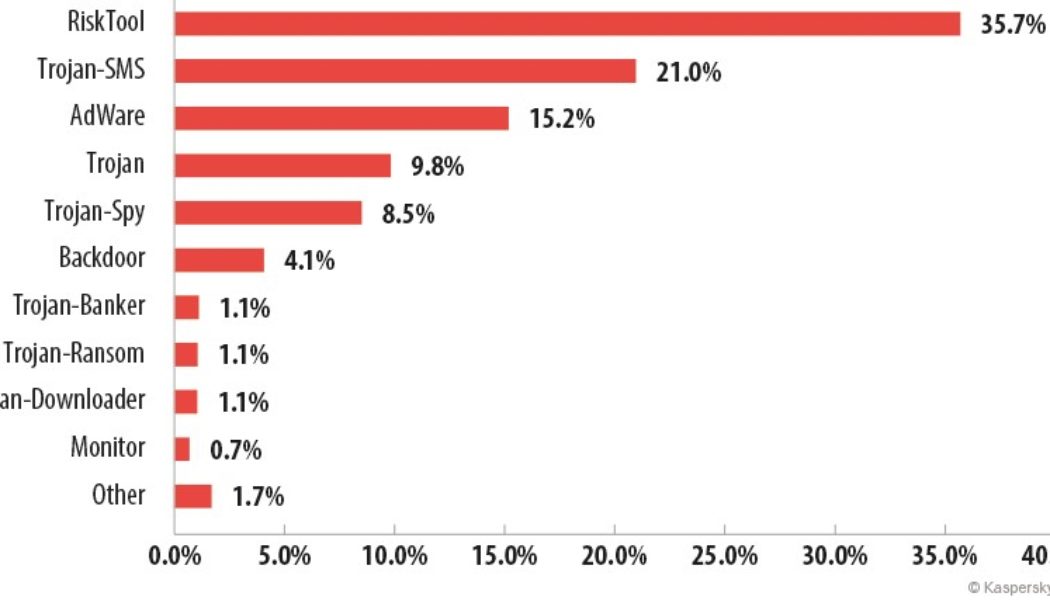
Sourced from Tech Advisor A combination of increasingly sophisticated propagation technologies and continued economic uncertainties resulting from the COVID-19 pandemic have seen the number of financial malware attacks reported in South Africa during the first half of 2021 increase by more than 10,400 over the comparative period last year, according to Kaspersky research. “Of these attacks, 24% targeted corporate users. This makes financial malware attacks a significant cybersecurity risk facing the local market today across both the consumer and business sectors,” says Bethwel Opil, Enterprise Sales Manager at Kaspersky in Africa. Remote Work Leads to Security Lapses Local organisations have become susceptible to financial malware as more employees work outside the relative safety of the ...


Preventing Ransomware Attacks: Top 9 Things to Keep in Mind
Sourced from Kaspersky Ransomware attacks have become a massive problem for almost every industry and every organization size. Recently, South Africa’s port authority Transnet was struck by a massive ransomware attack that left the country’s ports crippled for nearly a week. What is a Ransomware Attack? Ransomware is a specific type of malware that holds data hostage in exchange for a ransom. As an attack methodology, it has the potential to cause severe damage. Phishing emails are a common delivery method, but ransomware can also be spread through drive-by downloading, which is when a user visits a website that’s infected. Advanced attacks take seconds to compromise endpoints, and ransomware attacks take seconds to damage your systems and infrastruc...
