

Security

The High Cost of Cybercrime is Getting Higher
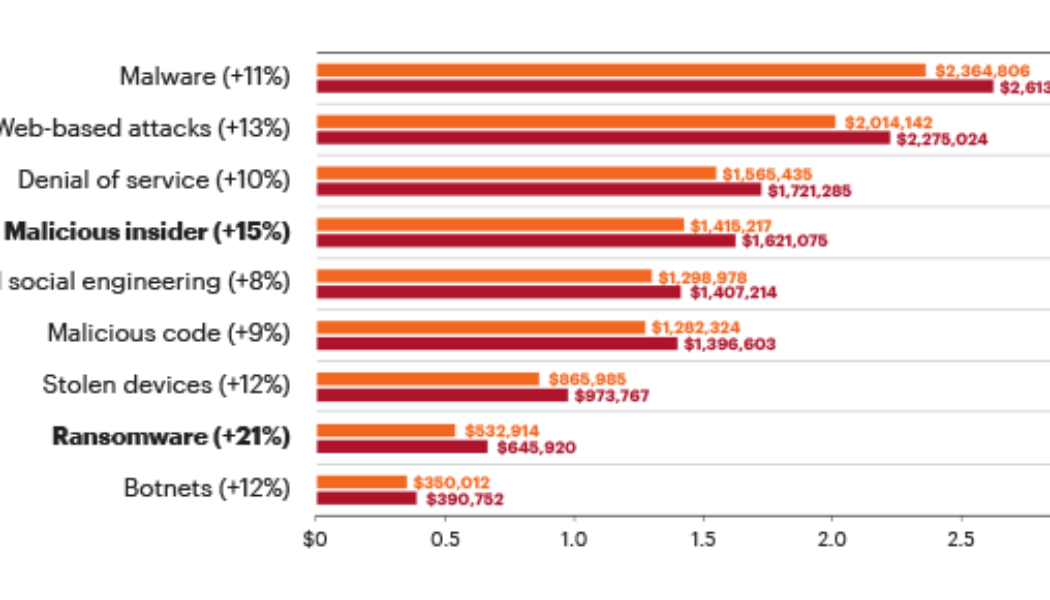
Image sourced from Finance Times. If cybercrime organizations could be publicly traded, we’d have an instant new multibillion-dollar industry sector. Indeed, cyber threats have become so pervasive that U.S. President Joe Biden recently signed an executive order aimed at improving federal cybersecurity in the wake of multiple significant cyberattacks, including the ransomware attack that shut down the Colonial Pipeline. Meanwhile, a broad coalition of experts in the industry, government, law enforcement, civil society, and international organizations have joined together in the Ransomware Task Force to build a framework for combatting ransomware. Ransomware attacks are only one method, however. Threat actors also use distributed denial-of-service (DDoS) attacks to ratchet up the p...


Ports in SA Have Mostly Returned to Operations Following Transnet Cyberattack
Image sourced from News24. Ports in South Africa have mostly returned to normal operations, according to the country’s government. Last week, SA’s port operations authority, Transnet, was struck by a massive ransomware attack that crippled its digital systems leaving South Africa’s key container terminal in disarray. “The return to operations is good news for the economy, as the Transnet ports and rail system are the backbone of the economy,” the ministry for public enterprises shared in a statement on Wednesday. Transnet was left with no choice but to declare force majeure following the cyberattack on 22 July 2021. Force majeure is a legal clause that wavers any liability from Transnet for not being able to provide promised services for its clients. The clause is usually reserved for “act...


Beware: The Top 5 Cybercrime Schemes Running Amid the Tokyo Olympics
Image sourced from T3. After an unprecedented year-long delay, the 2020 Tokyo Summer Olympics began in earnest last week. This time, all the events will take place with no spectators, which reduces physical risks – in terms of health and from a cybersecurity point of view (such as data theft using the vulnerabilities of public Wi-Fi at the stadium). However, sports enthusiasts should not forget that cybercriminals will aim to take advantage of fans’ eagerness to watch the Olympic Games by instigating various online fraud schemes. To get a better overview of how scammers are trying to monetise viewers’ interest, Kaspersky experts analysed Olympic-related phishing websites designed to steal users’ credentials. As a result, Kaspersky researchers found fake pages offering to stream various Oly...


Using AI to Beat Cybercriminals at their Own Game
Artificial intelligence (AI) technology is a powerful technology, and because of this, it holds great potential for exploitation by cybercriminals. Considering this, the only way that security leaders can stay ahead of bad actors is by gaining a true understanding of how this technology can be weaponised. Then, they can begin to develop effective strategies for confronting AI threats head-on. Malicious Uses of AI Technology As AI grows in adoption and sophistication, cybercriminals are looking for ways to seize upon its potential. The Electronic Frontier Foundation was already warning about potential malicious uses of AI back in 2018, including threats to digital, physical, and political security. And now, AI precursors combined with swarm technology can be used to infiltrate a networ...


The Shift to Remote Working Has Led to Bad Online Security Habits
More than 50% of IT teams believe that employees have bad security habits. Habits they’ve developed since moving their offices into the home and that put their information, systems and employers at risk. The statistic comes from the Tessian Back to Work Security Behaviors Report that also found an age discrepancy when it came to who practised the best security from home. Around 51% of 16–24-year-olds and 46% of 25–34-year-olds reported that they used security workarounds, while two in five people said that the security behaviours they adopted at home were very different from those they used in the office. Training A Top Priority For Anna Collard, SVP Content Strategy & Evangelist at KnowBe4 AFRICA, this draws a thick red marker around the need to ensure that people and security trainin...


Transnet Undergoes Apparent Ransomware Hack
Image sourced from News24. South Africa’s logistics and port operator Transnet has been the victim of an apparent ransomware attack, with its IT systems, websites and Navis container terminal OS going offline yesterday morning. The hack was first identified when several stakeholders in the freight industry were not able to access the container terminals at the Durban port in KwaZulu-Natal (KZN). “There was a memo issued to staff on Thursday morning that their terminal computers had been hacked and it came from the Transnet IT system. They said that they were working on it, but by Thursday afternoon the system was still offline,” said one stakeholder, quoted by The Sowetan. “Some operations, including rail, has gone manual but the end result is that no import containers are able to be proce...

Cyber Attacks in Africa Comparable to World Wide Rates, says Kaspersky
Sourced from IDG Connect With digital transformation a top priority on the corporate agenda as companies identify new ways to grow their business, cyber attackers and opportunist cybercriminals remain very active. While Africa is not necessarily considered a focus area for the more sophisticated types of cybercriminal activity such as targeted attacks or advanced persistent threats (APTs), the continent is certainly not immune to these or other types of cyber risks, warn Kaspersky researchers. When looking at the general cyber threat landscape as it impacts consumers and businesses, Kaspersky research shows that in 2020, worldwide, approximately 10% of computers experienced at least one malware attack. Interestingly, in some African countries, including South Africa, the figure was only sl...


Cryptocurrency and Cybercrime: 3 Insights You Need to Know
Image sourced from Shutterstock. Criminals have kept pace with changing technologies by no longer wanting their crimes to generate hard cash – bitcoin has become the currency of choice. That’s particularly true for cybercrime, where ransomware is booming as criminals infiltrate organisations’ IT systems and threaten to publish or destroy crucial data unless a ransom is paid in Bitcoin. Here are 3 insights you need to know about the links between cybercrime and cryptocurrency: 1. Cryptocurrency is Fuelling Cybercrime Ransomware payments have become so huge that attacks are mounting daily. A recent high-profile case was an attack on the US Colonial Pipeline, causing the system that carries 2.5 million barrels of oil a day to be shut off. It’s become such a lucrative business that some syndic...

Kenya’s IEBC Denies Servers Were Hacked to Steal Personal Details from 61,000 Voters
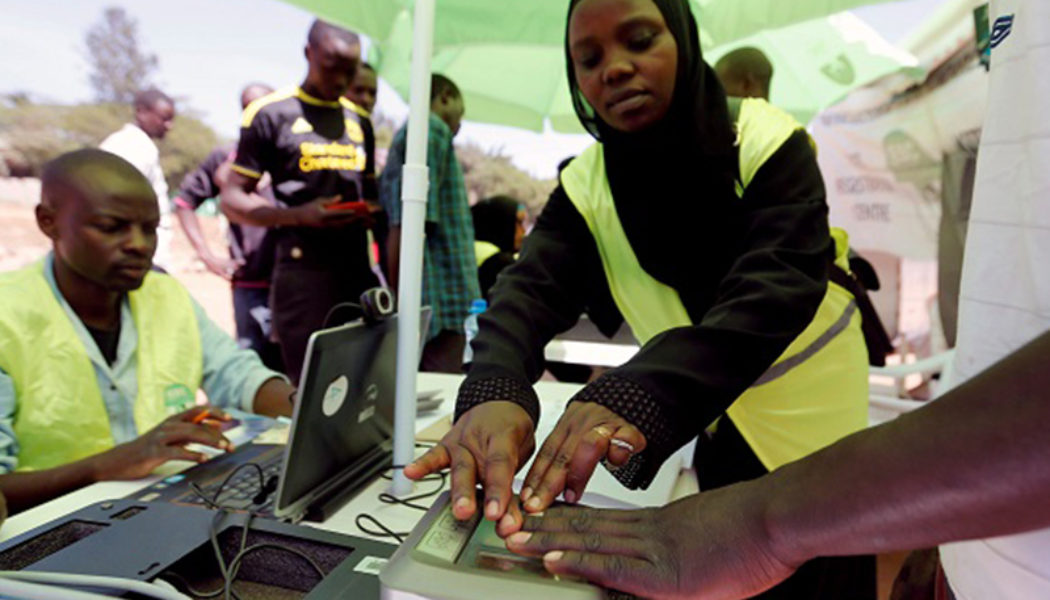
Image sourced from Brookings.edu. Kenya’s Independent Electoral and Boundaries Commission (IEBC) has refuted claims that hackers infiltrated its servers and obtained the personal details of at least 61,000 registered voters. This comes after reports from the Directive of Criminal Investigators (DCI) were released, saying that the directive has arrested a 21-year old fraud suspect claimed to have allegedly hacked into the IEBC’s servers. Only identified by the alias ‘Kiprop’ by the DCI, the suspect is said to be the mastermind behind a high-tech mobile phone scam syndicate that has been stealing millions of dollars from M-Pesa agents across Kenya. DCI’s Report According to Nation, the DCI claim that Kiprop gained access to IEBC’s database and stole the personal details of 61,617 registered ...

Kenya’s IEBC Denies Servers Were Hacked to Steal Personal Details from 61,000 Voters
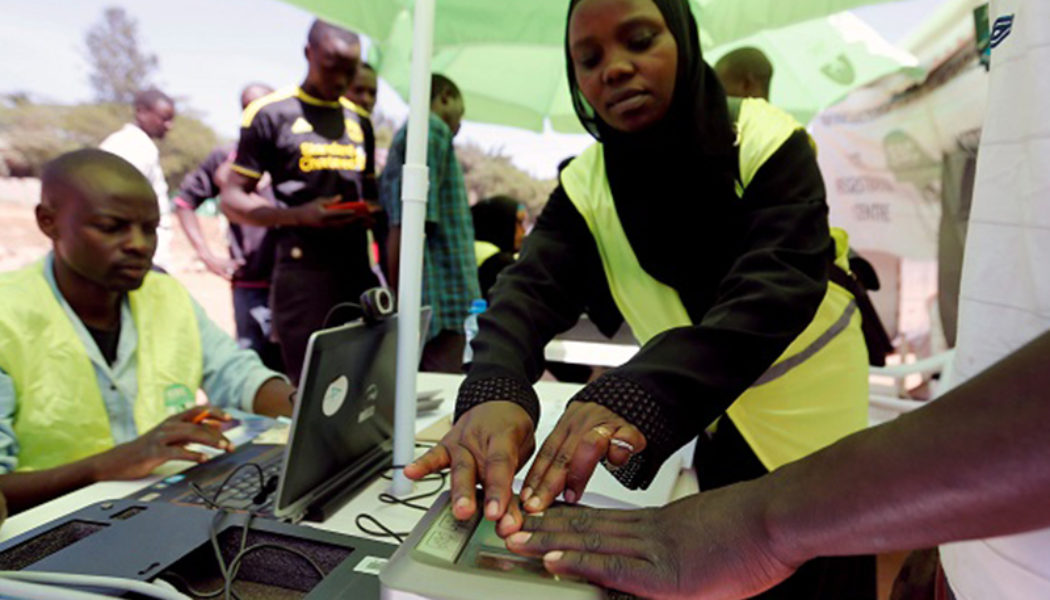
Image sourced from Brookings.edu. Kenya’s Independent Electoral and Boundaries Commission (IEBC) has refuted claims that hackers infiltrated its servers and obtained the personal details of at least 61,000 registered voters. This comes after reports from the Directive of Criminal Investigators (DCI) were released, saying that the directive has arrested a 21-year old fraud suspect claimed to have allegedly hacked into the IEBC’s servers. Only identified by the alias ‘Kiprop’ by the DCI, the suspect is said to be the mastermind behind a high-tech mobile phone scam syndicate that has been stealing millions of dollars from M-Pesa agents across Kenya. DCI’s Report According to Nation, the DCI claim that Kiprop gained access to IEBC’s database and stole the personal details of 61,617 registered ...
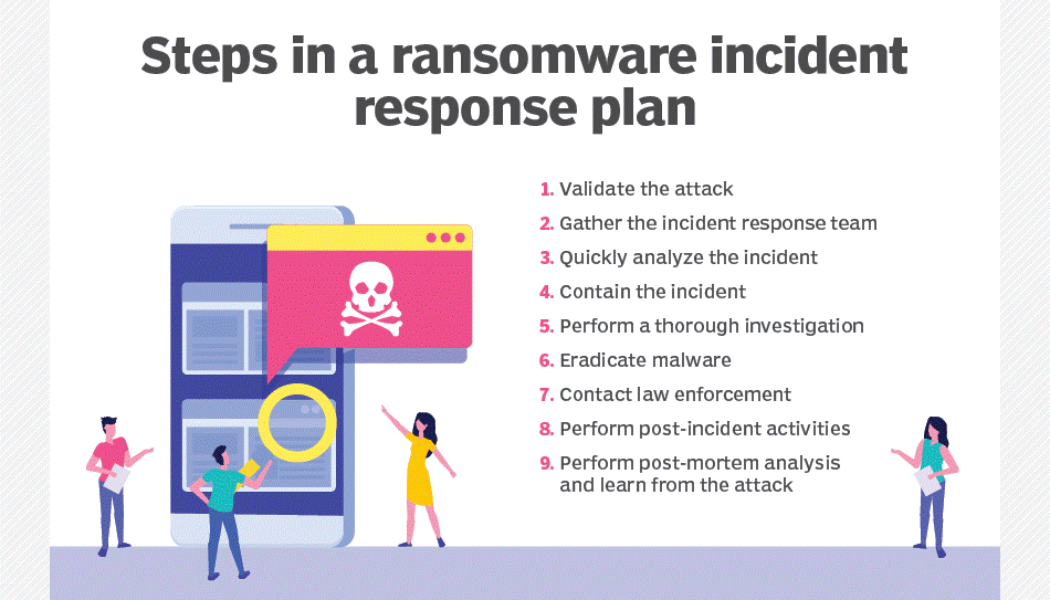

11 Critical Steps Security Officers Need to Take During a Ransomware Attack
Sourced from Kaspersky Ransomware attacks have increased in volume, morphing and evolving through the years, especially recently, into the debilitating attacks we see today. According to a recent Global Threat Landscape Report from FortiGuard Labs, ransomware attacks increased sevenfold in the last half of 2020 and became even more disruptive. Recently, a massive ransomware attack on IT services provider Kaseya resulted in widespread threats against companies across 17 countries. Tactics from threat actors continue to shift and defenders need to not only continue to get the “basics” of defensive strategies correct but continuously evaluate their own organisation’s security policies to ensure they still provide adequate responses against today’s ransomware threat actors. CISOs are...


WhatsApp Overwhelmingly Popular for Phishing Scammers, According to Kaspersky
Anonymised data, voluntarily provided by Kaspersky Internet Security for Android users, has shown which messenger apps are the most popular among phishing scammers. The biggest share of detected malicious links between December 2020 and May 2021 were overwhelmingly sent via WhatsApp (84.9%), followed by Telegram (5.7%). “Percentage of Phishing Detections by Messanger App.” Courtesy of Kaspersky. Viber is in third place with a share of 4.9% and Hangouts has less than 1%. Countries experiencing the highest number of phishing attacks were Russia (46%), Brazil (15%) and India (7%). Globally, 480 detections were recorded per day. Messenger Apps Surge in Popularity According to research, messenger apps outstripped social networks by 20% in 2020, in terms of popularity among users, and ...
