

Southern Africa


Load Shedding: How to Keep Productivity Up When The Power Goes Down
We use cookies on our website to give you the most relevant experience by remembering your preferences and repeat visits. By clicking “Accept All”, you consent to the use of ALL the cookies. However, you may visit “Cookie Settings” to provide a controlled consent. You Deserve to Make Money Even When you are looking for Dates Online. So we reimagined what a dating should be. It begins with giving you back power. Get to meet Beautiful people, chat and make money in the process. Earn rewards by chatting, sharing photos, blogging and help give users back their fair share of Internet revenue.

Microsoft Expands its Azure Availability Zones in South Africa
We use cookies on our website to give you the most relevant experience by remembering your preferences and repeat visits. By clicking “Accept All”, you consent to the use of ALL the cookies. However, you may visit “Cookie Settings” to provide a controlled consent. You Deserve to Make Money Even When you are looking for Dates Online. So we reimagined what a dating should be. It begins with giving you back power. Get to meet Beautiful people, chat and make money in the process. Earn rewards by chatting, sharing photos, blogging and help give users back their fair share of Internet revenue.
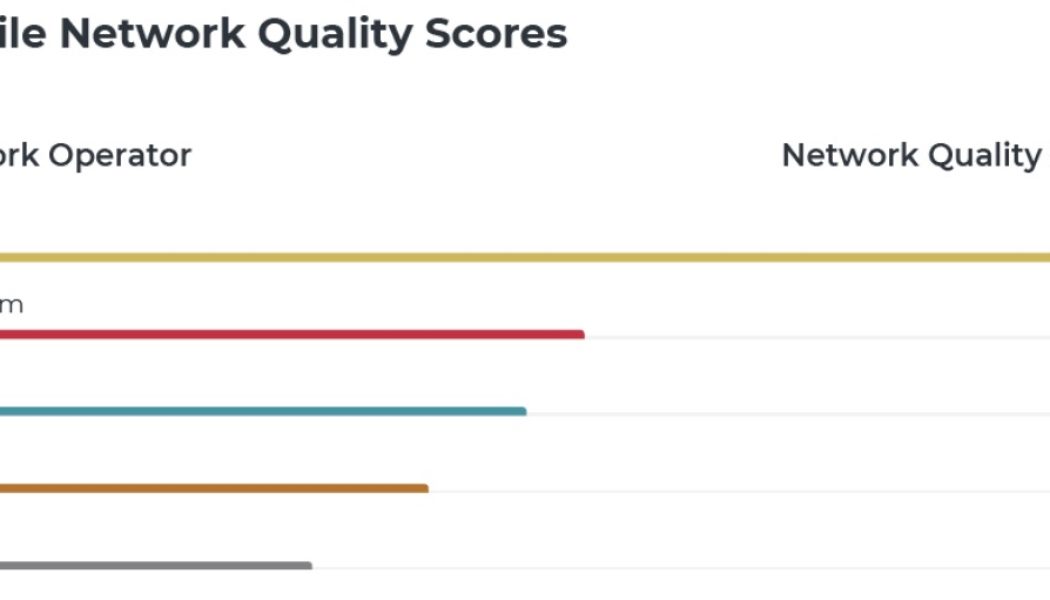

Top 5 Best Telecom Networks in SA Ranked
Sourced from the Guardian Nigeria. MyBroadband Insights has released its Q3 Mobile Network Quality Report, which shows the network quality of several of South Africa’s top telecoms gauged by a number of factors, including download and upload speeds, and latency. The report is based on results recorded between 1 July 2021 and 30 September 2021. The download speed (60%), upload speed (20%), and latency (20%) are used to calculate a Network Quality Score. Over 300,000 samples were collected from 10,530 unique users. The Network Quality Score out of 10 then shows how a network performed in relation to other networks. Here are the Top 5 Best Telecom Networks in SA Ranked by Network Quality: Rain – Network Quality Score: 3.42 Download Speed: 10.86Mbps Upload Speed: 8.78Mbps Latency: 34 Cell C – ...

The Mobile Malware Scourge Hits SA, Kenya & Nigeria
Internet security provider Kaspersky has blocked more than 206,000 mobile malware attacks across the Middle East, Turkey, and Africa (META) region in just 6-months measured, between January to June 2021. Out of these attacks, a combined 30,000 originated from Nigeria (14,071), Kenya (10,697), and South Africa (5,499), respectively. Significantly, for the African countries monitored, Nigeria only trails Egypt (19,466) by the number of attacks blocked, pointing to how prevalent mobile threats have become in this highly connected country. In fact, Kaspersky’s latest research shows that when looking at the top ten countries by share of users attacked by mobile malware Nigeria places eighth (at 11.76%). Even though Kenya and South Africa might not feature as prominently, the mobile malware thre...

Vodacom “Super App” Offers Data Deals from as Low as R1
Image sourced from SABC News. Vodacom, one of South Africa’s largest telecoms, as well as one of the most successful telecom companies in Africa has announced the launch of its new ‘super app’ – VodaPay. Now live, the app can be accessed in the Google and Apple app stores and is available to customers on any mobile network. According to a statement from Vodacom, the VodaPay app launches with significant partners and discounts including exclusive R1 deals on multiple products on the app. What VodaPay Offers VodaPay delivers a digital shopping, lifestyle, and financial platform for both consumers and businesses. It is backed by Alipay technology that powers over 1.2-billion users and almost 100-million merchant partners, using state-of-the-art technology including artificial intelligence (AI...

Here’s How To Renew Your Car License Disk Online in SA
We use cookies on our website to give you the most relevant experience by remembering your preferences and repeat visits. By clicking “Accept All”, you consent to the use of ALL the cookies. However, you may visit “Cookie Settings” to provide a controlled consent. You Deserve to Make Money Even When you are looking for Dates Online. So we reimagined what a dating should be. It begins with giving you back power. Get to meet Beautiful people, chat and make money in the process. Earn rewards by chatting, sharing photos, blogging and help give users back their fair share of Internet revenue.

Most SAns Would Stop Trusting Brands Involved in Phishing Attacks – Survey
Image sourced from Kaspersky. According to the global Brand Trust survey by cybersecurity company Mimecast, almost three-quarters (74%) of South African consumers would stop buying from a brand if they fell victim to a phishing attack involving that brand, with 93% of South African consumers expecting their favourite brands to ensure their services, such as websites, emails and other communication, are safe to use. Heino Gevers, cybersecurity expert at Mimecast, says brands need to do more to protect their customers from cybercriminals. “South Africans are incredibly trusting with 69% of consumers not hesitating to open an email from brands they use regularly, and 56% readily clicking on links from their favourite brands. However, with cyber threats- including impersonation attacks and phi...
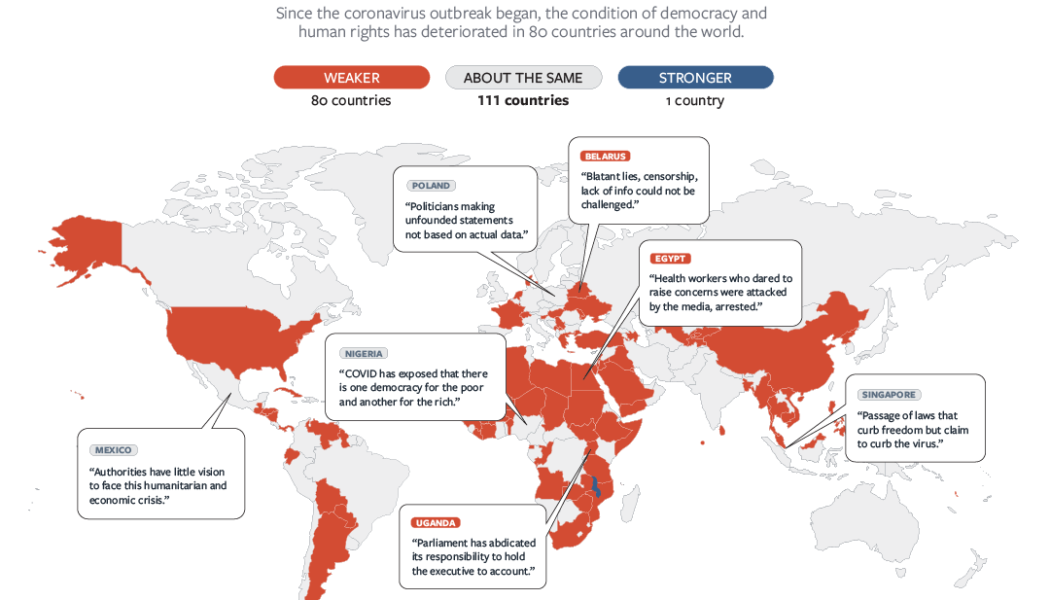

Social Media Reactions to SA & Kenya Leaving UK Red List
We use cookies on our website to give you the most relevant experience by remembering your preferences and repeat visits. By clicking “Accept All”, you consent to the use of ALL the cookies. However, you may visit “Cookie Settings” to provide a controlled consent. You Deserve to Make Money Even When you are looking for Dates Online. So we reimagined what a dating should be. It begins with giving you back power. Get to meet Beautiful people, chat and make money in the process. Earn rewards by chatting, sharing photos, blogging and help give users back their fair share of Internet revenue.
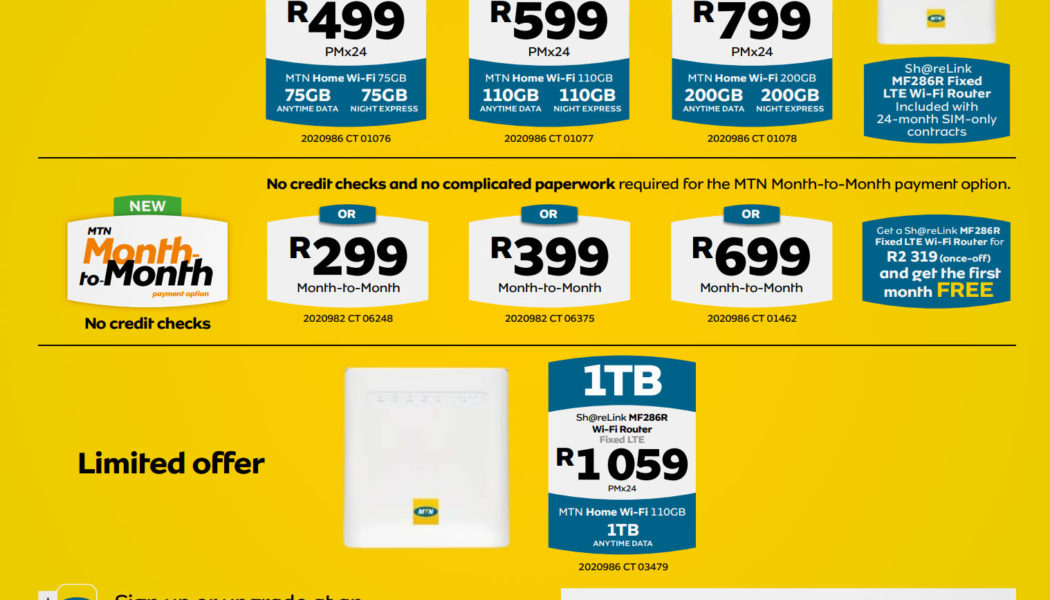

MTN SA Launches New Uncapped LTE Data Deals
Sourced from Business Tech MTN is introducing new MyMTN Home Uncapped Fixed LTE to South Africans starting from R499 per month for speeds up to 10Mbps. “We are excited to introduce MyMTN Home Uncapped Fixed LTE gives customers high-speed uncapped streaming, endless connectivity, and coverage with always-on reliability and a seamless start with a free WiFi Router,” says Megan Nicholas, GM for Residential at MTN SA. According to a statement from the mobile operator, recent growth in demand for flexible data solutions and the increasing need of customers to remain connected has led to the introduction of MyMTN Home Uncapped Fixed LTE. Customers who purchase any of the 24-month MyMTN Home Uncapped deals from 1 October 2021 until 31 December 2021 will receive a Fixed LTE Wi-Fi router for free. ...

Chipper Cash Interview: ‘SA’s Data Costs Were A Challenge’
We use cookies on our website to give you the most relevant experience by remembering your preferences and repeat visits. By clicking “Accept All”, you consent to the use of ALL the cookies. However, you may visit “Cookie Settings” to provide a controlled consent. You Deserve to Make Money Even When you are looking for Dates Online. So we reimagined what a dating should be. It begins with giving you back power. Get to meet Beautiful people, chat and make money in the process. Earn rewards by chatting, sharing photos, blogging and help give users back their fair share of Internet revenue.

SA’s Vaccine Certificate Website Isn’t Working
We use cookies on our website to give you the most relevant experience by remembering your preferences and repeat visits. By clicking “Accept All”, you consent to the use of ALL the cookies. However, you may visit “Cookie Settings” to provide a controlled consent. You Deserve to Make Money Even When you are looking for Dates Online. So we reimagined what a dating should be. It begins with giving you back power. Get to meet Beautiful people, chat and make money in the process. Earn rewards by chatting, sharing photos, blogging and help give users back their fair share of Internet revenue.

Eskom Issues Load Shedding Warning in SA
We use cookies on our website to give you the most relevant experience by remembering your preferences and repeat visits. By clicking “Accept All”, you consent to the use of ALL the cookies. However, you may visit “Cookie Settings” to provide a controlled consent. You Deserve to Make Money Even When you are looking for Dates Online. So we reimagined what a dating should be. It begins with giving you back power. Get to meet Beautiful people, chat and make money in the process. Earn rewards by chatting, sharing photos, blogging and help give users back their fair share of Internet revenue.
