

Southern Africa


E-Livestock and Mastercard Launch Blockchain-Based Solution to Aid Farmers in Zimbabwe
Image sourced from Feed Navigator. E-Livestock Global today launched a first-of-its-kind solution powered by Mastercard’s blockchain-based Provenance solution, empowering Zimbabwean farmers to prove the origin and health records of their cattle, while reducing risks to buyers. First-of-its-Kind A first in the Middle East and Africa, the solution brings new hope to Zimbabwe’s agricultural sector after an outbreak of tick-borne disease in 2018 led to the death of 50,000 cattle. The lack of a traceability system has seen Zimbabwe unable to export beef to lucrative markets in Europe and the Middle East in recent years, reducing export earnings from beef, which are important to the country’s economy. The E-Livestock Global solution brings end-to-end visibility to the cattle supply chain. Commer...


Agritech SupPlant Raises $10-Million to Accelerate South African Agriculture Growth
Sourced from Getty Images. /* custom css */ .tdi_4_476.td-a-rec-img{ text-align: left; }.tdi_4_476.td-a-rec-img img{ margin: 0 auto 0 0; } Today SupPlant, a leading precision agriculture hardware-software solution, has announced its recent funding round, raising $10-million partially dedicated to accelerating its penetration into the South African Market. The round is co-led by Boresight Capital, Menomadin Foundation, Smart-Agro Fund and Mivtah Shamir. The raise brings SupPlants’s total funding to more than $19-million. New Challenges Faced by Farmers The round comes amidst global warming impacting South African farmers who are dealing daily with the unpredicted climate that is changing rapidly causing tropical storms, cold spells, heat waves and constant lack of irrigation water. /* custo...

How COVID-19 Has Driven a Cashless World Through Contactless Payments
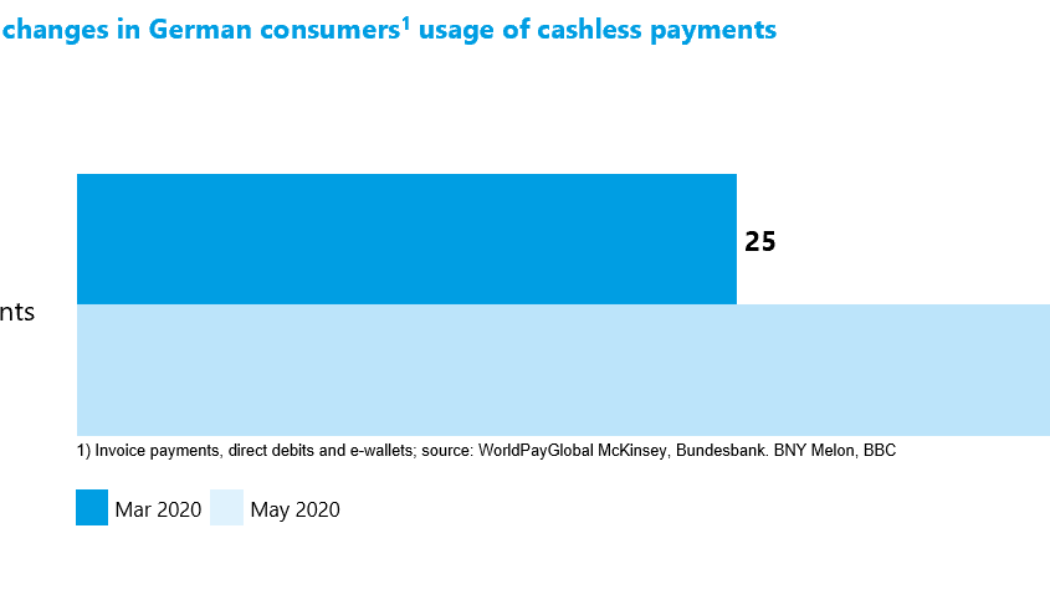
Image sourced from PYMNTS. /* custom css */ .tdi_4_560.td-a-rec-img{ text-align: left; }.tdi_4_560.td-a-rec-img img{ margin: 0 auto 0 0; } Driven by the COVID-19 pandemic, contactless payments have become the world’s preferred payment method. In addition to being safer from a viral transmission perspective, contactless payments are also faster, and integrating multiple contactless payment methods assists small businesses to better maintain financial liquidity. While choice in payment methods boosts Customer Experience (CX), we still have a way to go before South Africa fully embraces cashless payments. This will necessitate educating the population on card security and business owners on the benefits of contactless payments and the reduction of cash on hand. Formal vs Informal Trading /* c...


MultiChoice Sees Surge in Earnings Amidst Subscriber Boom
Image sourced from The Vanguard Nigeria /* custom css */ .tdi_4_dc2.td-a-rec-img{ text-align: left; }.tdi_4_dc2.td-a-rec-img img{ margin: 0 auto 0 0; } South African broadcasting conglomerate MultiChoice Group reports that it has added 1.4-million 90-day active subscribers to its services between the beginning of 2021 to 31 March. MultiChoice also reports that earnings were exceedingly robust despite the ongoing pandemic. This is partly due to the 7% growth year-on-year of its subscribers. The Johannesburg-based corporation ended 2020 with 20.9-million subscribers – 43% from South Africa, while a further 57% of subscribers from the rest of the continent. /* custom css */ .tdi_3_d36.td-a-rec-img{ text-align: left; }.tdi_3_d36.td-a-rec-img img{ margin: 0 auto 0 0; } Growth in the Face of COV...


South African Animation Studio Wins International Film Award
Mama K’s Team 4 on Netflix. Image sourced from Quartz. /* custom css */ .tdi_4_787.td-a-rec-img{ text-align: left; }.tdi_4_787.td-a-rec-img img{ margin: 0 auto 0 0; } Annecy International Animation Festival has awarded South African animation studio, Triggerfish, the Mifa Animation Industry Award. “This is to highlight the pioneering role that the company has played in animation in South Africa, and Africa most widely,” says Véronique Encrenaz, head of Mifa. Previous recipients include Christopher Meledandri, founder of Illumination (Despicable Me); the co-founders of Aardman, Peter Lord and David Sproxton (Wallace & Grommet); Marc Bonny, the creator of Gebeka Films (My Life As A Courgette); Eric Beckman, founder of GKIDS (Wolfwalkers); and Women in Animation (WIA). /* cust...

SA Government Loses Majority Stake in South African Airways
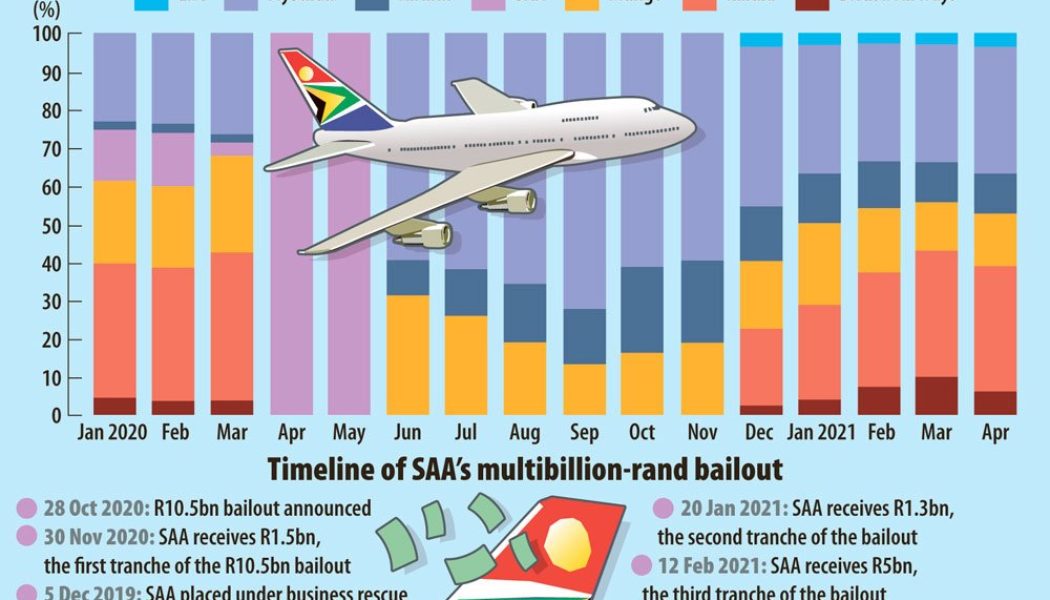
Sourced from The African Report. /* custom css */ .tdi_4_700.td-a-rec-img{ text-align: left; }.tdi_4_700.td-a-rec-img img{ margin: 0 auto 0 0; } The South African government has lost the majority stake of its ailing airline, South African Airways (SAA) through a deal with its new strategic partner Takatso Consortium. Public Enterprise Minister Pravin Gordhan has announced the news that the government has reached an agreement with Takatso Consortium, a private company, that will now own 51% of the airline, with the government remaining with a minority stake at 49%. “Government and the ANC [have] indicated over some time the intention to restructure SAA. The airline was placed into business rescue in December 2019 and since then our objective has been to ensure a viable and competitive airli...


SA President Ramaphosa Finally Gives Greenlight for Private Companies to Boost Country’s Power Grid
Image sourced from SAFA /* custom css */ .tdi_4_c82.td-a-rec-img{ text-align: left; }.tdi_4_c82.td-a-rec-img img{ margin: 0 auto 0 0; } South African President Cyril Ramaphosa has announced that the SA government will finally lift the threshold for embedded generating electricity capacity from 1 MW to 100 MW in South Africa. This move will allow private households and businesses to self-generate power on a larger scale. Ramaphosa says that the increase in embedded generating capacity threshold is vital in creating new ambitious, bold and urgent responses to aid with the country’s ongoing energy crisis. “We are today announcing a significant new step in further reforming our electricity sector towards achieving a stable and secure supply of energy,” the President says. /* custom css */ .tdi...


Confidential Computing – Why Privacy Should be the Heart of Digital Experiences
Image sourced from Intel. In this past year, the consumer experience came to the forefront. As we faced various stages of lockdowns, we turned to online banking, seeing our doctors remotely, running our businesses using technology and socialising through a screen. Digital interactions became a part of our lives – ever-present and normalised as we navigated changes swept in by this pandemic. As our digital interaction became seamless and permeated through every aspect of our lives, privacy continued to be top of mind. We carried out our lives predominantly online – making many of us more vulnerable to fraudsters. As we navigated living our lives digitally, data theft dominated 2020 as the most common attack in the Middle East and Africa. Across the region, data theft and leaks accounted for...


How COVID-19 Has Changed E-Learning Forever
Image sourced from Entrepreneur. E-learning has changed. Much of this change is due to COVID-19, and there’s no going back to the way we were before, however, many organisations may want to do so. “COVID arrived and new technology came to the fore – like Zoom, Meets, Teams and so on. How did you upskill your people on it? Were they ready for it? Are you teaching people to get the best out of things like LinkedIn?” says Michael Gullan, CEO of corporate e-learning consultancy G&G Advocacy. “Executives may not be as equipped to deal with online networking now that physical networking events aren’t as common anymore. Can your C-Suite execs use these tools? Can your sales team?” Companies can no longer afford to see their e-learning as a grudge purchase or an afterthought, says Gullan. “Tha...

Telkom Launches Africa’s First Virtual Banking Card with Ukheshe
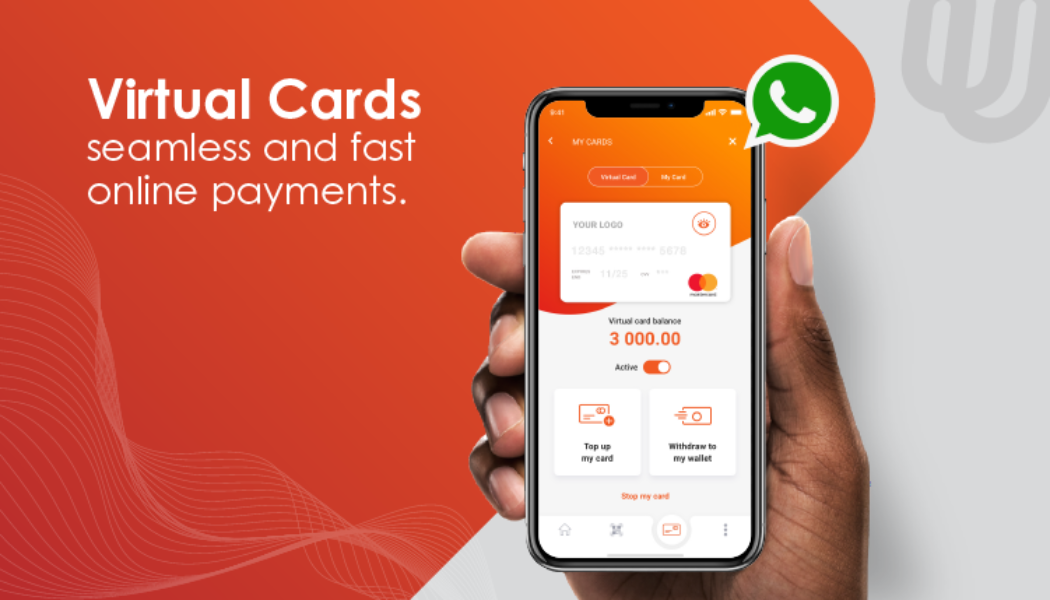
Image sourced from My Broadband /* custom css */ .tdi_4_066.td-a-rec-img{ text-align: left; }.tdi_4_066.td-a-rec-img img{ margin: 0 auto 0 0; } Telkom has launched Africa’s first Mastercard virtual card for use on WhatsApp, enabling Telkom Pay customers to make e-commerce payments. This move is expected to empower millions of South Africans – even those without a bank account – to access the digital economy and transact online. Telkom Pay /* custom css */ .tdi_3_64f.td-a-rec-img{ text-align: left; }.tdi_3_64f.td-a-rec-img img{ margin: 0 auto 0 0; } Launched in 2020, Telkom Pay is a digital payments wallet that enables its users to make and receive payments using WhatsApp on their mobile phone. With the addition of the Mastercard virtual (non-plastic) card to the wallet, users can now make ...

What is POPIA and What Does it Mean for Cybersecurity
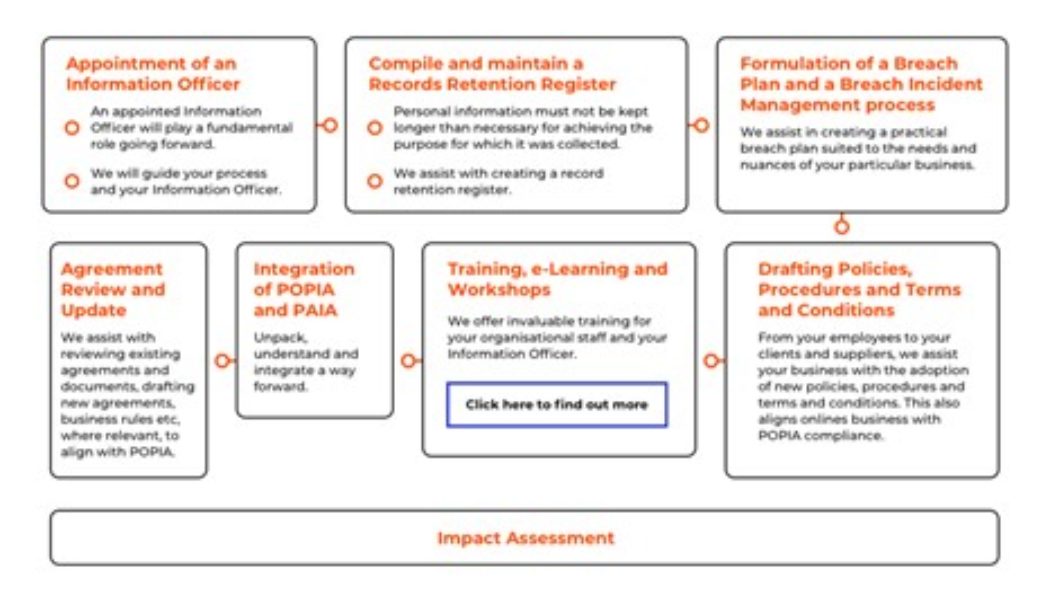
With an inundation of information from all angles regarding The Protection of Personal Information Act (POPIA), and the 1 July commencement date quickly approaching, organisations could be forgiven for feeling more than a little overwhelmed. Emmanuel Tzingakis, Technical Lead for Trend Micro Sub-Saharan Africa, contemplates how POPIA can assist organisations to secure their data and be better enabled to handle any potential cyber threats. What is POPIA? With personal information becoming a hot commodity on the dark web it is critical to understand exactly how to protect data from cybercriminals. A recent global survey revealed that 79% of organisations experienced disruptions, financial loss or other setbacks due to a lack of cyber preparedness in 2020. As work from home strateg...


Gen-Z is SA’s Fastest Growing Group of Online Shoppers at 218%
Courtesy of Raw Pixel. Image sourced from Robosoft Technologies. /* custom css */ .tdi_4_211.td-a-rec-img{ text-align: left; }.tdi_4_211.td-a-rec-img img{ margin: 0 auto 0 0; } By harnessing the power of social media, Gen Z is driving a new wave of the e-commerce boom in South Africa. Apps including Facebook, Instagram and TikTok, which tailor content to the user’s interests and behaviour, have allowed this new generation of spenders to create a personalised shopping mall experience – online. Gen-Z Takes Shopping Online /* custom css */ .tdi_3_f0e.td-a-rec-img{ text-align: left; }.tdi_3_f0e.td-a-rec-img img{ margin: 0 auto 0 0; } According to data sourced by online payment gateway PayFast, the fastest-growing group of local online shoppers in SA are the Gen Z’s, aged between 18 and 24. “Ou...
