

SPIN 35

The White Stripes’ Archivist Ben Blackwell Reveals the Stories Behind Their Greatest Hits
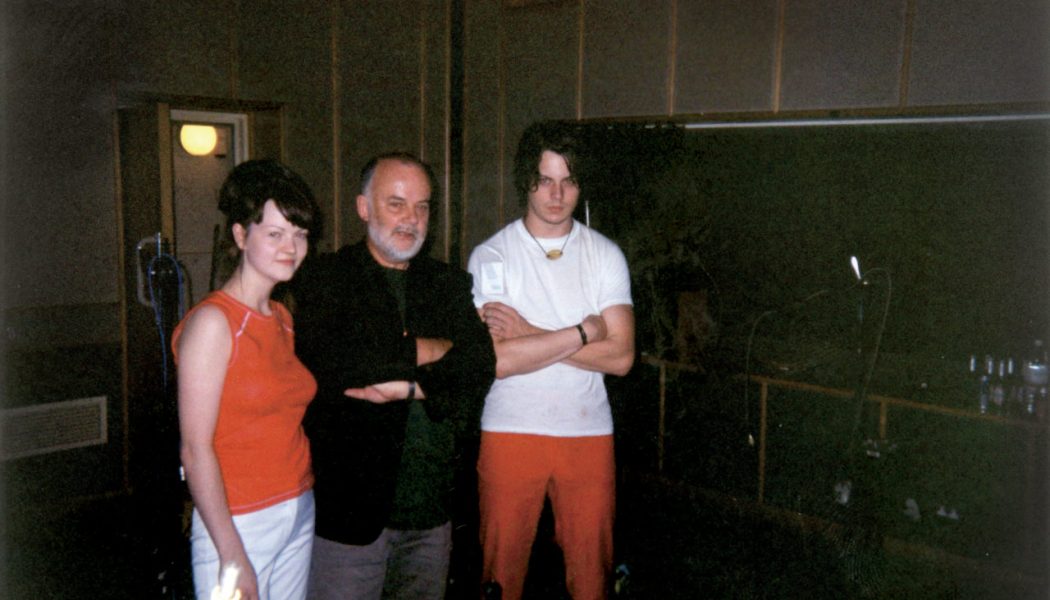
If anyone knows the White Stripes, it’s Ben Blackwell. The Third Man Records co-owner/co-founder, and proclaimed lover of all things Archer Record Pressing, has been with Jack [who is also his uncle] and Meg White from their humble beginnings in Detroit in 1997 to international stardom to their demise in 2011. Blackwell still runs Third Man Records, which he co-founded with Jack White, and continues to preserve the White Stripes’ legacy, as cemented on their first greatest hits collection that’s out on Friday, Dec. 4. Blackwell, who remains the band’s official archivist, gave us the stories behind his favorite songs on the album, most of which you probably don’t know. Jack and Meg with John Peel at the time of the live recording of their first Peel Session CREDIT: Ben Blackwell “The B...

The Most Influential Artists: #4 N.W.A.
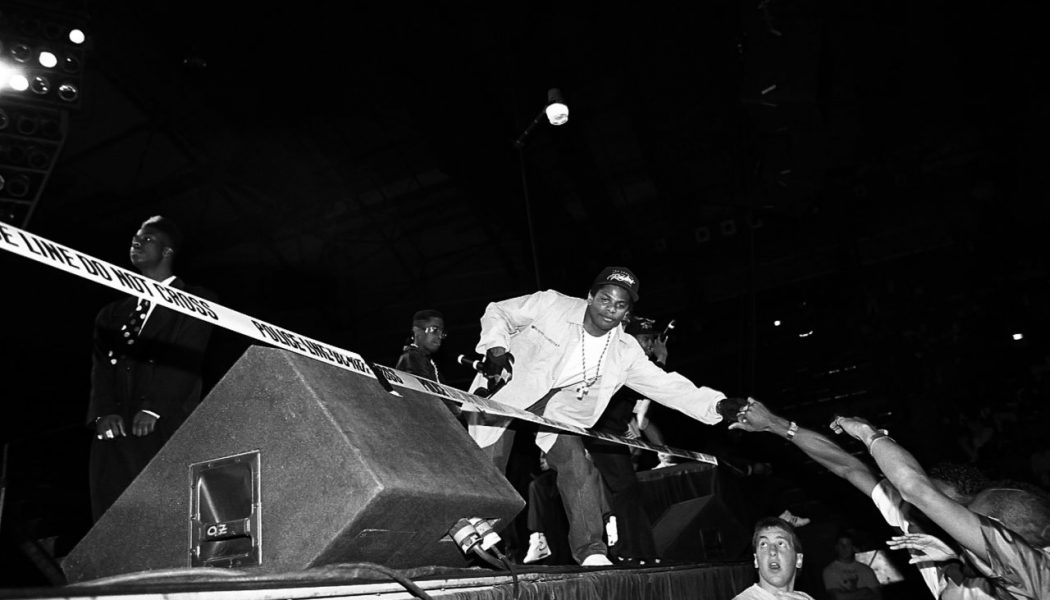
As part of our 35th anniversary, we’re naming the most influential artists of the past 35 years. Today, we’re at #4. From Compton, California, here is N.W.A. CREDIT: Raymond Boyd/Getty Images Few groups with long, prolific careers have changed the world as much as N.W.A. did with two albums and an EP. Like the similarly short-lived Sex Pistols a decade earlier, N.W.A. leveraged shock value to make a cultural impact far beyond what could be explained by record sales. Upping the ante from the vague tough guy theatricality of predecessors like Run-DMC, whose street cred was mainly derived from leather jackets and loud voices, N.W.A. turned Compton into an object of fear and fascination in the popular imagination. Gangsta rap has continued to inspire moral panic over the last three decades, bu...

Made in Nigeria: The Grandson of Fela Kuti Upholds His Family’s Afrobeat Message
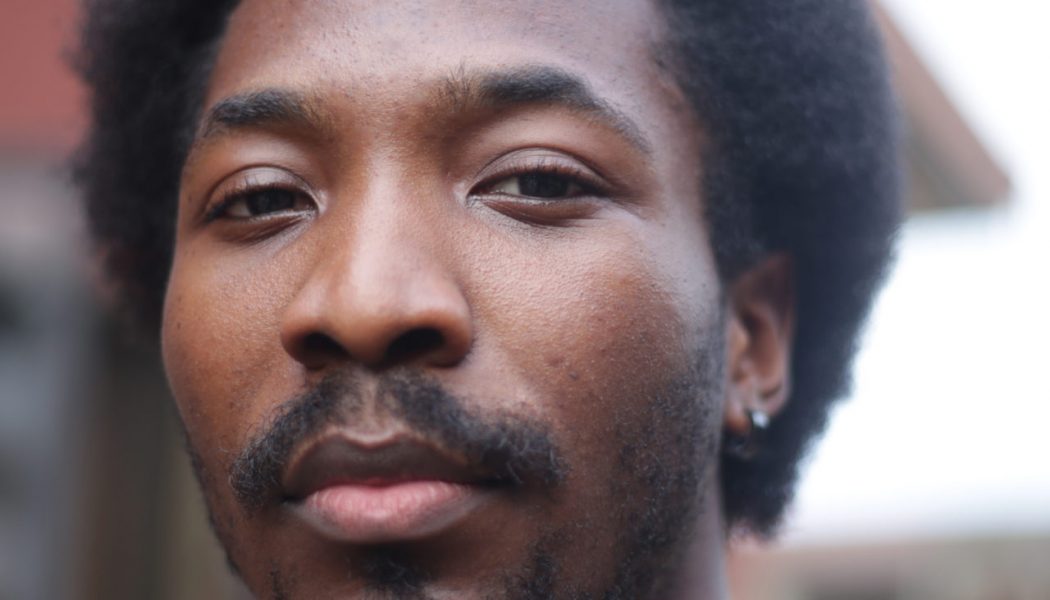
“A self-centered way of life will bring all of us down in the end,” Made Kuti sighs on “Different Streets,” the saddest funky track to come out in 2020. The song [a cut off his forthcoming solo album, For(e)ward] starts off on an invigorating note, with an Afrobeat rhythm driven by a pulsing riff. Kuti delivers a freeform alto sax solo and lays down thick layers of drums, playing all the instruments himself. But when he sings, the Nigerian musician sounds defeated. “We must now understand just how scary it is that we are facing the same problems from the ’70s,” he murmurs during a mid-song monologue, his voice low in the mix as he echoes the frustrations of his late, great grandfather, Nigerian Afrobeat pioneer Fela Anikulapo-Kuti. CREDIT: Optimus Dammy Throughout Fo...

Still Bad to the Bone
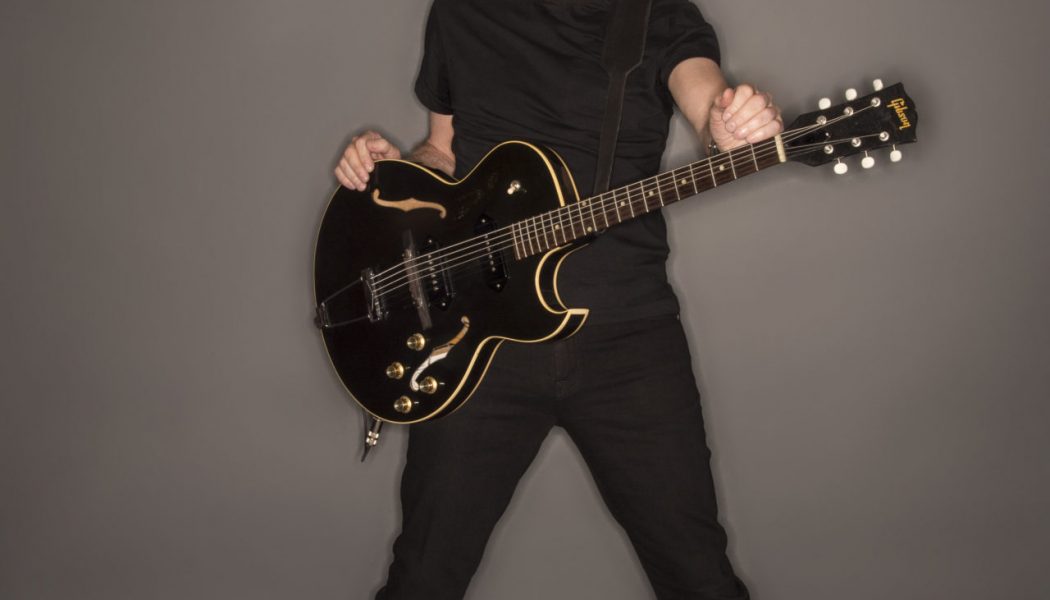
George Thorogood has made a living performing other musician’s songs. He’s performed them so damn well we all think he’s the original artist. His self-described journey of “starting from the bottom and clawing to the middle” began once he got the heck out of Delaware. As he sang in “Bottom of the Sea,” Thorogood has “been all around the world.” He traveled cross-country for a shot at being in John Lee Hooker’s band becoming a street performer along the way. He lived in Boston. Has been performing in New Zealand and Australia and Europe for decades. He currently lives in Southern California. Covering and mastering such songs as Bo Diddley’s “Who Do You Love” and John Lee Hooker’s version of “One Bourbon, One Scotch, One Beer” (which was originally written by Rudy Toombs in 1953 and initiall...


The Most Influential Artists: #5 Nine Inch Nails
As part of our 35th anniversary, we’re naming the most influential artists of the past 35 years. Today, we’re at #5. From Cleveland, Ohio, here is Trent Reznor/Nine Inch Nails. CREDIT: Frank Micelotta/Getty Images Long before Trent Reznor was sitting for thoughtful, lightly acerbic interviews, sitting in on Beats Music executive meetings and steadily amassing Academy Award nominations with Atticus Ross, he was an exceptionally angry young pop auteur. While Nine Inch Nails is a revolving door, Reznor is the door: a patient perfectionist who runs a tight ship, doesn’t suffer major label fools lightly and is largely responsible for legitimizing and popularizing industrial pop in the U.S. The bracing 1992 EP Broken is a conceptual work, recorded covertly, in agitation against Reznor...


35 Great Songs You Probably Didn’t Hear in the Last 35 Years
SPIN has always highlighted the under-heralded, but an uncountable number of amazing songs have fallen through the cracks since the publication’s 1985 launch. It’s hard to scratch the surface in a list of this size, but consider this chronological mixtape a fun attempt. Many of these selections are personal — cherished, semi-obscure tracks that deserve a bigger audience. But in order to cast a wide net, we solicited suggestions from friends, fellow music journalists and musicians (including Sparks and Modest Mouse), who helped make this round-up deeper and more eclectic than it would have been otherwise. From lo-fi pop to hi-fi prog, here are 35 gems you probably missed over the last 35 years. – Ryan Reed Mazarati – “Strawberry Lover” (1986) This Minneapolis funk band is still ...

The Most Influential Artists: #6 2Pac
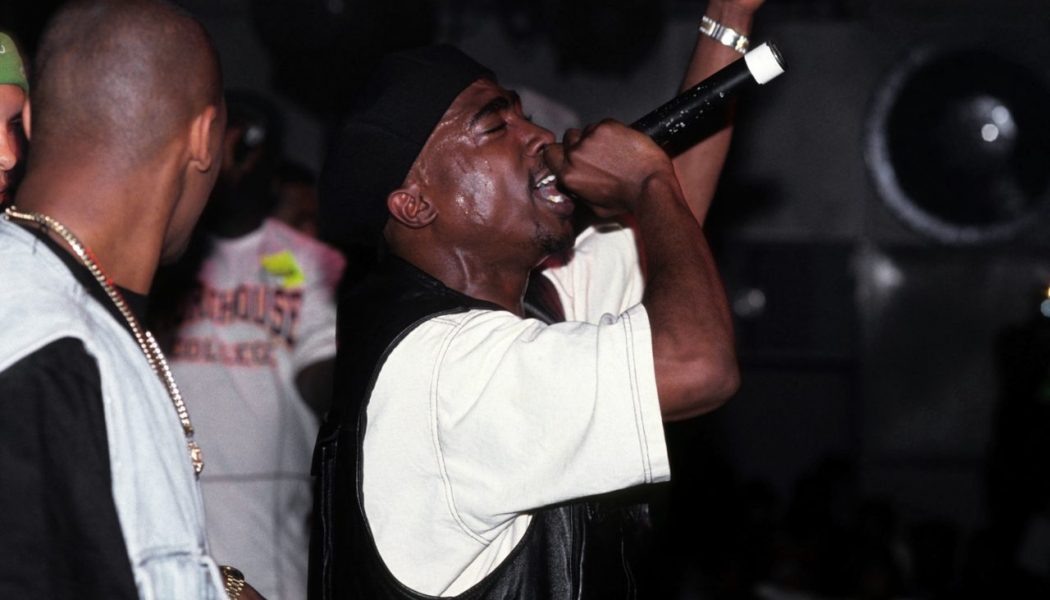
As part of our 35th anniversary, we’re naming the most influential artists of the past 35 years. Today, we’re at #6. From California, here is 2Pac. CREDIT: Al Pereira/Michael Ochs Archives/Getty Images 2Pac died at 25. He’d only released four albums when the fatal shots ripped through his BMW in Las Vegas. Despite the brevity of his life, Tupac Amaru Shakur lived so many lives at once. Rapper, actor, activist, thug, convict, inmate, martyr—his impact on rap and popular culture remains indelible. Named after a Peruvian revolutionary and born to a Black Panther, 2Pac was almost fated to reject authority and speak for the disenfranchised. His adolescent love of acting and poetry translated to his music. The thespian, poet, and self-proclaimed thug (despite no gang ties) who eventually a...

Tommy, Can You (Still) Hear Me?
Music in general is too rarely inspirational. It has too often become the white noise we shove into the background as we scan social media feeds. If music is a savior that pulls us together, we’ll need to embrace the resurrection of the almighty concept album. They fill in the small pixels that complete the big picture, and sometimes inspire other musicians to elevate their game. If you said Sgt. Pepper’s Lonely Hearts Club Band by The Beatles, you are wrong. But you may also be right. That’s because the term “concept album” is rather ambiguous. In its most generic form, it’s an album where all the songs adhere to a certain theme or concept. The purists, however, will tell you that it maintains a cohesive theme via a narrative of some sort. Hip hop artist Deacon The Villain describes them ...

The Most Influential Artists: #7 Run-DMC
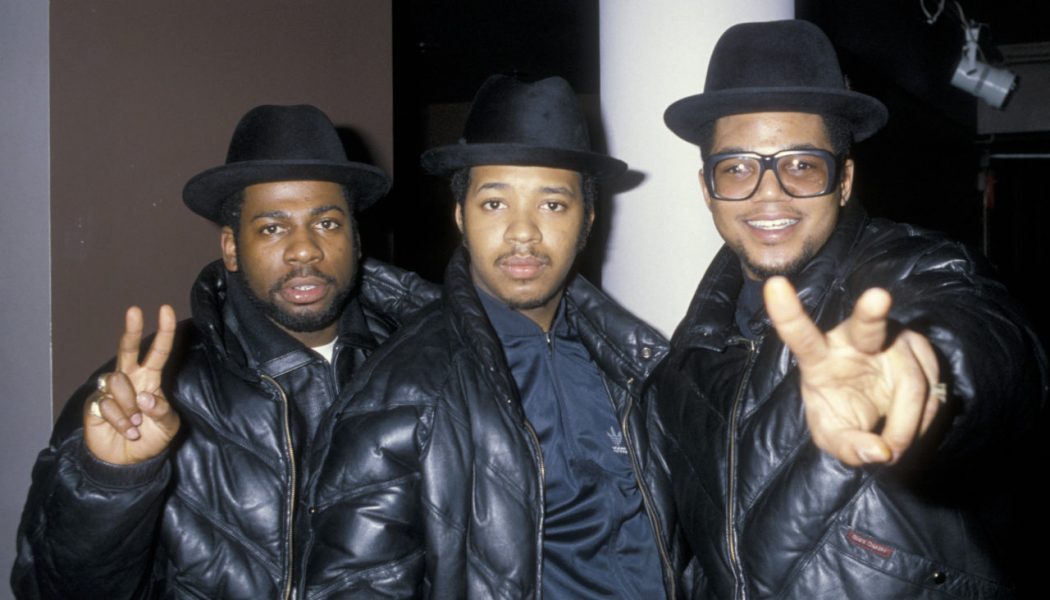
As part of our 35th anniversary, we’re naming the most influential artists of the past 35 years. Today, we’re at #7. From Queens, New York, here are Run-DMC. CREDIT: Ron Galella, Ltd./Ron Galella Collection via Getty Images Hip-hop had to go through rock in order to become the driving force of American popular music. And more than anyone else, it was Run-DMC and Jam Master Jay, with assists from producer Rick Rubin and tourmates the Beastie Boys, who piloted that journey. “Rock Box” was an outlier on Run-DMC’s 1984 self-titled debut, much like “Roots, Rap, Reggae” was the novel genre experiment on their second album. But the screaming guitar riffs — and the video in which Joseph “Run” Simmons and Darryl “DMC” McDaniels rap to punk rockers at New York City club Danceteria — made “Rock...

Country Girl
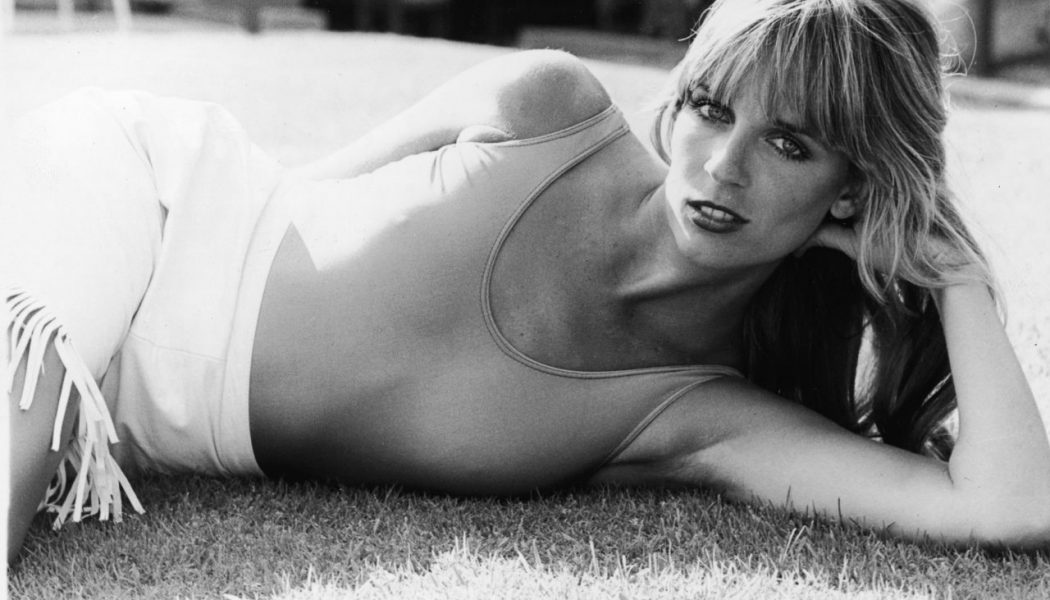
Long before the Taylor Swifts, Miranda Lamberts and Brandi Carliles, Carlene Carter set the standard for today’s independent, self-empowered, and irrepressible female country artists—and she did so when country music, as Barbara Mandrell sang in her 1981 Country Music Association Single of the Year, “wasn’t cool.” Three years earlier, the daughter of 1950s and ’60s country crooner/honky-tonker Carl Smith and the Carter Family’s June Carter Cash — and stepdaughter of Johnny Cash — released her self-titled debut album, on Warner Bros. The label had sagely sent her off to London with the idea of recording country music with a rock band. But it wasn’t just any rock band: Carlene Carter was recorded with New Wave singer-songwriter Graham Parker’s cutting-edge The Rumour, and produced by its key...
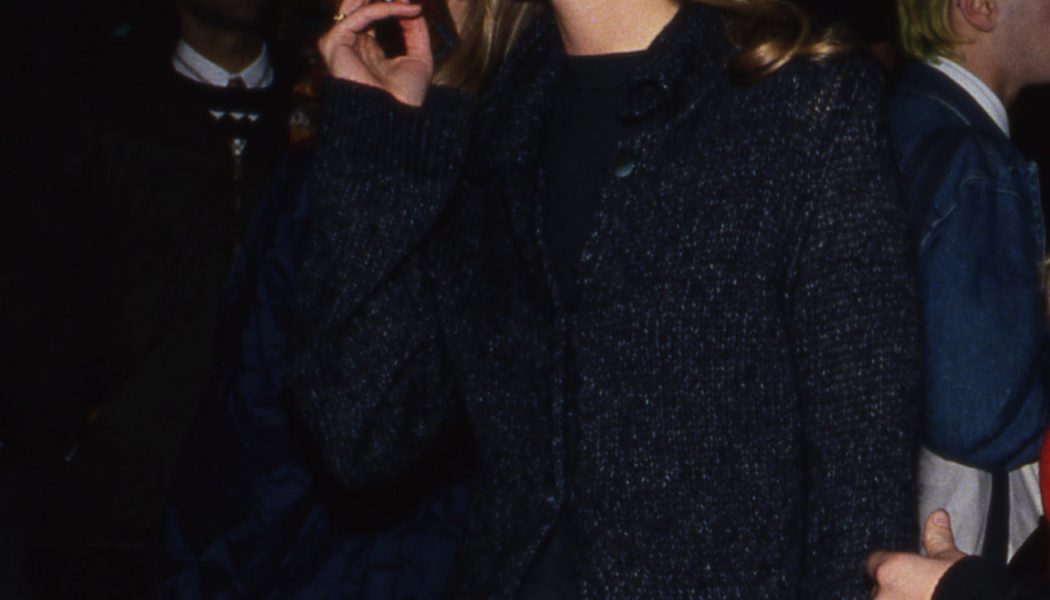

America’s Obsession: Our 1994 Kate Moss Interview
This article originally appeared in the September 1994 issue of SPIN. From billboard to shining billboard, Kate Moss’s lank frame and doe-eyed stare have dropped a volatile mixture of fame and fury into her 20-year-old lap. Elizabeth Mitchell hops continents to sift through the myths and mystique. If Kate Moss were to open her ripe, Cupid’s-bow mouth to make a public statement, it would go something like this: “I’m not anorexic, I’m not a heroin addict, I’m not pregnant – all the shit they fucking say about me is not true. It’s a load of lies the media made.” Moss pauses for breath. She is a lot of life when you meet her outside a picture. CREDIT: Catherine McGann/Getty Images Moss is not making a statement. She’s enduring an interview, a process she hates because she doesn’t wan...
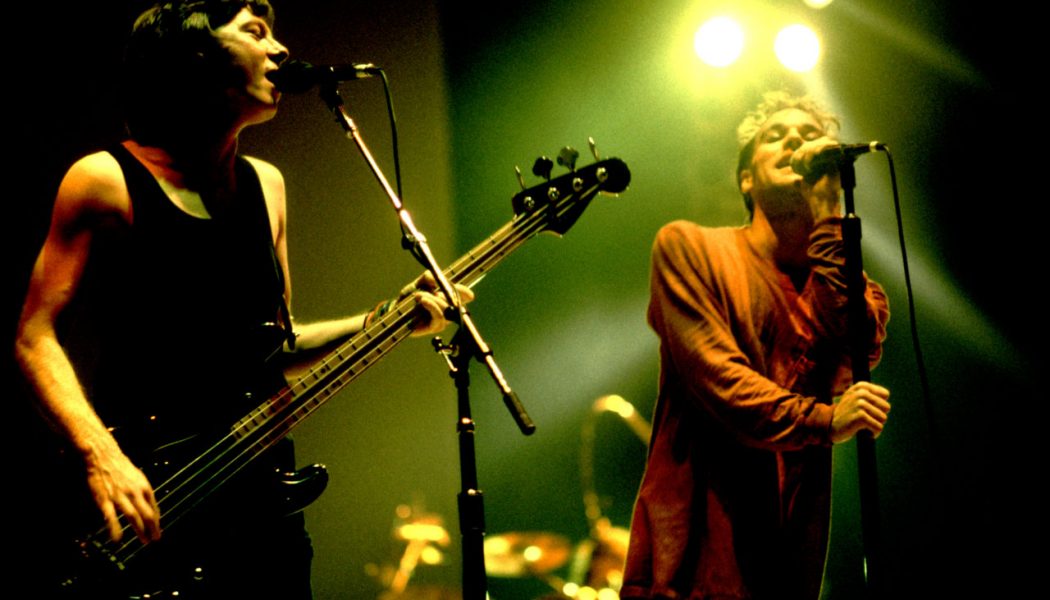

The Most Influential Artists: #8 R.E.M.
As part of our 35th anniversary, we’re naming the most influential artists of the past 35 years. Today, we’re at #8. From Athens, Georgia, here is R.E.M. CREDIT: Paul Natkin/Getty Images It started not with an earthquake, but a conversation. Michael Stipe and Peter Buck first met in 1980, at a record shop just off campus at the University of Georgia. They bonded over mutual favorite art- and punk-rock bands, and they soon started writing music together. A few months later, joined by fellow student-musicians Mike Mills and Bill Berry, they played their first show at a friend’s birthday party. Most anonymous college groups never get much further — let alone shoulder a movement that would reroute rock history. Throughout the ‘80s, R.E.M. were unwitting architects of alternative rock’s f...
