

Stephen Cooper
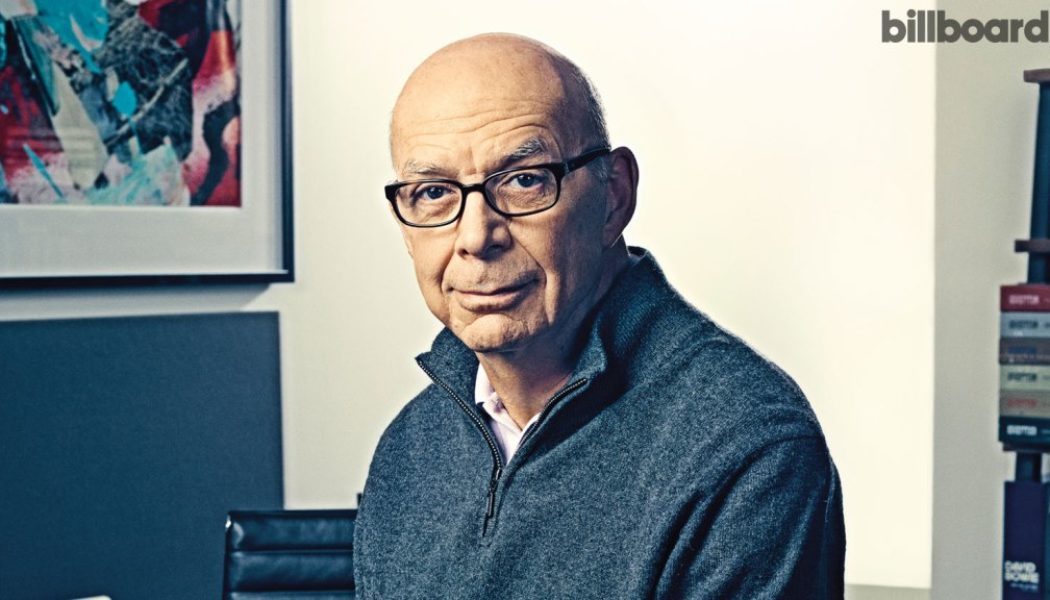

Who Will Lead Warner Music Next? The 12 Top Candidates to Fill Stephen Cooper’s Role
With the announcement last week that Stephen Cooper would be stepping down from his role as CEO of the Warner Music Group by the end of 2023, industry speculation has ramped up around who might replace him. Cooper took over WMG in the summer of 2011 at a time when the company and the music business at large were in very different places than they are now: industry revenues had been tanking for a decade with no end in sight; Spotify had launched in the United States just a month prior, with streaming still a speculative format; Warner was a newly private company under the umbrella of its then-new owner, Len Blavatnik’s Access Industries; and the music group, as with much of the recorded-music sector at the time, was struggling. Cooper at the time was chairman of the company’s board and had ...
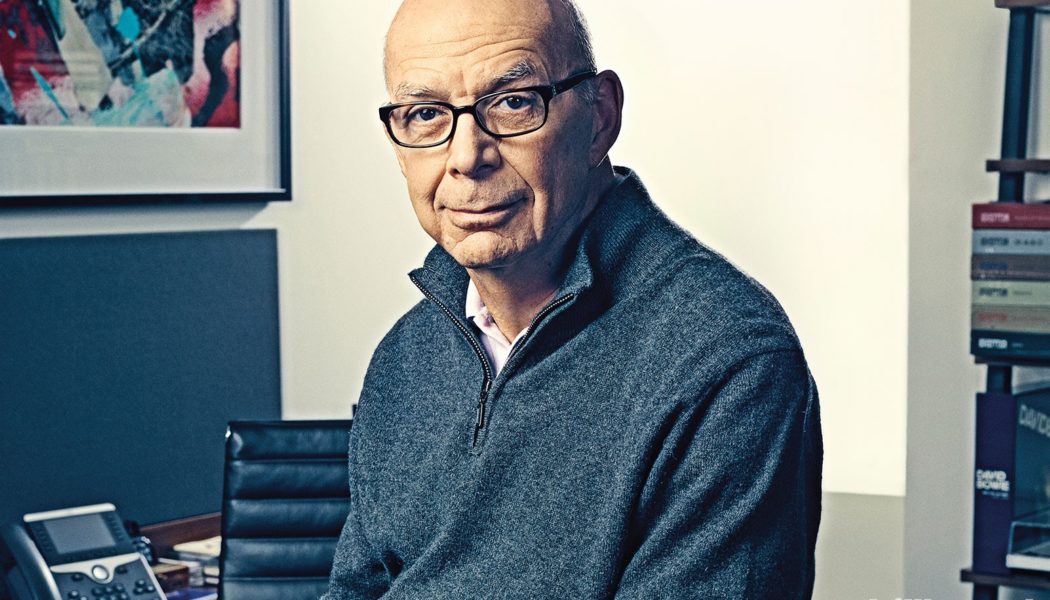

5 Things Warner Music Group’s Earnings Say About the Industry’s Future
“There are tens of thousands of tracks that are uploaded every day to streaming services around the world,” said Cooper. A label such as Warner, he said, helps artists “separate their music and their careers from literally all of this noise.” As for Warner’s finances, looking at trailing 12-month revenue, which removes the effect of any one quarter, Warner improved by 13.2%. Physical sales returned to normalcy, climbing from $51 million in a pandemic-stricken quarter a year earlier to $130 million; the quarter included Record Store Day on June 12, which led to record one-week vinyl sales in the U.S., according to MRC Data (next quarter’s earnings will benefit from the July 22 Record Store Day, the second-highest ever). Growth in streaming revenue was adequate at 22.5% for recorded mu...
