

tech news
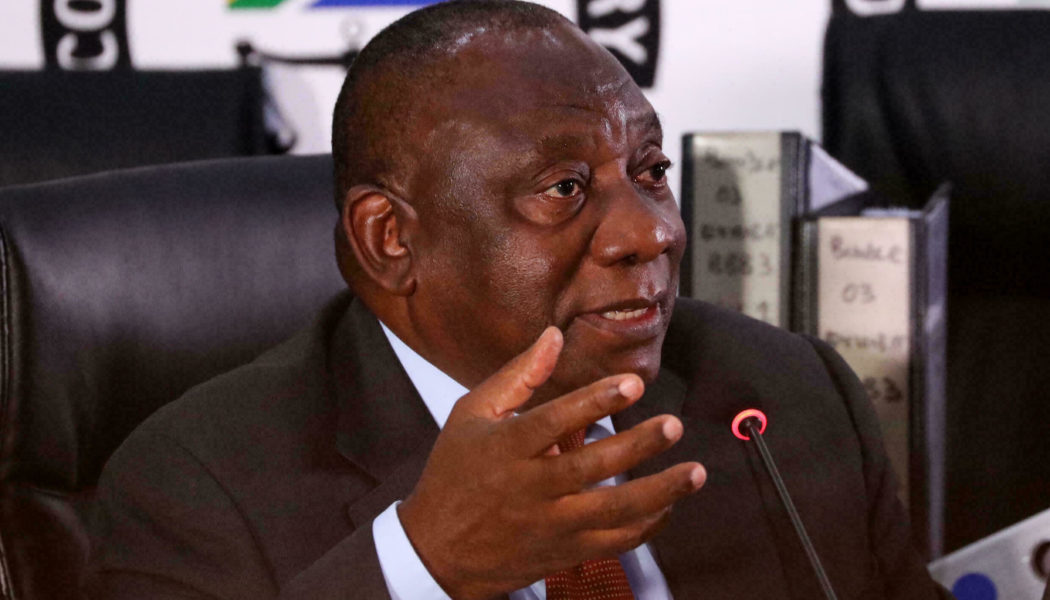

Ramaphosa Announces Vaccine Passports for SA + All The Details
We use cookies on our website to give you the most relevant experience by remembering your preferences and repeat visits. By clicking “Accept All”, you consent to the use of ALL the cookies. However, you may visit “Cookie Settings” to provide a controlled consent. You Deserve to Make Money Even When you are looking for Dates Online. So we reimagined what a dating should be. It begins with giving you back power. Get to meet Beautiful people, chat and make money in the process. Earn rewards by chatting, sharing photos, blogging and help give users back their fair share of Internet revenue.


ICASA Sets New Deadline for Controversial Spectrum Auction
Sourced from PC Mag Last month, the Independent Communications Authority of South Africa (ICASA), the country’s communications regulator, announced that it would not be publishing invitations to apply (ITA) to participate in the highly anticipated auction of high-demand spectrum in South Africa, effectively postponing the auction. ICASA said that the move was made to avoid lengthy court battles against several litigators that had issues with how ICASA was handling the auction. The regulator likewise withdrew an ITA for the licensing of the planned wholesale open-access network (WOAN). Now, following more than a decade of delays and legal issues, ICASA has announced a new timetable for the auction of its high-demand spectrum in the country. According to Media24, SA’s high data prices (some ...


UKheshe Partners Chipper Uniting 2 of the Most Valuable FinTechs in Africa
We use cookies on our website to give you the most relevant experience by remembering your preferences and repeat visits. By clicking “Accept All”, you consent to the use of ALL the cookies. However, you may visit “Cookie Settings” to provide a controlled consent. You Deserve to Make Money Even When you are looking for Dates Online. So we reimagined what a dating should be. It begins with giving you back power. Get to meet Beautiful people, chat and make money in the process. Earn rewards by chatting, sharing photos, blogging and help give users back their fair share of Internet revenue.


Africa’s 5 Unicorn Startups – Which Has the Highest Valuation?
We use cookies on our website to give you the most relevant experience by remembering your preferences and repeat visits. By clicking “Accept All”, you consent to the use of ALL the cookies. However, you may visit “Cookie Settings” to provide a controlled consent. You Deserve to Make Money Even When you are looking for Dates Online. So we reimagined what a dating should be. It begins with giving you back power. Get to meet Beautiful people, chat and make money in the process. Earn rewards by chatting, sharing photos, blogging and help give users back their fair share of Internet revenue.
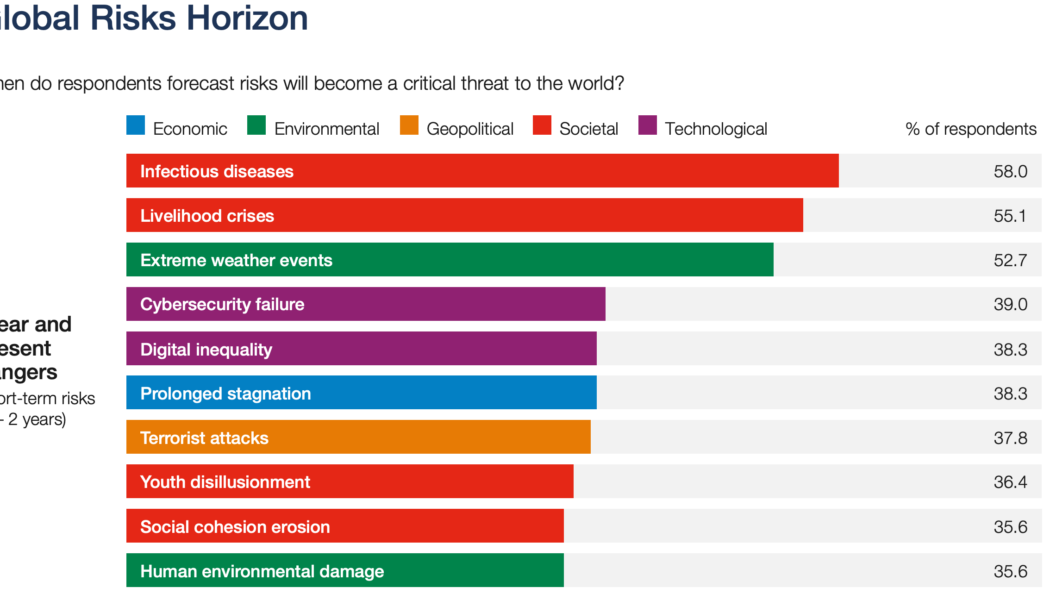

SA Has Less Than 3 Days Worth of Blood Stocks Amid COVID Impact
We use cookies on our website to give you the most relevant experience by remembering your preferences and repeat visits. By clicking “Accept All”, you consent to the use of ALL the cookies. However, you may visit “Cookie Settings” to provide a controlled consent. You Deserve to Make Money Even When you are looking for Dates Online. So we reimagined what a dating should be. It begins with giving you back power. Get to meet Beautiful people, chat and make money in the process. Earn rewards by chatting, sharing photos, blogging and help give users back their fair share of Internet revenue.


South Africans Are “Extremely Bullish” About Crypto – Luno
We use cookies on our website to give you the most relevant experience by remembering your preferences and repeat visits. By clicking “Accept All”, you consent to the use of ALL the cookies. However, you may visit “Cookie Settings” to provide a controlled consent. You Deserve to Make Money Even When you are looking for Dates Online. So we reimagined what a dating should be. It begins with giving you back power. Get to meet Beautiful people, chat and make money in the process. Earn rewards by chatting, sharing photos, blogging and help give users back their fair share of Internet revenue.
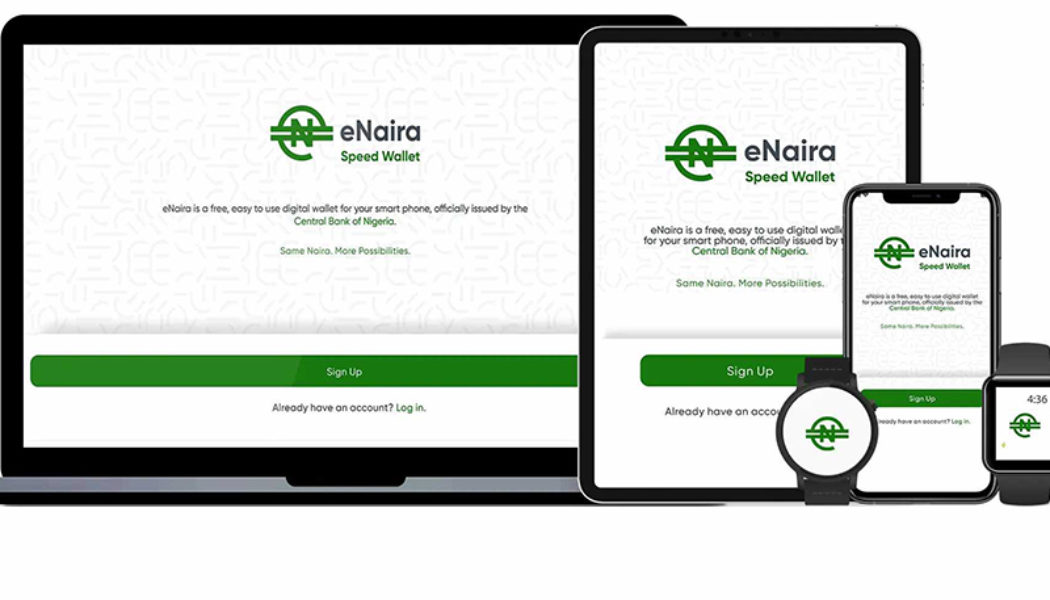

Nigeria’s Central Bank Launches eNaira Website
We use cookies on our website to give you the most relevant experience by remembering your preferences and repeat visits. By clicking “Accept All”, you consent to the use of ALL the cookies. However, you may visit “Cookie Settings” to provide a controlled consent. You Deserve to Make Money Even When you are looking for Dates Online. So we reimagined what a dating should be. It begins with giving you back power. Get to meet Beautiful people, chat and make money in the process. Earn rewards by chatting, sharing photos, blogging and help give users back their fair share of Internet revenue.
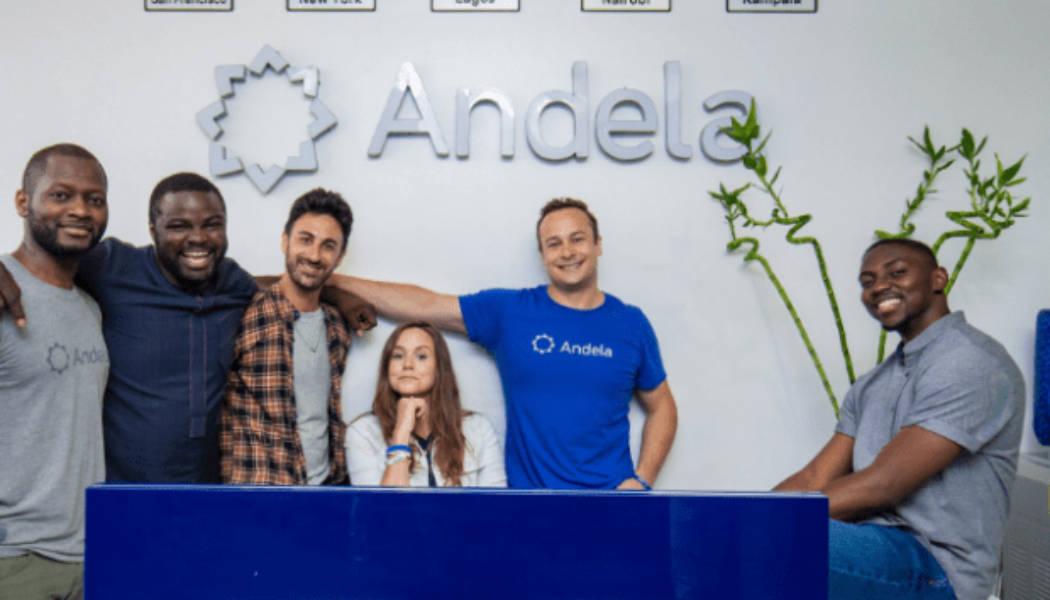

Nigeria’s Andela Achieves $1.5-Billion Valuation in Latest Series E Round
Image sourced from TechCabal. Andela, a global engineering talent outsourcing company launched in Nigeria in 2014 has secured a $200-million investment during a Series E funding round led by SoftBank Vision Fund 2, the venture capital arm of Japanese mega-corp SoftBank. This latest funding round brings Andela’s total valuation to $1.5-billion, officially making it Africa’s fifth unicorn startup. According to TechCabal, Andela began as an African-focused software developer training and outsourcing company. The firm soon grew to become a top source for talented, well-rounded developers in Africa thanks to the company’s developer training methodology and curriculum. The company received a comfortable $24-million injection from Facebook’s Mark Zuckerberg in 2016. Last year, Andela went complet...


Frogfoot SA Acquires Link Africa’s FTTH Network
Abraham van der Merwe, CEO of Frogfoot Networks. Image sourced from ITWeb.com. Frogfoot, a licensed open-access infrastructure provider, has announced its acquisition of the Link Africa Western Cape FTTH (Fibre to the Home) network. The deal comes a few months after MetroFibre Networx purchased Link Africa’s FTTH network in Gauteng and KwaZulu-Natal. Frogfoot says in a statement that the deal will aid in solidifying the company’s position in South Africa’s Fibre Network market. “We are very excited about the acquisition of the Link Africa network in the Western Cape. In addition to growing our FTTH, FTTB, and FTTS customer base and footprint, this transaction also has some nostalgic value. Some parts of the network we are acquiring today was built through a joint venture between Frog...


Businesses Need to Be “Data Driven” for True Digital Transformation says Altron
Image sourced from Planful. Over and above leveraging Artificial Intelligence (AI) and cloud services; it has been widely acknowledged that the key building block for true digital transformation is the need for businesses to become data-driven. Of course, this is a uniquely challenging task for almost every business. Dealing with the Data Challenge At the core of any data strategy lies the need to fully manage and exploit data as a strategic asset throughout its entire life-cycle across the enterprise. This has proven easy for companies born in the cloud, but inherently challenging for organisations that are not. Becoming data-driven requires the will, capacity, resources and discipline to rethink how a business operates from people to processes as well as the technology that glues these e...

AI & Data Storage: Tintri & DDN Together Enable this Symbiotic Relationship
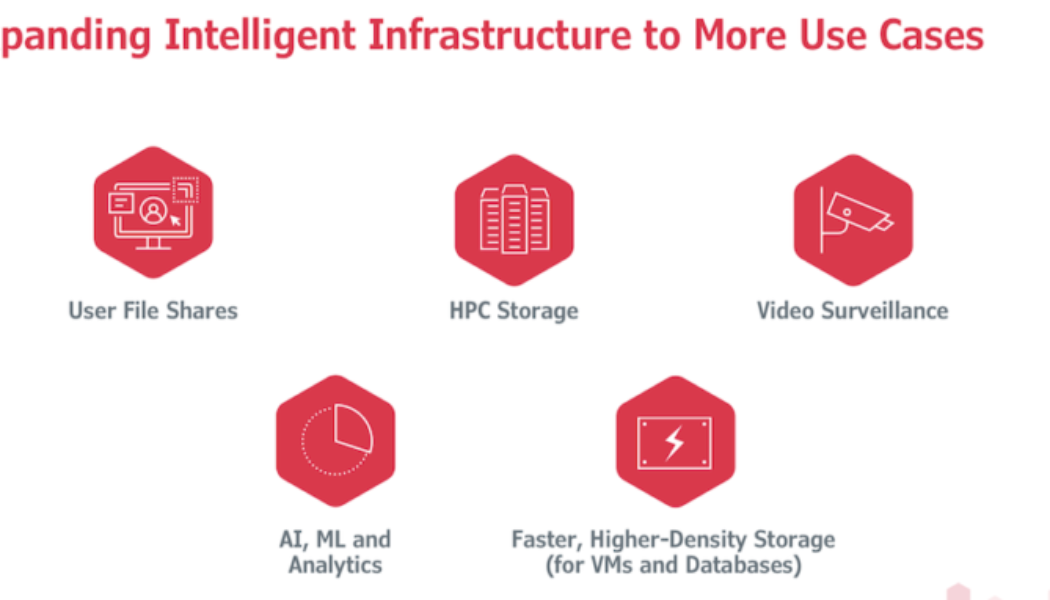
Image by Mohamed Hassan: Pixabay. In the field of enterprise IT, artificial intelligence (AI) is a buzzword that we’ve seen used time and again over the past few years, with the promise of making every part of a business better. What does this mean specifically for data storage? This is the question posed in a recent Tintri blog, which clarifies that AI can be considered as any system that can sufficiently process data to augment, mimic or, in some cases, replace human cognitive functions. As outlined by Tintri co-authors Erwin Daria, Ram Narayanan and Kurt Kuckei, AIs perform within a ‘feedback loop’ that can be categorised by the following key stages: Data analysis: where data is fed into the AI. Inference: where the AI infers a condition from that data. Prescription/action: in most case...


South Africa Braces for Petrol Price Hike as Crude Oil Hits 3-Year High
We use cookies on our website to give you the most relevant experience by remembering your preferences and repeat visits. By clicking “Accept All”, you consent to the use of ALL the cookies. However, you may visit “Cookie Settings” to provide a controlled consent. You Deserve to Make Money Even When you are looking for Dates Online. So we reimagined what a dating should be. It begins with giving you back power. Get to meet Beautiful people, chat and make money in the process. Earn rewards by chatting, sharing photos, blogging and help give users back their fair share of Internet revenue.
