

tech news




Liquid Becomes Largest Independent Network Provider in Africa
Digital solutions provider Liquid Intelligent Technologies achieves the 100,000 km fibre network milestone, positioning the organisation as the largest independent fibre network provider in emerging markets globally. Liquid has been manoeuvring steadily through Africa, investing in increasing its reach, which it has successfully done, moving the dial from 89,989 km at the beginning of 2021 to reach this new milestone now. With its additional fibre network connecting 14 countries, primarily in Sub-Saharan Africa, customers can now explore opportunities in Africa and across the US, Asian and European markets. The organisation’s fibre infrastructure impacts more than 100 million people across 643 towns and cities on the continent. This extensive network will create new opportunities by making...


Samsung Launches Door-to-Door Repair Service in South Africa
Image sourced from Coindesk. Worldwide electronics conglomerate Samsung has launched a “door to door” repair service in South Africa as part of an effort to facilitate the repairs of their customers’ smartphones (and other devices) and “provide another option to visiting a customer care centre”. Samsung refers to the service as “seamless” and it applies to anyone within 40kms of a customer care centre. This new service is another innovation in the world of convenient tech, a welcome prospect to anyone working from home struggling to find time to take their devices in to repair. “Many people don’t always have the time to drive to a customer care centre – especially as they juggle both their home and work commitments,” says an official release from the company. “Fortunately, you can now opt ...


7 Vital Facebook Settings You Can Change Right Now to Protect Your Privacy
Image sourced from Reuters. /* custom css */ .tdi_4_a0d.td-a-rec-img{ text-align: left; }.tdi_4_a0d.td-a-rec-img img{ margin: 0 auto 0 0; } Nowadays it is more common than not to be working from home, and while this does offer advantages, it opens us up to many lurking dangers from cybercriminals and otherwise. Now more than ever we should try to protect ourselves from the dangers of the internet, and a hot spot for these dangers is the world’s favourite social media platform. In April this year alone, over 14-Million South African Facebook users were affected by a massive data breach. These settings can be changed on the browser version of Facebook, which this guide will be using. Though most of the settings can also be changed on the iOS or Android versions of the Facebook app, they may ...
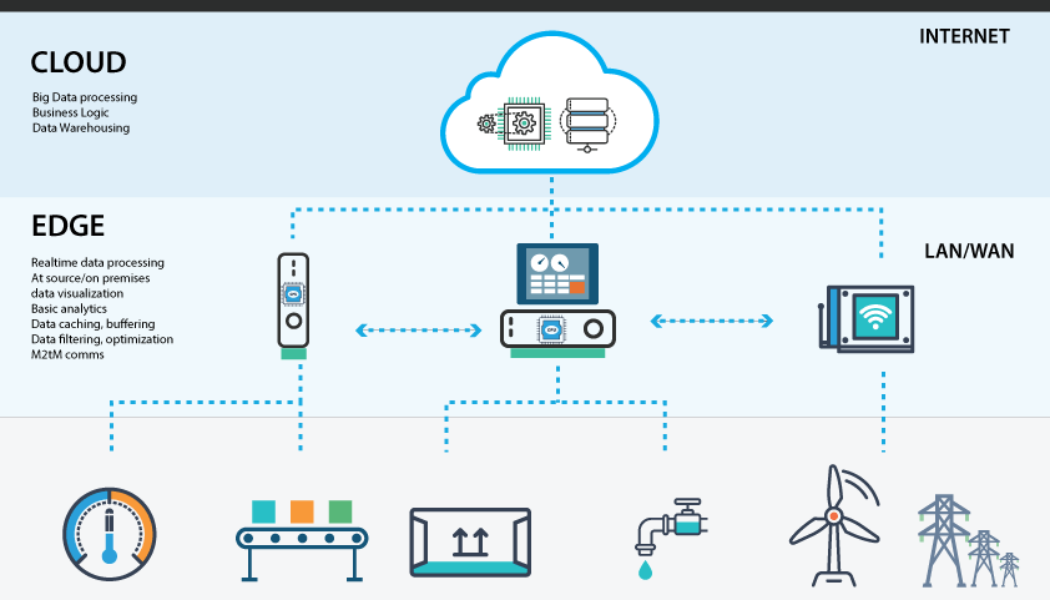

EDGE Computing and What It Means for the Future of the Cloud
Sourced from ZDNet. /* custom css */ .tdi_4_bdd.td-a-rec-img{ text-align: left; }.tdi_4_bdd.td-a-rec-img img{ margin: 0 auto 0 0; } Edge computing is rightly being hailed as the cloud’s silver lining. It is a force multiplier that has triggered a step-change in the performance and scope of the abilities of distributed sensing, computing and action. In short, it brings significantly enhanced benefits to users. It is rare for a single emerging technology to have a truly disruptive impact by itself. Edge computing has emerged as such a key technology within a cluster that includes the cloud, the internet of things (IoT), sensors and smart devices, 5G and artificial intelligence, amongst others. Enter EDGE Computing /* custom css */ .tdi_3_bb3.td-a-rec-img{ text-align: left; }.tdi_3_bb3.td-a-r...
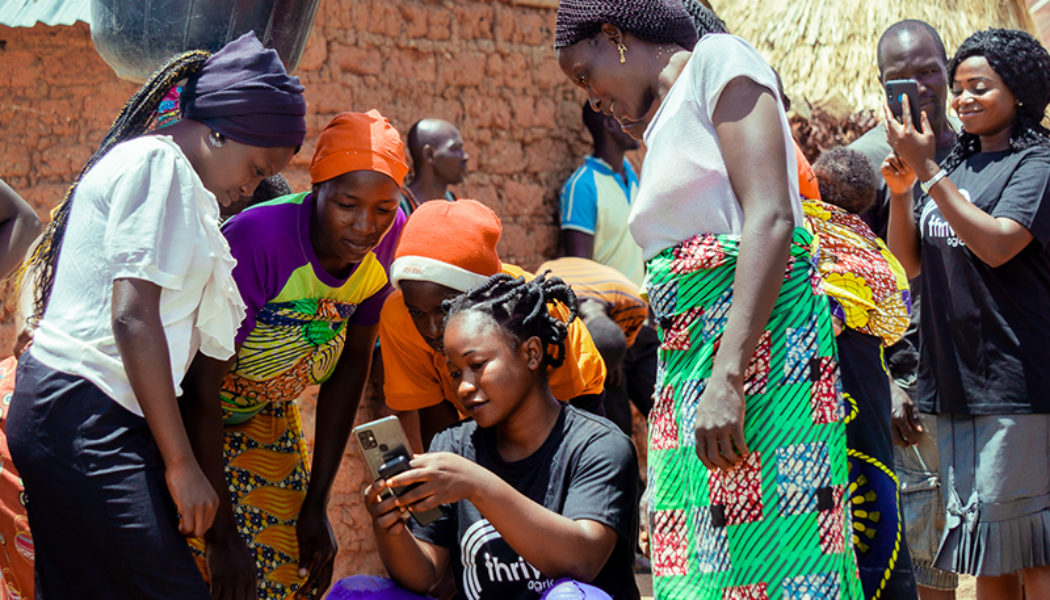

Tech-Driven Agriculture to Boost 50,000 Women and Youth Farmers in Nigeria
/* custom css */ .tdi_4_809.td-a-rec-img{ text-align: left; }.tdi_4_809.td-a-rec-img img{ margin: 0 auto 0 0; } Building on its work to boost food security in Nigeria through technology-drivenagricultural services, Thrive Agric has launched a 1-year project to support 50,000 smallholder farmers growing rice, maize, and soybean. This comes as part of Thrive Agric’s commitment to strengthen agricultural value chains in the country, including for these three staple crops. The USAID-funded West Africa Trade & Investment Hub (Trade Hub) is backing this effort with a $1.75-million co-investment grant. Thrive Agric /* custom css */ .tdi_3_be9.td-a-rec-img{ text-align: left; }.tdi_3_be9.td-a-rec-img img{ margin: 0 auto 0 0; } A natural partner for the Trade Hub, Thrive Agric has already helped...


Twitter Introducing 30-Second Long Full-Screen Ads to Fleets
Image sourced from Mission Statement Academy /* custom css */ .tdi_4_71c.td-a-rec-img{ text-align: left; }.tdi_4_71c.td-a-rec-img img{ margin: 0 auto 0 0; } Twitter has been focusing extensively on adding new features to the service over the last few months in efforts to fuel engagement with users and increase revenue from advertisers. Last year November, Twitter introduced its Instagram and Snapchat-like stories feature, Fleets to mixed reactions from users. However, it seems that the feature has been garnering significant usage as the company plans to introduce up to 30-second long full-screen adverts to Fleets. The adverts will reportedly work similarly to those users stumble across while scrolling past stories on Instagram. Twitter says it will start adding full-screen ads to Fleets, s...


South African Government Now Seeks to Regulate Netflix Content
Sourced from Getty Images. /* custom css */ .tdi_4_360.td-a-rec-img{ text-align: left; }.tdi_4_360.td-a-rec-img img{ margin: 0 auto 0 0; } A new white paper proposal from the Department of Communications and Digital Technologies is set to enforce locally produced content on digital streaming services, with Netflix zeroed in. The paper also seeks to apply other regulations to these services, according to Business Tech. The white paper proposal, contained in the department’s Audio and Audio-Visual Content Services policy framework, suggests that the department will regulate up to 30% of the video catalogue that Netflix has available in South Africa. Netflix’s director of public policy for sub-Saharan Africa, Shola Sanni, says that the streaming goliath is already investing heavily in produci...
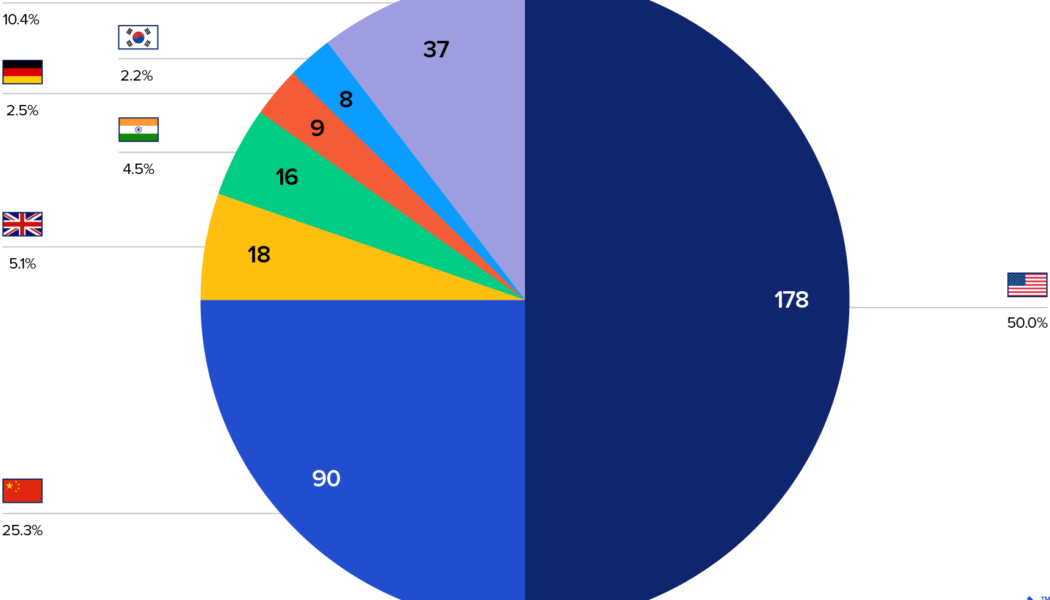

4 Fresh Venture Capital Trends Shaping New African Investments
/* custom css */ .tdi_4_d6c.td-a-rec-img{ text-align: left; }.tdi_4_d6c.td-a-rec-img img{ margin: 0 auto 0 0; } With the second half of 2021 approaches and COVID-19 vaccinations roll out across the globe, albeit at varying rates, Ian Lessem, Managing Partner at HAVAIC, investors in early-stage, high-growth technology businesses, considers the trends making an impact on the African Venture Capital landscape. Homegrown Solutions With the world having adjusted to new ways of shopping, learning, and doing business as a result of the COVID-19 pandemic, the appetite for solutions that solve real, tangible problems are without a doubt the best opportunities for growth. Solutions that offer people and organisations better ways of living and working with less friction will reign supreme. In the Afr...
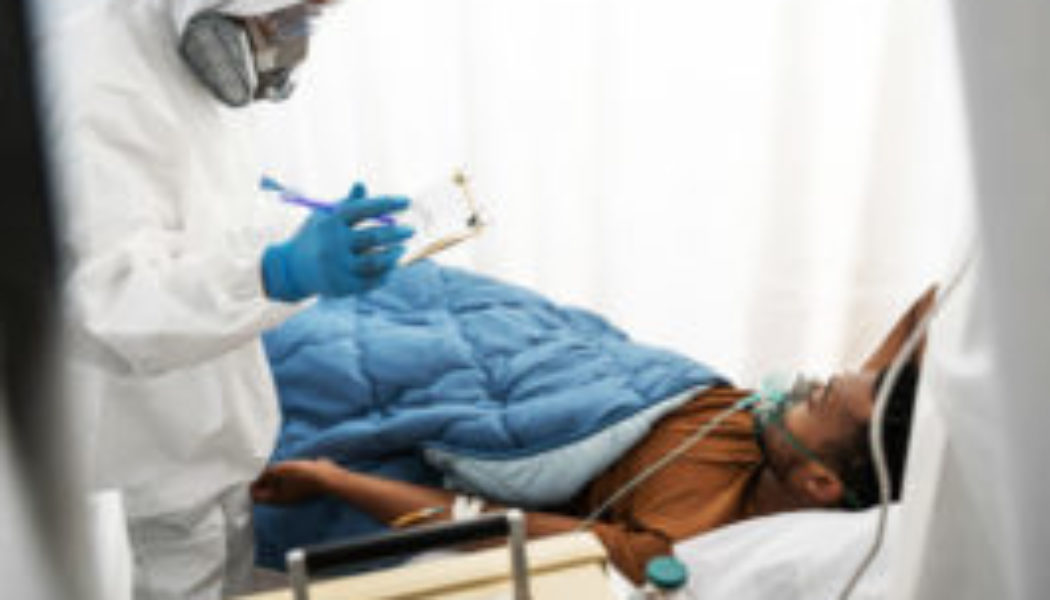

“Ready for Third Wave” Claim SA Oxygen Suppliers
Sourced from Times Live. /* custom css */ .tdi_4_6ee.td-a-rec-img{ text-align: left; }.tdi_4_6ee.td-a-rec-img img{ margin: 0 auto 0 0; } A few weeks after the third wave of COVID-19 infections was confirmed in South Africa, the number of daily infections has again begun to steadily rise. During earlier waves last year many public and private hospitals experienced severe shortages in their oxygen supplies. Now, amongst increasing concerns that oxygen will again begin to run dry, oxygen suppliers have confirmed that they have learnt their lessons during the second wave and have helped increase capacity to meet the demand in the coming weeks or months as the third wave crests upon the country. The Third Wave is Here /* custom css */ .tdi_3_110.td-a-rec-img{ text-align: left; }.tdi_3_110.td-a-...
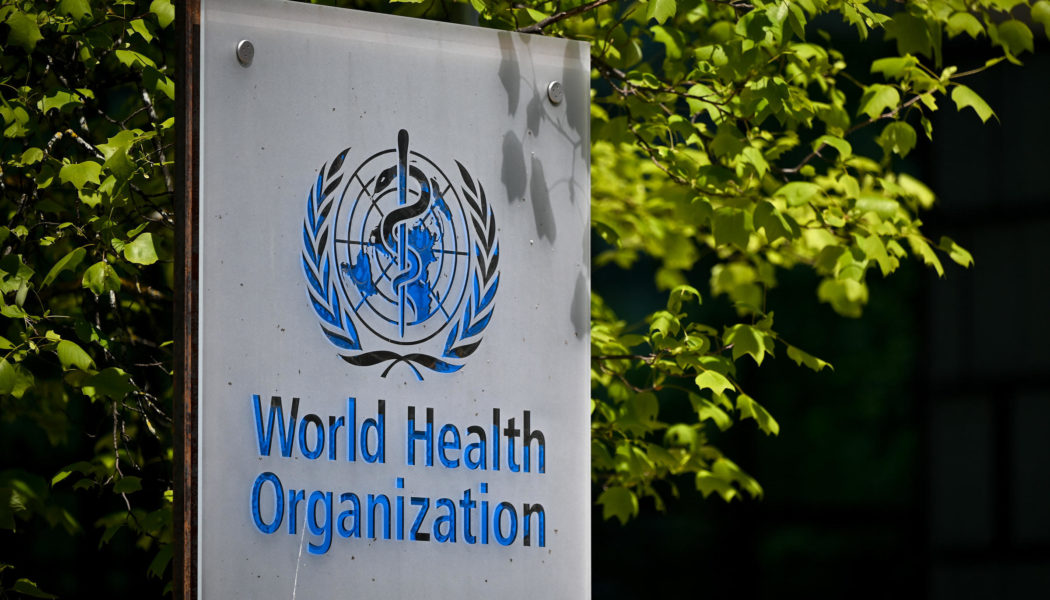

South Africa’s COVID-19 Variant Renamed to Avoid Discrimination
/* custom css */ .tdi_4_517.td-a-rec-img{ text-align: left; }.tdi_4_517.td-a-rec-img img{ margin: 0 auto 0 0; } The several mutated variants of the SARS-CoV-2 virus, otherwise known as COVID-19, will now be known according to letters of the Greek alphabet in order to avoid “stigmatization and discrimination”, according to the World Health Organisation (WHO). This new system will apply to the variants seen to be of most concern – the most severe of the four currently in circulation on Earth – and the second-level mutates of interest being tracked. Maria van Kerkhove, WHO’s COVID-19 technical lead, suggests that the new names will not replace the scientific names of the variants, but instead will be “aimed to help in public discussion.” /* custom css */ .tdi_3_c11.td-a-rec-img{ text-align: l...


Massive Undersea Mudslide Caused Internet Problems Across Africa
Image sourced from Medium. A recent study conducted by Professor Peter J. Talling and a team from the Departments of Earth Sciences and Geography, from the University of Durham in the UK, co-led by Angola Cables and supported by the Vodafone Group, British Telecom, NERC Environmental and others, has delivered important findings presenting valuable insights for the routing and protection of future subsea cables. In January 2020, the South Atlantic 3/West Africa (SAT-3/Wasc) cable, linking Africa to Portugal and Spain was hit by a breakdown in Gabon, whilst the West Africa Cable System (Wacs) that connects South Africa to the United Kingdom saw an outage off the coast of the DRC Congo. In March, the WACS cable experienced a further break affecting international bandwidth. Whilst many I...
