

tech news


Why 5G is a Must for Post-COVID South Africa
The widespread lack of internet access for most South African households, coupled with the expectation for remote working and learning to be the new norm in post-lockdown society, is placing greater importance on next-generation 5G technology, which will play a critical role in the country’s socio-economic growth and recovery following the impact of lockdown regulations. This was revealed by Willem Roos, the CEO of rain, during the most recent edition of the Business Lecture Series hosted by Stellenbosch Network in conjunction with Stellenbosch University’s LaunchLab. The Business Lecture Series is the latest in a line of events curated by Stellenbosch Network to help educate local leaders and entrepreneurs from across society so that they can better adapt their operations, seek out new op...


Inadequate Investment in Cybersecurity is Behind Increase in Cyber Attacks
Following on this week’s Life Healthcare cyberattack, the issue of cybersecurity has once again been brought to the fore as businesses and individuals are forced to evaluate whether measures in place are strong enough to withstand major breaches in their security. Life Healthcare is the third major South African company that has been targeted by hackers this year. In February, Nedbank warned that the information of about 1.7 million clients was potentially affected by a data breach, and the following month chemicals and fertiliser maker Omnia Holdings said it’s IT infrastructure was subject to a cyberattack. Amongst the other big businesses that have been targeted in South Africa are Johannesburg City Council, Capitec Bank and Telkom. The trend is also true for the rest of the continent. I...


Keep IT Costs Down with Managed Data Services
Sourced from Shutterstock The arrival of COVID-19 and its impact on the economy threatens to undo the careful technology investments made by businesses. Over the past decade, digital-centric and data-driven business environments have been gaining momentum, taking advantage of new breakthroughs such as cloud, advanced process automation, data analytics, remote working, etc. But now there is a real chance that these investments could be undone or, more likely, fail to reach their intended potential. It’s ironic, considering that these same investments have been helping companies adapt to the changes created by the pandemic. For example, those organisations that could safely and confidently switch to employees working from home rely on their modern digital environments. Now all that is under ...


South Africa’s CO.ZA Reaches 1.25 Million Registered Domain Names
There are now over 1.25 million individual domain names registered within South Africa’s flagship CO.ZA Internet domain, according to the ZA Central Registry NPC (ZACR). “It speaks volumes that CO.ZA has powered over the 1.25 million mark during the current lockdown as anecdotal evidence suggests South Africans are increasingly snapping up domains to help them launch businesses, pursue creative and study endeavours, secure their digital identities and generally become much more active online,” says Lucky Masilela, ZACR CEO. New domain name registration by SMMEs (Small, Medium & Micro Enterprises), in particular, has picked up significantly since late March with many new CO.ZA registrations since lockdown by small business owners who find this domain delivers the perfect blend of afford...


Android Users Beware – this Wallpaper could Factory Reset your Device
Image taken by Gaurav Agrawal A picturesque image of the sun setting over a quiet lake is making headlines across the world – and not for good reason. The image – taken by scientist and amateur photographer, Gaurav Agrawal – has been known to cause a glitch in a number of Android devices. The BBC reports that Android users who set this image as their wallpaper have had to factory reset their devices as the smartphones would switch on and off repeatedly, resulting in the loss of all data that wasn’t previously backed up. Agrawal says that he didn’t know the image would cause such damage and he’s “sad that people ended up having issues”. He recalls taking the picture on a “magical evening. It was gloomy and cloudy, and [my wife and I] thought there wasn’t going to be a great sunset. We ...


Sony Finally Reveals the PlayStation 5
The PlayStation 5 was finally revealed, after months of waiting, at Sony’s Future of Gaming Livestream event yesterday. The console’s final design is vastly different from the company’s previous iterations. No longer will the PlayStation be a matte black box, but a gleaming white machine finished with aesthetic curves and wings. [embedded content] To accompany the reveal, Sony released a video of the new hardware. Typical of the Japanese conglomerate, the PS5 is introduced through a highly artistic and mysterious reveal complete with waves of glowing orbs mapping out the PlayStation’s signature buttons – triangle, circle, X and square. /* custom css */ .tdi_3_e3e.td-a-rec-img{ text-align: left; }.tdi_3_e3e.td-a-rec-img img{ margin: 0 auto 0 0; } Along with the reveal of the normal PlayStat...


Microsoft Won’t Sell its Facial Recognition Tech to Law Enforcement
Tech juggernaut Microsoft won’t sell its facial recognition software to police or law enforcement until more federal regulations for facial recognition technology are set in place. This is what company president Brad Smith said during an interview. “The bottom line for us is to protect the human rights of people as this technology is deployed,” Smith adds that the company hasn’t previously sold the technology to law enforcement. Both consumer advocates and civil liberties groups have long warned about the dangers of facial recognition technologies, particularly with respect to the police. Two years ago, the American Civil Liberties Union (ACLU) began calling on tech giants to stop providing the technology to governments and law enforcement agencies, arguing that it posed a potential threat...


South Africa’s rAge Expo 2020 Has Been Cancelled
Sourced from rAge. South Africa’s largest annual video gaming, tech and geek culture expo has been cancelled for 2020. The rAge Expo has been ongoing without fail for nearly two decades. For the first time in 18 years, the Johannesburg-based event won’t be going forward due to the ongoing COVID-19 pandemic. “The 2020 expo was shaping up to be yet another awesome event, and the team is deeply saddened that rAge won’t be coming to life in the real world this year. This isn’t a decision that was taken lightly. It was the product of lengthy internal discussions as well as valued input from other stakeholders, and the team all agreed that the expo would serve everyone better if it was cancelled for now,” reads a statement from the expo’s official website. “The coronavirus pandemic has touched e...


Pulse Launches Dedicated Mobile Gaming Channel Across Africa
Pulse and Good World Games have announced the introduction of Pulse Games channels across all its African digital media platforms (Pulse Nigeria, Pulse Ghana and Pulse Live Kenya). The channels will feature hundreds of premium hypercasual games along with new engaging media content. “We couldn’t be more excited to bring even more entertainment to our audience with this new addition to our content categories,” says Yetunde Oyeleke, Director of Marketing at Pulse Africa. “With the Pulse Games category, we’re offering an even richer digital experience to our users and this is strongly in line with our mission to engage Africa’s young audience and to lead in digital media innovation in Africa.” /* custom css */ .tdi_3_884.td-a-rec-img{ text-align: left; }.tdi_3_884.td-a-rec-img img{ margin: 0 ...

Why Africa Urgently Needs Affordable Broadband Internet, Especially Now
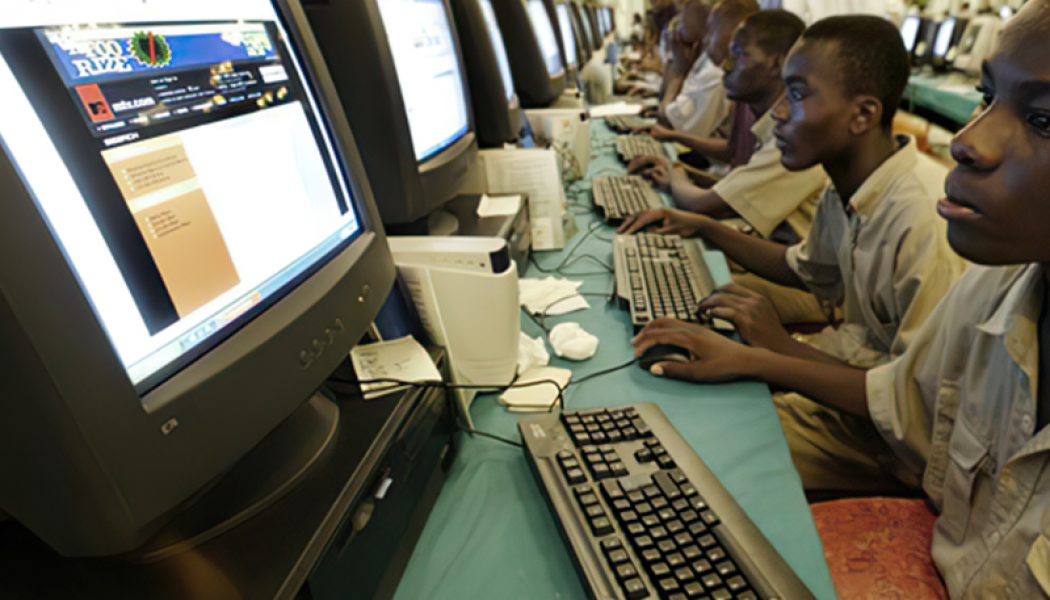
Sourced from Getty Images. The director of Technology, Climate Change and Natural Resources Management at the Economic Commission for Africa (ECA), Jean-Paul Adam, told journalists during a virtual press briefing on 10 June 2020 that Africa contributes less than 1% to the world’s digital economy, which accounts for about 15% of global GDP. He says the continent needs about $100 billion to achieve universal, affordable and good quality internet access by 2030 (according to the World Bank). Presently, only 17.8% of households in Africa have the internet at home and the continent accounts for only 21% of worldwide internet users. It is estimated that over a quarter of a billion school children in Africa have been affected by COVID-19 and most of them lack the digital tools to continue their e...


Frogfoot Extends Free Fibre Speed Upgrades Indefinitely
“With many employees still having to work from home or take turns going to the office so that social distancing guidelines are adhered to, high-speed, reliable, and affordable Internet access becomes just as critical as water or electricity. This Double Up promotion is vital to mitigate against some of the economic impact the lockdown will have on South Africans,” says Shane Chorley, Head of Sales and Marketing at Frogfoot Networks. Having the whole family at home places huge pressure on the available bandwidth, with parents having to carry on with work while children will want to learn, play and keep in touch with friends and classmates. With this in mind, fibre becomes the ideal method of connectivity for remote workers using cloud-based productivity tools and applications and uploading ...

Infobip Launches Conversations – a Connected Customer Experience for Contact Centres
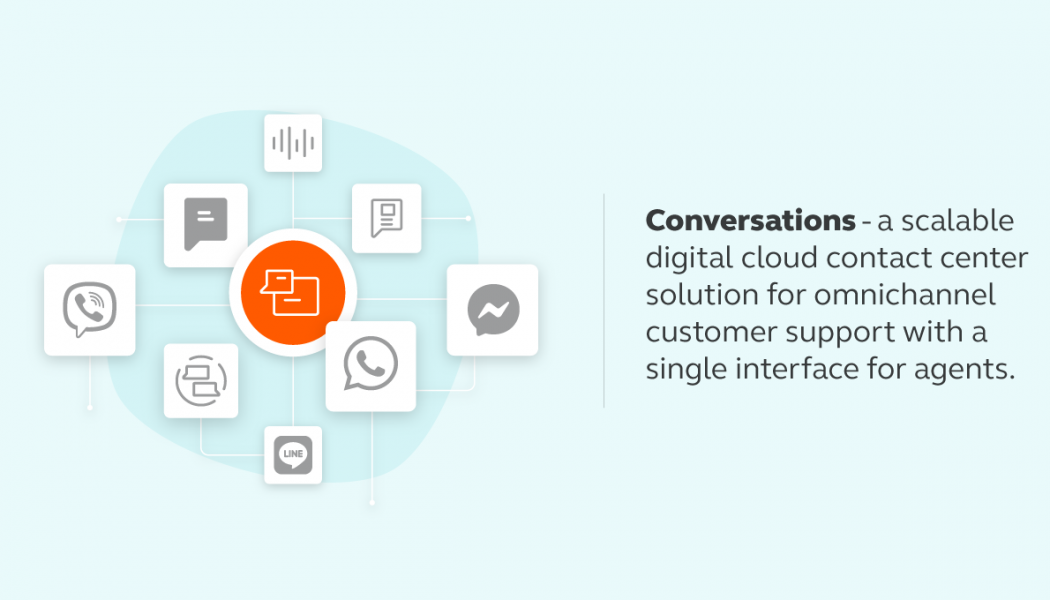
Conversations, a new contact centre solution enabling businesses to integrate the world’s most popular communication channels, has been launched by Infobip. Infobip is a global cloud communications company that enables businesses to build connected customer experiences across all stages of the customer journey at scale. Conversations is a scalable digital cloud contact centre solution that enables businesses to deliver omnichannel support for customers through a single interface for agents. Messaging services such as Facebook Messenger, WhatsApp, Live Chat, SMS and in-house chatbots can all be managed through Conversations. Provisioned through the cloud, Infobip offers a marked differentiator – omnichannel connectivity (CPaaS) with contact centre software stacked ...
