

tech news


Yoco Launches New Online Payments Solutions at its Yoco Next Event
We use cookies on our website to give you the most relevant experience by remembering your preferences and repeat visits. By clicking “Accept All”, you consent to the use of ALL the cookies. However, you may visit “Cookie Settings” to provide a controlled consent.

MTN Named the Number 1 African Brand
MTN Group, with operations in 17 countries across Africa, has been ranked the number one African brand and among the top 10 brands on the continent in the annual Brand Africa 100 survey. At a ceremony in Lagos, Nigeria to mark Africa Day on Wednesday 25 May 2022, Brand Africa said that MTN was the #1 African brand in both the spontaneous recall (where respondents are asked to name a brand across any category and region) and prompted recall (where respondents are guided to recall an African brand) rankings. This is the first time MTN has scooped both awards. MTN was also named the highest-ranking telecoms brand on the continent. “We are humbled by the recognition and remain focused on playing a leading role in building a more digitally inclusive society across Africa,” said MTN Group Presid...


SA Edutech Startup FoondaMate Raises $2-Million in Seed Funding
We use cookies on our website to give you the most relevant experience by remembering your preferences and repeat visits. By clicking “Accept All”, you consent to the use of ALL the cookies. However, you may visit “Cookie Settings” to provide a controlled consent.
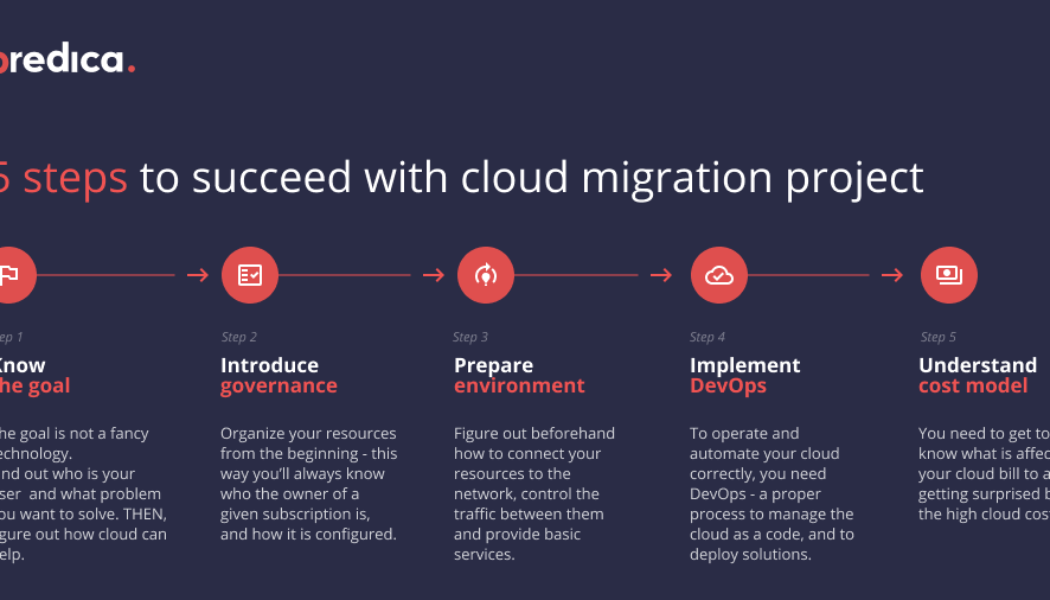

5 Steps to Create a Cloud Migration Strategy for Your Business
We use cookies on our website to give you the most relevant experience by remembering your preferences and repeat visits. By clicking “Accept All”, you consent to the use of ALL the cookies. However, you may visit “Cookie Settings” to provide a controlled consent.

Commvault Signs Partnership with Logicalis for Metallic SaaS
We use cookies on our website to give you the most relevant experience by remembering your preferences and repeat visits. By clicking “Accept All”, you consent to the use of ALL the cookies. However, you may visit “Cookie Settings” to provide a controlled consent.

MTN Business & BT Join Forces to Enhance Communications Services in Africa
We use cookies on our website to give you the most relevant experience by remembering your preferences and repeat visits. By clicking “Accept All”, you consent to the use of ALL the cookies. However, you may visit “Cookie Settings” to provide a controlled consent.


Activist Groups Call for Shell to Stop Oil Extraction in Nigeria
We use cookies on our website to give you the most relevant experience by remembering your preferences and repeat visits. By clicking “Accept All”, you consent to the use of ALL the cookies. However, you may visit “Cookie Settings” to provide a controlled consent.


How Loadshedding Can Cause Cyber Security Risks
Image sourced from Forbes. Work-from-anywhere (WFA) model have greatly expanded in South Africa in recent weeks, as loadshedding forces remote workers to seek power from a multitude of sources, in malls and coffee shops, meaning they may be alternating between mobile phones, tablets and laptops across any number of potentially unsecured public Wi-Fi hotspots. This mobility increases the cyber security risks presented by all these devices that are often poorly secured to begin with. Smartphones, in particular, have become a critical part of the remote workforce toolkit. They are such an integral part of each person’s daily routine, people may regard them as trusted and safe. As a channel to your personal data, banking and accounts, and a link to your work and business data, smartphones...
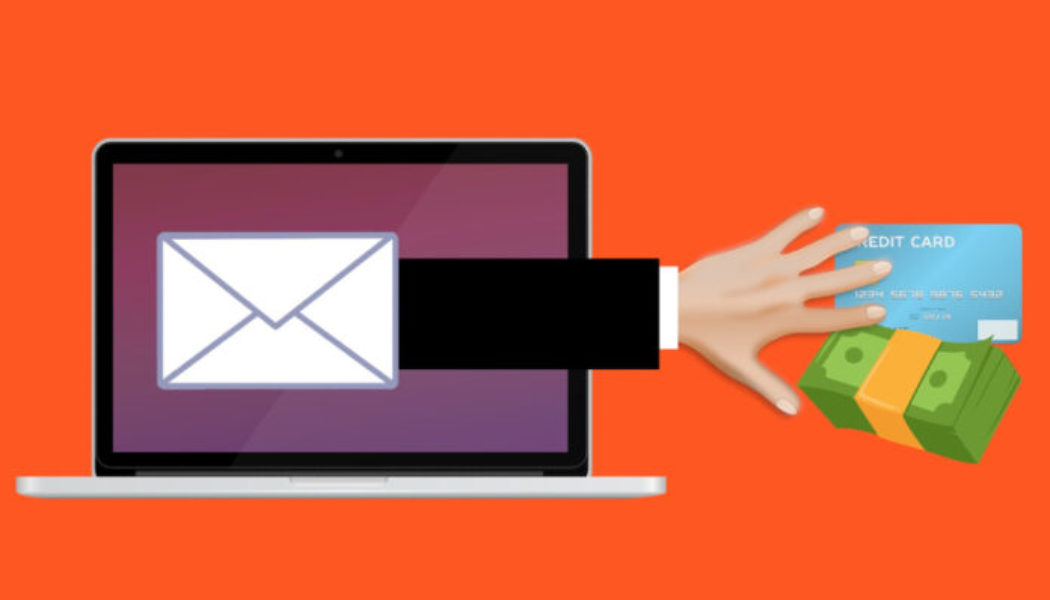

How to Stop the Costliest Internet Scams
Image sourced from isnews.stir.ac.uk According to Steve Flynn, Sales and Marketing Director at ESET Southern Africa, it’s long past time organisations get a handle on business email compromise scams which generated more losses for victims in 2021 than any other type of cybercrime. While ransomware, hacking, API hacks, and all the other cybersecurity threats make headlines, it’s worth remembering that the costliest internet scam is still business email compromises, according to the latest FBI Internet Crime Report. Among the complaints received by the FBI in 2021, ransomware, business e-mail compromise (BEC) schemes, and the criminal use of cryptocurrency are among the top incidents reported. Technology-based systems are under attack, and they cost organisations around the world billions in...
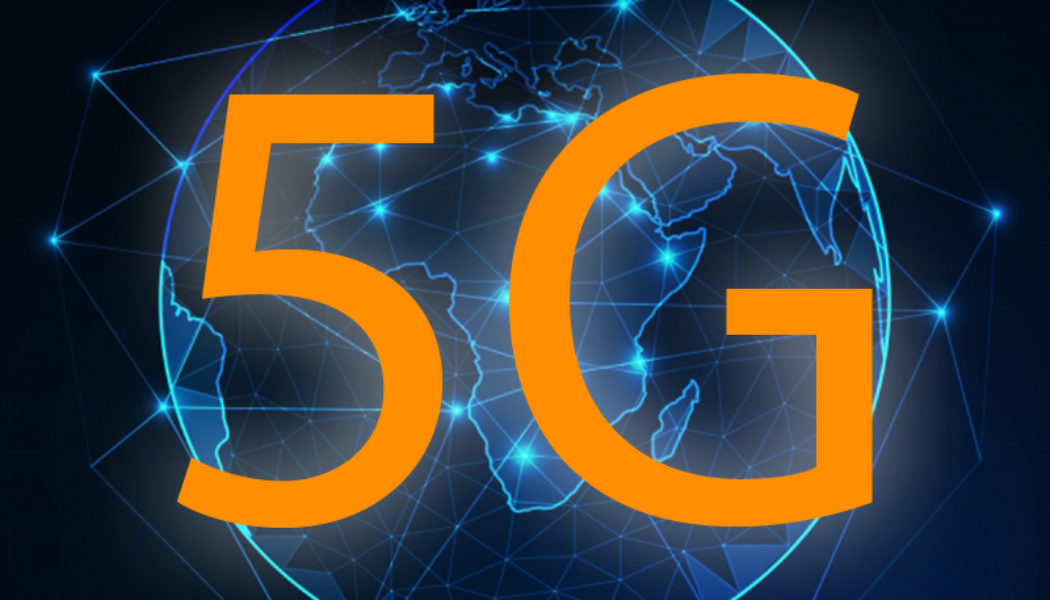

The 5 African Countries That Have Launched 5G Services So Far
Many governments across Africa have been incredibly optimistic about technological advancements being the key to pull Africans from the developing space right into the developed. One of these emerging technologies that have a lot of weight and emphasis pulled behind it is 5G. Certain analysts predict that 5G could add an additional $2.2-trillion to Africa’s economy by 2034. However countries across the continent are struggling to launch the new technology due to either infrastructure challenges, adoption issues, the expensive nature of the technology and the devices needed to utilise it and even safety concerns around 5G. Many African countries are currently testing 5G and a few have successfully launched the technology in a commercial nature. These are the countries currently testing or a...


Mustek Announces New Acting CEO
We use cookies on our website to give you the most relevant experience by remembering your preferences and repeat visits. By clicking “Accept All”, you consent to the use of ALL the cookies. However, you may visit “Cookie Settings” to provide a controlled consent.
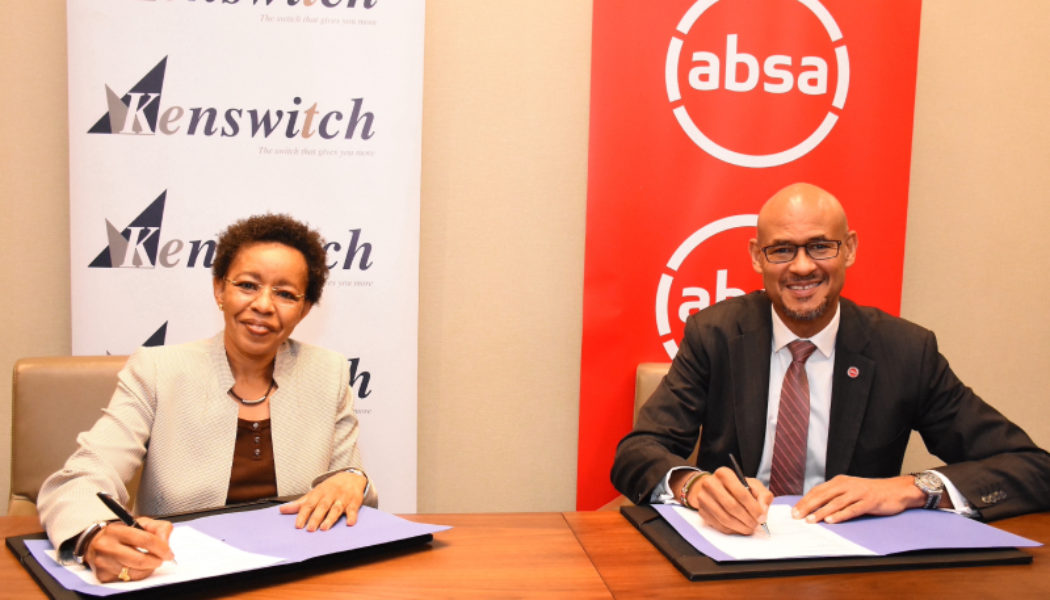

Kenswitch & Absa Customers in Kenya to Use ATMs Interchangeably
We use cookies on our website to give you the most relevant experience by remembering your preferences and repeat visits. By clicking “Accept All”, you consent to the use of ALL the cookies. However, you may visit “Cookie Settings” to provide a controlled consent.
