

technology news

Airtel Zambia and Ericsson Joined Forces to Champion eWaste Awareness
Sourced from Comms MEA Airtel Zambia and Ericsson have partnered to launch the ‘Product Take-Back’ programme – an initiative that aims to minimize the potential impact of eWaste on the environment. eWaste, not recycled properly, is said to be an under-acknowledged environmental hazard around the world. The Product Take-Back programme is part of Ericsson’s Sustainability efforts geared towards taking accountability for environmental impacts of all products and services during their lifecycle. The programme is expected to ensure that end-of-life material is treated and recycled in an environmentally responsible manner. Airtel’s CEO and MD, Apoorva Mehrotra says, “Airtel is committed to being socially responsible. We believe that the adoption of responsible eWaste disposal techniques will hel...


Nokia and NASA to Build First Ever LTE Network on the Moon
Nokia and NASA have joined forces to deploy the first-ever LTE network on the moon – a major step towards a sustainable human presence on the lunar surface. The end-to-end LTE network – pioneered by Nokia Bell Labs’ – is expected to be ready in late 2022. Nokia is partnering with Intuitive Machines for this mission to integrate it’s technology into their lunar lander to deliver it to the lunar surface. The network will self-configure upon deployment and establish the first LTE communications system on the Moon. The network is expected to provide critical communication capabilities for many different data transmission applications, including vital command and control functions, remote control of lunar rovers, real-time navigation and streaming of high definition video. /* custom css */ .tdi...


How a Multi-channel Approach could Improve the Experience of Remote Workforces
As the COVID-19 pandemic irrevocably redefined the way we communicate and work, remote working and mobile workforces have become central to doing business in the new normal. This means that organisations are having to develop new communication strategies and channels to create a collaborative remote working environment for employees to ensure Business Continuity (BC). However, it goes beyond merely assisting them to set up shop in their living rooms and bedrooms so they can continue to carry out their daily activities, the biggest concern has been enabling as much productivity of the mobile workforce as when they were in the office. This means that remote workers should have access to the same software applications, data and tools as when working physically in the office. Yet not everythin...


Xiaomi Introduces Next-Gen Wireless Charging Tech
Xiaomi has introduced two new smartphones to the South African market – the Redmi Note 9 Pro and Redmi Note 9. Featuring an impressive quad-camera setup in the rear, the Redmi Note 9 Pro’s 64MP main lens captures crisp, ultra-high resolution images in all lighting conditions while its 8MP ultra-wide-angle lens enables stunning large group images without compromise. A 5MP macro lens and 2MP depth sensor round out the rear camera, letting users take stunning close-up shots with fantastic bokeh. On the front, the device sports a 16MP in-display camera for high-quality selfies. Its new slow-motion selfie mode captures hilarious slow-motion videos. The Redmi Note 9 also brings photography to the forefront with a 48MP main camera and 8MP ultra-wide-angle lens. Its 2MP macro l...


Gozem Acquires Delivroum App in Togo
Gozem has announced that it has acquired Delivroum, a food delivery app in Togo. This transaction combines the strength of Gozem’s transportation network with the breadth of Delivroum’s restaurant network, in the hopes of creating an unparalleled food delivery platform in Togo. Founded in 2018 in Lomé, Delivroum was the first dedicated food delivery app in the West African country. And thanks to the Delivroum acquisition, Gozem will be able to broaden its delivery offerings in Togo, to add meal delivery to a bundle of services that includes delivery of groceries, cooking gas bottles, and various other e-commerce items. In the near term, Delivroum operations will not be impacted and Delivroum customers cankeep ordering meals via the Delivroum app as usual. “For Delivroum, it’s a natural ste...


The Future of Bitcoin in Africa
Bitcoin is a popular cryptocurrency across the world today and even African countries are already picking up the pace. So far, Africa looks promising for cryptocurrency, and the Arcane Research Report on the State of Crypto in Africa further buttresses this point. This is due to several common factors in these countries, such as failing currencies, costly payments, lack of banking infrastructure, and more. These factors are enough reasons to make anyone move towards any other option that provides something better. For Africans, that might be Bitcoin. Bitcoin is a decentralized currency with no third-party institution like a bank, which makes transactions seamless across countries anytime and anywhere. Political Instability Although political instability can be seen in many countries,...


Fake News Impacts 84% of Ghana’s Youth, According to Survey
Nearly nine in ten (84%) of Ghanaian youth polled suggest that the rise of ‘fake news’ breaking out across their country and around the continent has impacted their ability to stay informed, according to the African Youth Survey (AYS). Commissioned by the South African-based Ichikowitz Family Foundation, the survey also indicates that leading social media platforms Facebook and WhatsApp were deemed untrustworthy by over one-third of Ghana’s youth population (37% and 35%, respectively). The AYS is said to be one of the most comprehensive research on Africa’s youth to date. Conducted by PSB Research (part of WPP Group), the study involved face-to-face interviews with young Africans (aged 18-24) men and women, held across the major urban centres of Congo Brazzaville, Ethiopia, Gabon, Ghana, K...


Realising Abundant Connectivity through Open Access Fibre
The concept of open access (OA) business model is here to stay. It provides the most effective way of driving competition between internet service providers (ISPs) while giving customers the freedom of choice at affordable rates. Under an open access model, the fibre network operator (FNO) provides an infrastructure that can be used by any number of licensed ISPs. This creates a clear distinction between the responsibilities of both parties. The roll-out and maintenance of the physical infrastructure, for example, the fibre cables, are the domain of the FNO. The ISPs, in turn, are responsible for the value-added services offered on top of that, i.e. the internet access sold to the customer. It is also why many operators in smaller towns are still clinging to a traditional approach that see...

How Tech Companies have Managed to Stay Relevant during COVID-19
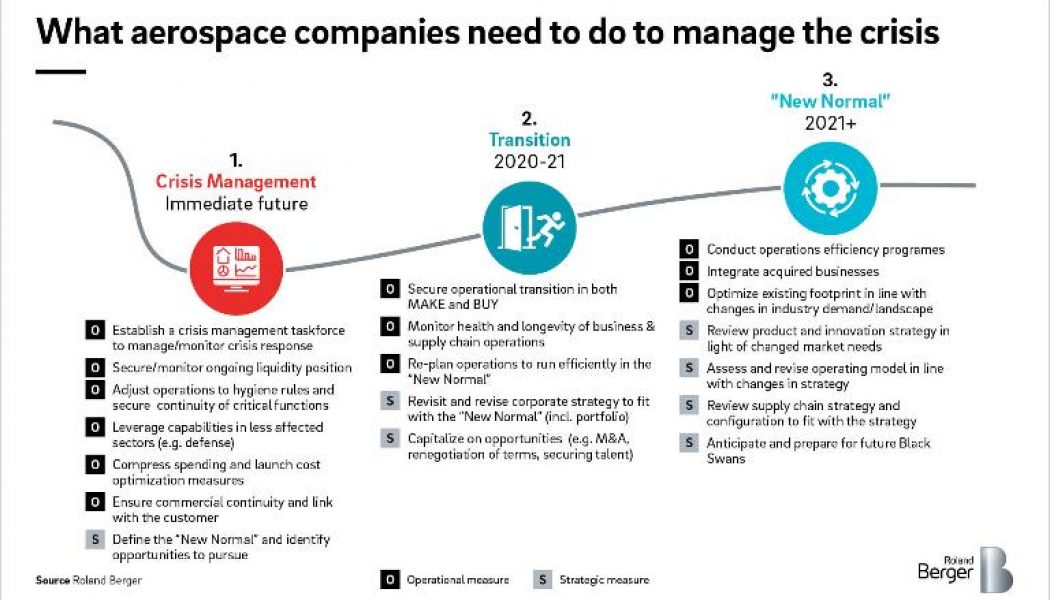
COVID-19 has redefined what we previously deemed as normal in all aspects of our lives. It has thrusted digital transformation to the forefront of the business arena and shown that if you cannot innovate and adapt to this new norm, then the end is imminent. How consumers engage with businesses has also changed dramatically over the last few months, with technology and digital processes being more prevalent than ever. Companies that have been innovative, have made their products and services readily available, and could easily adapt to digital transformation stood a better chance of succeeding. Technology companies are a prime example of this, and they are well positioned to thrive in this new norm. Keeping up with the times The tech companies that continued to thrive throughout the pandemi...

Mobile in Africa Introduces the Best Tech for Every South African
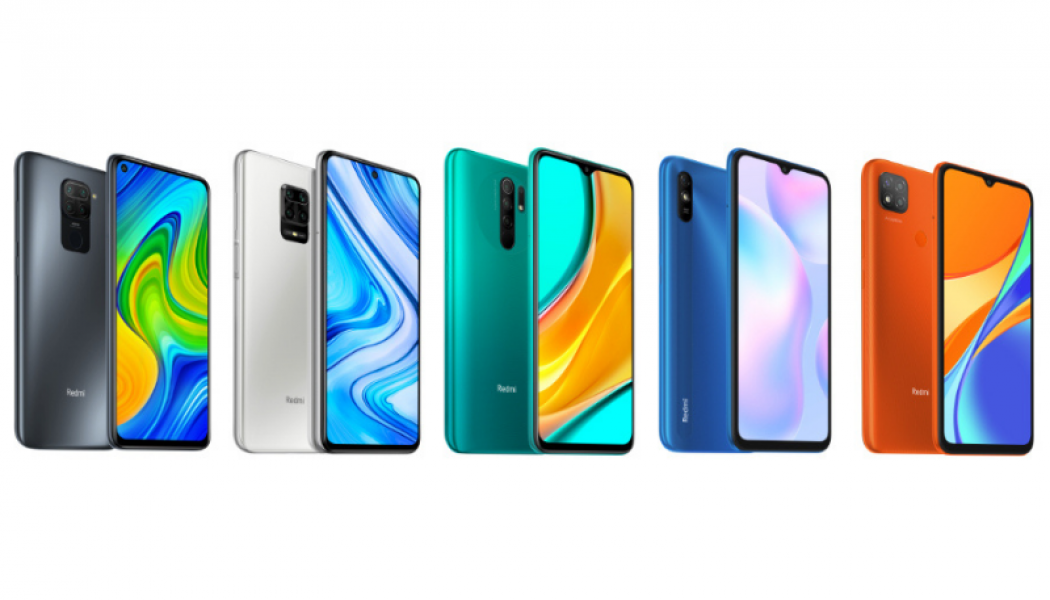
With a wide array of global tech competitors making a name in the South African market, big brands are losing their foothold and market share to younger, more agile and much more affordable brands. High-end, high-price isn’t necessarily what South Africans are after in the current economic climate, so it is the responsibility of tech brands and distributors to be innovative and globally savvy to meet the needs of all South Africans. Mobile in Africa, the official distribution partner of Xiaomi, has made it their mandate to keep up with tech trends and provide a diversity of IoT products catering to every budget. Mobile in Africa’s devotion to bringing top tech and the pinnacle of new, exciting and affordable technology to every South African has seen the addition of more and more impressiv...


MultiChoice South Africa Appoints New CEO
Image sourced from The Vanguard Nigeria MultiChoice Group has appointed Nyiko Shiburi as the new CEO of its South African (MCSA) operations – effective from 1 December 2020. Until now, Shiburi has been the Regional Director of MultiChoice Africa: Southern Region — a role that spans nine countries. “Nyiko is an extremely experienced leader and has successfully navigated the complexity of multiple territories and businesses, working with deeply skilled teams within the organisation as well as a multitude of stakeholders in our ecosystem,” says MultiChoice Group CEO, Calvo Mawela. As the new CEO of MCSA, Shiburi will be expected to further drive the growth and momentum of the South African business. Fhulufhelo Badugela will assume the role of Regional Director of MultiChoice Africa: Sout...


Stripe to Acquire Nigeria’s Paystack
Sourced from Redbubble and iStock. Stripe has revealed that it has entered into an agreement to acquire Paystack, a payments collection company based in Lagos, Nigeria. According to an official statement, Paystack works with more than 60,000 businesses in Nigeria and Ghana to securely collect online and offline payments. It also processes more than half of all online transactions in Nigeria and has plans to expand across the continent, having recently started a pilot with businesses in South Africa. Stripe and Paystack have been working closely together for some time. In 2018, Stripe led Paystack’s Series A financing round and has provided ongoing guidance as the company rapidly scaled. “In just five years, Paystack has done what many companies could not achieve in decades. Their tech-firs...
