

The Haller Foundation App
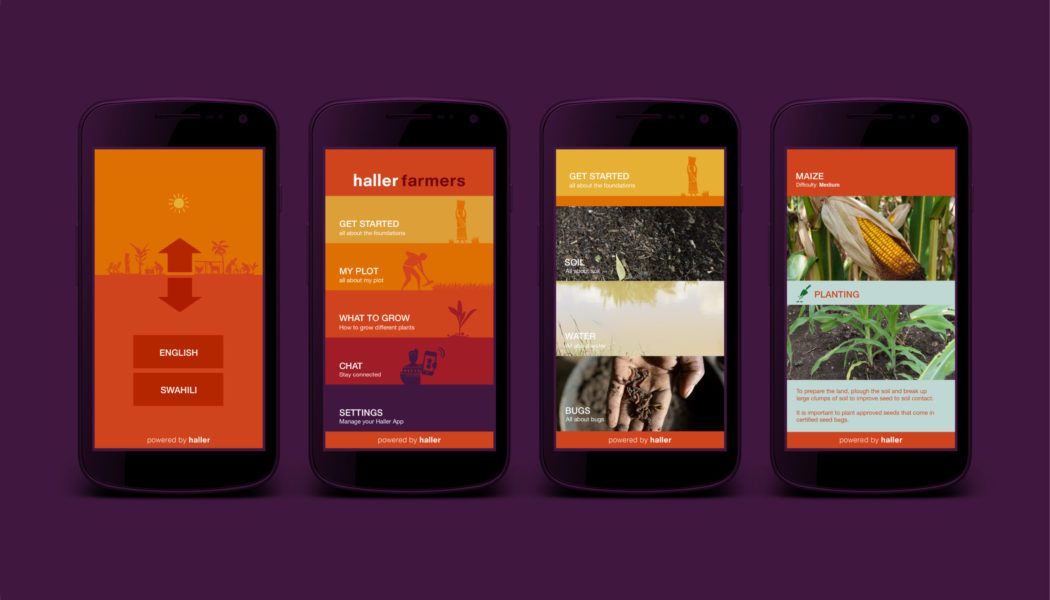

Award-Winning Haller Farmers App Launches on iOS
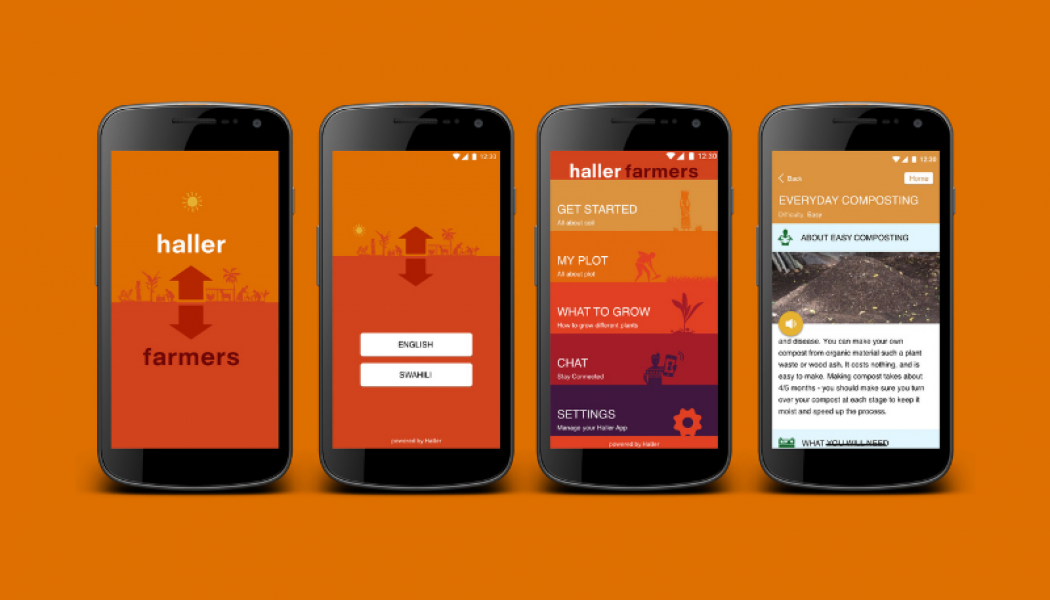
As technology develops and becomes increasingly available in rural East African communities, Kenya-based NGO and UK-founded charity, the Haller Foundation continues to evolve and innovate to meet the changing needs of farmers. To this end, the Haller Foundation has officially launched its award-winning Haller Farmers App for iOS devices. Originally a web-based application, Haller Farmers was then redeveloped in 2020 to an offline,downloadable Android application allowing for wider accessibility. To date, the Android app has been used by over 700 smallholder farms in more than 65 countries worldwide. It has proved vital in enhancing food production in Kenya by helping smallholders to revive degraded land, enhance soil fertility and therefore, produce higher yields of nutritious food. This e...
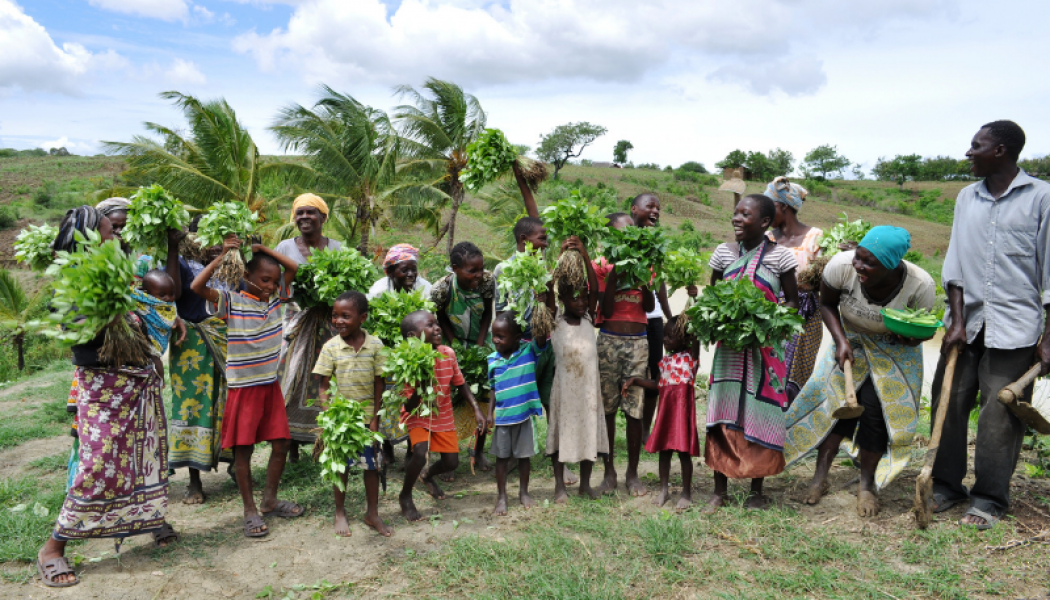

How Mobile Technology could Provide Food Security for Rural African Communities
Climate change combined with unsustainable farming practices has exhausted African soil — leaving much of the ground unfarmable. In the future, a major reduction in crop yield and productivity is likely to be seen as a consequence of the extreme weather conditions and unviable farming techniques. In fact, the production of maize could decrease by as much as 10%, even if no climate adaptation actions are taken. /* custom css */ .tdi_3_560.td-a-rec-img{ text-align: left; }.tdi_3_560.td-a-rec-img img{ margin: 0 auto 0 0; } According to the African Development Bank (ADB), this is not only unsustainable but unaffordable as the continent spends close to $65 billion importing food — a number that is expected to grow exponentially within the next decade. In addition to the growing lack...
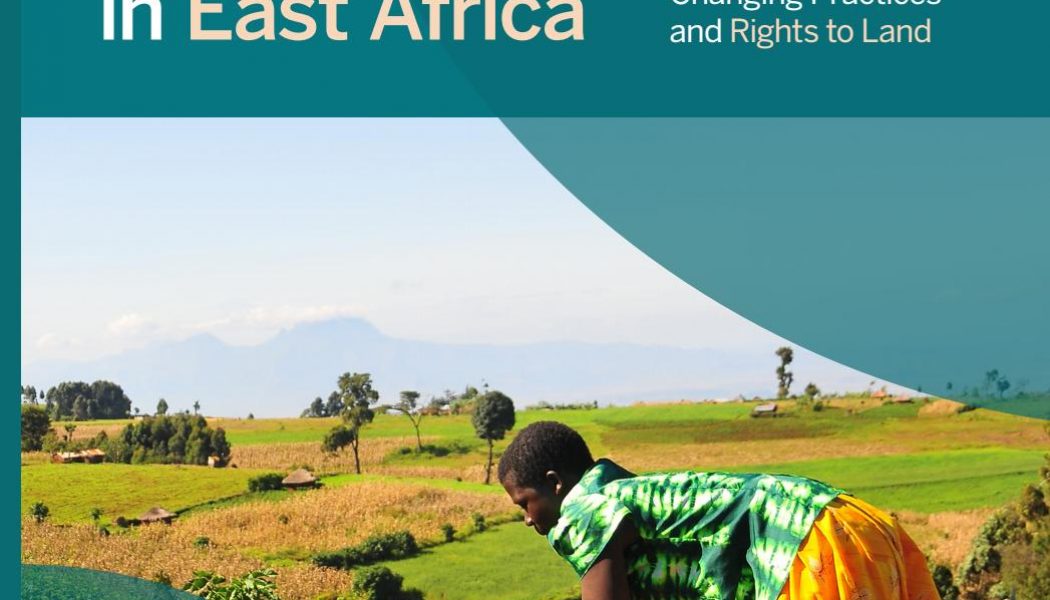

Haller Farmers: Restoring African Land for Over 50 Years
The Haller Farmers app is taking advantage of Africa’s increasing mobile penetration by equipping the next generation of farmers with knowledge, information and education through technology. The app — which was developed for farmers by farmers — takes its unique name from UNEP Global 500 Laureate, Dr Rene Haller, who has spent the last 50 years experimenting with nature to restore life to degraded landscapes. Since the 1970s, Dr Haller has used science and careful observation to allow barren quarried landscapes to be transformed into abundant and diverse forest ecosystems, sanctuaries for endangered species, and resources for local African communities. An example of this is Haller Park, a former limestone quarry that is now a flourishing hub of biodiversity. The 7km² landscape is curr...


Why Africa’s Youth Needs Access to Agricultural Knowledge and Tools
In recent years, Africa’s younger generation has begun to associate farming with bare sustenance and discard it as a viable career path. Despite farming being a fundamental part of society, training and education on sustainable agriculture in school curriculums is neglected and underfunded at government level. To unpack this further, IT News Africa’s Jenna Delport spoke to James Konde, Head of Farmer Training and App Development at the Haller Foundation in Mombasa, Kenya. Here’s what transpired: The Haller Foundation is a UK registered charity and Kenyan NGO that was set up to educate rural farmers. How is the foundation tackling the youth’s lack of interest in agriculture? /* custom css */ .tdi_3_dd6.td-a-rec-img{ text-align: left; }.tdi_3_dd6.td-a-rec-img img{ margin: 0 auto 0 0; }...

Why Access to Technology is Critical for Farmers in Africa
The African continent is home to an estimated 65% of the world’s uncultivated arable land, an abundance of fresh water and about 300 days of sunshine each year, according to the World Economic Forum. However, the reality is that the agriculture industry is mostly made up of the older African generation — who often discourage their children from working with the land. So despite seemingly ideal farming conditions, African nations spend close to $65 billion importing food — a number that is expected to grow exponentially within the next decade. The African Development Bank (ABD) believes that this is unsustainable and unaffordable — noting that the secret to the continent’s economic viability and growth is to equip farmers, as well as the next-generation, with training, advice an...
