

Top Stories
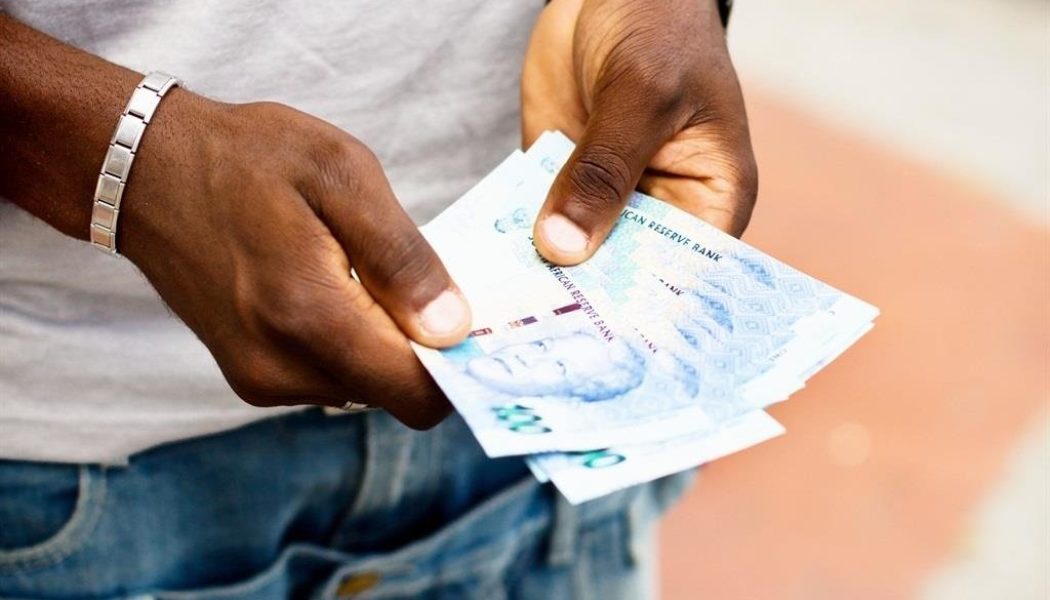

Middle-Income Consumers Spend Up to 80% of their Monthly Salary in 5 Days, FNB says
We use cookies on our website to give you the most relevant experience by remembering your preferences and repeat visits. By clicking “Accept All”, you consent to the use of ALL the cookies. However, you may visit “Cookie Settings” to provide a controlled consent.


Pick n Pay & Takealot Join Forces to Launch Grocery Deliveries
We use cookies on our website to give you the most relevant experience by remembering your preferences and repeat visits. By clicking “Accept All”, you consent to the use of ALL the cookies. However, you may visit “Cookie Settings” to provide a controlled consent.


South African Reserve Bank Places Ubank Under Curatorship
We use cookies on our website to give you the most relevant experience by remembering your preferences and repeat visits. By clicking “Accept All”, you consent to the use of ALL the cookies. However, you may visit “Cookie Settings” to provide a controlled consent.


Is Live-Streaming Coming to Netflix?
We use cookies on our website to give you the most relevant experience by remembering your preferences and repeat visits. By clicking “Accept All”, you consent to the use of ALL the cookies. However, you may visit “Cookie Settings” to provide a controlled consent.
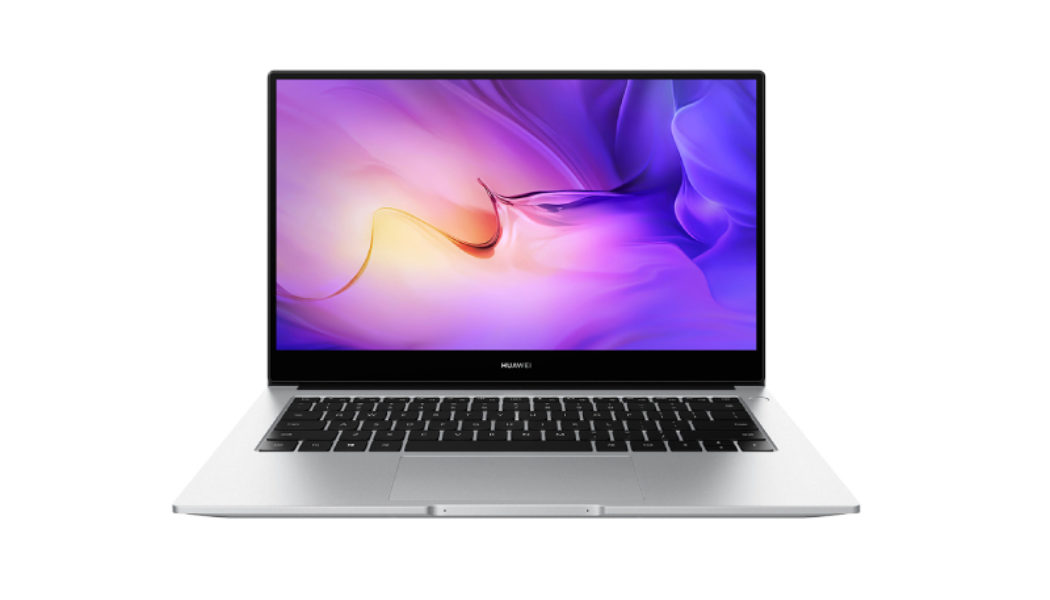

Huawei MateBook D14 Launches in SA: Where to Get it, Price & Specs
We use cookies on our website to give you the most relevant experience by remembering your preferences and repeat visits. By clicking “Accept All”, you consent to the use of ALL the cookies. However, you may visit “Cookie Settings” to provide a controlled consent.
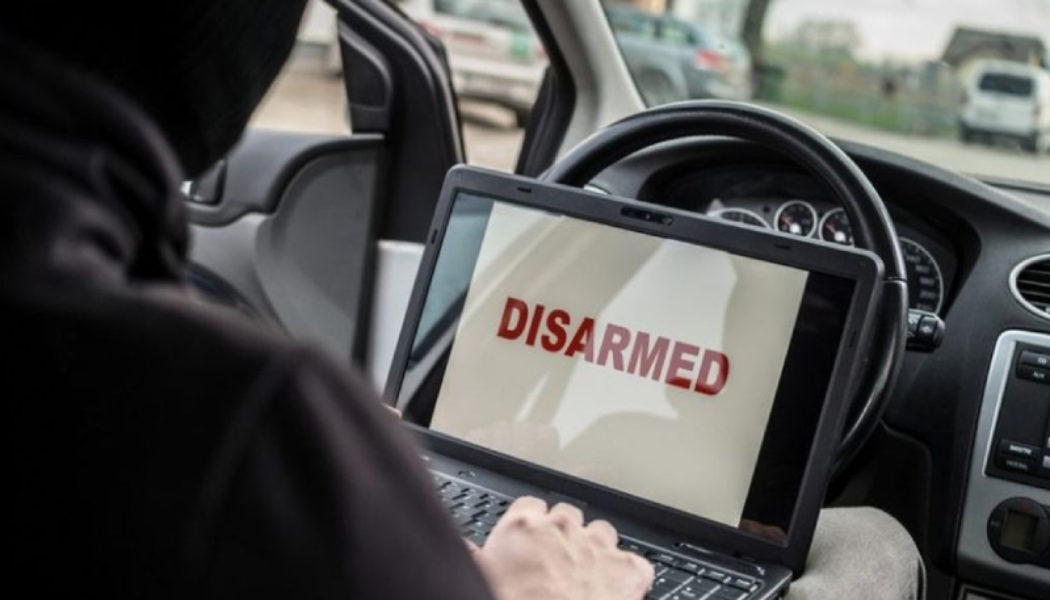

New Warnings Show How Hackers in Nigeria Can Remotely Steal Cars
Image sourced from Car Throttle.com. Nigeria’s Communications Commission (NCC) published a warning yesterday advising drivers in the West African country to beware of a new cybercrime method being used by hackers where car doors can be opened and vehicles can be started without keys, all done remotely while the criminals hide nearby. According to the NCC, owners of Honda and Acura-model vehicles are the most susceptible to these kinds of new attacks. The NCC discovered these new grand theft auto methods via investigations made by the Computer Security Incident Response Team (CSIRT), a cybersecurity body established to protect the country’s telecom sector by the NCC. According to CSIRT’s report, released to the media by Dr Ikechukwu Adinde, Director Public Affairs at the NCC, there is an ex...
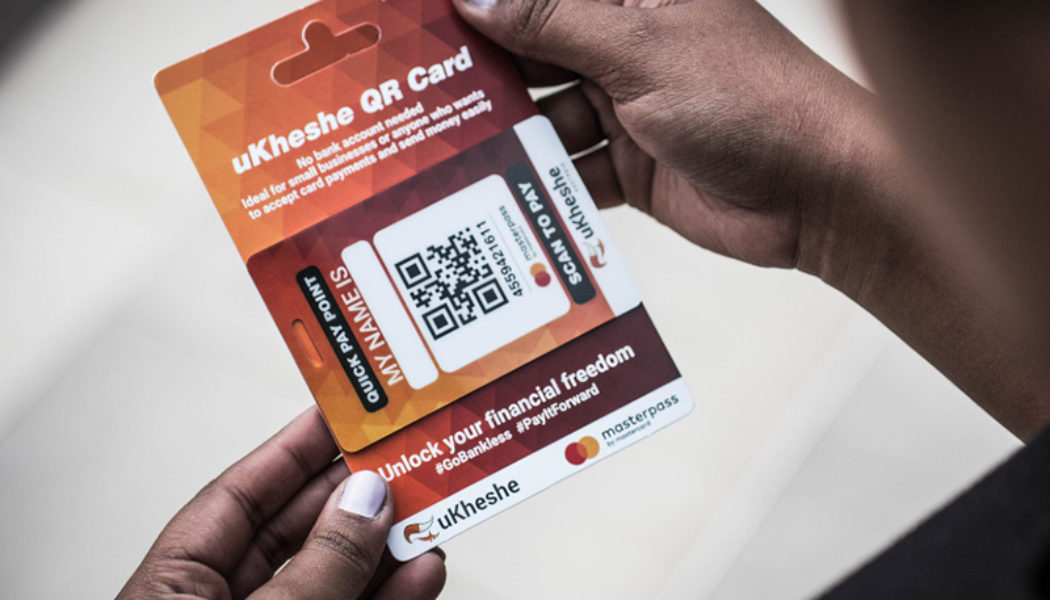

South Africa’s Ukheshe Technologies Joins Forces with AWS
We use cookies on our website to give you the most relevant experience by remembering your preferences and repeat visits. By clicking “Accept All”, you consent to the use of ALL the cookies. However, you may visit “Cookie Settings” to provide a controlled consent.


Lights Out for South Africans Once Again
We use cookies on our website to give you the most relevant experience by remembering your preferences and repeat visits. By clicking “Accept All”, you consent to the use of ALL the cookies. However, you may visit “Cookie Settings” to provide a controlled consent.


Xiaomi Redmi 10 Launches in Kenya – Price, Specs & More
We use cookies on our website to give you the most relevant experience by remembering your preferences and repeat visits. By clicking “Accept All”, you consent to the use of ALL the cookies. However, you may visit “Cookie Settings” to provide a controlled consent.
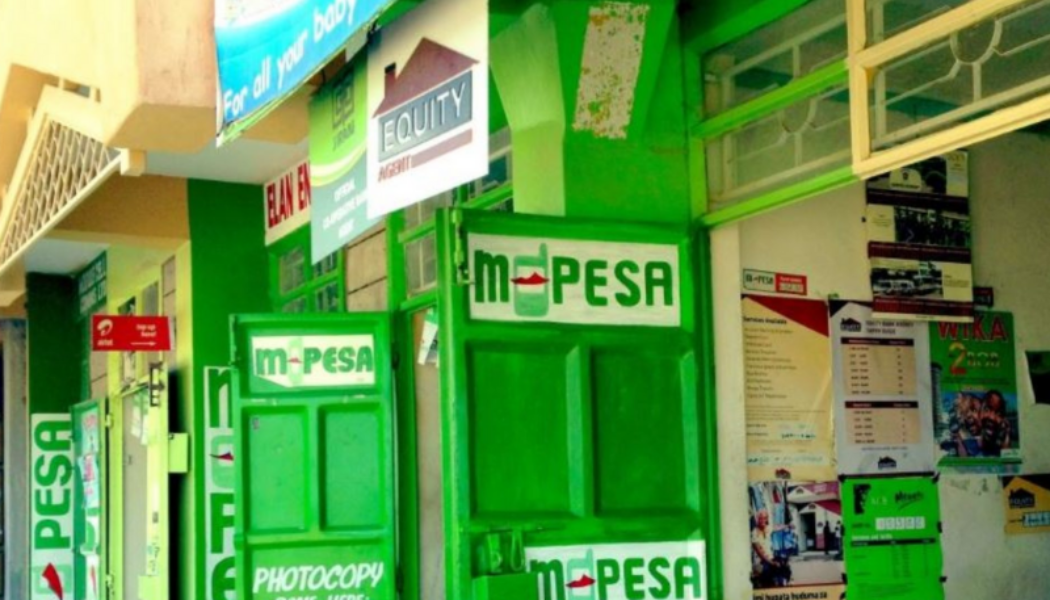

M-PESA Rakes in $1.5-Billion Amid Kenya’s Betting Craze
Image sourced from WeeTracker Kenyans have spent Sh169.1-billion ($1.5-billion) betting through Safaricom’s M-Pesa in the year to March. According to Business Daily, disclosures show that the value of bets jumped 23.8 percent from Sh136-billion ($1.2-billion) a year earlier. The Kenyan government is trying to crack down on gambling by imposing higher taxes both on the companies and those who are gambling. People in the country continue to bet despite this and Safaricom, the Kenya Revenue Authority (KRA) and other firms are scoring big time. Safaricom’s revenue from betting rose by 40 percent to Sh5.98-billion ($50.7-million) last year, placing it higher among other firms that are listed on the Nairobi Securities Exchange (NSE). The telco company relies heavily on business lines like data a...


MTN Reports Solid Financial Performance During First Quarter of 2022
We use cookies on our website to give you the most relevant experience by remembering your preferences and repeat visits. By clicking “Accept All”, you consent to the use of ALL the cookies. However, you may visit “Cookie Settings” to provide a controlled consent.


Google Announces 30,000 Developer Scholarships for Africans
We use cookies on our website to give you the most relevant experience by remembering your preferences and repeat visits. By clicking “Accept All”, you consent to the use of ALL the cookies. However, you may visit “Cookie Settings” to provide a controlled consent.
