

Top Stories


World’s Largest Digital Ticket Marketplace Launches in South Africa
We use cookies on our website to give you the most relevant experience by remembering your preferences and repeat visits. By clicking “Accept All”, you consent to the use of ALL the cookies. However, you may visit “Cookie Settings” to provide a controlled consent.


Showmax Introduces New Mode for Users to Save Data While Streaming
We use cookies on our website to give you the most relevant experience by remembering your preferences and repeat visits. By clicking “Accept All”, you consent to the use of ALL the cookies. However, you may visit “Cookie Settings” to provide a controlled consent.


Meta is Getting its First-Ever Physical Retail Store
We use cookies on our website to give you the most relevant experience by remembering your preferences and repeat visits. By clicking “Accept All”, you consent to the use of ALL the cookies. However, you may visit “Cookie Settings” to provide a controlled consent.

Elon Musk Buys Twitter for $44-Billion – Reactions
We use cookies on our website to give you the most relevant experience by remembering your preferences and repeat visits. By clicking “Accept All”, you consent to the use of ALL the cookies. However, you may visit “Cookie Settings” to provide a controlled consent.

Andela Goes on Digital Insurance Partnerships Run in South Africa
We use cookies on our website to give you the most relevant experience by remembering your preferences and repeat visits. By clicking “Accept All”, you consent to the use of ALL the cookies. However, you may visit “Cookie Settings” to provide a controlled consent.


Telkom Appoints Former Samsung Africa CEO to Board
We use cookies on our website to give you the most relevant experience by remembering your preferences and repeat visits. By clicking “Accept All”, you consent to the use of ALL the cookies. However, you may visit “Cookie Settings” to provide a controlled consent.
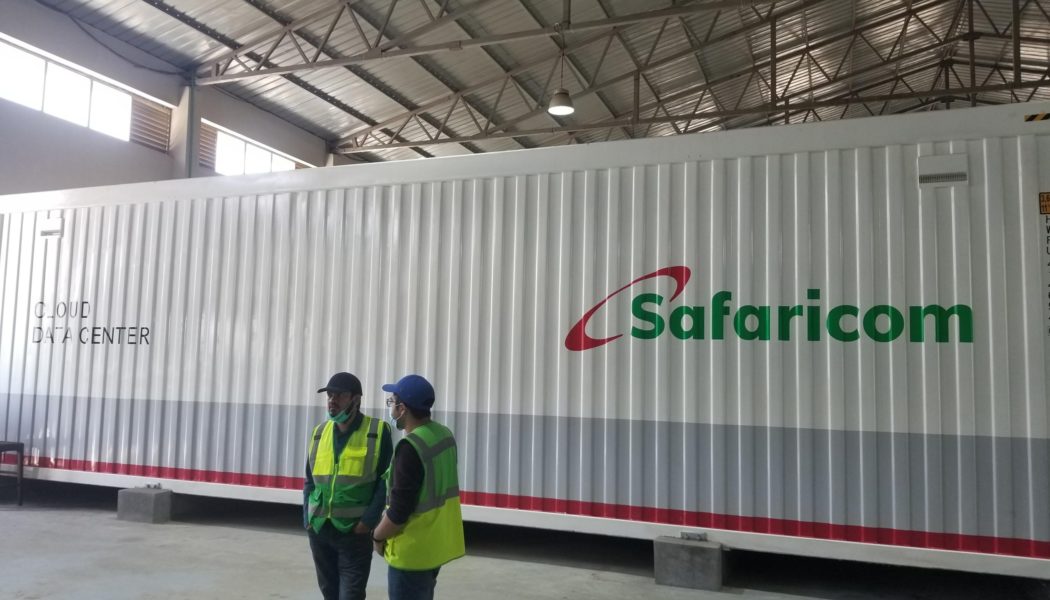

Ethiopia Changing Laws to Prepare for M-PESA Launch
Image sourced from WeeTracker Ethiopia has reportedly started changing certain national payments laws in an effort to clear the way for Safaricom to launch M-PESA, Africa’s largest fintech platform, to the Horn of Africa country’s virtually untapped market of 110-million people. The National Bank of Ethiopia (NBE) has drafted a bill that will allow foreign investors to launch and operate mobile money services in the country, making way for companies like Safaricom, which is planning to begin operations in Ethiopia within the year. Last year, a consortium led by Safaricom and Vodafone secured Ethiopia’s first-ever private mobile telephony license for $850-million, however, the deal did not include or permit mobile financial services like M-PESA. According to Business Daily Africa, the NBE n...

Central Bank of Kenya Orders Banks to Ration Dollar Currency
We use cookies on our website to give you the most relevant experience by remembering your preferences and repeat visits. By clicking “Accept All”, you consent to the use of ALL the cookies. However, you may visit “Cookie Settings” to provide a controlled consent.


ICYMI: Google’s Undersea Cable Finally Lands in Nigeria
Image sourced from Medium. Late last week, Google announced that its Equiano undersea cable, which successfully landed in Togo last month, has arrived in Lagos, Nigeria, marking the cable’s second stop along Africa’s Atlantic coast. Back in 2019, when Google introduced Equiano, the company said that the subsea cable upon completion, will start in western Europe and run along the West Coast of Africa, between Portugal and South Africa, with branching units along the way that can be used to extend connectivity to additional African countries. The technology giant says it is partnering with multiple key telecom players, including its landing party, the West Indian Ocean Cable Company (WIOCC), where Equiano lands to ensure that the cable can reach more businesses and end-users across Nigeria a...


New Load Shedding Warnings for SA After Short Weekend Reprieve
We use cookies on our website to give you the most relevant experience by remembering your preferences and repeat visits. By clicking “Accept All”, you consent to the use of ALL the cookies. However, you may visit “Cookie Settings” to provide a controlled consent.


MultiChoice to Bring Disney+ to South African DStv Subscribers
We use cookies on our website to give you the most relevant experience by remembering your preferences and repeat visits. By clicking “Accept All”, you consent to the use of ALL the cookies. However, you may visit “Cookie Settings” to provide a controlled consent.
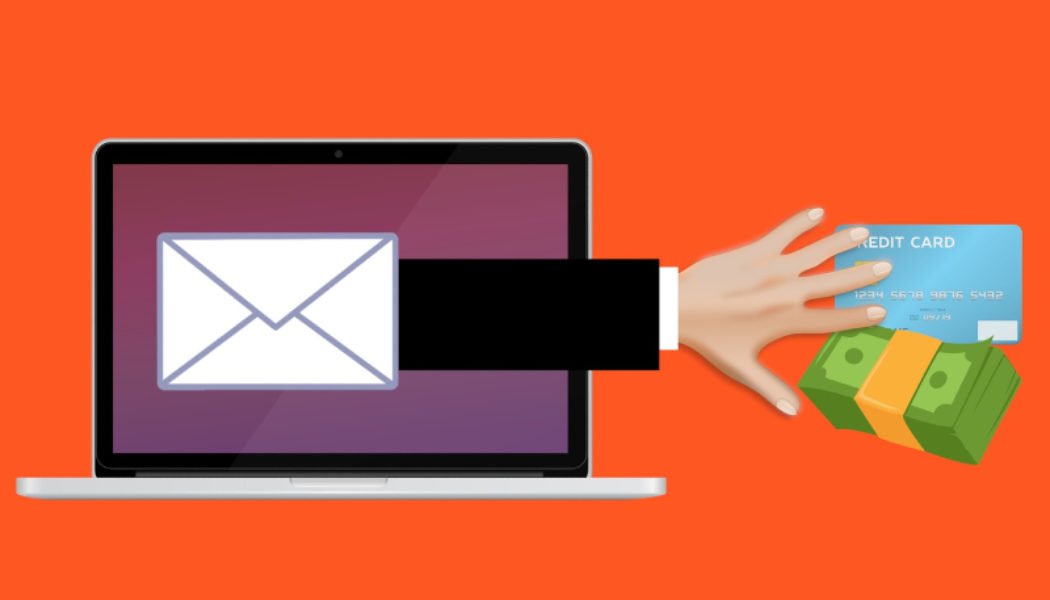

SA Post Office Warns Customers of New Email Scam
Image sourced from isnews.stir.ac.uk The South African Post Office has sent an alarm to customers about fraudulent e-mails that are designed to make the receiver pay money into a scam account. The bogus emails appear as if they are coming from the Post Office and are titled, “Your package could not be delivered”. They also state that in order for a customer to receive their package they have to pay a certain fee and they include a link, according to Tech Central. “Should the receiver click on the link, a page called Bureau de Poste d’Afrique du Sud opens, requesting payment to ‘release’ the fictitious parcel. The official language of communication for the Post Office is English and no communication is done in French. The website features a photo of the gable of the historic Vredefort post ...
