

Top Stories


Sharing These Messages on Social Media in SA Could Land You In Jail
We use cookies on our website to give you the most relevant experience by remembering your preferences and repeat visits. By clicking “Accept All”, you consent to the use of ALL the cookies. However, you may visit “Cookie Settings” to provide a controlled consent.


Woolworths Set to Expand its Delivery Services in South Africa
We use cookies on our website to give you the most relevant experience by remembering your preferences and repeat visits. By clicking “Accept All”, you consent to the use of ALL the cookies. However, you may visit “Cookie Settings” to provide a controlled consent.


New Microsoft Initiative to Support 10,000 African Start-Ups Over the Next 5 Years
We use cookies on our website to give you the most relevant experience by remembering your preferences and repeat visits. By clicking “Accept All”, you consent to the use of ALL the cookies. However, you may visit “Cookie Settings” to provide a controlled consent.


Check Out Samsung’s New NEO QLED & “Cutting Edge” Lifestyle TVs
We use cookies on our website to give you the most relevant experience by remembering your preferences and repeat visits. By clicking “Accept All”, you consent to the use of ALL the cookies. However, you may visit “Cookie Settings” to provide a controlled consent.


3 South African Cybersecurity Companies You Should Probably Know About
Image by Darwin Laganzon, Pixabay. Cybersecurity involves the application of technologies, processes and controls to protect systems, networks, programmes, and data from cyber-attacks. Many establishments across the world, including, schools, banks, and hospitals rely heavily on cybersecurity services to protect their data and be safe from cyber-attacks. Everyone who has a computer or access to the internet must at some point know how to protect themselves online, hence the crash course in cybersecurity in your high school, college, or university years. It is not at all inane. In 2019, a cybersecurity company, Kaspersky noted that malware attacks in South Africa had increased by 22 percent in the first quarter of the year compared to the first quarter of 2018, which translates to just unde...


Most Businesses in Africa Don’t Protect Their Full IoT Suite – Report
Image sourced from Feed Navigator. A recent report from internet security experts Kaspersky report that two-in-five businesses (44%) in Africa and other parts of the META (Middle East, Turkey and Africa) region have parts of their IoT infrastructure that are yet to have any protection. Meanwhile, the main barrier for the implementation of many businesses’ IoT projects is the risk of cybersecurity breaches and data compromises. According to IoT Analytics, the global number of connected IoT devices is expected to grow by 9%, reaching 27 billion IoT connections by 2025. With that dramatic rise in connected devices also comes an increased need for security. Gartner highlights that in the past three years nearly 20% of organisations have already observed cyberattacks on IoT devices in their net...


Vodacom Launches Africa’s First AWS Innovation Lab
We use cookies on our website to give you the most relevant experience by remembering your preferences and repeat visits. By clicking “Accept All”, you consent to the use of ALL the cookies. However, you may visit “Cookie Settings” to provide a controlled consent.


African Metaverse Set to Boost Economy and Create Employment
We use cookies on our website to give you the most relevant experience by remembering your preferences and repeat visits. By clicking “Accept All”, you consent to the use of ALL the cookies. However, you may visit “Cookie Settings” to provide a controlled consent.
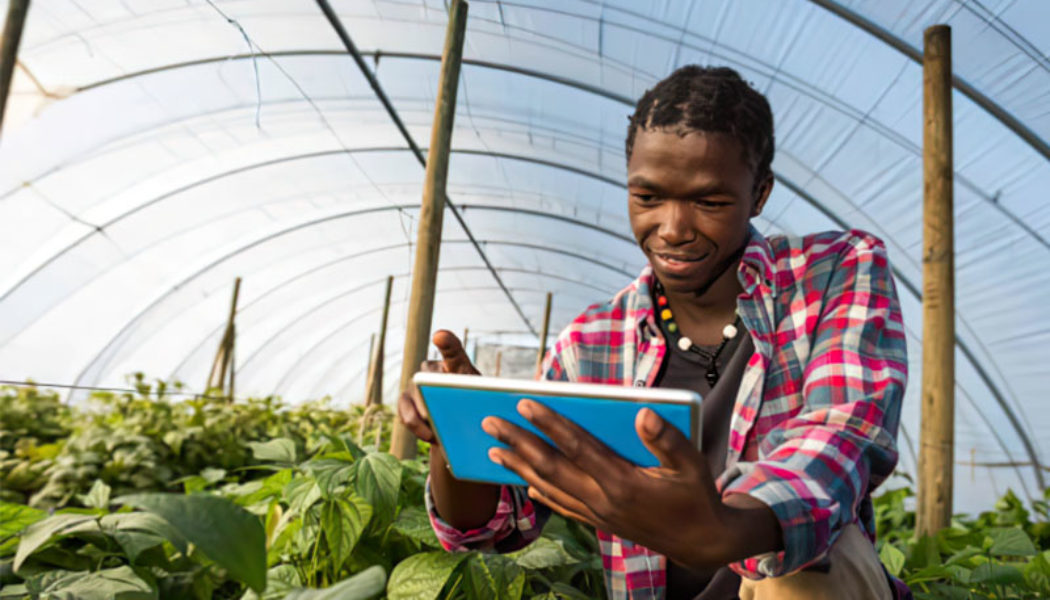

SA’s Maize Farmers Set to Benefit From this New Agritech Innovation
We use cookies on our website to give you the most relevant experience by remembering your preferences and repeat visits. By clicking “Accept All”, you consent to the use of ALL the cookies. However, you may visit “Cookie Settings” to provide a controlled consent.


Ukheshe Technologies Appoints New CIO
We use cookies on our website to give you the most relevant experience by remembering your preferences and repeat visits. By clicking “Accept All”, you consent to the use of ALL the cookies. However, you may visit “Cookie Settings” to provide a controlled consent.
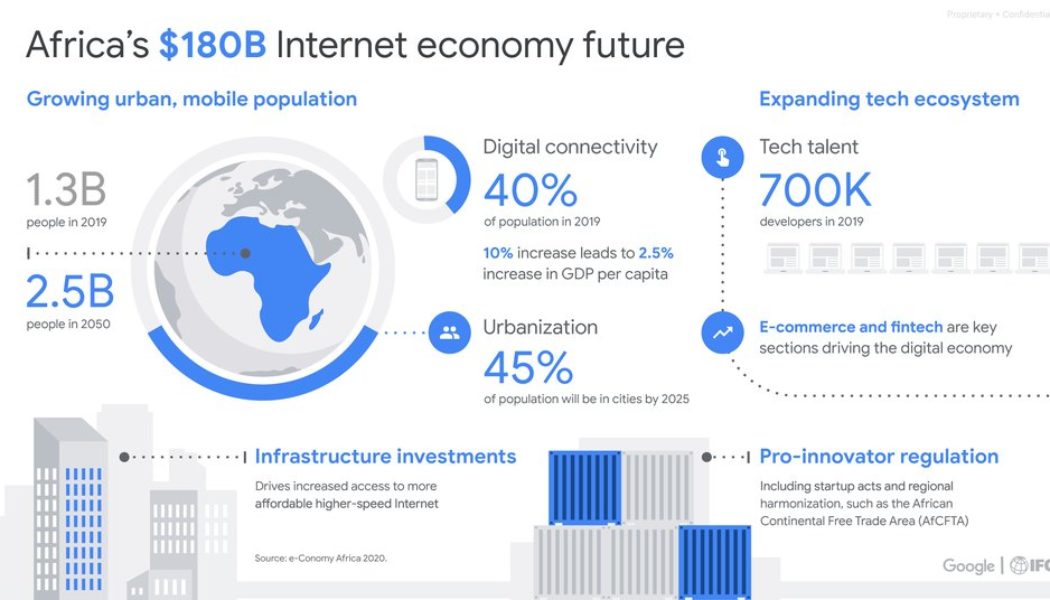

Is Africa’s Internet Economy Set for a Boom in the Near Future?
Image sourced from Newsweek. Professional investors are forecasting strong growth in the value of Africa’s internet economy with mobile phones central to the expansion, new global research from blockchain-based mobile network operator World Mobile shows. Mobile Internet Will Lead Into a Boom Period The study with professional investors responsible for around $700-billion assets under management by independent research company PureProfile found one in four (25%) expect the value of Africa’s internet economy to more than double over the next three years from the current estimated $115-billion. More than half (51%) expect it to be worth more than $200-billion by 2025. Increased use of mobile phones will be central to the growth which will be further enhanced by improved affordability, the stu...


Huawei Watch GT 3 Series Has Been Launched in South Africa
We use cookies on our website to give you the most relevant experience by remembering your preferences and repeat visits. By clicking “Accept All”, you consent to the use of ALL the cookies. However, you may visit “Cookie Settings” to provide a controlled consent.
