

wildlife
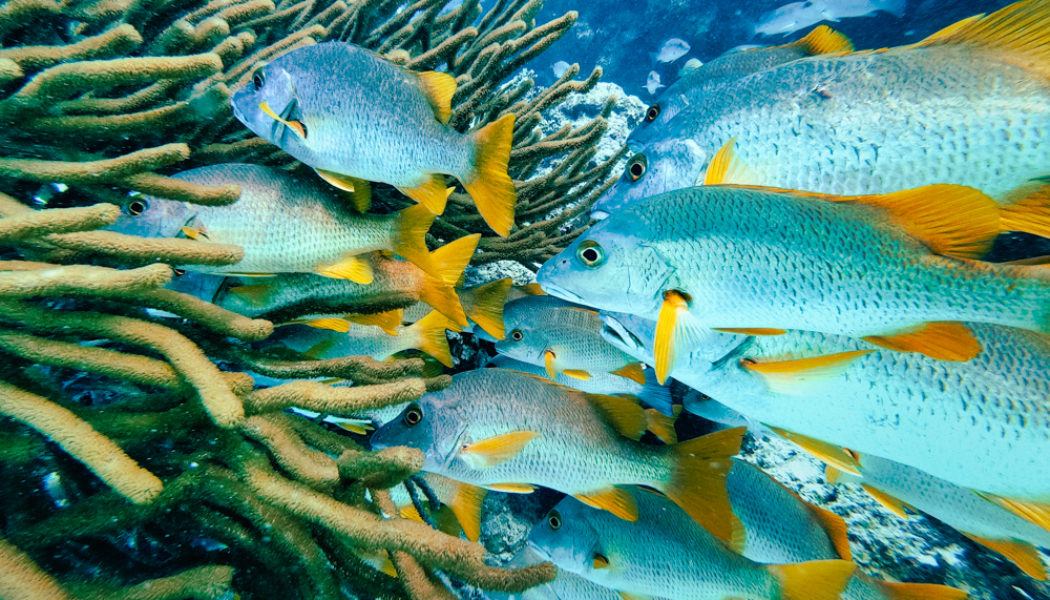

Diving Hol Chan Marine Reserve in Belize
The Hol Chan Marine Reserve is one of Belize's most popular snorkelling sites. It offers vibrant coral formations and a diverse array of marine life packed into a small site with shallow waters in an easy-to-reach area of the UNESCO-listed Belize Barrier Reef. The post Diving Hol Chan Marine Reserve in Belize appeared first on Atlas & Boots.
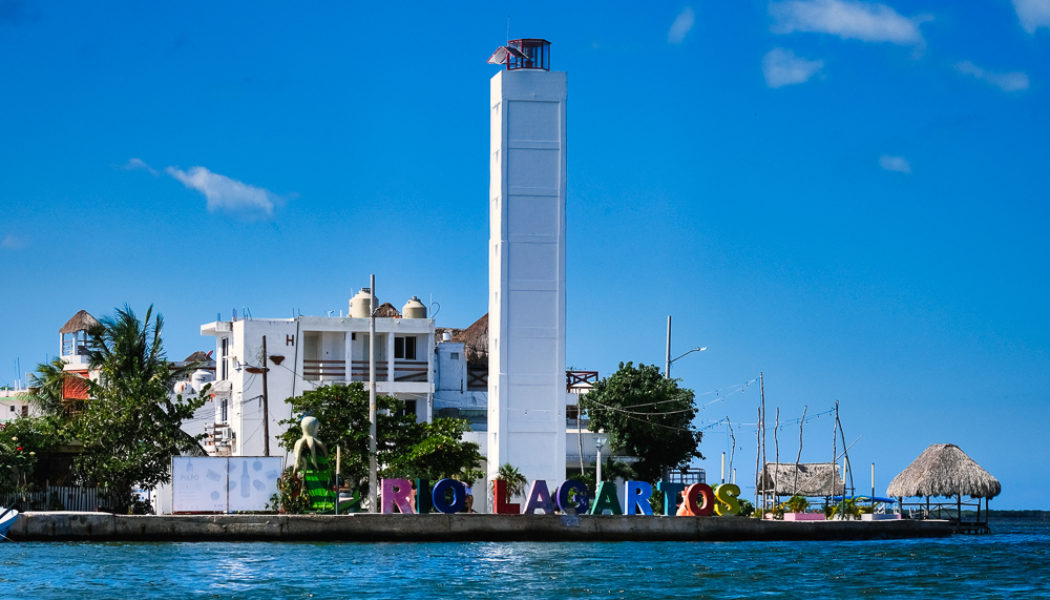

How to visit Río Lagartos: a complete guide
Our guide on how to visit Río Lagartos, Mexico’s Biosphere Reserve home to flamingos, crocodiles and a not-so-pink lake When 16th-century Spanish explorers first arrived on the northern shores of the Yucatán Peninsula in Mexico, they found a mangrove-lined estuary which they named Río de Los Lagartos – the river of the lizards. Now a UNESCO biosphere reserve, the coastal lagoons feature a network of smaller estuaries, mangroves, marshes and savannahs that are home to over 500 species of vertebrates, several of them endangered. Thanks to conservation efforts, species numbers have stabilised recently as harmful agriculture activities using ‘slash and burn’ methods have been reduced. Atlas & Boots The waterfront town of Río Lagartos The wetlands, along with the sleepy fishing town of the...


The travel that changed me: Stanley Trollip
From an unplanned landing in the Namib desert to hyenas attacking wildebeest, author Stanley Trollip tells us about the travel that changed him It’s fair to say that Stanley Trollip has had an eclectic career. At various points in his life, he has been a professor, a psychologist, a pilot and an author – each a consuming role in its own right. This professional pluralism started early in life; Stanley’s time as an undergraduate took twice as long as usual due to his participation in a range of sports (cricket, rugby and field hockey) as well as his involvement in the anti-apartheid movement. Stanley Trollip Born in Johannesburg, Stanley saw first-hand the changes that swept through South Africa – a place, he says, that still feels like home though he has spent more time outside it than he ...
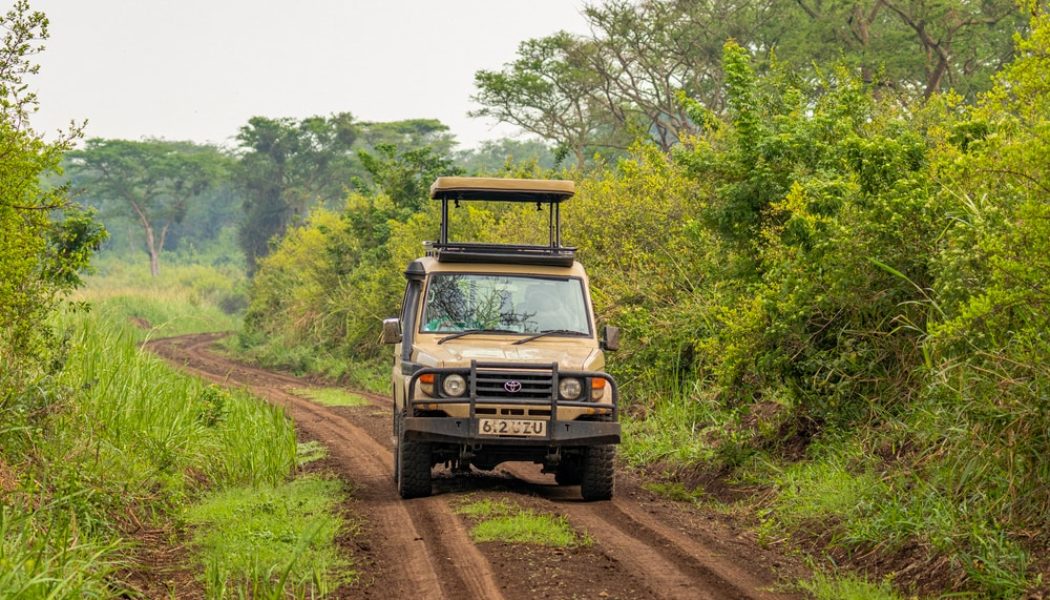

Self-drive Uganda: 7 routes to suit every itinerary
From three-day jaunts to two-week tours, these self-drive Uganda routes are crammed with bucket-list views Here at Atlas & Boots, some of our best memories were made while we were watching wildlife. One of our favourite experiences was our self-drive safari through Nambia, which offered close encounters with lions, leopards, cheetahs, elephants and more zebras than we could count. The 17-day trip stuck a fine balance of organised tour and independent travel. We didn’t have to concern ourselves with logistics – that was all taken care of – but still enjoyed the flexibility that comes with the open road. Gunter Nuyts/Shutterstock A self-drive safari in Uganda offers flexibility We are keen to return to the continent – next time to East Africa – to explore the savannahs and jungles o...
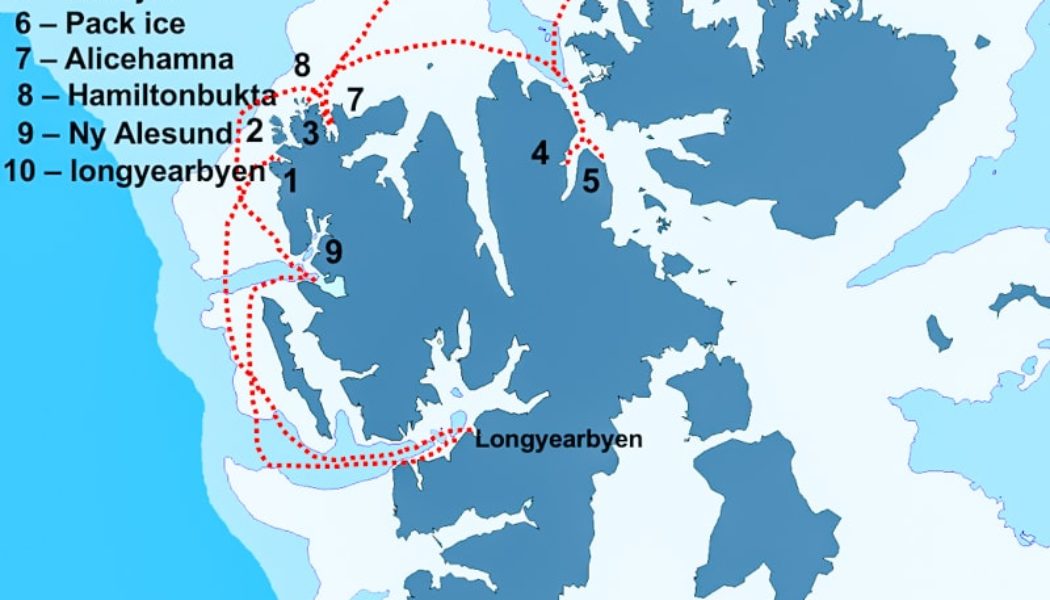

In photos: 20 reasons to visit Svalbard
From vast landscapes and giant glaciers to sly foxes and posing seals, we share some of the myriad reasons to visit Svalbard in the Arctic Known as the last stop before the North Pole, Svalbard proved to be the Arctic we had always imagined: midnight sun, gleaming glaciers and snowcapped peaks, a frigid ocean riddled with ice and extraordinary wildlife including walruses, sea birds and polar bears. We visited the remote archipelago on an 8-day Svalbard expedition with Albatros Expeditions aboard the Ocean Atlantic where we sailed in the perpetual sunlight of the Arctic summer. Our route took us from the main town of Longyearbyen around the west coast of Spitsbergen, Svalbard’s largest island, where we dropped anchor in sheltered fjords to make landings and Zodiac excursions. We t...
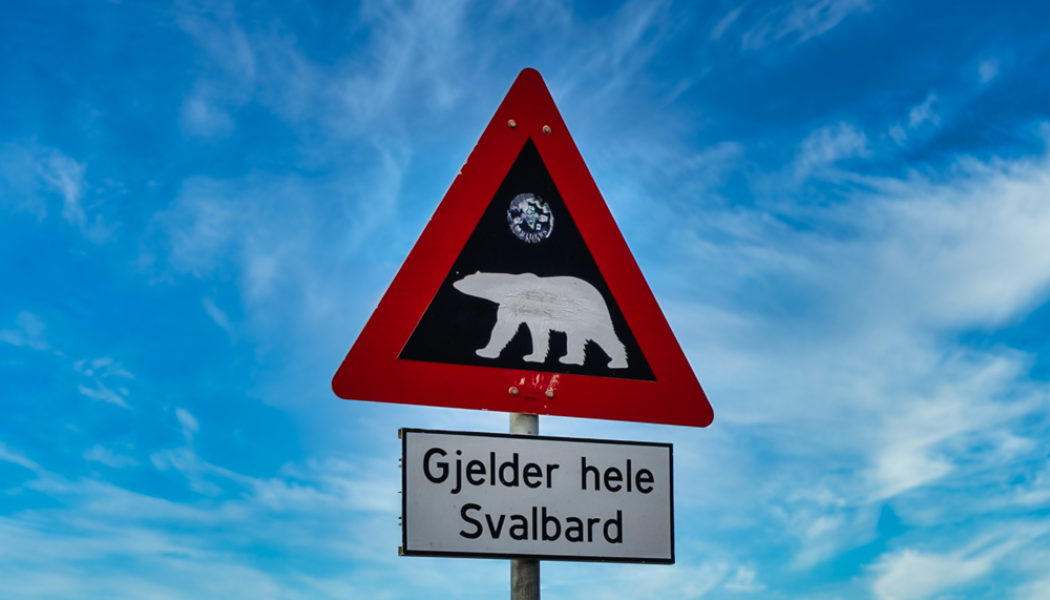

Under the midnight sun: a surreal trip to Svalbard
In the land of the midnight sun, Kia finds a place of raw nature, rare wildlife and one of her most memorable moments of travel It is said that you can’t die in Svalbard, the remote archipelago that lies midway between Norway and the North Pole. The permafrost here not only preserves corpses, it sometimes pushes them to the surface. The truth is that authorities would prefer you didn’t die on Svalbard. Coffin burials are not allowed due to the permafrost, so critically-ill patients are usually flown to mainland Norway. And just as there are rules in death, there are also rules in life. Heavily pregnant women are flown to the mainland as giving birth in Svalbard is also off limits. In many ways, this is a place occupied by life and death. The capital, Longyearbyen, is home to th...
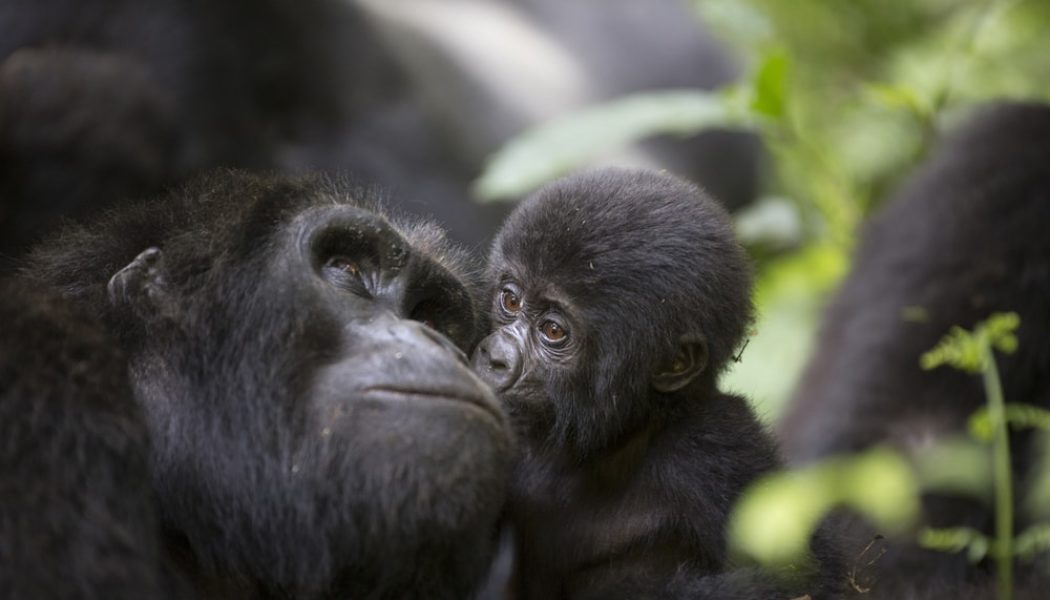

Gorilla trekking tips: what to know before you go
These essential gorilla trekking tips will help you get the most out of this extraordinary wildlife experience Found nowhere else in the wild on Earth and once on the verge of extinction, the mountain gorilla – a subspecies of the eastern gorilla – has seen a spectacular revival. A series of conservation measures involving local communities has led to one of Africa’s greatest conservation success stories. Though still classified as endangered, today there are more than 1,000 mountain gorillas roaming the jungles of Uganda, Rwanda and DR Congo, up from around 480 in 2010. Just over half reside in the Virunga Mountains, the range of eight extinct volcanoes spanning the borders of southern Uganda, Rwanda and DR Congo. The rest can be found in Uganda’s epically named Bwindi...
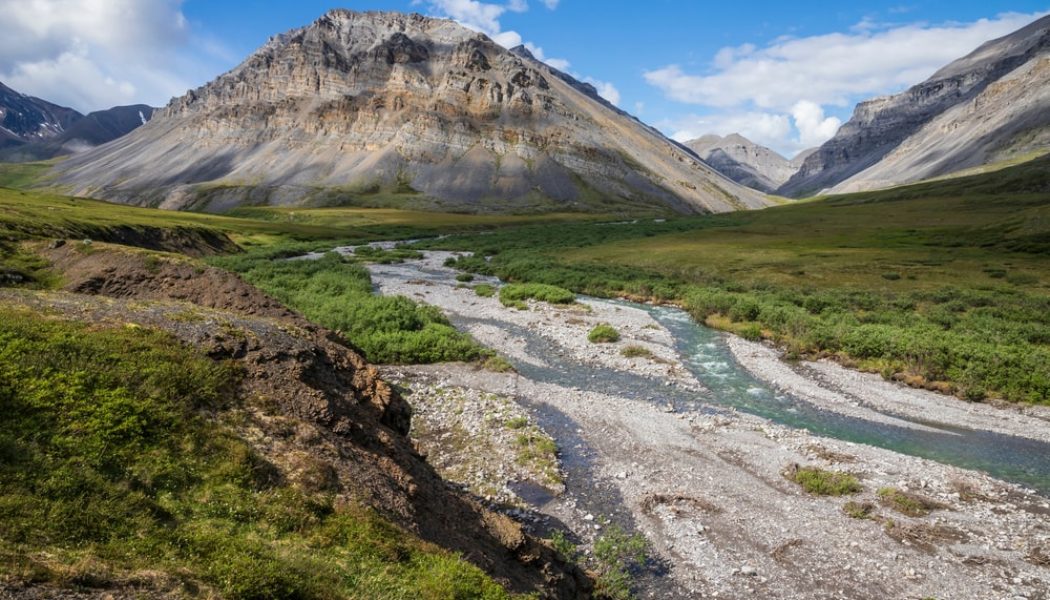

Ranked: least-visited US national parks
As America’s public lands register record numbers, we explore the least-visited US national parks It’s been well documented that America’s national parks and hiking trails have seen a surge in visitor numbers as lockdown-weary Americans flocked to the outdoors. In 2021, Yellowstone received an astonishing 4.8 million recreation visits, up 28% from 2020 (3.8 million), making it the busiest year on record. In 2022, as international tourists return, visitor numbers across the National Park System – which is responsible for over 400 sites including 63 national parks – are predicted to increase even further. In response, several destinations have launched reservation systems to counteract the rise. Looking ahead, it may be worth considering alternatives to congested public lands ...
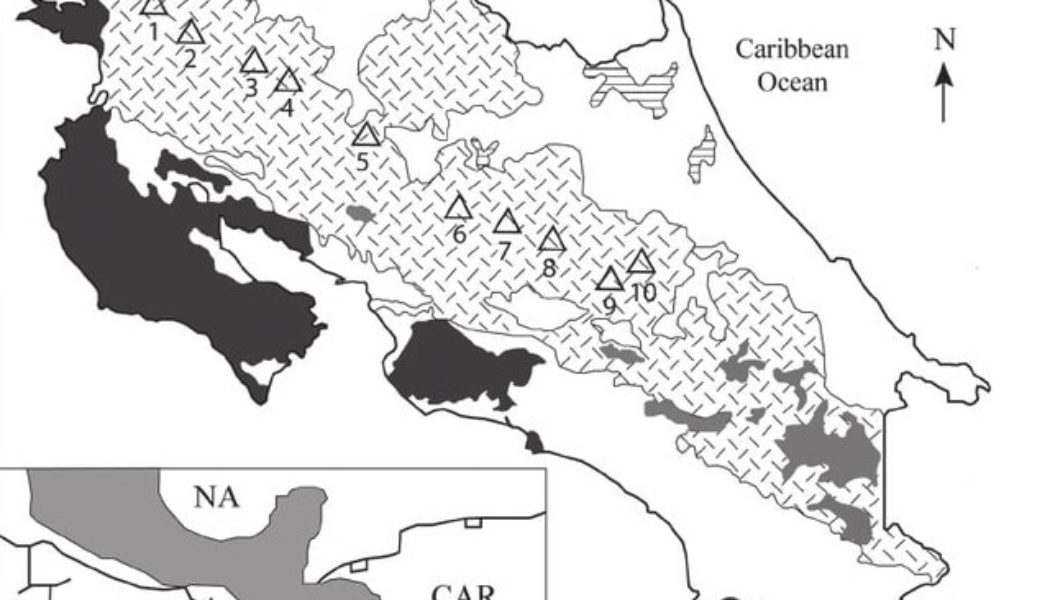

Best day trips from San José, Costa Rica
From fairytale forests to violent volcanoes, we share the best sights in Costa Rica that can be reached in a day from San José If we ask you to picture Costa Rica, it’s highly unlikely that you’ll think of San José. This unassuming capital city isn’t known for architectural grandeur, fine dining or world-class theatre. Rather, it’s a springboard for Costa Rica’s natural wonders: the lush forests and hulking volcanoes, the startling wildlife and movie-set scenery. Luckily, given Costa Rica’s petite size, many of its sights can be seen on a day trip from the capital. There are various trains, buses and transfers from San José that make it easy to access the country’s dramatic volcanoes, fairytale waterfalls, cloud forest and charming animals. Below, we share a selection of the be...

Arctic or Antarctic: how to pick your polar adventure
Can’t decide between the Arctic or Antarctic for your polar adventure? Our guide will help you choose between 66° north or south The North and South Poles were only “conquered” in relatively recent history. The South Pole was first attained in 1911 by the Norwegian Roald Amundsen after his epic race with the ill-fated Robert Falcon Scott. The conquest of the North Pole is a little murkier thanks to its location in the middle of the Arctic Ocean among waters that are almost always covered with shifting sea ice. It’s possible that Frederick Cook was the first to reach the North Pole in 1908 or perhaps it was Robert Peary in 1911 or maybe Richard E. Byrd who was the first to fly over it in 1926… But it wasn’t until Roald Amundsen’s definitive flight over the Pole...

In photos: 22 reasons to visit Antarctica
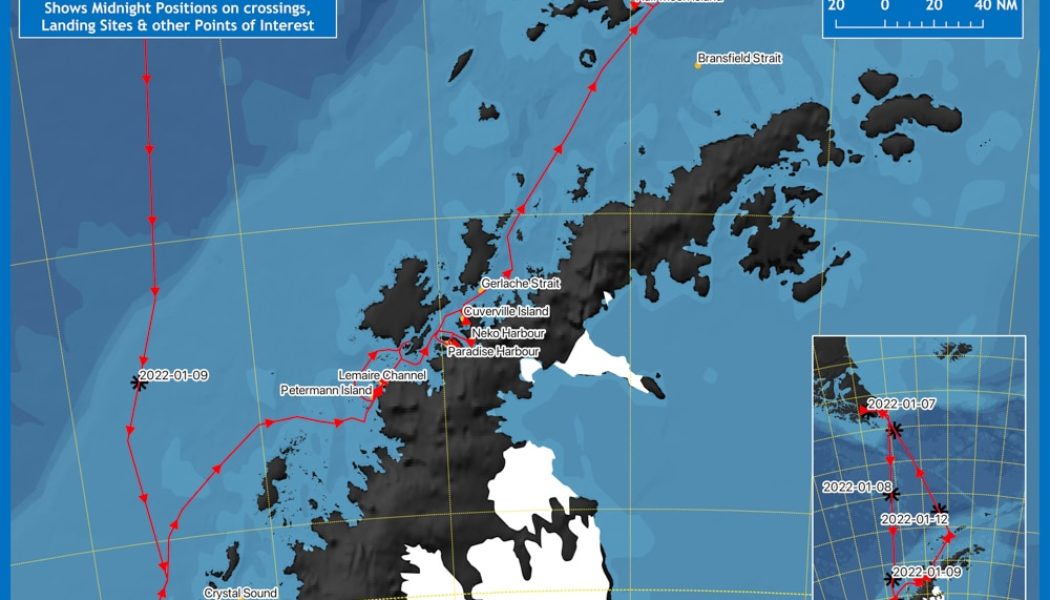
From island-sized icebergs to close encounters with humpback whales, we share some of the myriad reasons to visit Antarctica Antarctica was the final frontier for us. It was the only continent we hadn’t visited – our seventh – and a twice-postponed adventure that we had been planning for over two years. We finally boarded our Albatros Expeditions ship in early January and sailed out of Ushuaia to cross the notorious Drake Passage. Three days later, we crossed 66°33′48.9″ south of the Equator – the Antarctic Circle – before making landfall on the continent the following morning. Finally, we’d made it. Albatros Expeditions A map of our voyage 21 reasons to visit Antarctica For us, visiting Antarctica was a watershed moment. It was everything we had hoped it could be: wild, isolated, beautifu...

Antarctica: why my seventh continent was more than just an ego trip
Kia explains why a voyage to Antarctica finally gave her a sense of peace I am one of six sisters, which has always earned me a certain cachet; a sort of second-hand, useless celebrity like that of air hostesses and identical twins. The last time I mentioned “all my sisters” in public, a stranger cut in to ask how many. People are often keen to know if we all get along, how often we see each other and what it was like growing up. I tell them it was happy and messy and loud. The truth is that it was for a while, but as soon as we entered our teens, we found ourselves shunted to a different orbit: home, school, library. My sisters and I were no longer allowed to roam freely, thanks to our parents’ conservative views on what young Asian women should and should not be. We each adju...
