

wildlife
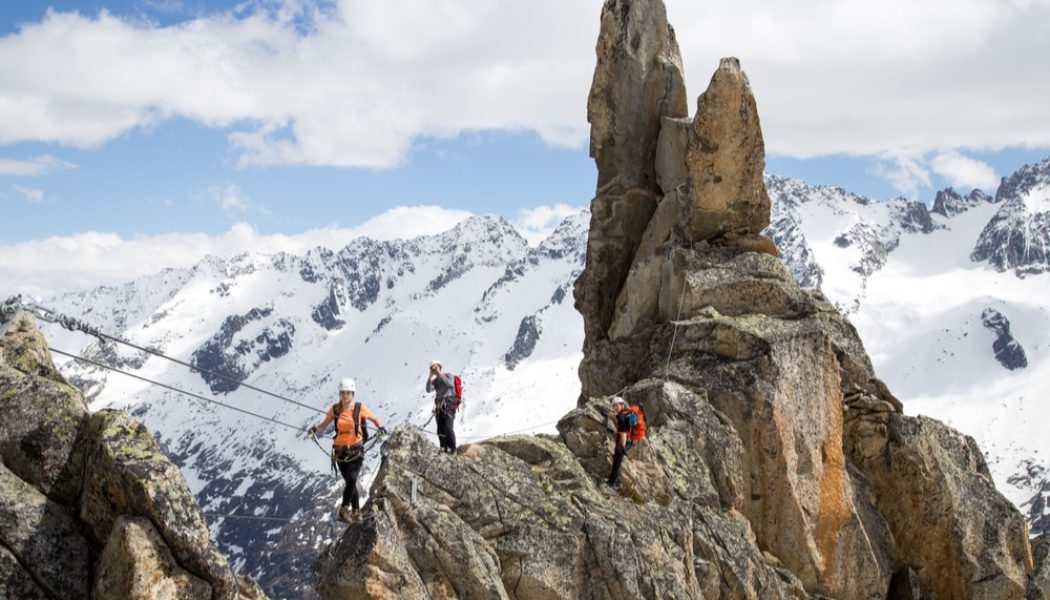

Ranked: best countries for adventure travel
The best countries for adventure travel have been ranked by a panel of experts. We review the results below The Adventure Travel Trade Association (ATTA) has named Iceland the best country for adventure travel for the third year in a row. The small Nordic island nation, famed for its geysers, volcanoes, geothermal lagoons and cinematic landscapes, remains an attractive destination for adventure seekers, particularly those concerned with sustainability. Established in 1990, the ATTA is the largest global network of adventure travel leaders. With the help of its 30,000-strong community of people involved in adventure tourism, the ATTA produces the Adventure Tourism Development Index (ATDI), a global ranking of adventure travel around the globe. Oliver Foerstner/Shutterstock Tourists completi...
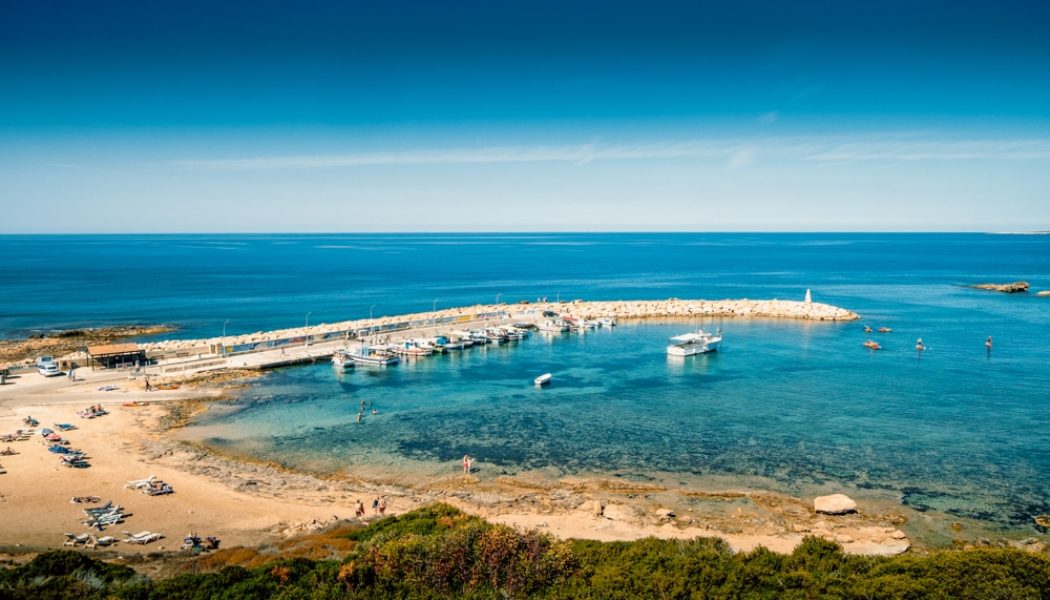

Diving in Cyprus: our first dive in two years
After two years at home, we go diving in Cyprus and rediscover the joy of subaquatic life There was a time when I used to record my dives with all the zeal of a swot on her first day of school. I took my battered logbook on every trip abroad and fastidiously noted down the date, location, depth, temperature, points of interest and so on of every one of my dives. As I gained experience, however, I became complacent not least because the cool kids never seemed to record their dives. Fellow divers would gracefully exit the water, slip off their BCD and lounge about with a beer while I, nerd that I am, keenly made my notes. Eventually, their breezy attitude rubbed off on me and I too became blasé. Atlas & Boots Diving in Cyprus: St George’s Harbour Sadly, this means that I don’t know...

10 most (seemingly) dangerous things we’ve done
Seven years after we quit our jobs to travel around the world, we revisit some of the riskiest things we’ve done on the road Peter and I have a long-running joke that I have fallen off my bike in the most beautiful places in the world – among them Bora Bora in French Polynesia and Isabela in the Galápagos. I only learnt to ride at the age of 28 and my lack of experience has led to numerous falls. What’s interesting is that no one ever calls me ‘brave’ or ‘daring’ for riding a bicycle or indeed a horse even though statistically (and in personal experience), these activities are some of the most dangerous I’ve done. Instead, it’s things like skydiving and bungy jumping that impress others most. Below, I share 10 seemingly dangerous things we’ve done – some of which posed a real risk, b...
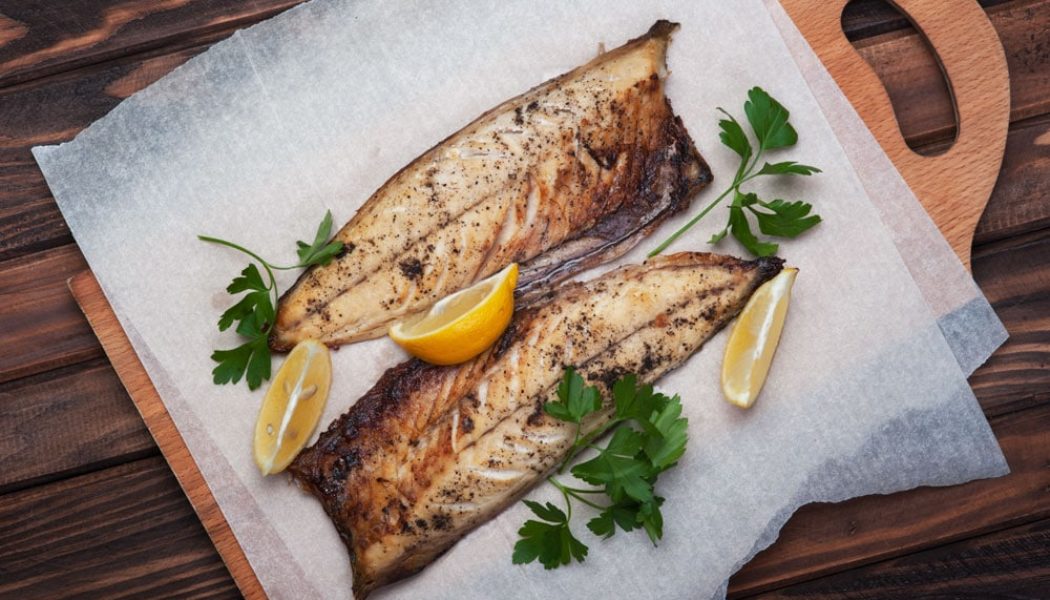

Why I’ve given up eating fish (again)
At the age of 13, Kia turned vegetarian but 15 years later, she started eating fish again. Here she reflects on why that decision was wrong There is an inherent hypocrisy in what I do for a living. On one hand, I write about the state of the planet, call for tourism caps and grapple with extinction tourism, but on the other, I continue to fly when I know that it’s the worst way to travel in terms of carbon emissions. I console myself with the fact that I don’t eat meat, a worse offender when it comes to emissions, but I do eat fish and dairy. The temptation then is to say “well, fish isn’t as bad as meat” – and that may indeed be the case from an environmental standpoint, but what about the moral one? The environmental issue is knotty and complicated, but the moral one – killing anim...


The travel that changed me: Roz Watkins
From trekking in the hills of Kashmir to evading a rhino in India, author Roz Watkins tells us about the travel that changed her Roz Watkins is the author of the critically-acclaimed DI Meg Dalton crime series. Set in the Peak District, her novels are known for their extraordinary sense of place. Think moody moors, gnarled forests and creepy local lore. Her protagonist is spirited and sensitive, but what draws me most strongly to Roz’s work is her willingness to venture into the darker corners of society. In Cut to the Bone, Roz examines the practice of factory farming. Its horrors are writ large in the novel, but the moral heart of the story never hampers the action. In fact, the grisly realities only dial up the tension. We spoke to Roz about her latest book, why animal rights are ...


US Republican senators confront Netflix over Chinese sci-fi show
Five Republican US senators have confronted Netflix over the streaming giant’s plan to adapt a Chinese sci-fi book trilogy, expressing concern over the original author’s comments about claims of forced labor in Xinjiang. Liu Cixin’s bestselling “The Three-Body Problem,” which tells the story of humanity’s first contact with aliens, is set to become a major Netflix series co-written by the creators of “Game of Thrones.” In a letter to content boss Ted Sarandos, the senators accused Liu of “parroting dangerous [Communist Party] propaganda” and suggested Netflix was “providing a platform to Mr Liu in producing this project.” They highlighted a New Yorker article from last year in which Liu is quoted defending mass internment in China’s northwestern Xinjiang region, where activists say more th...

10 things park rangers wish you knew
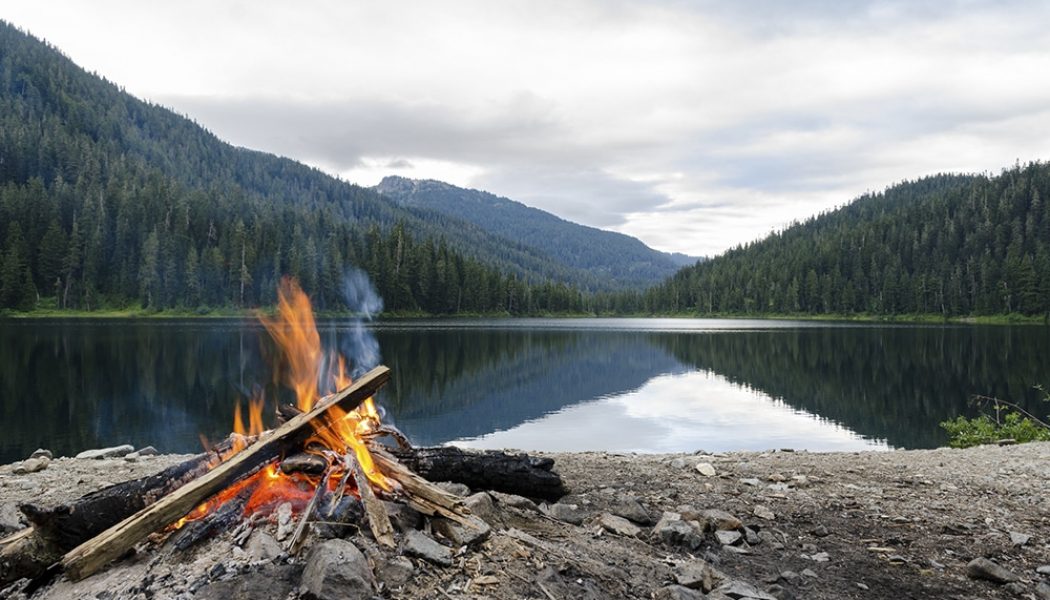
From grizzly bears to bugbears, five park rangers share the vagaries of their unique job There’s no doubt that nature is flourishing under lockdown. There are heartening stories of the Himalayas emerging from Indian smog, moles in the UK being seen above ground and deer wandering the streets of Japan. Sadly, these phenomena will likely end not too long after lockdown, as humans return to business as usual. In an effort to remind readers – and ourselves – to re-engage with nature as responsibly as possible when we’re allowed to return, we asked five park rangers to share some things they wish we knew. The rangers are based in the US (and remain unnamed for the sake of discretion), but nearly all their points are applicable worldwide. We hate it when you disrespect the park...

7 ways nature is flourishing under lockdown
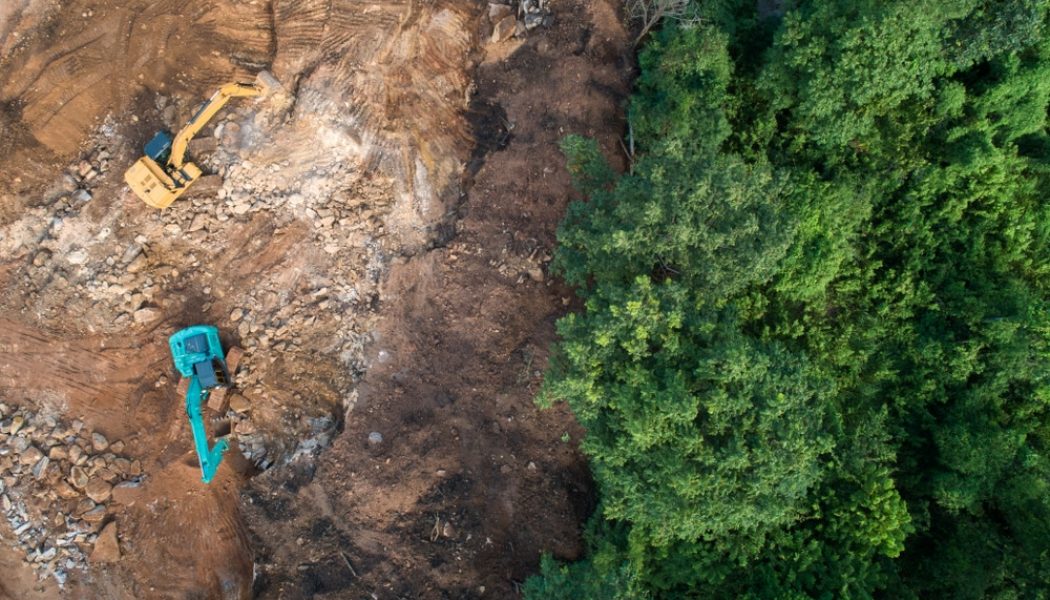
The current pandemic has had a devastating effect worldwide but there are some glimmers of light Human impact on wildlife is almost certainly to blame for the spread of Covid-19, say scientists. The virus is thought to have originated in bats with other wild animals such as pangolins also likely playing a role in its transmission to people. Humankind’s relentless incursion into areas of nature that should be off-limits puts the world at an increased risk of new diseases, say scientists from the Royal Society. In a perfect world, wild animals such as bats and pangolins would never come into contact with humans. Due to hunting, trade and habitat loss, however, the natural boundaries between humans and animals have blurred. One positive is that during lockdown, road traffic has decreased, fos...

17 megadiverse countries of the world
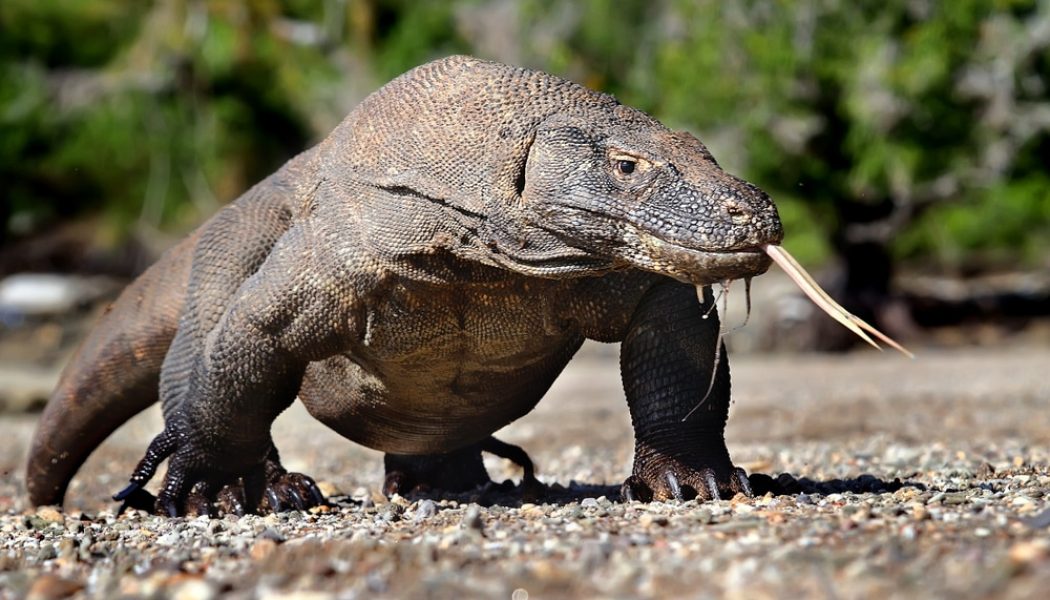
We profile the world’s megadiverse countries, from obvious contenders like Ecuador and Brazil to one or two surprise entries It should be comforting to know that a mere 17 countries hold more than 70% of the world’s species. It should be easy to rally this small group of ‘megadiverse countries’ to protect the planet’s extraordinary biodiversity. Alas, some of these countries are also the world’s biggest consumers and polluters. In July 2000, the UN’s World Conservation Monitoring Centre recognised 17 megadiverse countries which hold the majority of Earth’s species and high numbers of endemic species (i.e. those unique to an area or country). To be termed megadiverse, a country must have at least 5,000 of the world’s plants as endemics and have marine ecosystems within its borde...
